How to Boost Hair Growth Naturally at Home


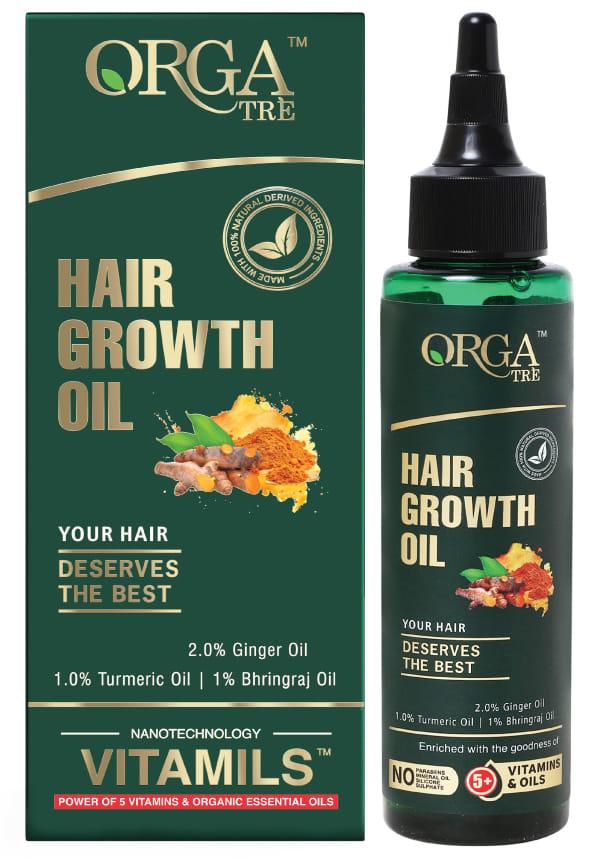
Hair Growth Oil
Let's be real—we've all been there. Staring at our hair in the mirror, wondering why it's taking forever to grow or why it feels thinner than before. The good news? You don't need expensive salon treatments or miracle products to boost your hair growth naturally. With the right hair growth tips at home, some kitchen ingredients, and a bit of patience, you can give your hair the love it deserves. Whether you're dealing with slow growth, hair fall, or just want thicker, healthier locks, these science-backed methods will help you get there without breaking the bank.
Before diving into remedies, let's clear up some confusion about natural hair growth. Your hair grows in three phases: anagen (growth phase), catagen (transition), and telogen (resting phase). On average, hair grows about 0.5 inches per month—that's roughly 6 inches a year. Sorry to burst any bubbles, but those "grow 2 inches in a week" claims? Total myths.
Several factors affect your growth rate, including genetics (thanks, parents!), age, hormones, and overall health. While you can't change your DNA, you can definitely optimise the conditions for healthy hair growth. The key is creating an environment where your follicles can thrive, not forcing them to do the impossible.
Think of your scalp as the soil for your hair garden. If the foundation isn't healthy, nothing else will work properly. Good scalp care is one of the most effective hair growth tips at home that people often overlook.
A daily 5-10 minute scalp massage can work wonders for circulation. Use your fingertips (not nails!) to apply gentle pressure in circular motions. Start from your hairline and work towards the crown, then down to the nape of your neck.
For extra benefits, try massaging with oils like coconut, castor, or rosemary oil. Rosemary oil, in particular, has been shown to be as effective as some commercial hair growth treatments when used consistently.
Just like your face, your scalp needs exfoliation to remove dead skin cells and product buildup. Mix 2 tablespoons of brown sugar with 1 tablespoon of coconut oil for a gentle DIY scrub.
Use this mixture once a week before shampooing. Gently massage it into your scalp for 2-3 minutes, then rinse thoroughly. This simple step can dramatically improve how well your hair growth remedies penetrate the scalp.
Over-washing strips your scalp of natural oils, which can actually slow down growth. Most people only need to wash their hair 2-3 times a week, depending on their hair type and lifestyle.
When you do wash, use sulphate-free shampoos that won't irritate your scalp. Focus the shampoo on your roots and scalp, letting the suds clean your lengths as you rinse.
Ready to raid your kitchen for some serious DIY hair growth magic? These natural remedies have been used for centuries and are backed by modern research. The best part? They're gentle, affordable, and you probably already have most ingredients at home.
Castor and Rosemary Oil Combo: Mix 2 tablespoons of castor oil with 5-6 drops of rosemary essential oil. Castor oil is rich in ricinoleic acid, which improves circulation, while rosemary oil has been shown to promote growth.
Coconut and Peppermint Mix: Combine 3 tablespoons of coconut oil with 3-4 drops of peppermint oil. The cooling sensation isn't just refreshing—peppermint oil can increase the number of hair follicles and their depth.
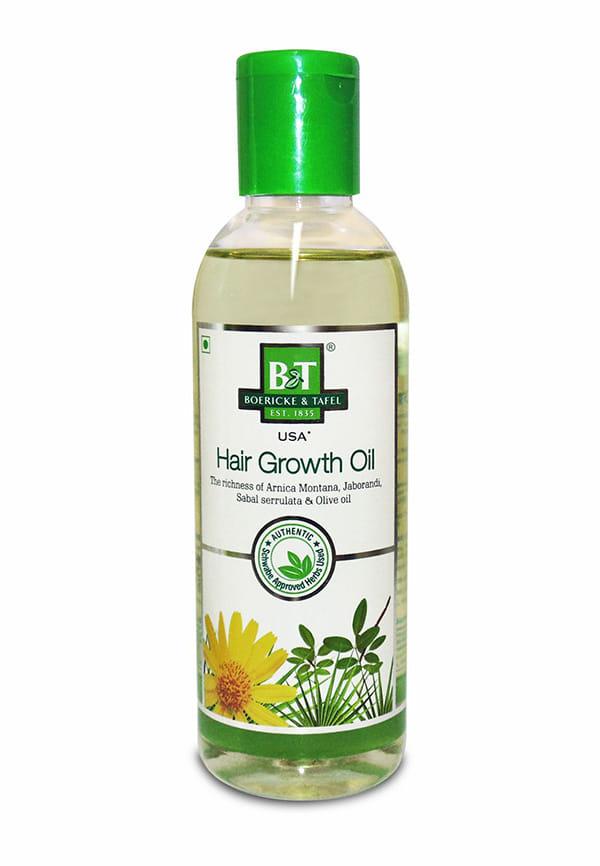
Hair Growth Oil
Excellent Hair Care
 5
5“Trusted brand, great light homoeo care for hair.”
Amla and Curry Leaves Oil: Heat coconut oil with fresh curry leaves and amla pieces for 10 minutes. Strain and use this vitamin C-rich blend twice a week for stronger, faster-growing hair.
Aloe Vera and Coconut Oil Mask: Mix 3 tablespoons of fresh aloe vera gel with 1 tablespoon of coconut oil. Aloe contains amino acids that strengthen hair and proteolytic enzymes that repair dead skin cells on the scalp.
Fenugreek Seed Treatment: Soak 2 tablespoons of fenugreek seeds overnight, then grind into a paste. Apply to your scalp and leave for 30 minutes before washing. These seeds are packed with proteins and nicotinic acid that stimulate growth.
Hibiscus and Coconut Milk Mask: Blend 5-6 hibiscus flowers with 1/2 cup of coconut milk. This combination provides amino acids, vitamins, and minerals that nourish follicles and prevent premature greying.
Onion Juice Application: Yes, it smells awful, but onion juice is one of the most effective natural hair growth remedies. The sulphur compounds improve circulation and collagen production. Apply fresh onion juice to your scalp, leave for 15 minutes, then wash with a mild shampoo.
Rice Water Rinse: Save the water from cooking rice or soak raw rice for 30 minutes. This starchy water contains amino acids, vitamins, and minerals that strengthen hair and add shine. Use it as a final rinse after shampooing.
Flaxseed Gel: Boil 1/4 cup of flaxseeds in 2 cups of water until it becomes gel-like. Strain and use this natural gel to moisturise your scalp and provide omega-3 fatty acids for healthier growth.
What you put in your body is just as important as what you put on your hair. Your follicles need specific nutrients to produce strong, healthy strands, and deficiencies can significantly slow down growth or cause excessive shedding.
Protein is non-negotiable—your hair is literally made of it. Aim for at least 1 gram per kilogram of body weight daily from sources like eggs, fish, lentils, and nuts. Biotin, often called the "hair vitamin," helps with keratin production, while zinc supports the hair growth cycle.
Don't forget about omega-3 fatty acids, which keep your scalp healthy and add shine to your hair. Iron deficiency is one of the most common causes of hair loss, especially in women, so include iron-rich foods like spinach, chickpeas, and lean meats in your diet.
Start your day with soaked chia seeds or charoli seeds—they're packed with omega-3s and protein. Eggs aren't just great for breakfast; they contain biotin, protein, and choline, all essential for hair health.
Load up on leafy greens like spinach and kale for iron and folate. Sweet potatoes provide beta-carotene, which your body converts to vitamin A for sebum production. Nuts and seeds offer healthy fats and vitamin E, which protects hair from oxidative stress.
Before popping any pills, get your nutrient levels tested. Taking supplements when you don't need them can sometimes do more harm than good. If you do have deficiencies, work with a healthcare provider to choose the right supplements and dosages.
Popular hair growth supplements include biotin, collagen, and multivitamins, but remember—they work best when combined with a balanced diet and proper hair care tips, not as standalone solutions.
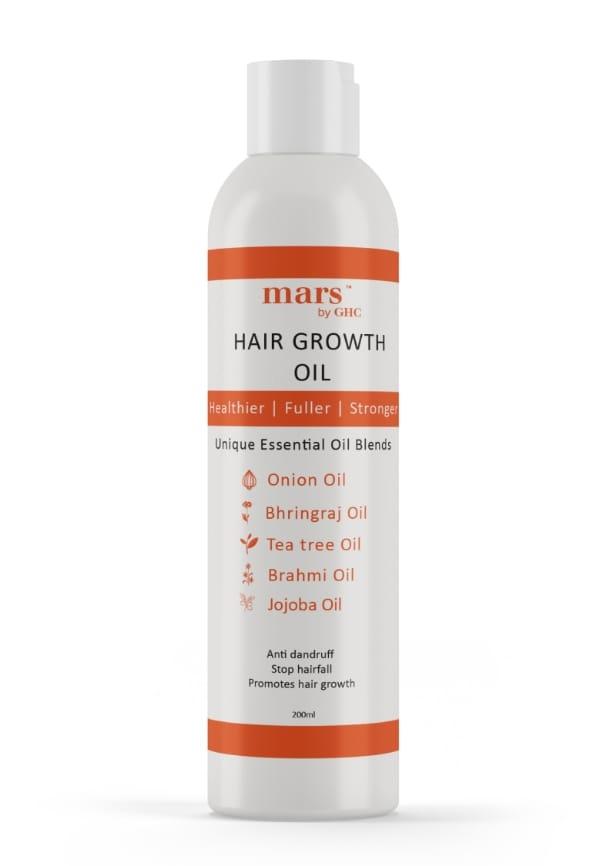
Hair Growth Oil
Growing your hair longer means keeping what you already have healthy. Hair fall control is just as important as stimulating new growth, and small changes in your daily routine can make a huge difference.
Heat is one of hair's biggest enemies. Try air-drying whenever possible, or use the cool setting on your blow dryer. If you must use heat tools, never skip the heat protectant and keep temperatures below 180°C.
Embrace heatless styling methods like braiding damp hair for waves, using foam rollers, or trying the "sock curl" method. Your hair will thank you for the break from constant heat damage.
Never brush wet hair with a regular brush—it's at its most vulnerable when damp. Use a wide-tooth comb or a detangling brush specifically designed for wet hair. Start from the ends and work your way up to avoid unnecessary pulling and breakage.
For dry hair, brush gently from roots to tips to distribute natural oils. Boar bristle brushes are excellent for this as they're gentle and help spread sebum down the hair shaft.
Tight ponytails and buns might look sleek, but they can cause traction alopecia over time. Opt for loose styles and vary where you place your hair ties to avoid constant stress on the same areas.
Switch to silk or satin pillowcases to reduce friction while you sleep. You can also try the "pineapple" method—loosely gathering your hair at the very top of your head with a soft scrunchie to prevent tangling and breakage overnight.
Now that you know all the hair growth secrets, it's time to create a routine that works for your lifestyle and hair type. Consistency is key—sporadic treatments won't give you the results you're after.
Morning: Start with a 5-minute scalp massage while you're having your morning tea. If you're applying oils, do this 30 minutes before your shower. Use a gentle, sulphate-free shampoo and follow with a nourishing conditioner.
Evening: If you're doing overnight oil treatments, apply your chosen blend to your scalp and lengths. Braid loosely or use a silk scarf to protect your pillowcase. On non-oil nights, simply massage your scalp with clean hands before bed.
Sunday: Scalp exfoliation followed by a deep conditioning mask. Wednesday: Oil treatment with your favourite blend. Friday: Rice water rinse or onion juice treatment (if you can handle the smell!).
Remember, you don't need to do everything at once. Pick 2-3 treatments that appeal to you and stick with them for at least 6-8 weeks before adding new elements to your routine.
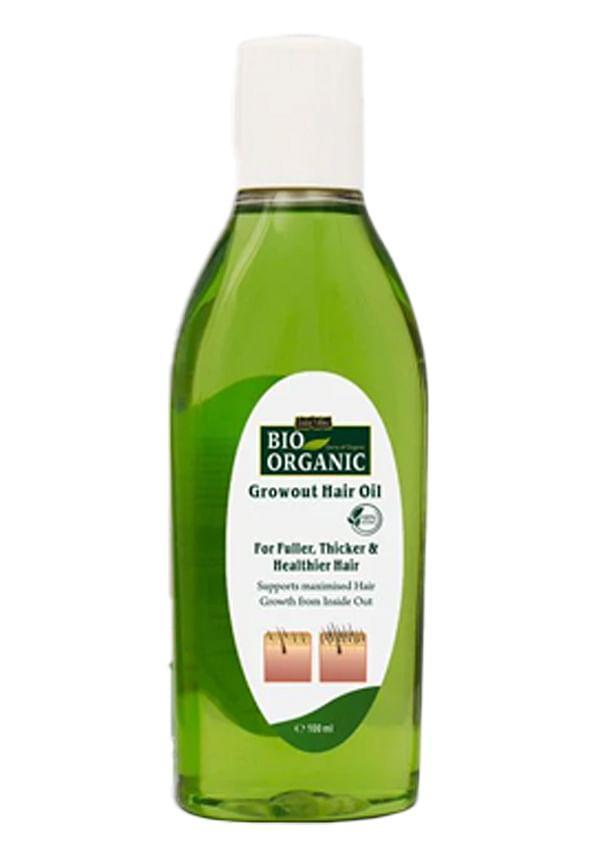
Bio Organic Growout Hair Oil
Very Good Oil
5“very good oil.... I liked it...”
Very Good Oil
5“very good oil.... I liked it...”
Very Good Oil
5“very good oil.... I liked it...”
Take photos from the same angles in the same lighting every month. Measure your hair length at specific points to track growth accurately. Keep a simple diary noting which treatments you're using and any changes you notice.
Don't expect overnight miracles. Most people start noticing improvements in hair texture and scalp health within 4-6 weeks. Significant length and thickness changes typically take 3-6 months of consistent care.
This is where platforms like Smytten come in handy—you can try different haircare products in mini sizes before committing to full-size purchases, making it easier to find what works for your specific hair needs without the guesswork.
Most people notice improvements in hair texture and scalp health within 4-6 weeks of consistent care. Visible length growth typically takes 3-6 months, as hair grows approximately 0.5 inches per month naturally.
While you can't dramatically change your genetic growth rate, natural hair growth methods can optimise your hair's health and potentially speed up growth by creating ideal conditions for your follicles to thrive.
2-3 times per week is ideal for most hair types. Over-oiling can clog follicles and attract dirt, while under-oiling won't provide enough nourishment for optimal growth.
Yes, most natural oils and treatments are safe for overnight use. However, always do a patch test first, especially with essential oils, and use a silk scarf or old pillowcase to protect your bedding.
Hair growth refers to new hair emerging from follicles, while retention means keeping the hair you already have from breaking. Both are equally important for achieving longer, healthier hair.
Absolutely. Chronic stress can push hair follicles into the resting phase prematurely, leading to increased shedding and slower growth. Managing stress through exercise, meditation, or other relaxation techniques can support healthy hair growth.
Growing beautiful, healthy hair naturally doesn't require expensive treatments or miracle products—just patience, consistency, and the right approach. These hair growth tips at home work because they address the root causes of slow growth and hair damage, from poor scalp health to nutritional deficiencies.
Remember, everyone's hair is different, so what works for your friend might not work exactly the same way for you. Start with the basics—gentle scalp massage, proper nutrition, and protective styling—then gradually add treatments that appeal to you. The key is finding a routine you can stick with long-term.
As you explore different products and treatments, platforms like Smytten make it easier to discover what works for your unique hair needs. With access to trial-sized products from trusted brands, you can experiment with different formulations and ingredients without committing to full-size purchases. After all, why settle for 'maybe' when you can try it all and find your perfect hair growth routine?
