How to Avoid Common Hair Oiling Mistakes Today

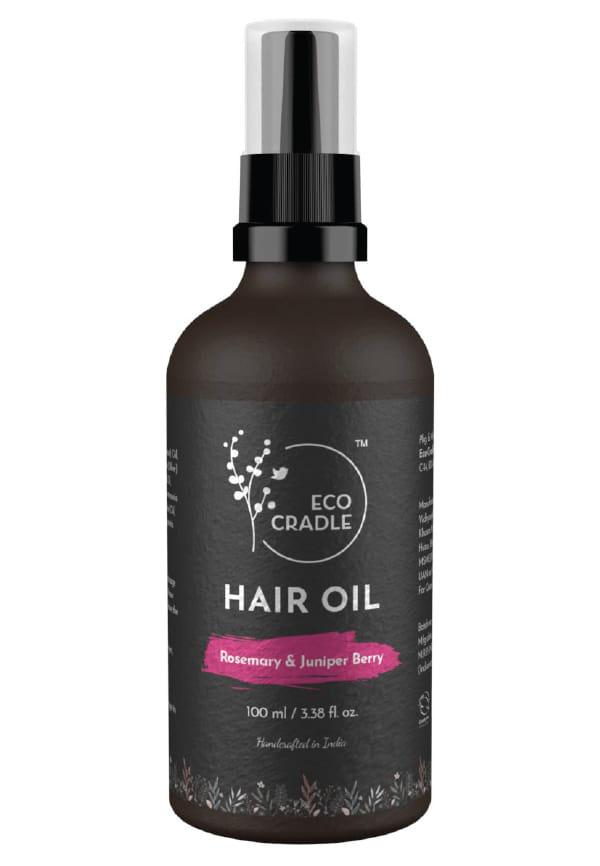
Hair Oil
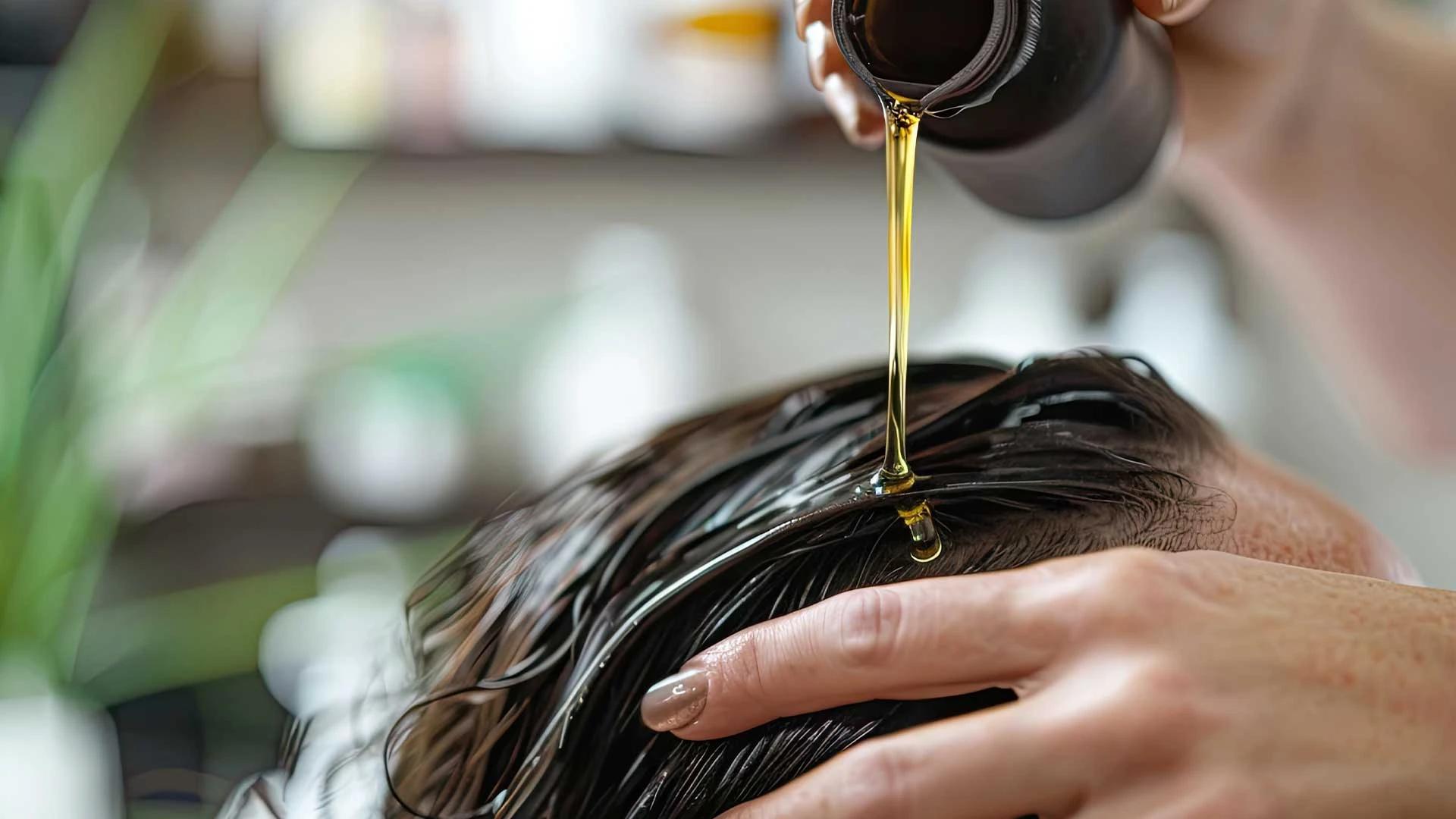
Let's be real—hair oiling sounds simple enough, right? Slap some oil on your hair, massage it in, and voilà, gorgeous locks await. But here's the thing: most of us are making hair oiling mistakes that could be doing more harm than good. From using the wrong oils to overdoing the massage, these slip-ups can lead to greasy roots, clogged follicles, and even hair breakage. The good news? Once you know what to avoid, creating a proper hair oiling routine becomes your secret weapon for healthier, stronger hair. Ready to ditch the guesswork and get it right?
Here's the science bit that'll make you rethink everything: hair oiling benefits are real, but only when done correctly. Your hair shaft is made up of overlapping cuticles, and the right oil can smooth these down, reduce friction, and lock in moisture. But mess up the technique, and you're looking at product buildup, scalp irritation, and weakened hair strands.
Studies show that improper oiling practices contribute to nearly 40% of hair breakage cases in people who regularly oil their hair. The culprits? Too much pressure during scalp massage, using oils that don't suit your hair type, and applying oil to already oily or dirty hair. These mistakes don't just waste your time—they can actually set back your hair breakage prevention efforts and leave you wondering why your hair isn't getting any healthier despite your best intentions.
Time to call out the biggest offenders that might be sabotaging your hair goals. These mistakes are surprisingly common, but once you spot them, they're easy to fix.
Not all oils are created equal, and what works for your mate might be a disaster for your hair. The best oils for hair depend entirely on your hair's porosity, thickness, and current condition.
For fine or oily hair, lightweight oils like argan, jojoba, or grapeseed work brilliantly without weighing your strands down. Got thick, coarse, or chemically treated hair? Heavier oils like coconut, olive, or castor oil can provide the deep nourishment you need. Dry or damaged hair loves oils rich in fatty acids—think avocado oil or sweet almond oil.
Here's a quick test: apply a small amount of oil to a hidden section of hair. If it absorbs quickly and leaves your hair soft, you've found your match. If it sits on top looking greasy, try something lighter.
This one's a game-changer that most people get wrong. Applying oil to dirty hair means you're just sealing in all that buildup, sweat, and grime. Not exactly the fresh start your hair needs, right?
The sweet spot? Clean, slightly damp hair. Wash your hair first, gently towel-dry until it's about 70% dry, then apply your oil. The slight dampness helps the oil distribute evenly and penetrate better, while the clean base ensures you're actually nourishing your hair, not just coating dirt.
Here's where most hair oil application tips go wrong: people either dump oil all over their hair or focus only on the ends. Both approaches miss the mark.
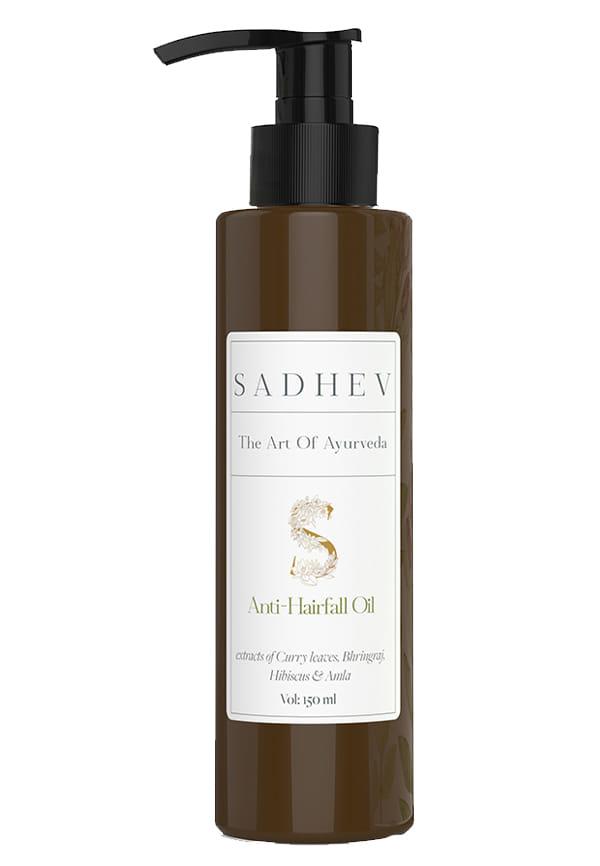
Anti-Hairfall Oil
Start with your scalp—that's where the magic happens. Use your fingertips to apply oil in small sections, working from the roots outward. For shoulder-length hair, you'll need about a tablespoon of oil total. Longer hair might need a bit more, but less is always more when you're starting out.
Work the oil through your hair in sections, paying extra attention to the mid-lengths and ends where damage typically shows up first. Skip the very roots if you have oily hair—focus on the scalp itself instead.
We get it—you want to really work that oil in. But aggressive rubbing or using your nails can actually damage your scalp and hair follicles. Proper scalp massage techniques are gentle but effective.
Use the pads of your fingers, not your nails, and work in small, circular motions. Apply just enough pressure to move the scalp slightly—you should feel relaxed, not like you're scrubbing a pan. Spend about 5-10 minutes on the massage, focusing on areas that feel tense or where you want to boost circulation.
Now that we've sorted out the don'ts, let's talk about building a hair oiling routine that actually works for your lifestyle and hair needs. The key is consistency, not perfection.
The million-pound question: how often should you oil your hair? The answer depends on your hair type, lifestyle, and goals. Oiling frequency for hair isn't one-size-fits-all, and that's perfectly fine.
If you have dry or damaged hair, twice a week might be your sweet spot. Normal hair usually does well with once-a-week sessions, while oily hair might only need oiling every 10-14 days. Pay attention to how your hair feels and looks—if it's getting greasy quickly, dial back the frequency. If it still feels dry and brittle, you might need to oil more often or switch to a more nourishing oil.
When you oil matters almost as much as how you oil. Overnight treatments are brilliant for deep conditioning, but they're not always practical. Pre-wash oiling (1-2 hours before shampooing) gives you most of the benefits without the hassle of sleeping on oily hair.
For busy schedules, try oiling on Sunday evenings before your Monday wash day. This gives the oil time to work its magic while fitting into your weekly routine. Some people love a quick 30-minute oil treatment before their regular wash—experiment to see what works for your schedule.
Ready to level up your oiling game? These targeted approaches can help address specific hair and scalp issues that generic advice often misses.
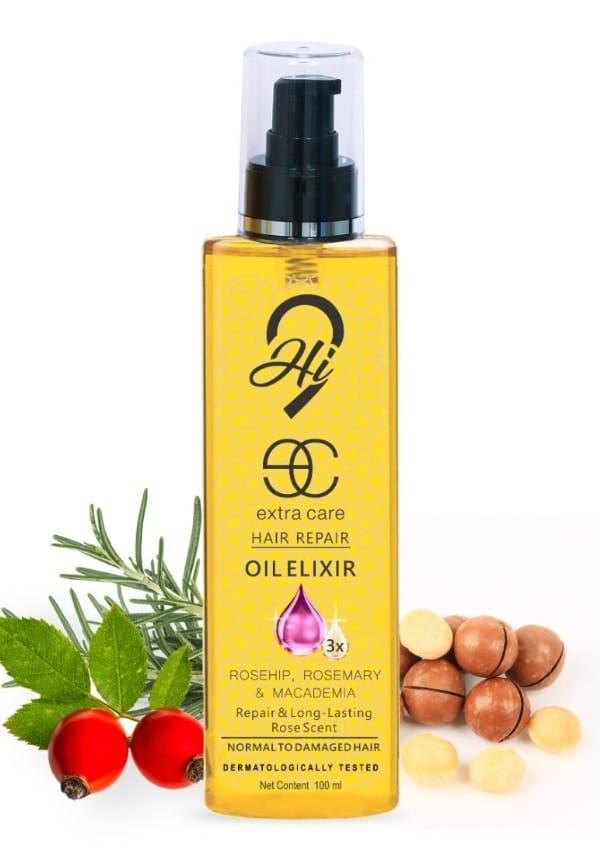
Oil Elixir
If you're dealing with a dry, flaky scalp, your oiling technique needs to be more strategic. Dry scalp treatment through oiling focuses on moisture retention and gentle exfoliation.
Mix your chosen oil with a few drops of tea tree oil for its anti-inflammatory properties, or try oils naturally rich in vitamin E like wheat germ oil. Apply the oil to your scalp in sections, then use a soft-bristled brush to gently distribute it and remove any flaky buildup. The key is being gentle—aggressive scrubbing will only irritate your scalp further.
While oil alone won't transform you into Rapunzel overnight, proper oiling can support your hair growth tips routine by improving scalp health and reducing breakage.
Focus on oils that boost circulation—rosemary oil mixed with a carrier oil like jojoba has shown promising results in studies. The massage technique matters here too: use firm but gentle pressure in circular motions, spending extra time on areas where you want to encourage growth. Remember, healthy hair growth happens at the scalp level, so that's where your attention should be.
The best natural hair care routine is one you'll actually stick to. That means finding the right balance between effectiveness and practicality for your lifestyle.
Your oiling routine shouldn't exist in isolation—it needs to work with your washing schedule, styling routine, and other hair treatments. If you wash your hair twice a week, plan your oiling sessions accordingly. Using heat styling tools? Oil can provide some protection, but apply it sparingly to avoid weighing your hair down.
Consider your hair's current condition too. If you're using chemical treatments like relaxers or colour, you might need to adjust your oiling frequency and oil choice. When in doubt, start slowly and build up gradually.
Even with the best intentions, sometimes things don't go to plan. If your hair feels greasy after oiling, you might be using too much product or not washing it out thoroughly enough. If you're experiencing increased hair fall, check that you're not being too aggressive with your massage technique.
Remember, it can take 4-6 weeks to see real changes in your hair's condition, so don't give up if you don't see immediate results. Your hair has a memory, and it takes time to undo previous damage and establish new, healthier patterns.
Finding the right products for your hair oiling routine doesn't have to involve expensive trial and error. Smytten connects you with over 1,500 trusted beauty and wellness brands, offering curated trial packs that let you explore different hair oils and treatments before committing to full-size purchases. With trial minis available across haircare categories, you can discover what works for your specific hair type and concerns without the financial risk.
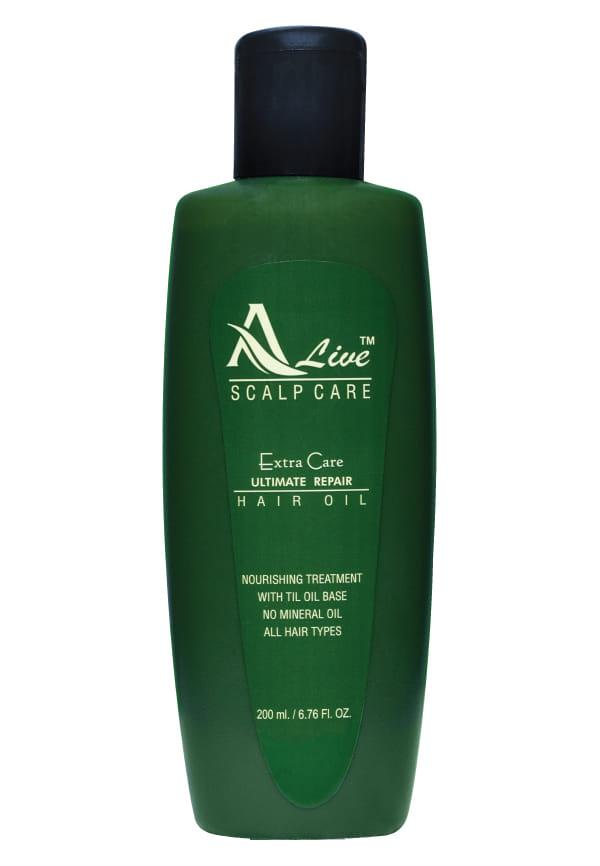
Scalp Care Hair Oil
Most hair types benefit from oiling 1-2 times per week. Dry or damaged hair might need twice weekly sessions, while oily hair should stick to once every 10-14 days. Listen to your hair—if it feels greasy quickly, reduce frequency.
Daily oiling isn't recommended for most people as it can lead to product buildup, clogged follicles, and greasy-looking hair. Stick to 1-2 times per week unless you have extremely dry or damaged hair that needs extra attention.
Using too much oil is the most common beginner mistake. Start with a small amount—about a teaspoon for short hair, a tablespoon for longer hair—and build up if needed. It's easier to add more than to deal with greasy, weighed-down hair.
Signs of over-oiling include hair that looks greasy even after washing, increased hair fall during washing, and oil that doesn't absorb into your hair within 30 minutes of application. Scale back the amount and frequency if you notice these issues.
Oil before washing for deep conditioning benefits. Apply oil to clean, slightly damp hair 1-2 hours before shampooing, or leave it on overnight for intensive treatment. Avoid oiling freshly washed hair as it can weigh it down.
Aggressive massaging, using oils you're allergic to, or applying oil to already damaged hair can contribute to hair breakage and loss. Always be gentle, patch test new oils, and stop if you experience increased shedding.
Getting your hair oiling routine right isn't rocket science, but it does require attention to detail and patience. The most important thing to remember? Your hair is unique, and what works for others might not work for you. Start with the basics—choose the right oil for your hair type, apply it to clean hair, use gentle massage techniques, and don't overdo the frequency.
The journey to healthier hair through proper oiling takes time, but the results are worth it. With platforms like Smytten making it easier to try different products without the commitment, you can experiment with various oils and find your perfect match. After all, why settle for 'maybe' when you can discover what truly works for your hair?
