How to Apply Black Hair Dye Safely at Home: A Beginner's Guide

Picture this: you're scrolling through your feed, and every other post features someone with gorgeous, glossy black hair that looks like it belongs in a shampoo advert. You catch a glimpse of yourself in your phone's camera and think, "Right, time for a change." Black hair dye seems like the perfect solution—dramatic, chic, and totally doable at home. But here's the thing: diving into DIY black hair color without proper prep is like trying to bake a soufflé without reading the recipe first. It might work out, but chances are you'll end up with a bit of a mess. Let's walk through how to apply black hair color safely at home, so you can get that salon-worthy look without the salon price tag or the potential hair disasters.
Real talk—preparation is everything when it comes to coloring your hair black at home. Think of it as the foundation that determines whether you'll end up with Instagram-worthy results or a cautionary tale for your group chat. The good news? Most of the prep work is straightforward, but skipping these steps is where things can go sideways quickly.
This might feel like the most boring part of the whole process, but trust us on this one. A patch test is your safety net against allergic reactions that could turn your hair transformation into a proper nightmare. Mix a tiny bit of the dye according to the instructions and apply it to a small area behind your ear or on your inner elbow. Leave it for 48 hours and watch for any redness, itching, or swelling. If your skin stays happy, you're good to go. If not, it's time to find a different product or chat with a professional.
Before you even think about opening that dye box, take a proper look at your hair's current state. Is it feeling dry, brittle, or damaged from previous treatments? If your hair is already struggling, adding chemical dye to the mix might push it over the edge. Ideally, you want to start with hair that's in decent condition. Also, here's a pro tip that might sound counterintuitive: don't wash your hair 24-48 hours before coloring. Your scalp's natural oils act as a protective barrier during the dyeing process.
Nothing's worse than getting halfway through the process and realising you're missing something crucial. Here's what you'll need: plastic gloves (the ones that come with the kit plus extras), an old towel you don't mind staining, petroleum jelly to protect your hairline, a wide-tooth comb for sectioning, clips to keep hair organised, and a timer. Set up in a well-ventilated area with good lighting—your bathroom mirror under harsh fluorescent lights isn't doing you any favours.
Not all black hair dyes are created equal, and picking the wrong one for your hair type is like wearing the wrong size shoes—technically possible, but you'll regret it later. The key is understanding what you're working with and what you want to achieve.
Permanent black hair dye is your go-to if you want long-lasting results that'll grow out with your hair rather than fade. These typically contain ammonia and peroxide, which lift your natural color and deposit the new black pigment. Semi-permanent options are gentler and gradually fade over 6-8 weeks, making them perfect if you're not ready for a full commitment. For those with sensitive scalps, ammonia-free formulations offer a gentler approach, though they might not be as long-lasting or vibrant.
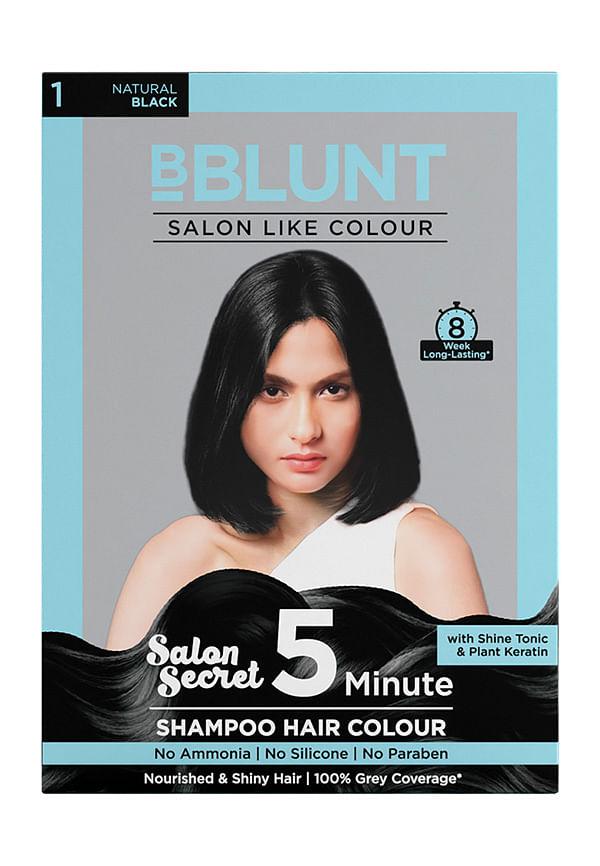
Natural Black 5 Minute Shampoo Hair Colour for 100% Grey Coverage
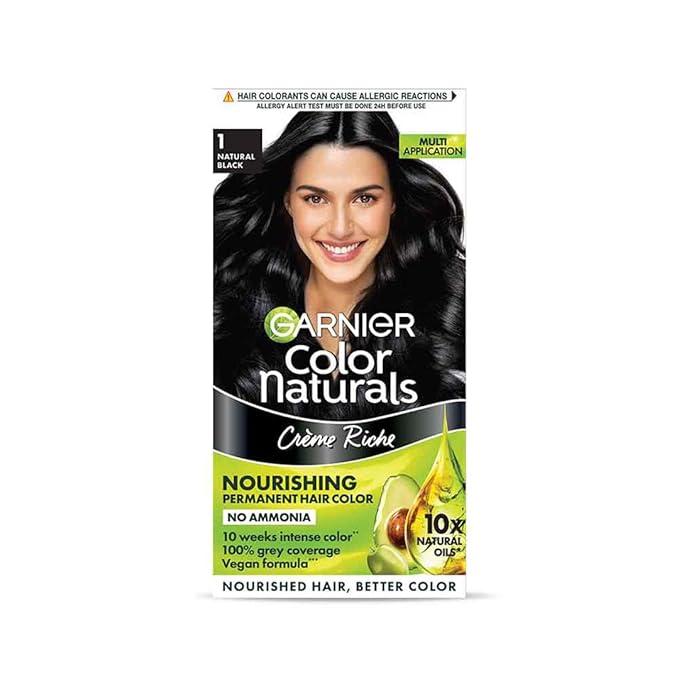
If you're starting with light to medium brown hair, most black dyes will give you the dramatic change you're after. The Garnier Color Naturals Crème Hair Color Shade 1 Natural Black offers excellent coverage and a rich, natural-looking black that works beautifully on brown hair, providing long-lasting color with a nourishing crème formula that leaves hair feeling soft and manageable. However, if your hair is already colored, especially if it's been lightened or has red tones, the results might be unpredictable. Previously bleached hair often grabs color differently, and you might end up with an uneven result.
Right, this is where the magic happens. Take your time with this bit—rushing through the application is usually where things go wrong, and you definitely don't want patchy results that scream "DIY gone wrong."
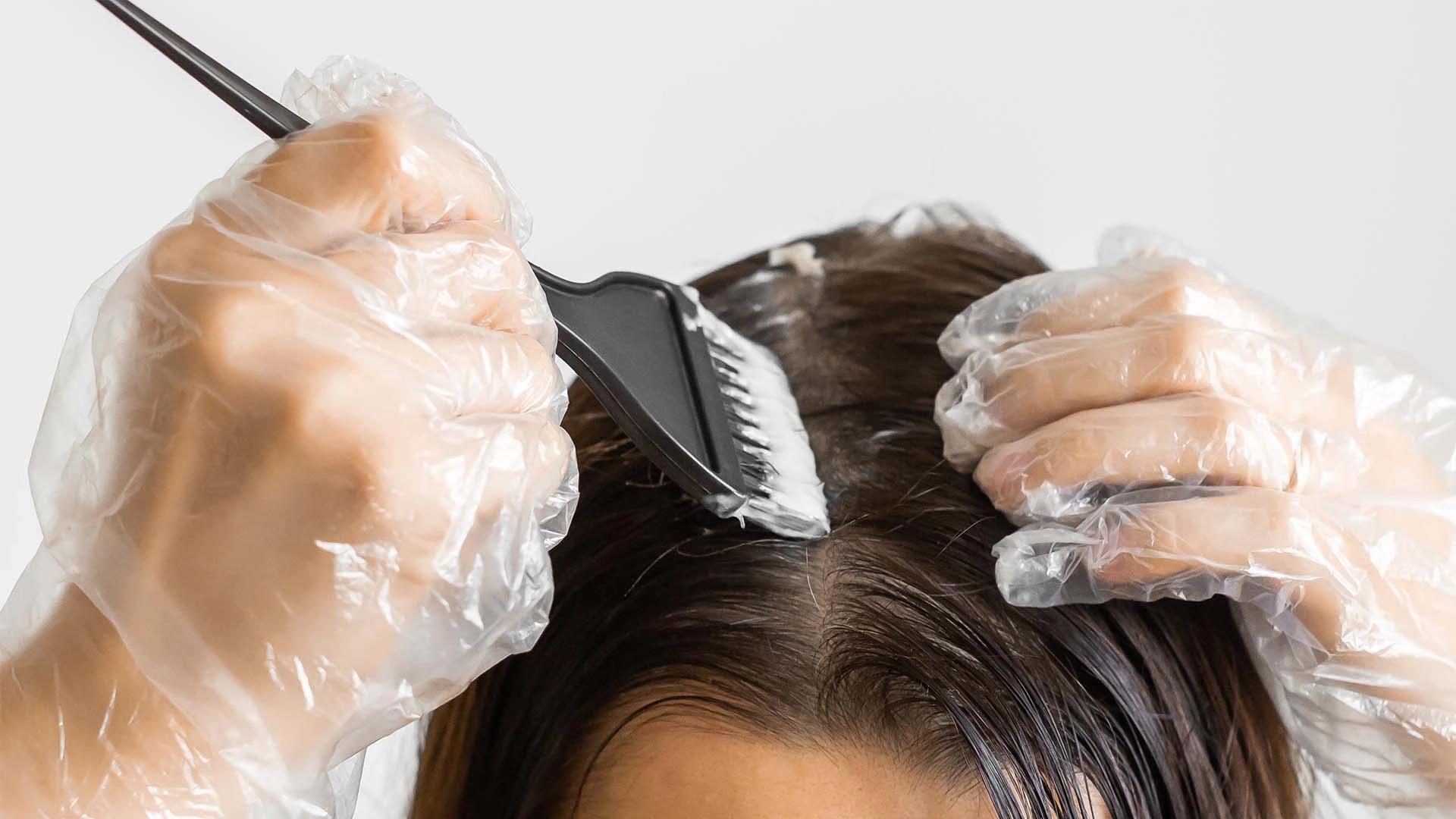
Start by applying a thin layer of petroleum jelly around your hairline, ears, and the back of your neck. This creates a barrier that prevents the dye from staining your skin. Section your hair into four quadrants using clips—this makes the application process much more manageable and ensures you don't miss any spots. Mix your dye according to the package instructions, and once it's mixed, you've got a limited working time, so don't faff about.
Begin at the roots where your natural color is most resistant, working in 1-inch sections from the back of your head forward. Apply the dye generously—being stingy with product is a common mistake that leads to patchy coverage. Use the applicator brush or your gloved hands to work the color through each section, making sure every strand is saturated. The key is being methodical rather than fast. Work through one quadrant completely before moving to the next.
Once you've covered all your hair, set a timer according to the package instructions—usually 25-45 minutes for most black dyes. Resist the urge to check constantly, but do keep an eye out for any unusual sensations like burning or excessive itching, which could indicate a reaction. About 10 minutes before the timer goes off, gently wipe a small section clean with a damp cotton pad to check the color development.
Congratulations—you've successfully applied black hair dye at home! But the job isn't quite finished yet. How you care for your newly colored hair in the next few days will determine how long your color lasts and how healthy your hair stays.
Rinse your hair with cool water until the water runs clear—this might take longer than you expect, so be patient. Follow up with the conditioner that came with your dye kit, as it's specifically formulated to seal the color and add moisture back to your hair. Avoid shampooing for at least 48 hours after coloring to give the color molecules time to fully settle into your hair shaft.
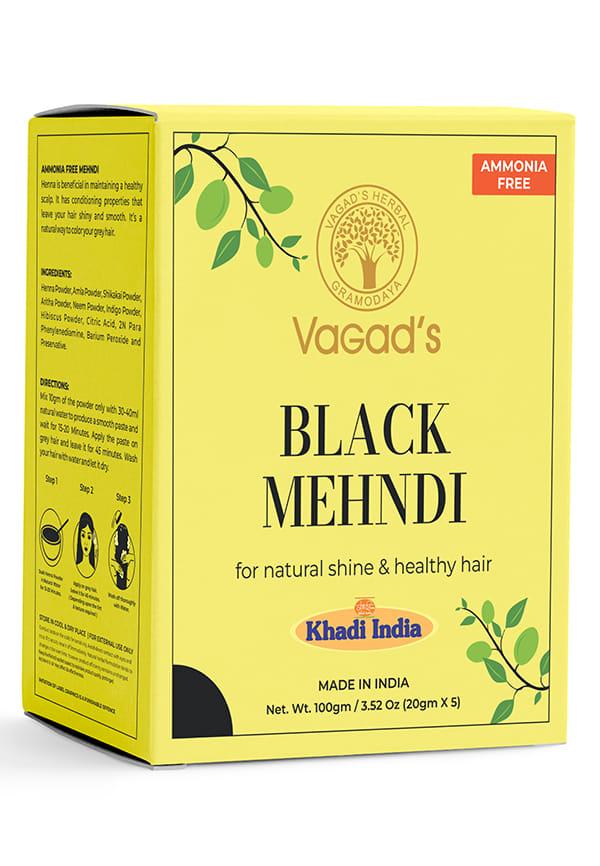
Black Mehndi
Switch to color-safe shampoos and conditioners that are sulfate-free—harsh sulfates can strip your new black color faster than you'd like. Wash your hair less frequently if possible, and when you do wash, use cool water rather than hot, as heat opens the hair cuticle and allows color to escape. Deep conditioning treatments once a week will keep your hair healthy and your black color looking rich and vibrant.
Even with the best preparation and technique, sometimes things don't go exactly to plan. The good news is that most common issues with black hair dye can be sorted without too much drama.
If you've got patches that didn't take the color properly, don't panic. Wait at least a week before attempting any corrections to give your hair a break. For small missed spots, you can carefully apply dye just to those areas using a small brush or cotton swab. For larger uneven areas, it might be worth consulting a professional colorist who can assess the situation and recommend the best course of action.
Sometimes black dye can turn out darker than expected, especially on porous or previously lightened hair. Clarifying shampoos can help fade the color slightly over the first few washes. You can also try washing with a mixture of baking soda and shampoo, but be gentle—this method can be drying. If the color is dramatically darker than you wanted, professional color correction might be your best bet.
While DIY black hair color is generally safe when done properly, there are certain situations where it's better to skip the at-home approach and head to a professional instead.
If you have any scalp conditions like eczema, psoriasis, or open cuts, it's best to wait until your scalp has healed before coloring. Some medications can also affect how your hair processes color, so if you're on any new medications, it's worth checking with your doctor first. Pregnancy is another consideration—while many hair dyes are considered safe during pregnancy, some people prefer to wait until after the first trimester or avoid chemical dyes altogether.
If your hair has been heavily processed, bleached multiple times, or if you're trying to correct a previous color disaster, a professional colorist will have access to products and techniques that aren't available for home use. They can also assess your hair's condition and recommend treatments to get it healthy before attempting any color changes.

Henna Natural - Black
You should wait at least 4-6 weeks between permanent hair coloring sessions to give your hair time to recover. If you're just touching up roots, you can do this every 3-4 weeks, but avoid overlapping onto previously colored hair.
Yes, but the results depend on your current color. If your hair is lighter than black, the dye should take well. However, if you have red or orange tones, you might need a color-correcting step first to avoid muddy results.
If you experience itching, burning, swelling, or rash during or after coloring, rinse the dye out immediately with cool water and seek medical attention if symptoms persist or worsen.
Apply petroleum jelly around your hairline before starting, wear old clothes, and lay down old towels. Clean up any spills immediately with a damp cloth, as hair dye becomes harder to remove once it sets.
Many doctors consider hair dye safe during pregnancy, especially after the first trimester. However, some people prefer to use ammonia-free or natural alternatives, or wait until after pregnancy. Consult your healthcare provider for personalized advice.
Root touch-ups can typically be done every 3-4 weeks, depending on how fast your hair grows and how noticeable the regrowth is. Focus only on the new growth to avoid over-processing previously colored hair.
Applying black hair color safely at home is totally achievable with the right preparation, products, and patience. The key is taking your time, following instructions carefully, and not skipping the safety steps—even when they feel tedious. Remember, your hair's health should always come first, and there's no shame in seeking professional help if you're unsure about any step of the process.
If you're still deciding which black hair dye might work best for your hair type, Smytten offers trial-size versions of many hair coloring products from trusted brands. It's a brilliant way to test how your hair responds to different formulations before committing to a full-size product—because let's be honest, finding your perfect shade sometimes takes a bit of experimentation.
