How to Achieve Salon-Smooth Hair with a Hair Smoothing Cream

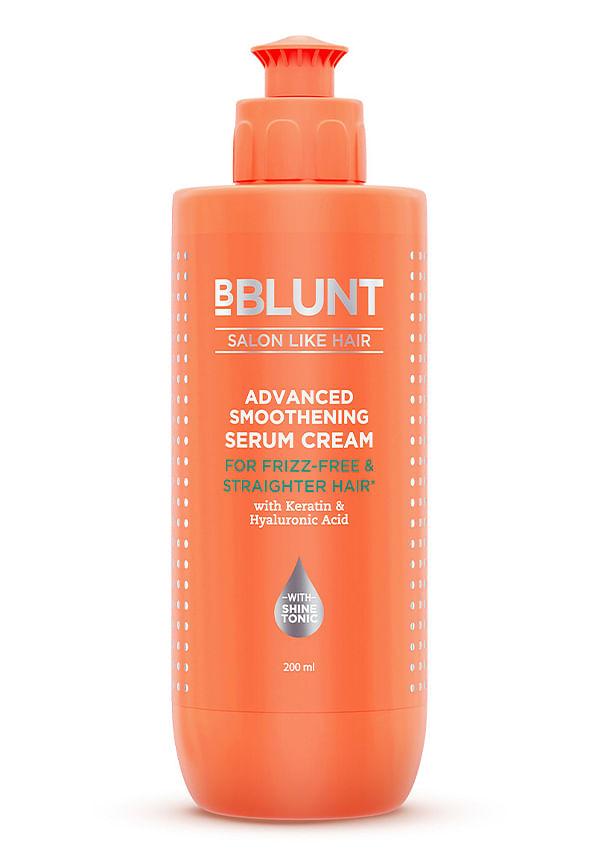
Advanced Smoothening Serum Cream with Keratin & Hyaluronic Acid
Best Product Ever
 5
5“best product I ever used.very nice”
Smoothes, Frizz-Free, Adds Shine
5“smoothen frizz free add shine”
Smoothes, Frizz-Free, Adds Shine
5“smoothen frizz free add shine”
Bad hair days feel like they're plotting against you, don't they? One minute your hair looks decent, the next it's giving you that wild, untamed look that no amount of brushing seems to fix. If you're tired of battling frizz and dreaming of those silky, salon-smooth strands you see on Instagram, a hair smoothing cream might just be your new best friend. These magical little products promise to transform your mane from chaotic to chic, and honestly, they're worth getting excited about. Let's dive into everything you need to know about achieving that coveted smooth hair look without breaking the bank or spending hours in a salon chair.
Real talk—hair smoothing cream isn't just fancy marketing speak. It's actually a pretty clever bit of science packed into a tube. These creams work by coating your hair shaft with smoothing agents that fill in the tiny gaps and rough spots on damaged hair cuticles. Think of it like putting a silk pillowcase over a bumpy mattress—suddenly everything feels way smoother.
The magic happens when ingredients like silicones, keratin proteins, and amino acids get to work. They create a protective barrier that locks out humidity (your frizz's best mate) whilst sealing in moisture. Some formulas include heat-activated polymers that literally reshape your hair's structure when you style it, giving you that sleek finish that lasts.
Not all hair smoothing treatments are created equal. Temporary formulas wash out after your next shampoo session, whilst semi-permanent options can keep your hair looking smooth for weeks. The key is finding what works with your lifestyle and hair goals.
Look out for keratin (rebuilds damaged hair), argan oil (adds moisture without weighing hair down), and dimethicone (creates that slip-and-slide smoothness). These aren't just fancy names—they're the workhorses that make your hair behave.
Before you grab the first hair smoothing cream you see, let's figure out what your hair actually needs. Not all frizz is the same, and different hair types respond differently to various formulas. Getting this right means the difference between gorgeous, smooth hair and a sticky, weighed-down mess.
Start by examining your hair texture. Fine hair needs lightweight formulas that won't create buildup, whilst thick, coarse hair can handle richer, more intensive treatments. If your hair feels rough to the touch, you're dealing with damaged cuticles that need repair-focused ingredients.
Humidity frizz: Your hair puffs up the moment you step outside. Look for hair anti-humidity formula products that create a moisture barrier.
Damage frizz: Caused by heat styling, chemical treatments, or environmental stress. You need protein-rich formulas that rebuild hair structure.
Natural texture frizz: Your hair's just naturally textured. A hair taming cream that enhances rather than fights your natural pattern works best.
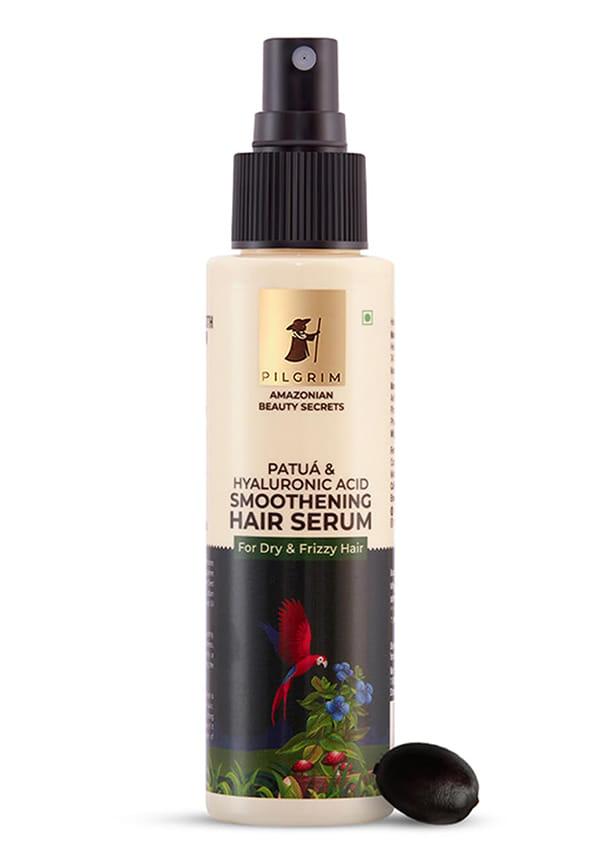
Patuá & Hyaluronic Acid Smoothing Hair Serum
Effective and Very Nice
4“U can buy it it's effective Veryyyyy nice”
Effective and Very Nice
4“U can buy it it's effective Veryyyyy nice”
Effective and Very Nice
4“U can buy it it's effective Veryyyyy nice”
High-porosity hair soaks up products quickly but also loses moisture fast. Low-porosity hair repels products but holds onto whatever does get in. Knowing which camp you're in helps you choose the right hair smoothing treatment intensity.
Here's where the magic happens—or where it all goes wrong if you're not careful. Proper application is everything when it comes to hair smoothing cream. It's not just about slapping product on wet hair and hoping for the best.
Start with freshly washed hair using a clarifying shampoo to remove any buildup. Your hair should be damp, not soaking wet—excess water dilutes the product and makes it less effective.
Section your hair into manageable pieces—about six to eight sections work for most people. Apply the hair smoothing cream from mid-length to ends, avoiding your roots unless the product specifically says it's safe for scalp application. Work it through evenly with your fingers or a wide-tooth comb.
If your smoothing cream is heat-activated, blow-dry using a paddle brush, pulling hair taut as you dry. Follow up with a flat iron on low to medium heat if needed. The hair serum for smoothness effect kicks in when heat activates those smoothing polymers.
Don't use too much product—a little goes a long way. Avoid applying to soaking wet hair, and never skip the heat protectant if you're using styling tools. These simple slip-ups can turn your smooth hair dreams into a greasy nightmare.
Let's be honest about what hair smoothing cream can actually do for you. It's not going to completely change your hair type, but it can make your daily routine so much easier and your hair look significantly better.
The biggest win is frizz control. A good hair frizz control formula can cut your styling time in half and keep your hair looking polished all day. Plus, most smoothing creams double as heat protectants, so you're actually doing your hair a favour whilst making it look gorgeous.
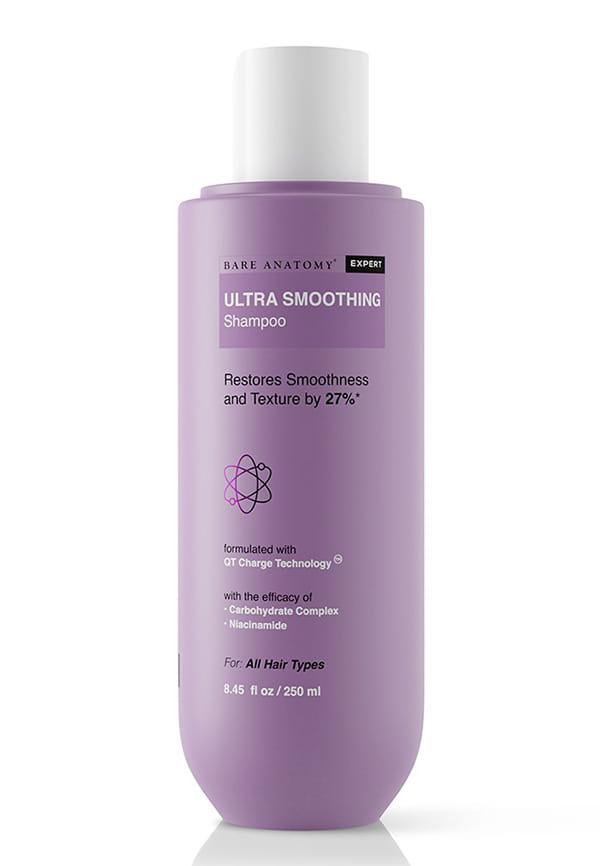
Expert Ultra Smoothing Shampoo To Restore Smoothness
Nice shampoo, use with mask
4“n8ce shampoo but use it with mask”
Excellent Product
5“Best product ever used. Thanksss”
Positive Brand Impression
5“I just love the brand it's cool”
Hair smoothing creams often contain nourishing ingredients that add moisture without weighing hair down. The result? Natural-looking shine that doesn't look greasy or artificial. It's that healthy hair glow everyone's after.
Smooth hair is easier to style in any direction. Whether you want sleek straight hair, loose waves, or an updo, starting with a hair silkening cream as your base makes everything more manageable.
The eternal question—salon or DIY? Both have their place, and honestly, it often comes down to your budget, time, and how much maintenance you're willing to commit to.
Professional treatments like keratin smoothing can last months and dramatically reduce your daily styling time. But they're pricey, time-consuming, and often involve formaldehyde-based chemicals that some people prefer to avoid. At-home options give you more control and are budget-friendly, but they require more frequent application.
If your hair is seriously damaged, extremely thick, or you want long-lasting results, a salon treatment might be worth the investment. Professional stylists can also customise the treatment to your specific hair type and concerns.
For at-home treatments, consistency is key. Regular use of a quality hair smoothing treatment builds up better results over time. Start with less product than you think you need—you can always add more.
Getting smooth hair is one thing; keeping it that way is another. Your post-smoothing routine matters just as much as the initial treatment. The right maintenance can extend your results and keep your hair healthy long-term.
Switch to sulphate-free shampoos that won't strip your smoothing treatment. Use a hair sleekening lotion or hair softening formula weekly to refresh the smoothing effects between treatments. And please, don't skip the deep conditioning—smooth hair still needs moisture to stay healthy.
Sleep on silk or satin pillowcases to reduce friction. Use a hair glossing product once a week to maintain shine. And when you're swimming or spending time in humid weather, apply a small amount of smoothing cream as a protective barrier.
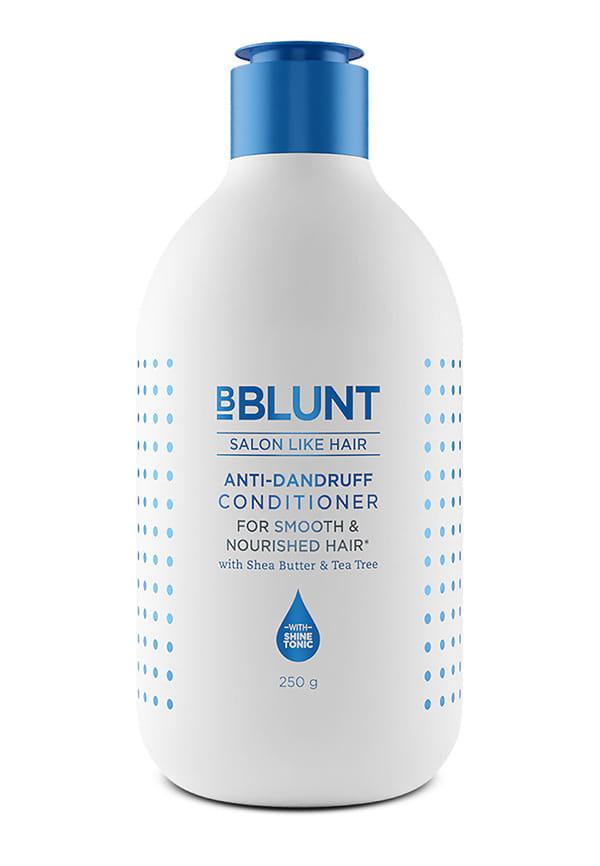
Anti-Dandruff Conditioner For Smooth & Nourished Hair
Good but not revolutionary conditioner
5“nice brand of conditioner but it does not work to me any different I didn't say that but I use it it's actually good but not to good”
Super Texture, Loved It
5“super texture.. I love it.. superb”
Makes hair smooth and manageable
4“nice names hair smooth manageable”
Even the gentlest smoothing treatments can build up over time. Give your hair a clarifying treatment every few weeks, and consider taking a break from smoothing products occasionally to let your hair breathe.
Smytten makes discovering the perfect hair smoothing cream much easier. With trial packs from over 1,500 trusted brands, you can experiment with different formulas without committing to full-size products. This approach lets you find what actually works for your hair type before investing in larger quantities.
Most modern smoothing creams are formulated to be gentle enough for regular use on all hair types. However, if you have chemically treated or very damaged hair, patch test first and consider consulting a professional.
At-home smoothing creams usually last until your next wash, whilst some semi-permanent formulas can provide benefits for 2-4 weeks. Professional treatments can last 3-6 months depending on your hair type and aftercare routine.
Absolutely! Hair smoothing cream works the same way regardless of gender. Men with longer hair or those dealing with frizz and unruly texture can benefit just as much from these products.
Smoothing creams focus on reducing frizz and adding shine whilst maintaining some natural texture. Hair straightening cream typically contains stronger ingredients designed to alter your hair's structure more dramatically for stick-straight results.
Achieving salon-smooth hair at home isn't just possible—it's actually pretty straightforward once you understand your hair and choose the right products. The key is finding a hair smoothing cream that works with your specific hair type and lifestyle, then using it consistently and correctly.
Remember, smooth hair isn't about completely changing what you were born with. It's about enhancing your natural texture whilst making your daily routine easier and your hair healthier. Whether you opt for a simple leave-in treatment or a more intensive smoothing regimen, the goal is hair that looks and feels its best.
With platforms like Smytten, you can Try It All without the commitment. Their trial packs let you discover which smoothing formulas work best for your hair before you invest in full-size products. After all, why settle for 'maybe' when you can find the perfect match for your hair goals?
