How to Achieve Healthy Hair Ends: A Simple Guide


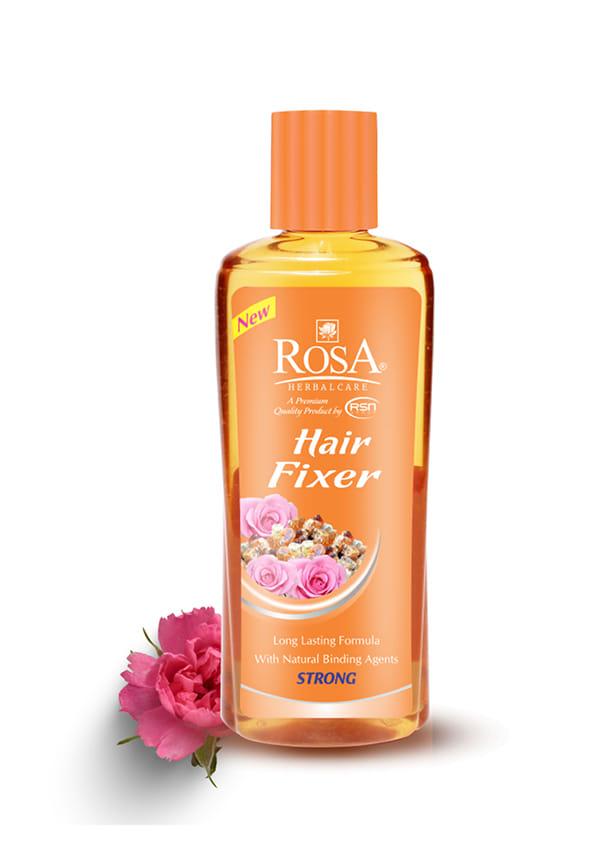
Hair Fixer strong with long lasting I For All skin I Natural & Herbal ingredients I For soft and smooth skin
Let's be real—healthy hair ends can feel like a myth when you're dealing with split ends, breakage, and that dreaded straw-like texture. Your hair might look gorgeous from the roots to mid-length, but those ends? They're telling a different story. The good news is that achieving healthy hair ends isn't rocket science, though it does require the right approach and a bit of patience. Whether you're battling years of heat damage, chemical processing aftermath, or just want to prevent future breakage, understanding how to achieve healthy hair ends starts with knowing what's actually happening to your hair. From hair end repair techniques that actually work to preventing split ends before they start, this guide covers everything you need to transform those damaged tips into the healthy, strong ends you've been dreaming of. Plus, with platforms like Smytten offering trial-sized haircare products, you can test different treatments without committing to full-size bottles—because finding your perfect hair end repair routine shouldn't break the bank.
TL;DR
Hair end damage happens due to heat styling, chemical processing, and mechanical stress—but it's totally preventable with the right care
Effective hair end repair involves protein treatments, deep conditioning, and proper hair cuticle sealing techniques
Preventing split ends requires gentle handling, heat protection, and regular moisturising routines
Natural remedies like oil treatments can strengthen hair tips and provide deep nourishment for dry hair ends
Consistent daily habits and weekly maintenance create lasting results for healthy hair ends
Your hair ends are the oldest part of your hair, which means they've been through the most. Think of them as the battle-worn veterans of your hair journey—they've survived countless wash days, styling sessions, and environmental stressors. Understanding why hair end damage happens is the first step in learning how to achieve healthy hair ends.
Heat styling is probably the biggest culprit behind damaged hair ends. Every time you blast your hair with a blow dryer, straightener, or curling iron without proper protection, you're essentially cooking the protein structure of your hair. The cuticles—those protective outer layers—start to lift and crack, leading to split end treatment needs down the line.
Chemical processing from colouring, perming, or relaxing treatments can also wreak havoc on your ends. These processes alter your hair's natural structure, making it more vulnerable to breakage. Even seemingly innocent activities like aggressive brushing, tight ponytails, or sleeping on rough pillowcases contribute to hair breakage solutions being necessary.
Spotting the early warning signs can save you from major damage. Look out for ends that feel rough or dry to the touch—healthy hair should feel smooth and slightly flexible. If your ends are snapping off easily or you're noticing white dots at the tips (those are split ends), it's time for some serious hair end repair.
Colour changes at the ends, like lighter or more faded sections, often indicate damage too. Your ends might also start looking frizzy or refuse to hold styles the way they used to.
Real talk—once your hair is split, you can't magically glue it back together. But you can definitely prevent further damage and improve the overall health of your ends with the right hair end repair approach. The key is understanding what your hair actually needs and giving it exactly that.
Your hair cuticle is like overlapping roof tiles that protect the inner layers of your hair. When these cuticles are damaged or lifted, your hair loses moisture and becomes vulnerable to further breakage. Hair cuticle sealing treatments work by smoothing these layers back down and filling in gaps.
Protein treatments are brilliant for this because they temporarily fill in the damaged areas of your hair shaft. Think of it like spackling holes in a wall—you're not fixing the original structure, but you're making it stronger and more resilient.
For quick results, focus on intensive conditioning treatments that can strengthen hair tips immediately. Look for products containing keratin, hydrolysed proteins, or ceramides—these ingredients can penetrate the hair shaft and provide structural support.
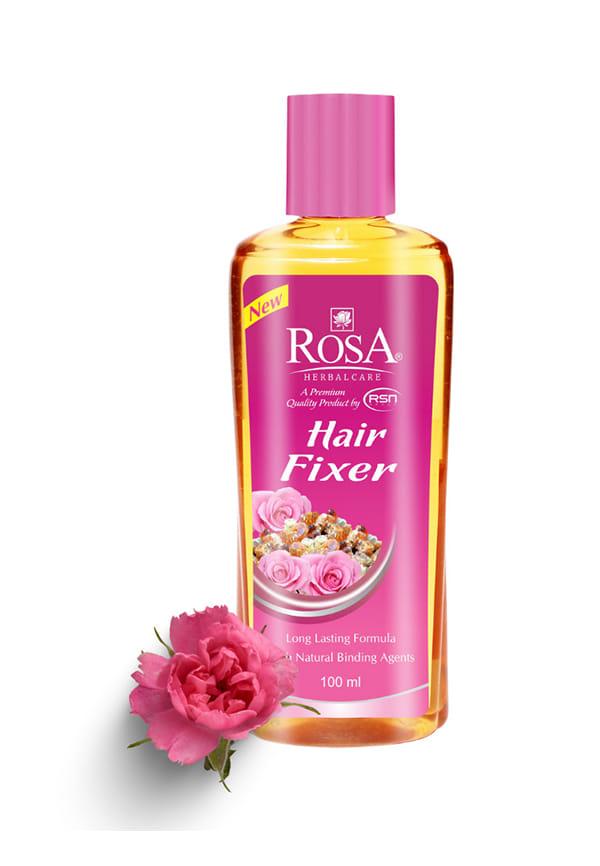
Hair Fixer with long lasting I For All skin I Natural & Herbal ingredients I For soft and smooth skin
Useful for Frizzy Hair
 4
4“useful gel for frizzy hair. thank you smytten”
Oil treatments are also game-changers for hair nourishment. Coconut oil, argan oil, and jojoba oil can all help seal the cuticle and add flexibility to brittle ends. Apply these oils to damp hair ends, leave for at least 30 minutes (or overnight for intensive treatment), then shampoo out thoroughly.
Prevention is always better than cure, especially when it comes to hair health. Building a solid defence system against split ends means changing some daily habits and being more mindful about how you treat your hair. The good news? Most of these changes are simple and don't require expensive products.
Your wet hair is at its most vulnerable, so this is when you need to be extra gentle. Always detangle from the ends up, using a wide-tooth comb or detangling brush. Start about 2-3 inches from your ends and work your way up gradually—this prevents you from dragging knots down to the ends and causing breakage.
When it comes to preventing split ends, your pillowcase matters more than you think. Swap cotton for silk or satin to reduce friction while you sleep. Or try the old-school method of wrapping your hair in a silk scarf before bed.
If you can't give up heat styling completely (and let's be honest, most of us can't), at least do it smartly. Always use a heat protectant—no exceptions. These products create a barrier between your hair and the heat, reducing damage significantly.
Keep your styling tools below 180°C and try to limit heat styling to 2-3 times per week maximum. On off days, embrace air-drying or try heatless styling methods like braiding damp hair for waves.
Dry hair ends are crying out for moisture, but not all moisturising methods are created equal. The trick is understanding what type of moisture your hair needs and when to apply it. Your ends need both water-based hydration and oil-based sealing to stay healthy and flexible.
Look for leave-in conditioners that contain humectants like glycerin or hyaluronic acid—these ingredients draw moisture from the environment into your hair. But here's the catch: you need to seal that moisture in with oils or butters, otherwise it'll just evaporate.
The LOC method (Leave-in, Oil, Cream) works brilliantly for most hair types. Apply a leave-in conditioner to damp ends, follow with a light oil, then seal with a cream or butter. This layering technique ensures your hair gets both hydration and protection.
Kitchen ingredients can be surprisingly effective for hair nourishment. A simple egg mask (just the yolk mixed with a tablespoon of olive oil) provides both protein and moisture. Apply to ends, leave for 20 minutes, then rinse with cool water.
For an overnight treatment, try mixing equal parts coconut oil and honey. The honey acts as a humectant while the coconut oil provides deep conditioning. Just make sure to protect your pillowcase with an old towel!
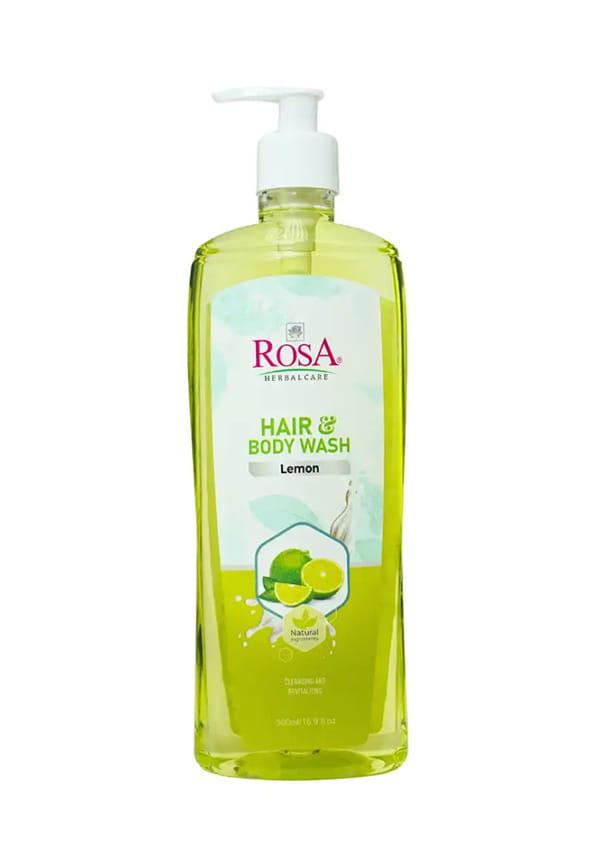
Lemon , Vitamin-E & Mix Fruit For Hair & Body Wash I Cleansing and Revitalizing
Sometimes you need to call in the professionals, and sometimes your bathroom cabinet has everything you need. Knowing when to DIY and when to book a salon appointment can save you time, money, and potentially more damage. Let's break down when each approach makes sense.
If your hair ends are severely damaged—think multiple splits going up the hair shaft or ends that break off constantly—it's time for professional intervention. A good stylist can assess the damage and recommend treatments like Olaplex or similar bond-building services that work at a molecular level.
Professional treatments often use higher concentrations of active ingredients and can provide more dramatic results in a single session. They're also worth considering if you've tried multiple at-home treatments without seeing improvement.
For mild to moderate damage, consistent at-home care can work wonders. Weekly deep conditioning treatments, monthly protein masks, and daily protective styling can gradually improve your hair's condition. The key is consistency—sporadic treatments won't give you the results you're after.
Create a schedule that works for your lifestyle. Maybe it's a 10-minute oil treatment every Sunday, or applying a leave-in conditioner every time you wash your hair. Small, regular actions add up to big improvements over time.
Building a routine that actually sticks is all about making it realistic for your lifestyle. You don't need to spend hours on your hair every day—just a few minutes of intentional care can make a massive difference. The best routine is one you'll actually follow consistently.
Start your day by applying a small amount of leave-in conditioner or hair oil to your ends—just a few drops will do. This creates a protective barrier for the day ahead. Before bed, give your ends a quick check and apply a tiny bit more oil if they're feeling dry.
Protect your hair while you sleep by loosely braiding it or using a silk scrunchie to create a low, loose ponytail. This prevents tangling and reduces friction against your pillow.
Once a week, treat your ends to a deep conditioning mask or oil treatment. Once a month, do a more intensive protein treatment if your hair needs strengthening. Every 6-8 weeks, get a small trim to remove any damaged ends before they can split further up the hair shaft.
Keep a hair diary to track what works and what doesn't. Note which products make your hair feel softer, which treatments seem to reduce breakage, and how your hair responds to different techniques.
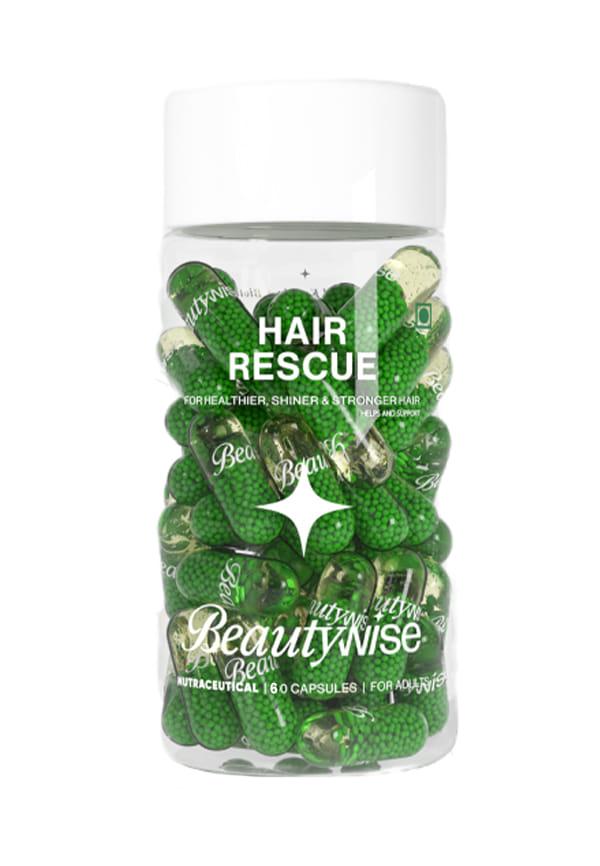
Hair Rescue, Hair Aminos, Vitamins, DHT Blocker for Hairfall Control & Growth
Good product, slow hair growth
4“good product but slow process of growth of hair”
Hair Improvement
5“my hair are improving day by day.”
Focus on three key areas: regular trimming every 6-8 weeks, consistent moisturising with leave-in conditioners and oils, and gentle handling to prevent further damage. Avoid heat styling when possible and always use protection when you do style with heat.
Prevention is key—use heat protectants, sleep on silk pillowcases, detangle gently from ends to roots, and keep your hair well-moisturised. Regular trims also prevent small splits from travelling up the hair shaft.
Heat damage from styling tools is the primary culprit, followed by chemical processing and mechanical damage from rough handling. Environmental factors like UV exposure and pollution also contribute to hair end damage.
While you can't repair existing damage overnight, you can start seeing improvements in texture and manageability within a few days of starting a proper hair care routine. Significant improvements typically take 4-6 weeks of consistent care.
Coconut oil, argan oil, and shea butter are excellent for sealing moisture. Aloe vera gel provides lightweight hydration, while honey acts as a natural humectant. Regular deep conditioning with these ingredients can significantly improve dry hair ends.
Every 6-8 weeks is ideal for most people, but this can vary based on your hair type and styling habits. If you use heat frequently or have chemically processed hair, you might need trims every 4-6 weeks. With Smytten's trial-sized hair treatments, you can test different products to help extend the time between trims by keeping your ends healthier for longer.
Achieving healthy hair ends isn't about finding one miracle product—it's about building consistent habits that protect and nourish your hair over time. Start with the basics: gentle handling, regular moisturising, and heat protection. Add in weekly treatments and monthly trims, and you'll start seeing real improvements in your hair's health and appearance.
Remember that your hair ends are the oldest part of your hair, so they need extra love and attention. Be patient with the process—healthy hair is a marathon, not a sprint. Focus on preventing new damage while gradually improving the condition of your existing hair.
Finding the right products for your hair end repair journey doesn't have to involve expensive guesswork. Smytten is India's largest product discovery and trial platform, connecting consumers with top lifestyle, beauty, wellness, and grooming brands. At its core, Smytten offers curated trial packs - mini-sized products from over 2,400 trusted brands such as Cetaphil, Dot & Key, True Elements, Oziva, Renee, Swiss Beauty Love, Beauty & Planet, WishCare, Carlton London and Bella Vita. This lets users explore and experience haircare products before committing to full-size purchases. Each mini is linked with Trial Points, and users can get up to 10 Trial Points for just ₹279. Plus, Smytten offers 100% cashback on the purchase of these minis, redeemable in the shop section for future orders, making product discovery both affordable and rewarding. With over 28 million users and 100 million trial minis delivered across 90% pin code coverage, Smytten helps consumers make smarter, more confident choices. After all, why settle for 'maybe' when you can #TryItAll!
