How to Achieve Frizz-Free Hair: Expert Styling Tips

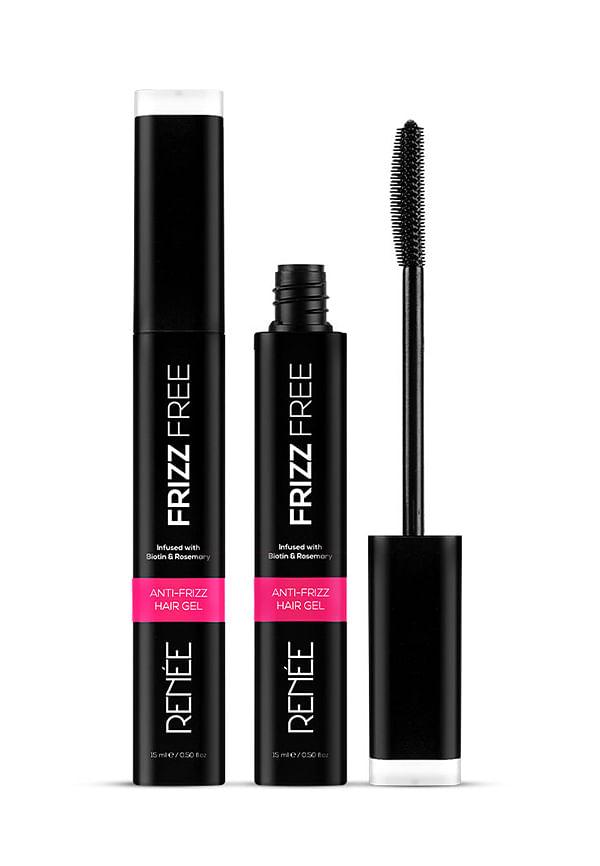
Frizz Free Anti Frizz Hair Gel
Let's be real—frizzy hair can feel like your biggest enemy, especially when you're rushing out the door and your hair decides to have its own agenda. Whether it's humidity turning your sleek style into a puff ball or damage from years of heat styling catching up with you, managing frizzy hair doesn't have to be a daily battle. The good news? With the right frizz free hair tips and a bit of know-how, you can actually tame those rebellious strands and achieve the smooth, manageable hair you've been dreaming of. From understanding what's causing your frizz to discovering anti frizz products that actually work, we're breaking down everything you need to know to get your hair game sorted.
Before diving into solutions, it's worth understanding what's actually happening when your hair decides to go rogue. Frizz occurs when your hair cuticles lift and allow moisture from the environment to penetrate the hair shaft, causing it to swell and lose its smooth appearance. Think of your hair cuticle like roof tiles—when they're lying flat, your hair looks sleek and shiny. When they're raised, moisture gets in and creates that dreaded frizzy texture.
Several factors contribute to this cuticle chaos. Humidity is the obvious culprit—those monsoon days when your hair seems to double in size within minutes of stepping outside. Hair damage from heat styling, chemical treatments, or even aggressive brushing can permanently lift those cuticles. Your genetics also play a role, as naturally curly or coarse hair tends to be more porous and prone to frizz. Finally, hair porosity—how easily your hair absorbs and releases moisture—determines how your hair reacts to environmental changes.
Not all frizz is created equal. Surface frizz appears as flyaways on top of otherwise smooth hair, whilst halo frizz creates a fuzzy outline around your head. Then there's all-over frizz that affects your entire mane, making it look puffy and unmanageable.
The foundation of frizz control starts with your daily haircare routine. Small changes in how you handle your hair can make a massive difference in achieving that smooth, polished look you're after. These frizz control tips focus on prevention rather than damage control, which is always more effective in the long run.
Washing frequency is crucial—overwashing strips your hair of natural oils, leaving it dry and more prone to frizz. Stick to washing 2-3 times per week maximum, unless you have particularly oily hair. Temperature control during your final rinse can work wonders; cool water helps seal the hair cuticles, locking in moisture and creating a smoother surface.
Swap your terry cloth towel for a microfiber one or even a cotton t-shirt. The rough texture of regular towels can ruffle your cuticles and create instant frizz. Instead, gently squeeze excess water from your hair without rubbing.
Apply styling products to damp hair, not soaking wet. When hair is too wet, products can't penetrate properly and may just slide off. The sweet spot is when your hair feels slightly damp to the touch.
Invest in a silk or satin pillowcase to reduce friction whilst you sleep. You can also try protective hairstyles like loose braids or a silk scarf to keep your hair smooth overnight.
Choosing the right shampoo is fundamental to your haircare for frizzy hair routine. The wrong cleanser can strip away essential oils, leaving your hair vulnerable to environmental damage and frizz. Look for formulas specifically designed to address moisture imbalance and cuticle damage.
Sulfate-free formulas are your best friend when dealing with frizzy hair. Sulfates are harsh detergents that can strip away natural oils, leaving your hair dry and more prone to frizz. Instead, opt for gentle cleansers with moisturising ingredients like glycerin, hyaluronic acid, or ceramides that help maintain your hair's moisture balance.
Focus shampoo application on your scalp rather than the lengths of your hair. Your scalp produces oils that need cleansing, whilst the lengths of your hair are older and more fragile, requiring gentler treatment.
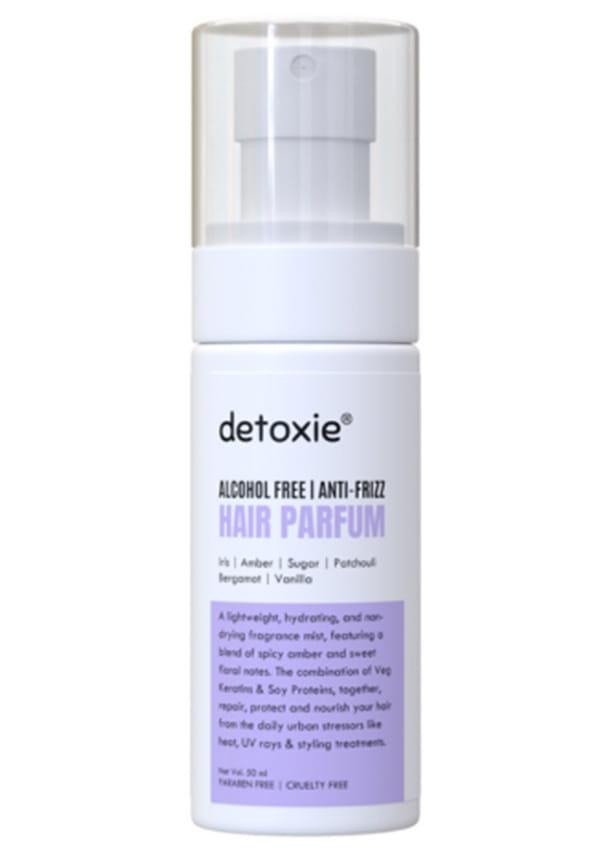
Alcohol Free Anti-Frizz Hair Parfum
Sometimes, skipping shampoo entirely and using only conditioner (co-washing) can help maintain moisture levels, especially for very dry or chemically treated hair. This technique works particularly well for curly or coarse hair types.
Once a week, use a clarifying shampoo to remove product buildup that can weigh down your hair and interfere with moisture absorption. Just be sure to follow up with a deep conditioning treatment.
The right anti frizz products can make the difference between a good hair day and a great one. However, with so many options available, it's easy to get overwhelmed. The key is understanding which products work best for your specific hair type and concerns, and how to layer them effectively without weighing your hair down.
Leave-in conditioners are absolute game-changers for frizz control. Lightweight formulas work best for fine hair, whilst thicker, creamier textures suit coarse or very dry hair. Look for ingredients like panthenol, silk proteins, or natural oils that provide moisture without heaviness.
Serums create a protective barrier around each strand, sealing the cuticle and preventing moisture from entering. Silicone-based serums offer immediate smoothing effects, whilst natural oil-based options provide long-term nourishment.
Weekly deep conditioning treatments help repair damage and restore moisture balance. Look for masks containing keratin, argan oil, or shea butter for maximum smoothing benefits.
If you use heat styling tools, a good heat protectant is non-negotiable. Many modern formulas offer dual benefits, protecting against thermal damage whilst providing frizz control.
Apply products from thinnest to thickest consistency: leave-in conditioner first, followed by serum, then any styling creams or oils. This ensures each product can penetrate properly without creating buildup.
When daily styling isn't enough to achieve the smooth, humidity proof hair you want, professional treatments can provide longer-lasting results. These hair smoothing treatments work by temporarily or semi-permanently altering your hair's structure to reduce frizz and improve manageability.
Keratin treatments are among the most popular professional options, offering 3-6 months of smoother, more manageable hair. These treatments work by filling in the gaps in damaged cuticles with keratin protein, creating a smoother surface that's less prone to frizz and humidity.
Similar to keratin treatments but with slightly different formulations, Brazilian blowouts can reduce drying time by up to 50% and eliminate frizz for several months. The treatment involves applying a liquid keratin formula and sealing it with heat.
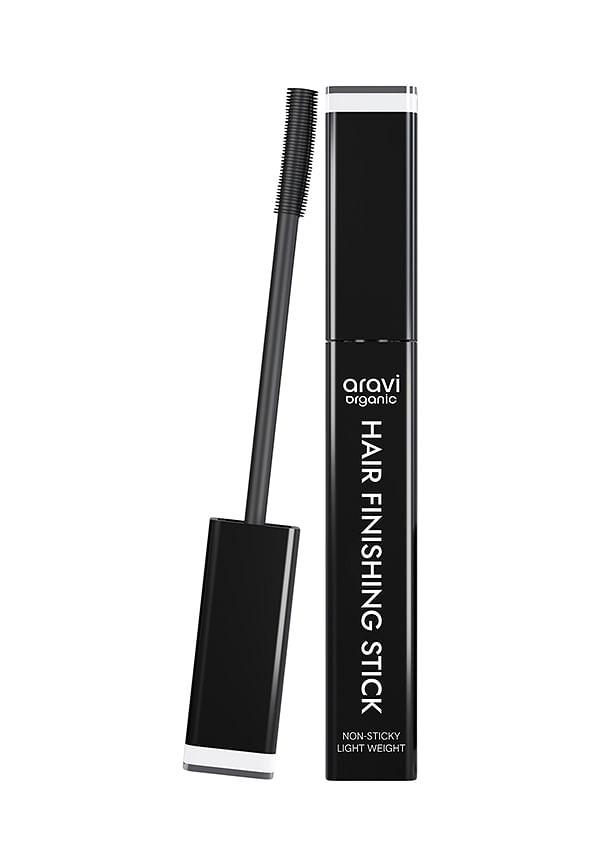
Hair Finishing Stick - Flyaway Natural Styling Frizz Control
Professional-grade at-home treatments offer a more budget-friendly alternative to salon services. Whilst results may not last as long, they can still provide significant frizz reduction for 6-8 weeks.
DIY protein masks using ingredients like eggs, honey, and yoghurt can help temporarily smooth the hair cuticle and reduce frizz. These treatments work best when used weekly as part of your regular routine.
Sometimes the best solutions come from nature itself. Learning how to tame flyaways and smooth hair naturally not only saves money but also reduces your exposure to harsh chemicals. These methods work by nourishing your hair from the inside out, addressing the root causes of frizz rather than just masking the symptoms.
Natural oils are incredibly effective for frizz control when used correctly. Argan oil is lightweight and absorbs quickly, making it perfect for fine hair. Coconut oil penetrates deeply but can be heavy, so use sparingly. Jojoba oil closely mimics your scalp's natural sebum, making it suitable for all hair types.
Apple cider vinegar rinses help smooth the hair cuticle and remove product buildup. Mix one part vinegar with three parts water and use as a final rinse. Avocado and banana masks provide deep moisture and natural smoothing properties.
Creating a moisture barrier is key to humidity proof hair. Apply a small amount of oil or serum to damp hair, focusing on the mid-lengths and ends where frizz typically occurs first.
For emergency frizz control, lightly dampen your hands and smooth over flyaways, then apply a tiny amount of hair oil or serum. This technique works particularly well for surface frizz and halo effects.
Plopping (wrapping wet hair in a t-shirt) and scrunching with a diffuser can enhance natural texture whilst reducing frizz. Air-drying with the right products often produces better results than heat styling.
When you do need to use heat styling tools to manage frizzy hair, doing it correctly can actually help reduce frizz rather than create it. The key is using the right temperature, technique, and protective products to achieve smooth results without causing further damage to your hair cuticles.
Temperature guidelines are crucial for safe heat styling. Keep your tools between 250-300°F (121-149°C) maximum. Fine or damaged hair should stay closer to 250°F, whilst thick or coarse hair can handle slightly higher temperatures. Always use a heat protectant product before applying any heat.
For curly and wavy hair, use a diffuser attachment on low airflow and medium heat. Cup sections of hair in the diffuser and hold for 10-15 seconds before moving to the next section. This method enhances natural texture whilst reducing frizz.
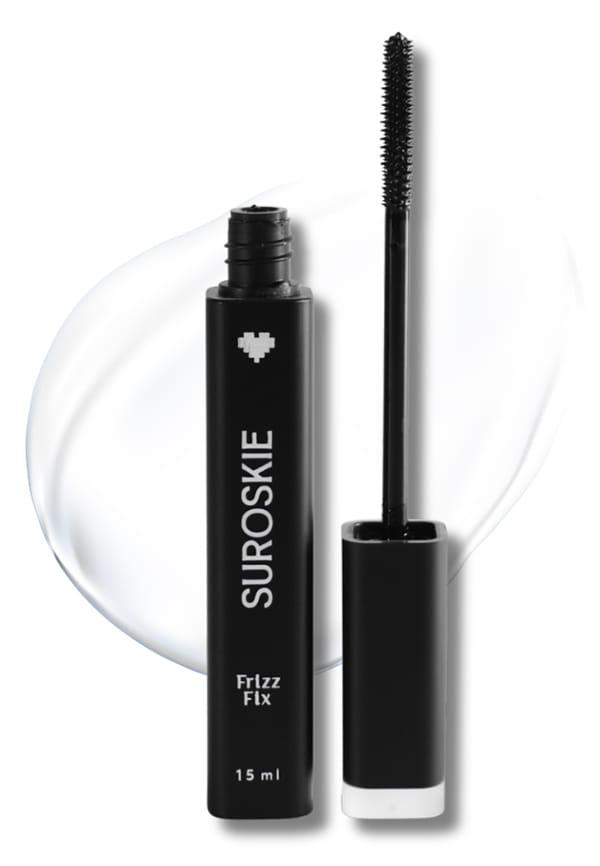
Anti Frizz Hair Stick
Always blow-dry in the direction of hair growth (from roots to ends) to smooth the cuticle. Use a round brush to create tension and smooth the hair shaft as you dry. Finish with a blast of cool air to set the style and seal the cuticles.
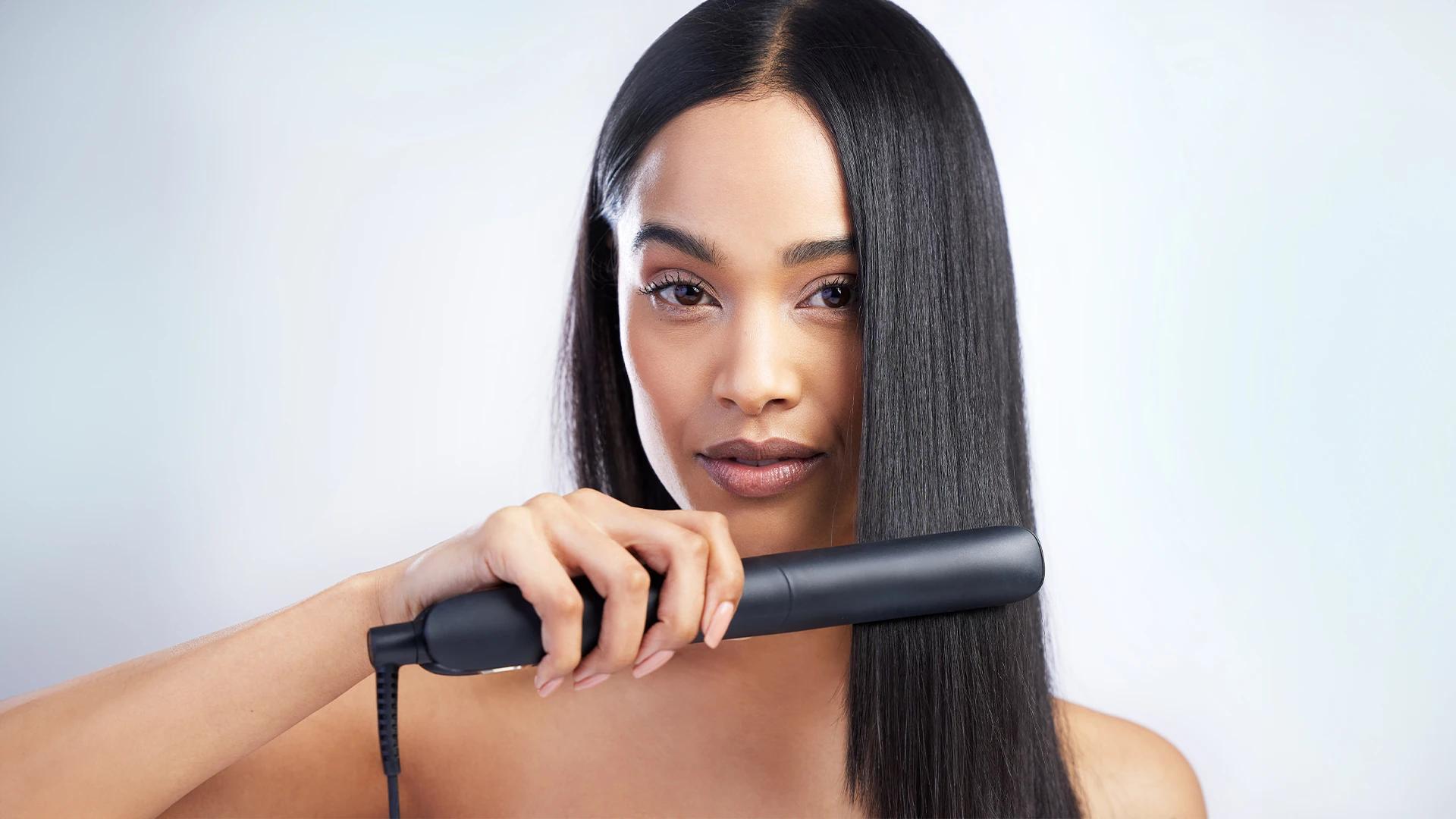
If you must use a flat iron, work on completely dry hair and use slow, smooth strokes. Consider ionic or ceramic tools that distribute heat more evenly and cause less damage.
Overnight methods like foam rollers, braiding, or twist-outs can create smooth styles without any heat damage. These techniques work particularly well when combined with leave-in treatments.
Finding the right products to manage frizzy hair can feel overwhelming, especially when you're not sure what will work for your specific hair type. This is where platforms like Smytten come in handy—with curated trial packs from over 1,500 trusted brands, you can discover your perfect anti frizz products without committing to full-size purchases. Whether you're looking for the best shampoo for frizzy hair or a hair serum for frizz control, trying different formulations helps you find what actually works for your unique hair needs.
Focus on moisture retention through sulfate-free shampoos, gentle drying methods, and protective styling. Use leave-in conditioners and serums to create a barrier against humidity, and avoid overwashing which strips natural oils.
Combine consistent moisture treatments with damage prevention and consider professional smoothing treatments like keratin therapy. Regular deep conditioning, heat protection, and gentle handling techniques provide long-term frizz control.
Apply leave-in conditioner to slightly damp hair, gently squeeze with a microfiber towel, and finish with a small amount of anti-frizz serum on dry sections. Focus on the areas where frizz typically appears first.
Use natural oils like argan or jojoba, avoid heat styling when possible, sleep on silk pillowcases, and deep condition weekly with natural ingredients like avocado or honey. Apple cider vinegar rinses also help smooth cuticles naturally.
Look for moisturising ingredients like glycerin, hyaluronic acid, ceramides, and natural oils. Protein treatments with keratin or silk proteins help fill in damaged cuticles, whilst silicones provide immediate smoothing effects.
Use deep conditioning masks once a week for normal hair, or twice weekly if your hair is very dry or chemically treated. Overuse can lead to protein overload, so monitor how your hair responds and adjust accordingly.
Achieving frizz-free hair isn't about finding one magic product—it's about understanding your hair's unique needs and building a routine that addresses them consistently. From choosing the right shampoo to mastering heat-free styling techniques, every step in your haircare routine contributes to smoother, more manageable hair. Remember that what works for your friend might not work for you, which is why experimenting with different products and techniques is so important.
The beauty of modern haircare is that you don't have to guess what might work for your hair. With platforms like Smytten offering trial-sized versions of products from trusted brands, you can discover your perfect frizz-fighting arsenal without the commitment of full-size purchases. Whether you're testing a new hair serum for frizz or trying a different approach to humidity proof hair, having the option to try before you buy makes building your ideal routine both affordable and risk-free. After all, why settle for maybe when you can try it all and find what actually works for your hair?
