How Often to Wash Hair in Monsoon for Healthy Scalp

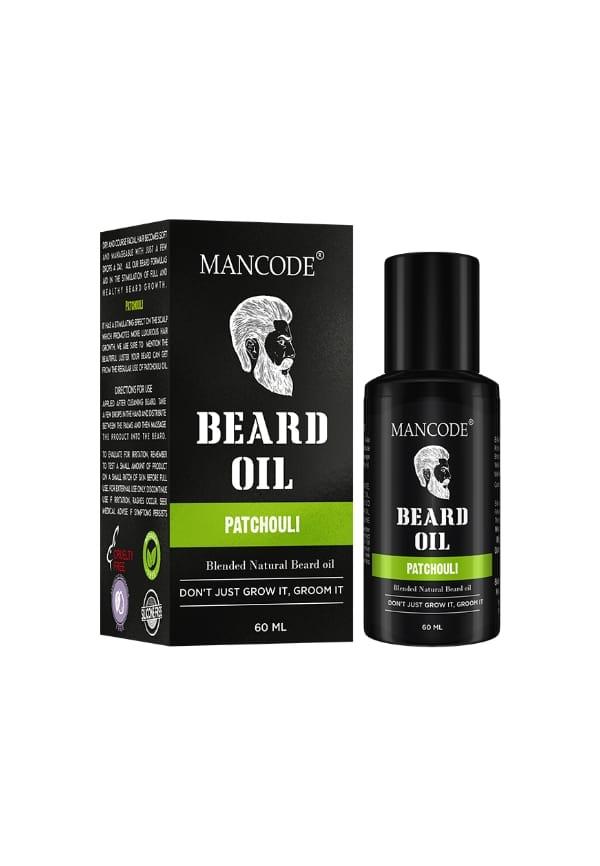
Beard Oil - Patchouli
Very Nice Product, Recommend
 5
5“very nice product. Will definitely recommend”
Highly Satisfied
5“very much satisfied with the product.... absolutely loved it.... will definitely be buying again and refer to friends and family 😄😄....”
Monsoon season brings relief from scorching heat, but it also creates a whole new set of challenges for your hair and scalp. The increased humidity, frequent rain showers, and damp conditions can wreak havoc on your usual haircare routine. You might find yourself wondering how often to wash hair in monsoon to maintain a healthy scalp without overdoing it. The truth is, your hair washing frequency during rainy season needs a complete rethink. While some swear by daily washing to combat the stickiness, others worry about stripping their hair of natural oils. Getting caught in unexpected downpours, dealing with frizz that seems impossible to tame, and managing an oily scalp that feels perpetually damp—these are real struggles that need practical solutions. At Smytten, we understand that finding the right monsoon hair care routine often means trying different products and approaches until you discover what works for your unique hair type and lifestyle.
TL;DR
Wash normal to dry hair 2-3 times per week during monsoon, while oily hair may need daily or alternate-day washing
Humidity increases scalp oil production and bacterial growth, making proper hair hygiene crucial
Always wash immediately after getting soaked in rainwater to prevent scalp infections
Adjust your routine based on hair type, lifestyle, and specific monsoon challenges like frizz and oiliness
Focus on proper drying techniques and gentle products to maintain scalp health in humid weather
Let's get real about what monsoon weather actually does to your hair and scalp. The high humidity levels during rainy season can increase your scalp's oil production by up to 30%, creating the perfect breeding ground for bacteria and fungi. Your scalp essentially becomes a warm, moist environment that microorganisms absolutely love.
When rainwater hits your hair, it doesn't just make you wet—it can disrupt your scalp's natural pH balance. Most rainwater is slightly acidic due to atmospheric pollutants, and this can lead to irritation, itching, and even dandruff flare-ups. The combination of increased sebum production and external moisture creates a sticky, uncomfortable feeling that makes you want to wash your hair more frequently.
Understanding these changes helps explain why your regular hair washing schedule might not work during monsoon. Your scalp is working overtime, and ignoring this can lead to clogged follicles, scalp infections, and that persistent greasy feeling that no amount of dry shampoo seems to fix.
Your hair type is the biggest factor in determining how often to wash hair in monsoon. What works for your friend might leave you with either an oily mess or completely stripped strands. Here's how to tailor your washing frequency to your specific needs.
If you have normal to dry hair, resist the urge to wash daily just because it's humid outside. Your hair actually needs those natural oils to stay healthy and protected from the moisture in the air. Stick to washing 2-3 times per week, but pay attention to how your scalp feels.
Watch for signs that you need to wash: your scalp feels itchy, your hair looks visibly oily at the roots, or you've been caught in the rain. On non-wash days, use a gentle dry shampoo to absorb excess oil and refresh your roots.
Oily hair types often struggle the most during monsoon because the humidity amplifies sebum production. You might need to wash every other day or even daily to maintain scalp health and comfort. The key is using a gentle, sulfate-free shampoo that cleanses without over-stripping.
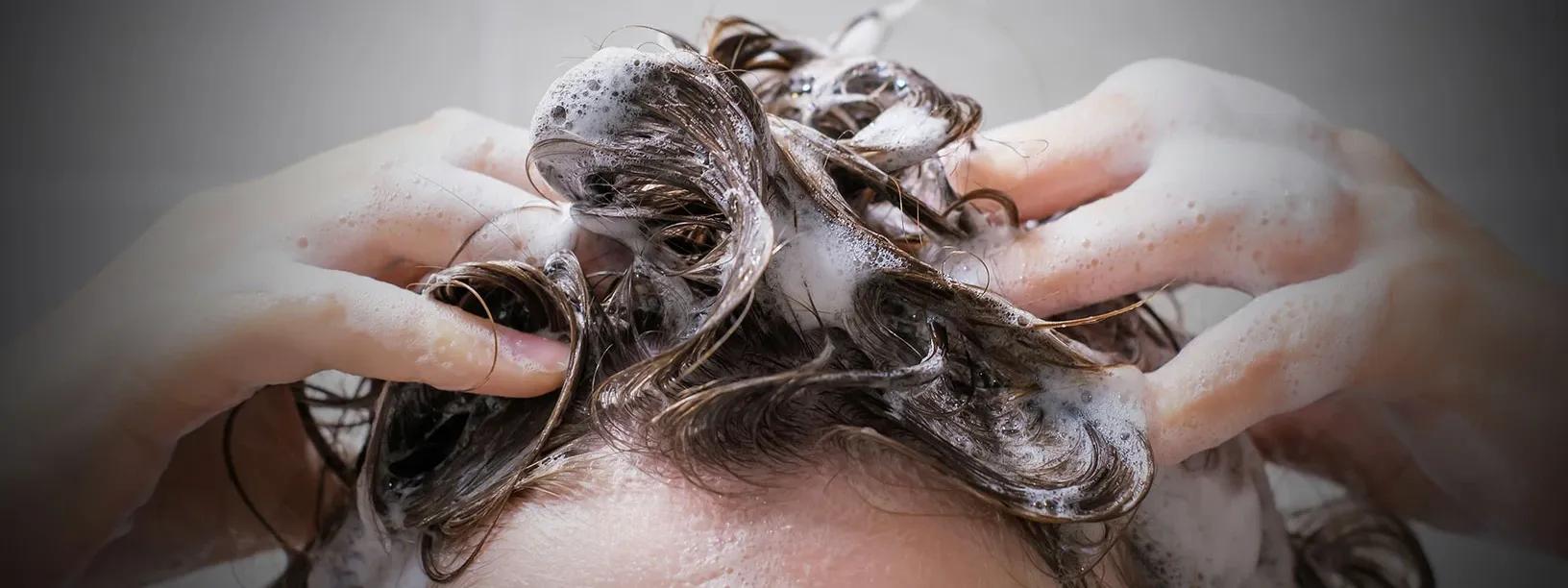
Focus on massaging the shampoo into your scalp rather than the lengths of your hair. This targeted approach removes excess oil and buildup where it matters most while preserving moisture in your hair ends.
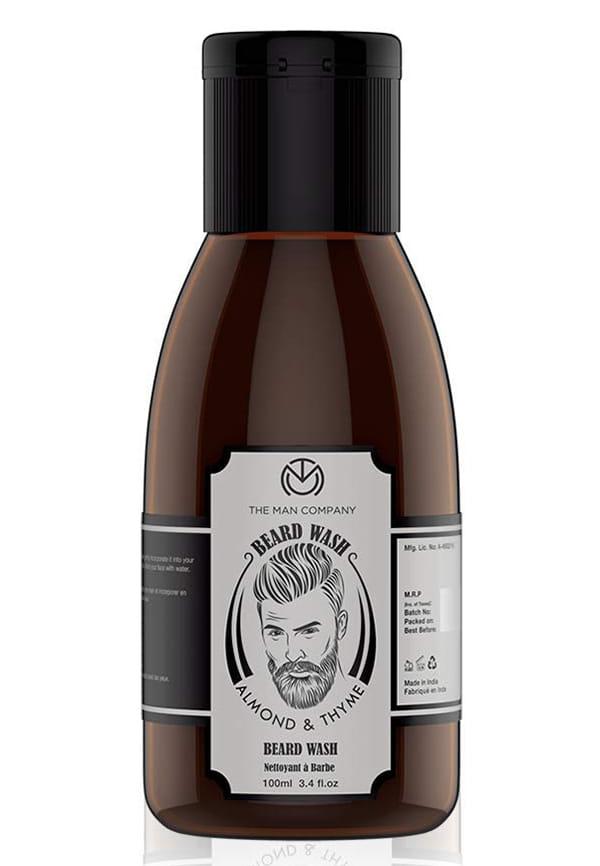
Beard Wash - Almond and Thyme
Must-Buy Product
5“effective product. must buy. good deal”
Husband Loved It!
5“The beard wash makes beard hair soft and gives a fresh feeling, my husband loved it :)”
Excellent Product
5“very best product ever I use in my life”
Combination hair—oily at the roots but dry at the ends—requires a strategic approach during monsoon. Consider washing your scalp more frequently while protecting your ends with leave-in treatments or oils.
You might wash every other day but only apply shampoo to your scalp and roots, letting the suds gently cleanse the lengths as you rinse. Follow up with conditioner only on the mid-lengths and ends.
Creating an effective hair washing schedule for monsoon goes beyond just frequency—it's about technique, timing, and the right products. Your monsoon hair care routine should address the unique challenges of humid weather while maintaining scalp health.
Before you even step into the shower, spend a few minutes detangling your hair with a wide-tooth comb. Humid weather makes hair more prone to tangling, and washing tangled hair can lead to breakage.
Consider applying a light oil treatment to your ends if they tend to get dry. Coconut oil or argan oil work well, but use sparingly—you don't want to weigh down your hair in already humid conditions.
Water temperature matters more during monsoon than you might think. Use lukewarm water instead of hot water, which can stimulate even more oil production. Hot water also opens up your hair cuticles, making them more susceptible to humidity-induced frizz.
When applying shampoo, focus on your scalp and roots where oil and buildup accumulate. Massage gently with your fingertips—not your nails—to stimulate circulation without causing irritation. Let the shampoo naturally cleanse the lengths of your hair as you rinse.
Conditioning is crucial during monsoon, but apply it strategically. Focus on the mid-lengths and ends, avoiding the roots to prevent weighing down your hair. Leave the conditioner on for 2-3 minutes to allow proper moisture penetration.
Drying your hair properly is absolutely critical during monsoon to prevent fungal infections and that musty smell. Gently squeeze out excess water with a microfiber towel—never rub vigorously, as wet hair is more fragile.
If possible, use a blow dryer on a cool setting to ensure your scalp is completely dry. Leaving your scalp damp in humid conditions is asking for trouble. If air-drying is your only option, make sure you're in a well-ventilated area and avoid tying up damp hair.
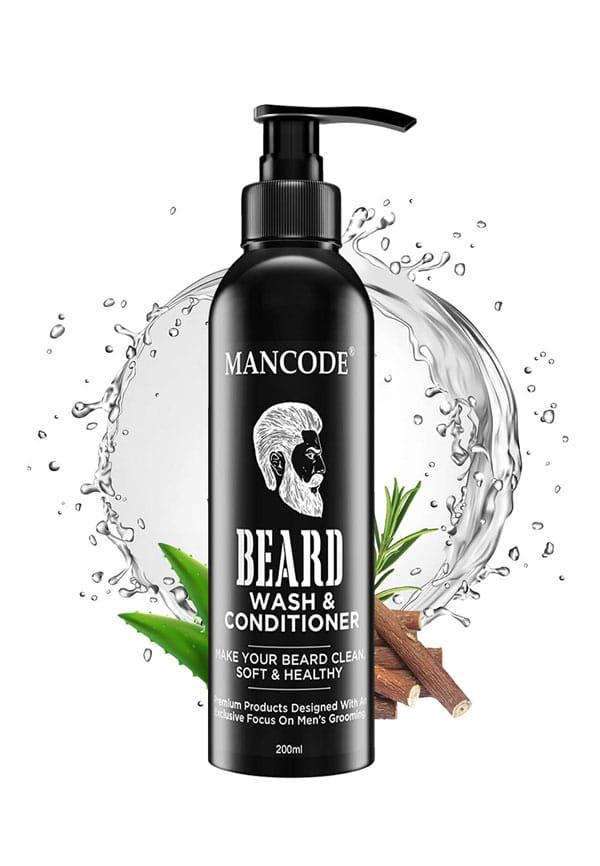
Beard Wash and conditioner
Love it, Go for it
5“love it.............. go for it”
Mixed feelings about fragrance
4“The fragrance is a bit off otherwise good”
Getting caught in an unexpected downpour is practically inevitable during monsoon. When this happens, don't just towel off and hope for the best—rainwater can carry pollutants, bacteria, and other contaminants that you don't want sitting on your scalp.
If you get soaked in rain, wash your hair as soon as possible, even if it's not your scheduled wash day. Use a gentle, clarifying shampoo to remove any pollutants and follow up with a hydrating conditioner. This immediate action can prevent scalp irritation and potential infections.
For times when you can't wash immediately, rinse your hair thoroughly with clean water to dilute any contaminants. Keep a small bottle of dry shampoo in your bag for emergency oil absorption, and always carry a hair tie to keep wet hair off your neck and shoulders.
Create an emergency hair care kit with travel-sized shampoo, conditioner, and a microfiber towel. This way, you're always prepared for unexpected weather changes that are so common during monsoon season.
Even with the best intentions, it's easy to fall into habits that can damage your hair during monsoon. One of the biggest mistakes is overwashing out of frustration with oily, sticky hair. While it might feel satisfying in the moment, washing too frequently can actually trigger your scalp to produce even more oil as a protective response.
Using harsh, sulfate-heavy shampoos is another common error. These products might seem like they're giving you that squeaky-clean feeling, but they're stripping your hair of essential oils, leaving it vulnerable to humidity damage and frizz.
Skipping conditioner because you think it'll make your hair greasier is counterproductive. The right conditioner actually helps seal your hair cuticles, protecting against humidity and reducing frizz. Just make sure you're applying it correctly—avoiding the roots and focusing on the lengths.
Perhaps the most dangerous mistake is not drying your hair properly after washing. In humid conditions, damp hair becomes a breeding ground for bacteria and fungi. Always ensure your scalp is completely dry, even if it means using a blow dryer on days when you'd prefer to air-dry.
Managing hair during monsoon requires a strategic approach that goes beyond just washing frequency. Professional stylists recommend choosing products specifically formulated for humid conditions—look for ingredients like hyaluronic acid for moisture balance and silicones for frizz protection.
When selecting a shampoo for monsoon hair care, avoid products with heavy moisturising ingredients that might weigh down your hair. Instead, opt for lightweight, clarifying formulas that remove buildup without over-drying. Ingredients like tea tree oil, salicylic acid, and zinc pyrithione can help maintain scalp health in humid conditions.
Consider incorporating weekly treatments into your routine. A clarifying mask once a week can remove product buildup and excess oil, while a protein treatment can strengthen hair that's been weakened by humidity and frequent washing.
Adjust your styling routine to work with the weather, not against it. Embrace natural textures and avoid heat styling when possible. Use leave-in treatments that provide humidity protection and help maintain your hair's moisture balance throughout the day.
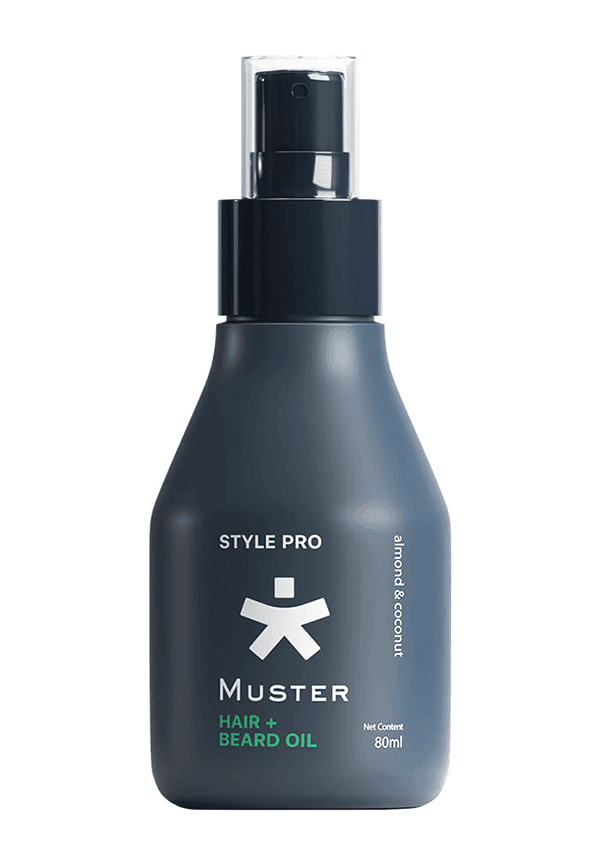
Style Pro Hair & Beard Oil
Great Product
5“nice product very useful good results”
Price Concerns
5“Cheaper But still Higher discount is needed”
Great Product Quality
5“nice product nice quality nice”
For oily scalp types, washing every other day or daily during monsoon is often necessary. The increased humidity can boost oil production significantly, making more frequent washing essential for comfort and scalp health. Use a gentle, sulfate-free shampoo to avoid over-stripping your hair.
Yes, dry shampoo can be helpful during monsoon, but choose oil-absorbing formulas rather than heavy, residue-leaving ones. Apply to roots only and brush through thoroughly. However, don't rely on dry shampoo for more than two consecutive days, as buildup can worsen in humid conditions.
Many people benefit from switching to a clarifying or anti-dandruff shampoo during monsoon to address increased oil production and potential scalp issues. Look for ingredients like salicylic acid or tea tree oil. Smytten's trial packs let you test different monsoon-friendly shampoos without committing to full-size bottles.
Yes, washing your hair after getting soaked in rainwater is crucial. Rainwater can contain pollutants, bacteria, and have an altered pH that can irritate your scalp. Even if it's not your regular wash day, a gentle cleanse helps prevent potential scalp problems.
Musty hair smell during monsoon usually results from inadequate drying. Always ensure your scalp is completely dry after washing, use antifungal ingredients like tea tree oil in your products, and avoid tying up damp hair. Proper ventilation while drying is also crucial.
Finding the right hair washing frequency during monsoon isn't about following a one-size-fits-all rule—it's about understanding your hair type and responding to the unique challenges of humid weather. Normal to dry hair typically needs washing 2-3 times per week, while oily hair may require daily or alternate-day cleansing.
The science behind monsoon hair care shows that increased humidity affects oil production and creates conditions for bacterial growth, making proper hygiene crucial. Always wash immediately after getting caught in rain, focus on proper drying techniques, and choose products that work with humid conditions rather than against them.
Remember that your monsoon routine might need adjustments as the season progresses. Pay attention to how your scalp feels, watch for signs of over or under-washing, and don't be afraid to modify your approach based on daily conditions and your hair's response.
Navigating monsoon hair care doesn't have to be a guessing game. The key is finding products and routines that work specifically for your hair type and lifestyle during this challenging season. Smytten is India's largest product discovery and trial platform, connecting consumers with top lifestyle, beauty, wellness, and grooming brands. At its core, Smytten offers curated trial packs - mini-sized products from over 2,400 trusted brands such as Cetaphil, Dot & Key, True Elements, Oziva, Renee, Swiss Beauty, Love Beauty & Planet, WishCare, Carlton London and Bella Vita. This lets users explore and experience products before committing to full-size purchases. Each mini is linked with Trial Points, and users can get up to 10 Trial Points for just ₹279. Plus, Smytten offers 100% cashback on the purchase of these minis, redeemable in the shop section for future orders, making product discovery both affordable and rewarding. With over 28 million users and 100 million trial minis delivered across 90% pin code coverage, Smytten helps consumers make smarter, more confident choices. After all, why settle for 'maybe' when you can #TryItAll!
