How Often to Use a Hair Mask for Healthier Hair


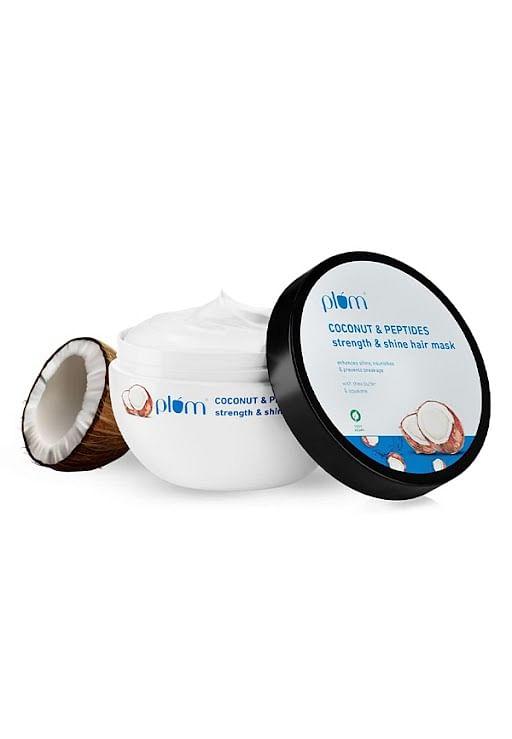
Coconut & Peptides Strength & Shine Hair Mask
Picture this: you've just discovered the world of hair masks and you're ready to transform your hair game. But then reality hits — how often should you actually use them? Too little and you're missing out on serious hair benefits. Too much and you might end up with limp, greasy strands that look worse than when you started. If you've ever stood in your bathroom holding a hair mask jar wondering whether it's been too long or too soon since your last treatment, you're definitely not alone. Getting your hair mask frequency right is honestly one of those beauty puzzles that can make or break your entire haircare routine.
Let's get real about what hair masks actually do for your strands. Unlike your regular conditioner that gives a quick surface-level boost, hair masks are the deep conditioning powerhouses that penetrate your hair shaft to deliver serious nourishment. Think of regular conditioner as your daily moisturiser and hair masks as those intensive overnight treatments you use when your skin needs extra love.
Hair masks work by temporarily lifting your hair cuticles — those tiny scales that protect each strand — allowing nutrients, proteins, and moisture to sink deeper into your hair structure. This is why the timing matters so much. Your hair can only absorb so much goodness before it reaches saturation point, and pushing beyond that can actually backfire.
The science behind hair mask frequency comes down to understanding your hair's porosity — basically how easily your strands absorb and release moisture. Low porosity hair has tightly packed cuticles that resist moisture, whilst high porosity hair has gaps in the cuticle layer that let moisture in and out too quickly. This affects how often your hair can handle intensive treatments without becoming overloaded.
Here's where it gets interesting: overconditioning is a real thing. When you use hair masks too frequently, you can create protein overload (making hair brittle and straw-like) or moisture overload (leaving hair limp and mushy). Your hair needs that perfect balance, and finding your sweet spot for hair mask frequency is key to maintaining healthy, bouncy strands.
Your hair type is honestly the biggest factor in determining how often you should reach for that mask. What works for your friend with baby-fine hair might be completely wrong for your thick, coarse strands, and that's totally normal.
If you've got fine hair, less is definitely more when it comes to hair mask application. Your strands are naturally more delicate and can get weighed down easily, so stick to lightweight, volumising formulas once or twice a week max. Look for masks that focus on strengthening rather than heavy moisturising, and always apply from mid-length to ends — never near your roots.
Lucky you — thick, coarse hair can handle more intensive treatments! Your strands are naturally stronger and often drier, so you can safely use nourishing hair masks 2-3 times per week. Go for richer formulations with ingredients like shea butter, argan oil, or keratin. Don't be afraid to leave them on for the full recommended time or even add a bit of heat with a warm towel.
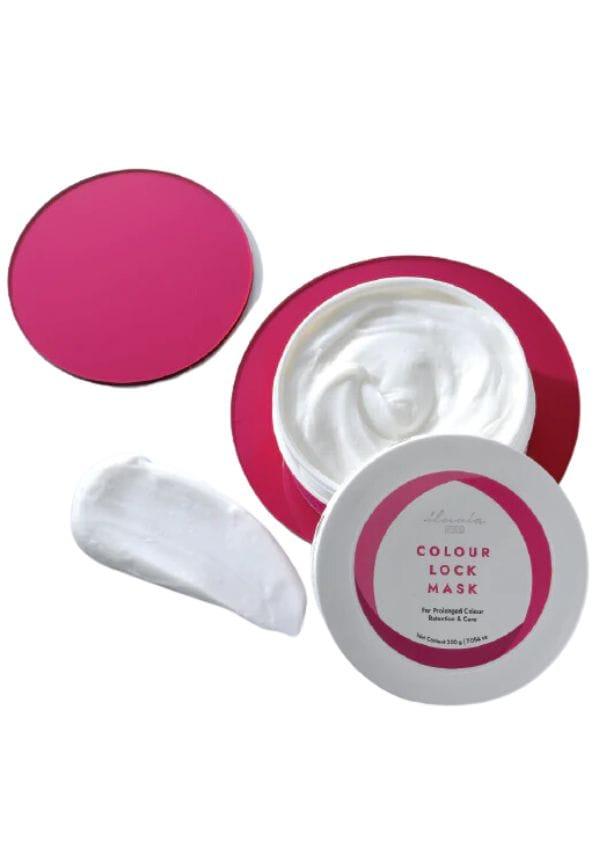
Colour Lock Mask
Curly hair is naturally drier because the oils from your scalp have a harder time travelling down those twists and turns. This means your hair treatment schedule can be more frequent — anywhere from 2-4 times per week depending on your curl pattern and damage level. Focus on moisture-rich masks and consider the co-washing method where you skip shampoo and just use a cleansing conditioner followed by your mask.
If your hair has been through the wringer with bleaching, colouring, or heat damage, it needs all the help it can get. You can safely use hair masks 3-4 times per week, but here's the crucial part — you need to rotate between protein and moisture treatments. One week focus on protein masks to rebuild structure, the next week switch to deep conditioning masks for hydration.
Not all hair masks are created equal, and understanding the different types will help you create the perfect hair hydration routine. Each type serves a specific purpose and has its own ideal frequency.
Protein masks are like gym sessions for your hair — powerful but not something you want to overdo. These masks contain ingredients like keratin, collagen, or hydrolysed proteins that help rebuild damaged hair structure. Stick to once a week maximum, and watch for signs that your hair is getting too much protein: brittleness, dryness, or that straw-like texture that won't budge even with moisture treatments.
These are your bread-and-butter treatments, packed with hydrating ingredients like hyaluronic acid, glycerin, and natural oils. Most people can safely use moisture masks 2-3 times per week, adjusting based on climate and seasonal changes. In winter or dry climates, you might need them more frequently, whilst humid conditions might call for scaling back.
Think of clarifying masks as your hair's reset button. They remove product buildup, excess oils, and environmental pollutants, but they're quite strong so limit them to every two weeks or monthly. Always follow up with a deep conditioning treatment since clarifying can strip your hair of natural oils along with the unwanted buildup.
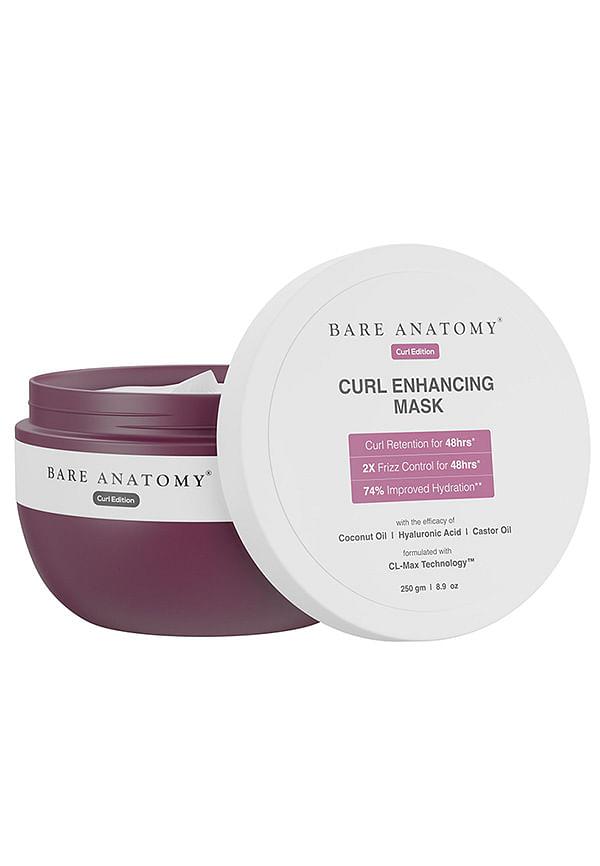
Curl Enhancing Hair Mask | Smoothens & Conditions Hair With Curl Retention
Getting your mask application technique right is just as important as nailing the frequency. Even the best hair mask won't work if you're not applying it properly, and trust me, there's definitely a right and wrong way to do this.
Start with freshly washed, damp hair — not soaking wet, but towel-dried so it's still slightly moist. This helps the mask distribute evenly and penetrate better. Section your hair into manageable parts (usually 4-6 sections work well) and apply the mask from mid-length to ends, avoiding your roots unless the product specifically says otherwise.
Here's a game-changer: use a wide-tooth comb to distribute the mask evenly through each section. This ensures every strand gets coated and prevents those annoying patches where the mask didn't reach. For extra penetration, wrap your hair in a warm, damp towel or use a hair steamer if you've got one.
Processing time varies by hair type and mask strength, but generally ranges from 5-20 minutes. Fine hair needs less time, whilst thick or damaged hair can handle longer treatments. When you're ready to rinse, use cool water to help seal the hair cuticles and lock in all that goodness you just applied.
Now that you understand the basics, it's time to create a hair mask routine that actually works for your lifestyle and hair needs. The best hair mask routine is one you'll actually stick to, so be realistic about your schedule and commitment level.
Start by mapping out your weekly wash routine. Most people wash their hair 2-3 times per week, and your mask applications should align with this schedule. If you wash twice weekly, you might use a mask after each wash. If you're a daily washer (which isn't ideal for most hair types, but that's another conversation), you'll need to be more strategic about when you incorporate masks.
Consider creating a rotation system where you alternate between different types of masks. For example: Monday could be a protein treatment, Wednesday a moisture mask, and Saturday a clarifying treatment followed by deep conditioning. This approach ensures your hair gets balanced nutrition without overloading any single element.
Track your results for at least a month before making major adjustments. Hair changes slowly, and what might seem like immediate improvement or damage could just be temporary effects. Keep notes about how your hair feels, looks, and behaves after different treatments and frequencies.
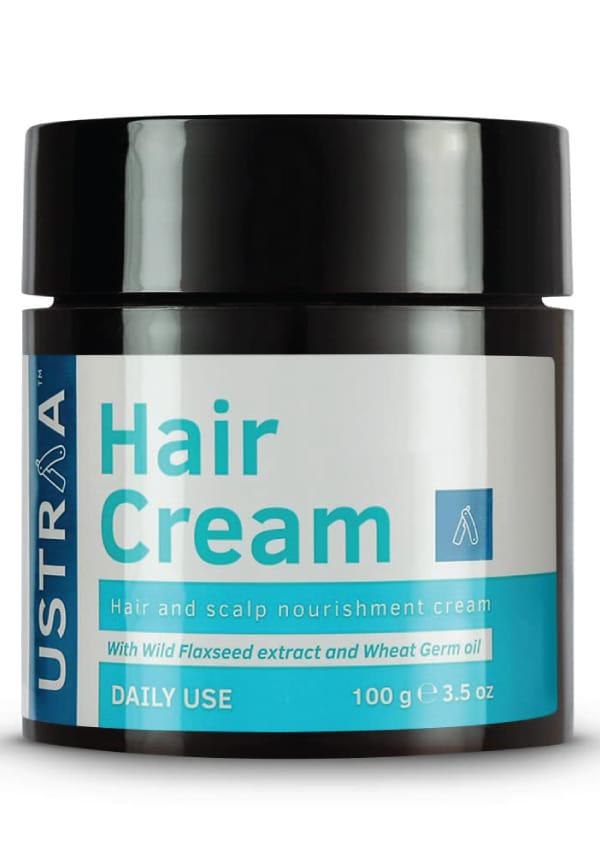
Daily Use Hair Cream
Generally speaking, daily hair mask use isn't recommended for most hair types. Even damaged hair typically maxes out at 3-4 times per week. Daily use can lead to overconditioning, making your hair limp, greasy, or overly soft to the point where it loses its natural texture and bounce. The only exception might be very specific leave-in treatments that are formulated for daily use, but these are technically different from traditional rinse-out masks.
Most hair masks work best when left on for 5-20 minutes, depending on your hair type and the mask's intensity. Fine hair typically needs 5-10 minutes to avoid weighing down, whilst thick or damaged hair can handle 15-20 minutes. Some overnight masks are designed for extended wear, but these are specially formulated to be gentler. Never exceed the recommended time on the packaging — longer isn't always better and can actually cause damage.
Overusing hair masks can lead to several issues: protein overload (making hair brittle and prone to breakage), moisture overload (creating limp, mushy texture), or simply weighing your hair down with too much product. You might notice your hair becoming greasy faster, losing its natural bounce, or developing an odd texture that doesn't respond well to styling. If this happens, take a break from masks for a week or two and gradually reintroduce them at a lower frequency.
Most hair masks work best on clean, damp hair because product buildup and oils can create a barrier that prevents proper penetration. However, some pre-shampoo treatments are designed to be applied to dry, unwashed hair. Always check the specific instructions for your mask, but when in doubt, apply to freshly shampooed, towel-dried hair for optimal absorption and results.
Healthy progress shows up as increased shine, improved manageability, reduced frizz, and stronger strands that break less during styling. Your hair should feel soft but not limp, moisturised but not greasy, and should hold styles better than before. Changes typically become noticeable after 2-4 weeks of consistent use. If you're seeing the opposite effects — increased dryness, brittleness, or greasiness — it's time to adjust your frequency or switch mask types.
Finding your perfect hair mask frequency is honestly a bit of trial and error, but starting with these guidelines will set you up for success. Remember that your hair's needs can change with seasons, hormones, styling habits, and even stress levels, so stay flexible and adjust as needed.
The golden rule? Start conservatively and build up gradually. It's much easier to increase frequency if your hair is loving the treatment than to recover from overconditioning. Pay attention to how your hair responds, and don't be afraid to scale back if things aren't going as planned.
Whether you're dealing with fine strands that need gentle weekly treatments or thick, damaged hair that craves intensive care multiple times per week, consistency is what will give you the results you're after. Not sure which hair mask format works best for your routine? Smytten also offers trial-size versions of many hair treatment products — a smart way to test different formulas and frequencies before committing to full-size bottles.
