How Often Should You Use a Hair Mask for Best Results?


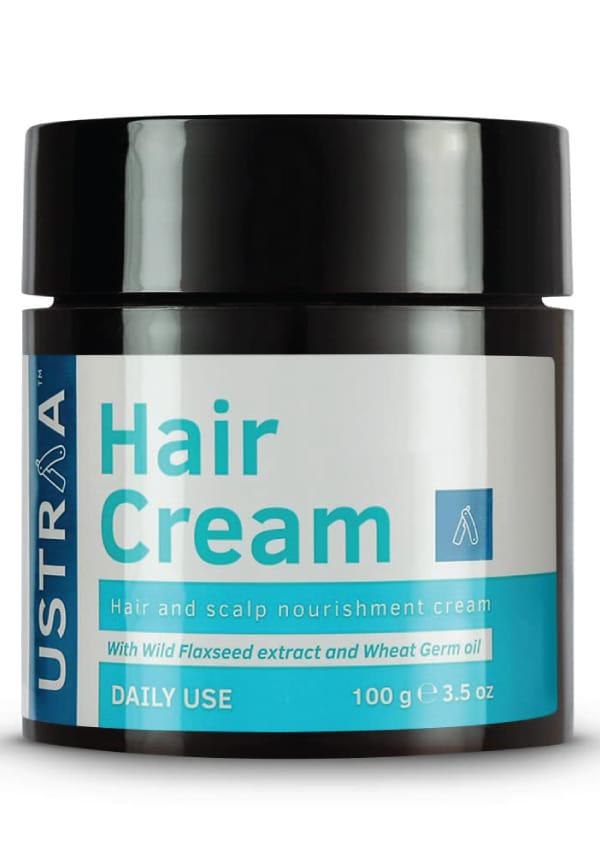
Daily Use Hair Cream
Picture this: you've just discovered the magic of hair masks and suddenly you're slathering one on every other day, convinced more equals better. Sound familiar? You're not alone—loads of us fall into the "if some is good, more must be amazing" trap. But here's the thing about hair masks: timing is everything. Get the frequency wrong, and you might end up with limp, greasy strands or brittle, over-processed hair that's crying for help. The sweet spot for how often to use a hair mask isn't one-size-fits-all—it depends on your hair type, lifestyle, and what your strands actually need.
Let's be real—your best mate's hair routine might be a disaster for your locks. Hair mask frequency isn't about following trends; it's about understanding what your specific hair type craves. Think of it like skincare: you wouldn't use the same routine as someone with completely different skin, right? Same logic applies here.
If your hair's been through the wringer—think bleaching, frequent heat styling, or chemical treatments—it's basically screaming for extra TLC. These hair types can handle more frequent deep conditioning treatments because they're genuinely thirsty for moisture and repair. Your strands are like a sponge that's been wrung out; they need consistent hydration to bounce back.
Look out for telltale signs: does your hair feel rough even after conditioning? Does it tangle easily or look dull despite your best efforts? These are your hair's way of asking for more frequent mask sessions. For severely damaged hair, you might even benefit from alternating between protein and moisture masks throughout the week.
Lucky you—your hair's in pretty good shape! This doesn't mean you can skip masks entirely, though. Think of weekly hair mask usage as preventative maintenance, like getting regular car services to avoid bigger problems down the line. Once a week keeps your hair looking glossy and feeling soft without overwhelming it with too much product.
This frequency works brilliantly for most people because it maintains your hair's natural balance. You're giving it that extra boost of nutrients and moisture without risking product buildup or over-conditioning. Perfect for busy schedules too—just pop it into your Sunday self-care routine.
Here's where less is definitely more. Fine hair gets weighed down easily, and oily scalps don't need extra moisture hanging about. If you've got thin strands, frequent masking can make your hair look flat and lifeless—definitely not the vibe you're going for.
The trick with fine hair is choosing lightweight formulas and using them sparingly. Focus on the mid-lengths to ends, avoiding the roots entirely. Your hair mask routine should feel like a gentle boost, not a heavy blanket suffocating your strands.
Real talk: you can absolutely have too much of a good thing when it comes to hair masks. Over-masking is surprisingly common, and the effects can be pretty frustrating. Your hair might start feeling weird—either too soft and limp or strangely stiff and brittle.
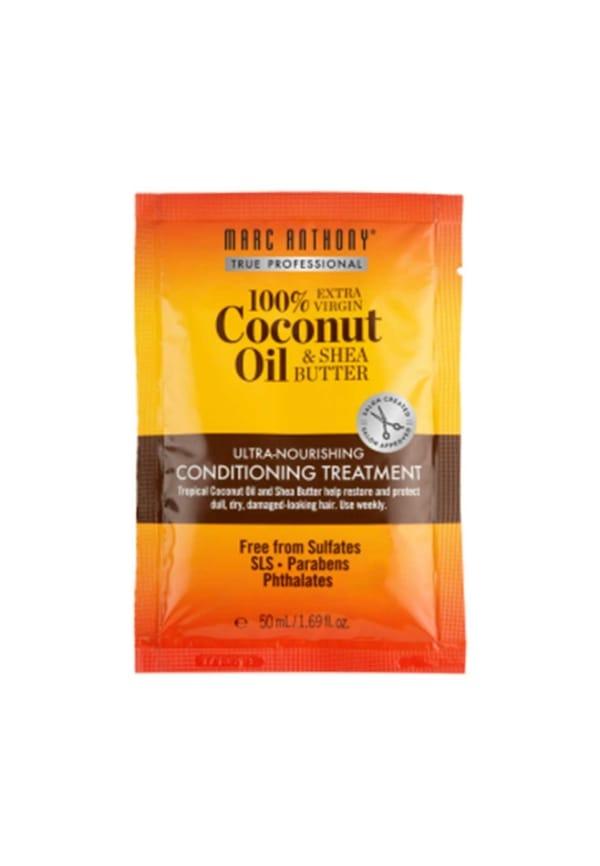
Hydrating Coconut Oil And Shea Butter Deep Nourishing Conditioning Treatment Mask
Protein overload happens when you use protein-rich masks too frequently. Your hair becomes rigid and loses its natural elasticity. It might feel strong initially, but it's actually becoming fragile and prone to breakage. On the flip side, moisture overload leaves your hair feeling mushy, overly soft, and lacking any structure.
The warning signs are pretty clear once you know what to look for. If your hair feels different after masking—not in a good way—it's time to scale back. Maybe your usually bouncy curls are falling flat, or your straight hair won't hold any style. These are your strands telling you to ease up on the hair mask frequency.
Getting the application right is just as important as nailing the frequency. There's actually a bit of debate about whether to apply masks before or after shampooing, and honestly, both methods have their place in a solid hair care routine.
Pre-shampoo masking works brilliantly for deep conditioning treatments, especially if your hair's really damaged. The mask penetrates deeper into unwashed hair, and the subsequent shampoo removes any excess product. This method is your friend if you're dealing with seriously dry or chemically treated hair.
Post-shampoo application is more traditional and works well for regular maintenance. Your clean hair can absorb the mask's benefits without any buildup from styling products or natural oils interfering. This approach suits most hair types and is generally easier to incorporate into your routine.
Don't just slap the mask on and hope for the best. Section your hair properly—think of it like applying hair dye. This ensures even distribution and maximum benefits. Start from the mid-lengths and work towards the ends, where your hair typically needs the most help.
Processing time matters too. Most masks work their magic in 10-20 minutes, but check the instructions. Leaving a mask on longer doesn't necessarily mean better results—sometimes it just means wasted product and potential buildup.
Not all hair masks are created equal, and different types call for different usage patterns. Understanding what's in your mask helps you figure out how often to use it safely.
These are the heavy-duty repair masks, packed with ingredients like keratin, collagen, or hydrolysed proteins. They're brilliant for damaged hair but can cause problems if overused. Most hair types should stick to protein masks once every 2-3 weeks, unless your hair is severely damaged.
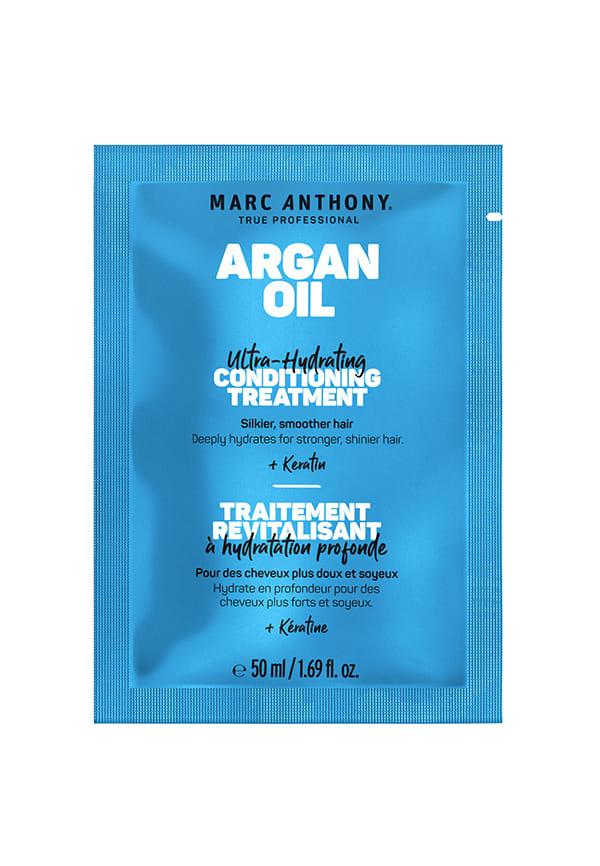
Nourishing Argan Oil Deep Hydrating Conditioning Treatment Mask
If you're not sure whether your hair needs protein, do the strand test. Wet a strand and gently stretch it. If it breaks immediately, you need protein. If it stretches loads before breaking, you need moisture instead.
These are your hydrating heroes, usually packed with oils, butters, and humectants. They're generally gentler than protein masks and can be used more frequently. Most hair types can handle moisture masks 1-2 times per week, depending on how dry your hair feels.
Seasonal adjustments make sense here too. Winter air is drying, so you might need more frequent moisture treatments. Summer humidity might mean scaling back to prevent your hair feeling heavy or greasy.
DIY masks can be brilliant, but they're often more potent than you'd expect. Ingredients like eggs, honey, or oils are concentrated and can overwhelm your hair if used too frequently. Stick to homemade hair mask treatments once a week maximum, and always patch test first.
The beauty of homemade masks is that you control exactly what goes in them. But this also means you need to be more careful about frequency and ingredients that might not play well with your hair type.
Once you've nailed the basics, you can start tweaking your routine based on lifestyle factors and specific hair goals. This is where hair care gets really personalised and effective.
If you're constantly heat styling, swimming, or live in a particularly harsh climate, your hair mask routine needs to reflect that. These factors all affect how often your hair needs extra TLC. Heat damage accumulates over time, so regular heat users might benefit from more frequent conditioning treatments.
Seasonal changes matter more than you might think. Winter heating systems dry out everything, including your hair. Summer sun and chlorine from pools can be equally damaging. Adjusting your hair mask frequency with the seasons keeps your strands happy year-round.
Even with the best intentions, it's easy to mess up your hair mask routine. The biggest mistake? Thinking daily use will give you amazing results faster. Your hair needs time to process and benefit from treatments—bombarding it with products just leads to buildup and confusion.
Another common error is using the wrong type of mask for your hair's current needs. Just because a mask worked brilliantly last month doesn't mean it's still right for your hair now. Hair changes with seasons, hormones, and lifestyle factors.
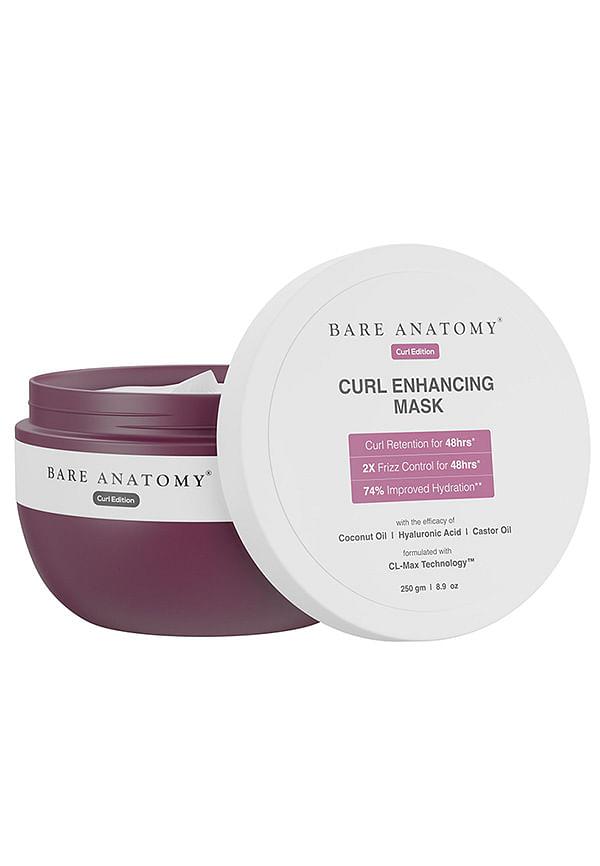
Curl Enhancing Hair Mask | Smoothens & Conditions Hair With Curl Retention
Timing mistakes are surprisingly common too. Rushing the process or leaving masks on way too long both reduce effectiveness. Follow the instructions—they're there for good reasons.
Daily hair mask usage is generally too much for most hair types and can lead to product buildup, over-conditioning, or protein overload. Even severely damaged hair typically benefits more from 2-3 weekly applications rather than daily treatments. Your hair needs time to absorb and process the benefits between mask sessions.
Absolutely. Over-masking can cause your hair to become limp, greasy, or conversely, stiff and brittle depending on the mask type. Signs include loss of natural texture, difficulty styling, or hair that feels different than usual. If you notice these changes, reduce your hair mask frequency and give your strands time to rebalance.
This depends on your application method and mask type. If you apply the mask to dirty hair, shampooing afterwards removes excess product and buildup. For post-shampoo application, a light rinse is usually sufficient. Heavy or oil-based masks typically need a gentle shampoo to prevent residue.
Watch for changes in your hair's texture and behaviour. Over-masking signs include hair feeling unusually soft and limp, difficulty holding styles, greasiness despite washing, or conversely, stiffness and brittleness. Your hair should feel healthy and manageable after masking, not weird or different.
Curly hair typically needs more frequent masking because the curl pattern makes it harder for natural oils to travel down the hair shaft, leading to dryness. Curly types often benefit from 2-3 weekly sessions, while straight hair usually does well with weekly treatments. However, hair porosity and damage level matter more than texture alone.
Getting your hair mask frequency right is honestly a game-changer for your hair health. It's not about following rigid rules—it's about listening to what your hair actually needs and adjusting accordingly. Start conservative, observe how your hair responds, and tweak from there.
Remember, consistency beats intensity every time. A well-timed weekly mask will do more for your hair than sporadic intensive treatments. Your hair mask routine should feel sustainable and enjoyable, not like another chore on your endless to-do list.
The brilliant thing about understanding hair mask frequency is that it makes every other hair care decision easier. You'll know when to scale back, when to intensify, and how to keep your strands looking their absolute best. Whether you're dealing with damage, maintaining healthy hair, or working towards specific goals, the right frequency makes all the difference.
