How Much Shampoo to Use in India for Perfect Hair Wash


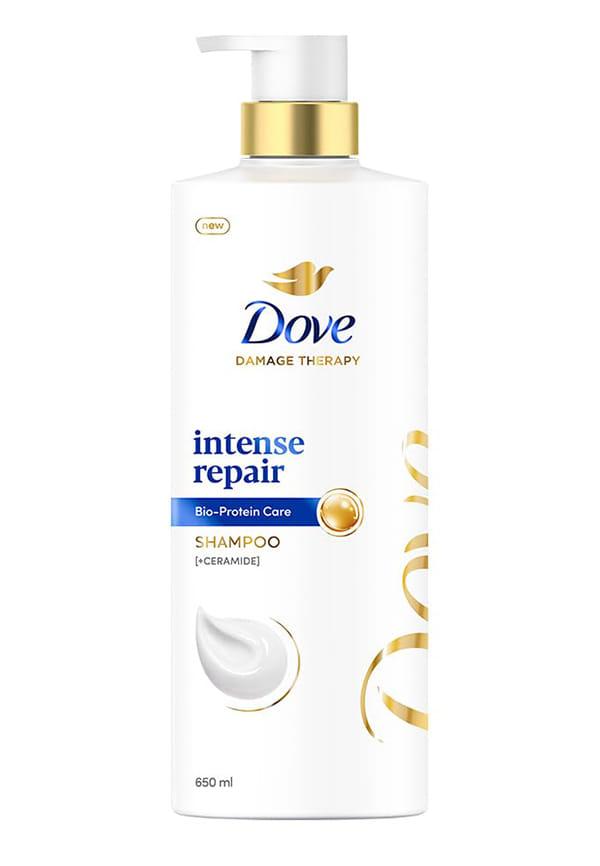
Intense Repair Shampoo
Ever stood in your bathroom wondering if you're using too much or too little shampoo? You're not alone. Getting the shampoo quantity right is trickier than it seems, especially with India's diverse climate conditions and hair types. Using too much can strip your hair of natural oils, while too little won't give you that proper cleanse. Let's sort this out once and for all, because your hair deserves the perfect wash every single time.
Here's the thing about shampoo dosage – it's not one-size-fits-all. Your hair length, texture, and type all play a role in determining how much product you actually need. The classic coin-sized rule works as a starting point, but let's get more specific.
For short hair (think pixie cuts or men's styles), a ₹2 coin-sized amount is your sweet spot. That's roughly 5-7ml or about one teaspoon. Short hair needs less product because there's simply less surface area to cover, and the natural oils from your scalp can reach the ends more easily.
Medium-length hair (shoulder to collarbone) requires about a ₹5 coin-sized portion, which translates to roughly 10ml or two teaspoons. This length is where most people tend to overdo it, so resist the urge to pump out more product than needed.
Long or thick hair needs the most attention. You'll want about 15-20ml (roughly three to four teaspoons) distributed in sections. Start with less and add more if needed – it's easier to add than to rinse out excess product that's already been worked through your hair.
Living in India means dealing with everything from monsoon humidity to dry winter air, and your shampoo routine needs to adapt accordingly. The climate doesn't just affect how often you wash your hair – it also impacts how much shampoo you need for effective scalp cleansing.
During monsoons, humidity levels can make your hair feel greasier faster. You might need slightly more shampoo to cut through the extra oil and environmental buildup. The moisture in the air also means shampoo doesn't lather as easily, so don't mistake poor lather for insufficient product.
Hot, sweaty summers mean more frequent washing and potentially more product per wash. Sweat and increased oil production require thorough cleansing, but stick to your measured amounts – just focus on better application technique rather than using more shampoo.
Many Indian cities have hard water, which can make shampoo less effective. You might feel tempted to use more product, but the solution isn't quantity – it's technique. Focus on massaging the scalp thoroughly and consider using a clarifying shampoo once a week to remove mineral buildup.
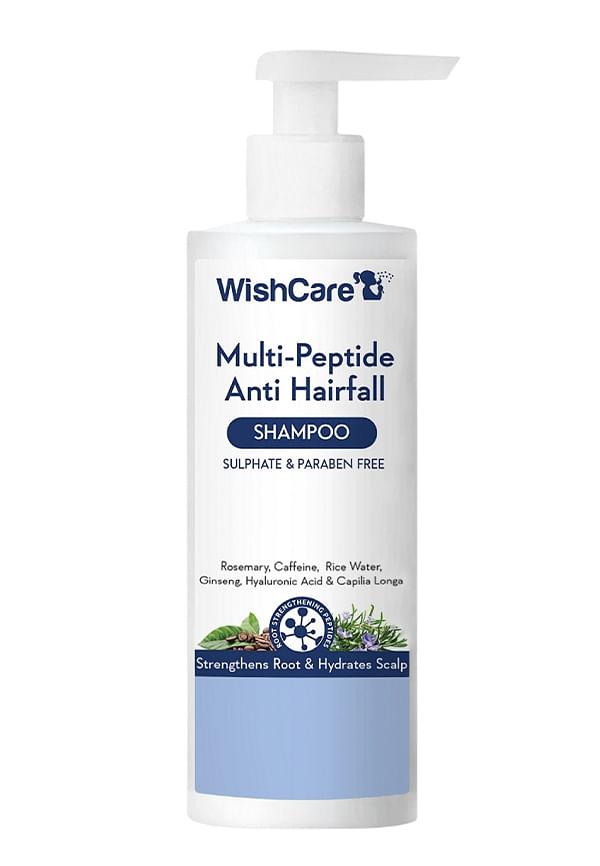
Multi Peptide Rice Water Anti Hairfall Shampoo - Rosemary, Capilia Longa, HA & Caffeine
How often you wash directly impacts how much shampoo you use weekly. Getting your hair wash frequency right is crucial for maintaining healthy hair while managing your product consumption effectively.
Daily washing isn't necessary for most people, despite what you might think. Unless you have extremely oily hair or work in a very dusty environment, washing every day can actually strip your hair of natural oils. Stick to 2-3 times per week for most hair types.
If you have an oily scalp, you might need to wash more frequently, but use smaller amounts of shampoo. Focus the product on your roots where oil production is highest, and let the suds cleanse the lengths as you rinse.
Dry or chemically treated hair needs gentler, less frequent washing. Reduce your wash frequency to twice a week and use moisturising shampoos with smaller quantities to avoid further drying out your strands.
Knowing how much shampoo to use is only half the battle – the application technique makes all the difference. Proper application ensures you get maximum cleaning power from the right amount of product.
Start with thoroughly wet hair using lukewarm water. Hair should be completely saturated before applying any shampoo. This helps the product distribute evenly and creates better lather with less product.
For best results, especially if you don't wash daily, try the two-wash method. Use half your usual shampoo quantity for the first wash to remove surface dirt and oil. Rinse completely, then use the remaining half for a deeper cleanse. This technique often works better than using all the product at once.
Apply shampoo directly to your scalp, not the lengths of your hair. Massage gently with fingertips (not nails) for 2-3 minutes. The suds will naturally cleanse the lengths as you rinse, so there's no need to work shampoo through every strand.
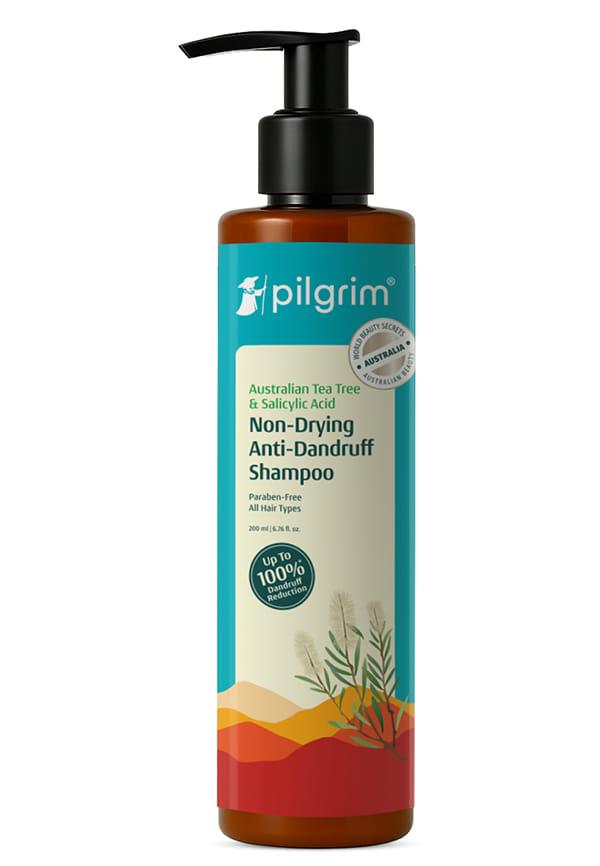
Australian Tea Tree Non-Drying Anti-Dandruff Shampoo
Different hair concerns require different approaches to shampoo quantity and frequency. Understanding your specific needs helps you make smarter choices about both product selection and usage amounts.
Anti-dandruff shampoos are typically more concentrated, so you might need less product than usual. These formulations often contain active ingredients that work better with gentle application and proper contact time rather than increased quantity.
If you're dealing with hair fall, gentle is the way to go. Use slightly less shampoo and focus on very gentle massaging. Hair volume shampoos can help create the appearance of fuller hair, but they work through formulation, not quantity.
Coloured hair needs special attention. Use colour-safe shampoos in smaller quantities and wash less frequently to preserve your colour investment. These shampoos are often gentler, so a little goes a long way.
Sulfate-free shampoos don't lather as much as traditional formulas, but this doesn't mean they're not working. You might need slightly more product, but focus on thorough scalp massage rather than chasing bubbles. Natural and organic shampoos often have different concentration levels, so adjust accordingly.
Getting the most out of your haircare routine isn't just about the right shampoo quantity – it's about creating a complete system that works for your lifestyle and hair type. These expert-backed tips will help you maximise your results while keeping your routine sustainable.
If you're dealing with hard water, consider installing a shower filter or using filtered water for your final rinse. This simple change can make your shampoo more effective, meaning you might actually need less product to achieve the same results.
Rotating between different shampoos can prevent product buildup and keep your hair responding well to treatment. This doesn't mean you need to use different amounts – stick to your measured quantities but switch formulations every few weeks.
Your hair's needs change with the seasons, but the solution isn't always more or less shampoo. Sometimes it's about switching to different formulations that work better with the current climate conditions while maintaining consistent usage amounts.
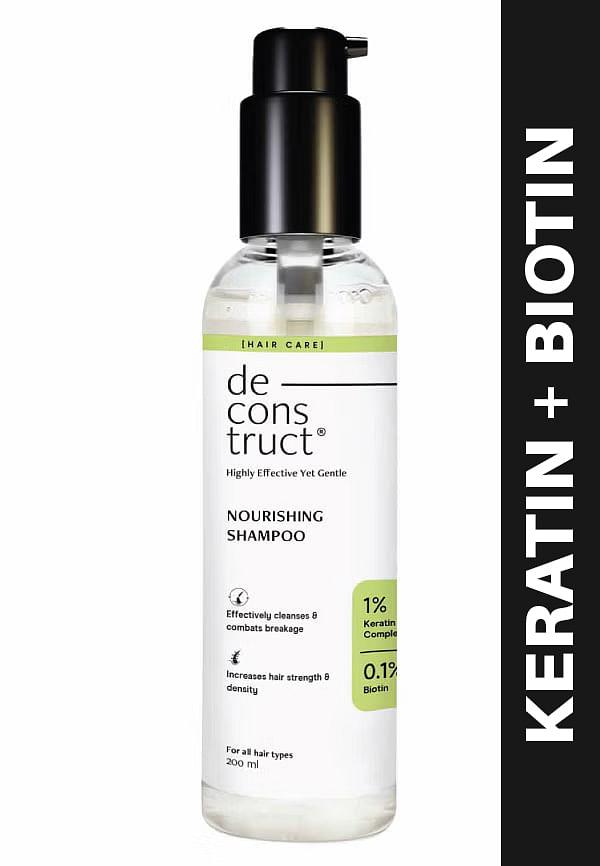
Nourishing Shampoo 1% Keratin Complex + 0.1% Biotin
Finding the right shampoo for your hair type doesn't have to involve guesswork or expensive mistakes. Smytten offers curated trial packs from over 1,500 trusted haircare brands, letting you discover what works for your specific needs before committing to full-size purchases. With trial minis available for just ₹249 and 100% cashback redeemable for future orders, you can explore different formulations and find your perfect match without the usual trial-and-error costs.
Men with short hair should use about a ₹2 coin-sized amount (5-7ml). This is usually enough to cleanse the scalp thoroughly without overusing product. Focus on massaging the scalp rather than working up excessive lather.
Women with long hair typically need 15-20ml of shampoo, applied in sections starting from the scalp. Divide your hair into sections and apply small amounts to each area rather than dumping all the product in one spot.
Most people in India should wash their hair 2-3 times per week. Those with very oily scalps or who exercise daily might need to wash more frequently, while those with dry or chemically treated hair can wash less often.
Yes, overusing shampoo can strip your hair of natural oils, leading to dryness, irritation, and potentially increased oil production as your scalp tries to compensate. Stick to recommended quantities for your hair length and type.
You might need slightly more shampoo during monsoons due to increased humidity and environmental pollutants, but focus more on thorough application technique rather than dramatically increasing the amount you use.
Your hair should feel clean but not squeaky or stripped after washing. If your scalp feels tight or your hair feels rough, you might be using too much. If your hair still feels greasy after washing, focus on better application technique before increasing quantity.
Getting your shampoo quantity right is about understanding your hair type, considering your environment, and applying the product correctly. The coin-sized rule is a great starting point, but remember that factors like hair length, texture, climate, and water quality all play a role in determining your perfect amount.
The key is consistency and observation. Start with the recommended amounts for your hair type, pay attention to how your hair responds, and adjust gradually if needed. Remember, more isn't always better when it comes to shampoo – proper technique often trumps quantity every time.
With Smytten's extensive range of haircare trial packs, you can experiment with different formulations to find what works best for your specific needs. Whether you're dealing with oily roots, dry ends, or anything in between, there's a perfect shampoo out there waiting to be discovered. After all, why settle for maybe when you can Try It All and find your ideal haircare routine?
