How Much Hair Fall is Normal in Monsoon? Your Guide

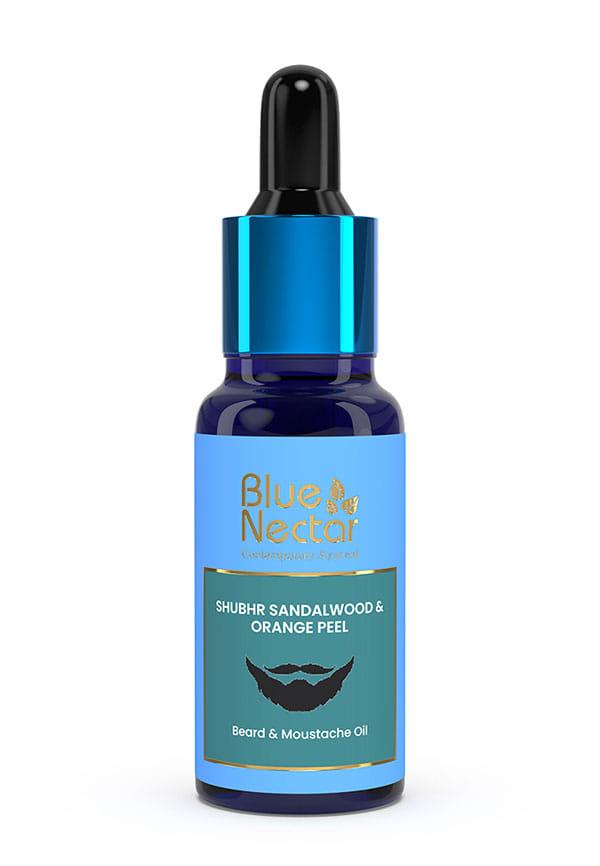
Ayurvedic Beard And Moustache Growth Oil 9 Herbs
The monsoon season brings relief from scorching heat, but it also brings a common concern that has many of us checking our hairbrushes with worry—increased hair fall. If you've noticed more strands on your pillow or clogging your shower drain during the rainy season, you're definitely not alone. Understanding how much hair loss is normal during monsoon can help you distinguish between natural seasonal shedding and something that might need attention. While it's completely normal to lose around 50-100 strands daily under regular circumstances, monsoon can bump this number up to 100-150 strands per day. The combination of humidity, environmental changes, and lifestyle shifts during this season creates the perfect storm for increased hair fall. At Smytten, we've noticed more users exploring haircare solutions during monsoon months, which makes perfect sense given the seasonal challenges our hair faces.
Normal hair fall during monsoon ranges from 100-150 strands per day, which is about 30% more than usual
Humidity, scalp infections, and environmental factors are the main culprits behind increased monsoon hair loss
Hair fall becomes concerning when you lose 200+ strands daily for more than two weeks
Simple home remedies like oil treatments and proper hair care routines can significantly reduce seasonal hair fall
Professional help should be sought if hair loss persists beyond three months post-monsoon
Let's be real—hair fall during monsoon can feel overwhelming, but understanding what's actually happening to your hair can bring some much-needed peace of mind. Your hair follows a natural growth cycle that includes growing, resting, and shedding phases. During monsoon, this cycle gets a bit disrupted due to environmental changes, leading to what dermatologists call seasonal hair fall.
Your hair doesn't just randomly decide to fall out more during the rainy season. There's actual science behind this phenomenon. Normally, you shed about 50-100 strands daily, but during monsoon, this number can increase to 100-150 strands per day—that's roughly a 30% increase. This happens because of telogen effluvium, a temporary condition where more hair follicles enter the resting phase simultaneously.
The hair growth cycle consists of three phases: anagen (growing), catagen (transitional), and telogen (resting). During monsoon, environmental stressors can push more follicles into the telogen phase, causing increased shedding about 2-3 months later. This is why you might notice peak hair fall towards the end of monsoon or early post-monsoon period.
While 100-150 strands daily is within the normal range for monsoon hair loss, there are definite red flags to watch out for. If you're consistently losing 200+ strands daily for more than two weeks, it's time to pay attention. Other warning signs include patchy hair loss patterns, visible scalp irritation, persistent itching, or hair thinning that continues well beyond the monsoon season.
Excessive hair fall in rainy season might also manifest as sudden onset of severe shedding, where you notice dramatically more hair than usual within a short period. This could indicate underlying scalp infections or other health issues that need professional attention.
Understanding monsoon hair loss causes can help you tackle the problem more effectively. The rainy season creates a unique set of challenges for your hair and scalp health that don't exist during other times of the year.
High humidity levels during monsoon create the perfect breeding ground for fungal and bacterial infections on your scalp. When moisture gets trapped against your scalp for extended periods, it disrupts the natural pH balance and can lead to conditions like seborrheic dermatitis or dandruff. These conditions weaken hair follicles and contribute to increased hair breakage monsoon brings.
The constant moisture also leads to increased sebum production, which can clog hair follicles and prevent healthy hair growth. This is why many people experience both hair fall and scalp issues simultaneously during the rainy season.
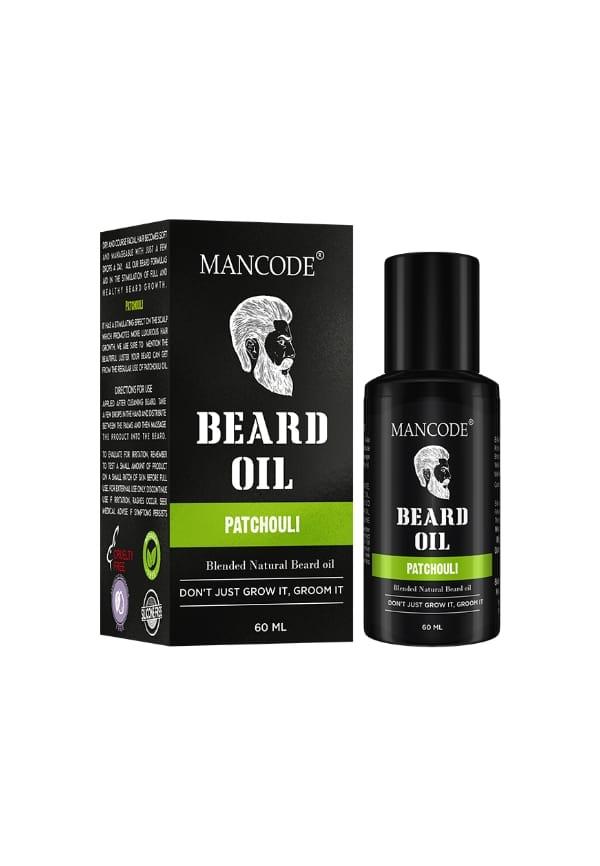
Beard Oil - Patchouli
Very Nice Product, Recommend
 5
5“very nice product. Will definitely recommend”
Highly Satisfied
5“very much satisfied with the product.... absolutely loved it.... will definitely be buying again and refer to friends and family 😄😄....”
Monsoon brings unique environmental challenges that directly impact hair health. Air pollution mixes with rainwater to create a cocktail of harmful substances that can damage your hair shaft and scalp. Additionally, the tendency to wash hair more frequently during humid weather can strip away natural oils, leaving hair weak and prone to breakage.
Stress from seasonal changes, vitamin D deficiency due to reduced sunlight, and dietary changes common during monsoon all contribute to hair thinning monsoon effects. Your body's overall health directly impacts hair health, making these lifestyle factors crucial to consider.
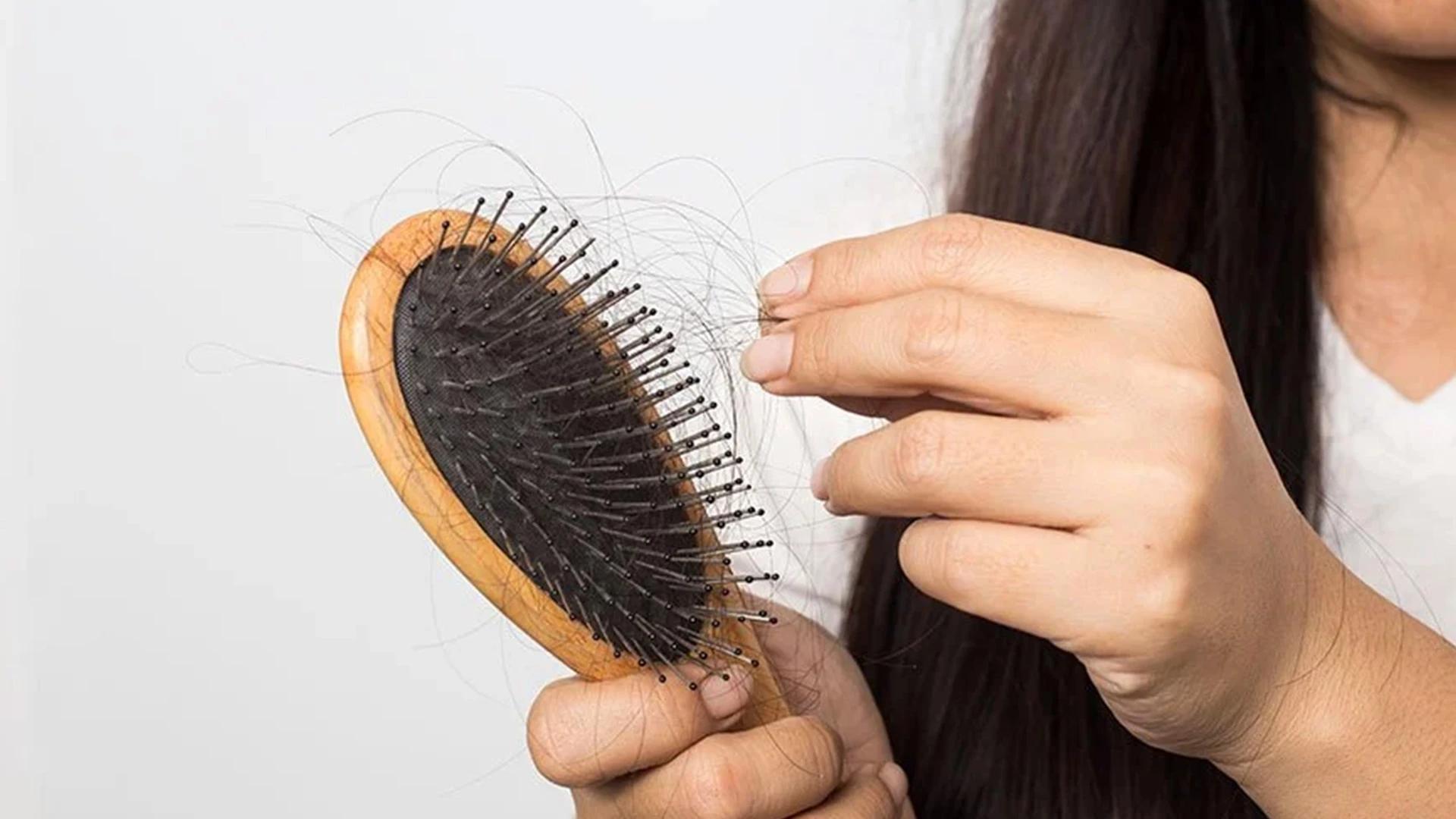
Before panicking about hair loss, it's important to accurately assess how much hair you're actually losing. Many people overestimate their hair fall because they notice it more during monsoon when hair tends to stick together due to humidity.
The pillow test is one of the easiest ways to track your hair fall. Count the strands on your pillow each morning for a week and calculate the average. Remember, this only accounts for nighttime shedding, so multiply by approximately 3-4 to get your daily total.
The shower drain method gives you a more comprehensive picture. Collect all the hair that falls during washing and count the strands. Since most people wash their hair every 2-3 days during monsoon, divide this number accordingly to get your daily average.
The pull test is something dermatologists use to assess hair loss severity. Gently grasp about 60 strands of hair and pull slowly. If more than 6 strands come out, it might indicate excessive shedding that needs professional evaluation.
Keep a hair loss diary noting factors like stress levels, diet changes, product use, and environmental exposure. This documentation can be invaluable if you need to consult a healthcare professional about your seasonal hair fall concerns.
The good news is that most monsoon-related hair fall is temporary and manageable with the right approach. Focus on treatments that address both the symptoms and underlying causes of seasonal hair loss.
Oil treatments remain one of the most effective hair fall remedies monsoon demands. Coconut oil has antifungal properties that help combat scalp infections, while argan oil provides deep nourishment without weighing hair down in humid conditions. Rosemary oil has been scientifically proven to stimulate hair growth and can be particularly effective when mixed with a carrier oil.
DIY hair masks using ingredients like egg, yoghurt, and honey can strengthen hair shafts and reduce breakage. A weekly mask with fenugreek seeds soaked overnight and ground into a paste can help control dandruff and reduce hair fall simultaneously.
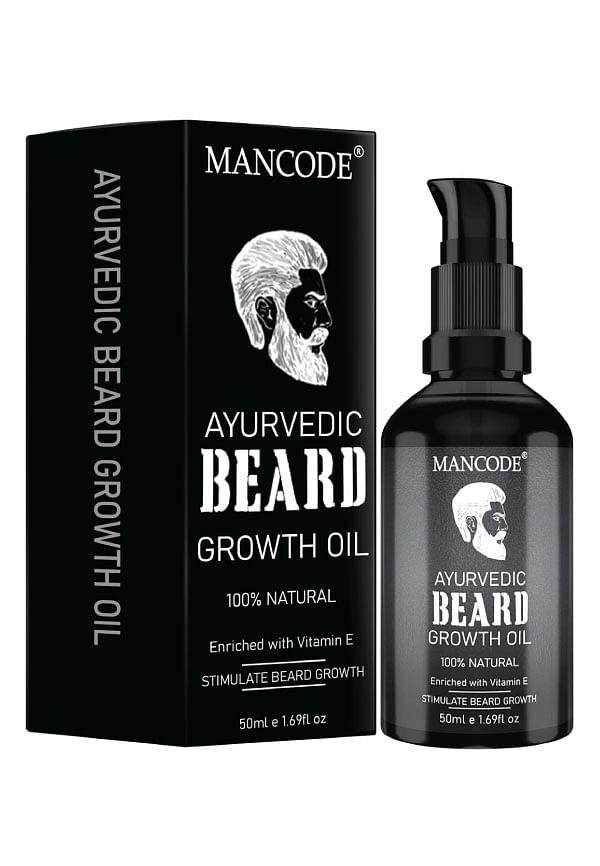
Ayurvedic Beard Growth Oil
Good for Beard Growth
5“good product fr beard hair growth which I use”
Adjusting your hair washing frequency to 2-3 times weekly during monsoon helps maintain the natural oil balance while keeping your scalp clean. Use lukewarm water instead of hot water, which can strip away protective oils and worsen hair fall.
Protective hairstyles like loose braids or buns can prevent hair breakage from humidity and wind. Avoid tight hairstyles that put stress on hair follicles, especially when hair is already vulnerable during monsoon season.
Prevention is always better than cure, especially when it comes to seasonal hair fall. Developing a monsoon-specific hair care routine can significantly reduce hair loss and maintain scalp health throughout the rainy season.
Start your day by gently detangling hair with a wide-tooth comb, working from ends to roots. Apply a light leave-in conditioner or hair serum to protect against humidity and environmental damage. If you must use heat styling tools, always use a heat protectant and keep temperatures low.
Evening care should focus on keeping your scalp dry and clean. If your hair gets wet in the rain, gently towel dry and ensure your scalp is completely dry before sleeping. Sleeping with damp hair can promote fungal growth and worsen hair fall.
Rotate between different shampoos to prevent product buildup and maintain scalp health. Use an antifungal shampoo once a week during monsoon to prevent infections. Look for ingredients like ketoconazole, zinc pyrithione, or tea tree oil in your hair care products.
Regular scalp massages with essential oils can improve blood circulation and strengthen hair follicles. Spend 5-10 minutes massaging your scalp with gentle circular motions using your fingertips, not nails.
While most seasonal hair fall resolves on its own, certain situations warrant professional intervention. Knowing when to seek help can prevent minor issues from becoming major concerns.
Sudden onset of severe hair loss where you lose significantly more than 150 strands daily should be evaluated by a dermatologist. This could indicate underlying health issues like thyroid problems, hormonal imbalances, or nutritional deficiencies that need medical treatment.
Persistent scalp infections, characterized by redness, scaling, pustules, or severe itching that doesn't respond to over-the-counter treatments, require prescription medications. Hair loss accompanied by scalp pain or tenderness also needs professional evaluation.
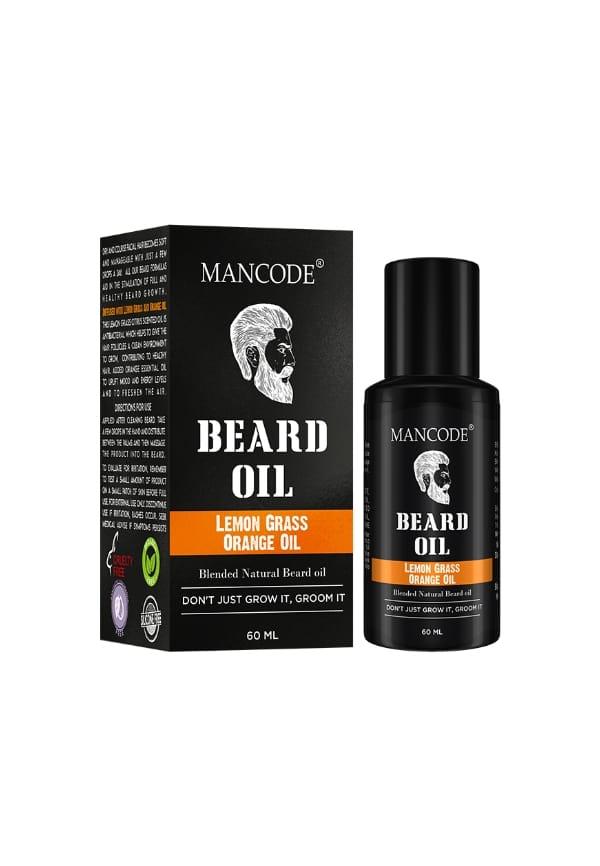
Beard Oil - Lemon Grass & Orange Oil
Great Product!
5“like it very much my brother used it for a one month nd he said it is s good product”
Dermatologists can prescribe medicated shampoos, topical treatments, or oral medications depending on the underlying cause of your hair loss. Professional scalp treatments like PRP therapy or laser therapy might be recommended for severe cases.
Early intervention often leads to better outcomes, so don't hesitate to consult a professional if your hair fall concerns persist beyond the normal monsoon period or if you notice any alarming symptoms.
Yes, increased hair fall during monsoon is completely normal. You can expect to lose 100-150 strands daily during this season, which is about 30% more than the usual 50-100 strands. This happens due to humidity, environmental changes, and seasonal stress on hair follicles.
No, consistently losing 200+ strands daily is considered excessive and requires attention. While monsoon can increase normal hair shedding, this level of hair loss might indicate underlying scalp issues, infections, or other health concerns that need professional evaluation.
Natural remedies include regular oil treatments with coconut or argan oil, maintaining proper scalp hygiene, using antifungal ingredients like tea tree oil, following a balanced diet rich in proteins and vitamins, and protecting hair from humidity with gentle styling practices.
Monsoon typically shows the highest hair fall rates in India due to extreme humidity, increased pollution mixing with rainwater, and fungal infections. However, the transition periods between seasons, especially post-monsoon and early winter, can also trigger significant hair shedding.
Absolutely! Smytten offers trial packs from trusted haircare brands, allowing you to test different products before committing to full sizes. This is particularly helpful during monsoon when your hair might react differently to products due to humidity and environmental changes.
Normal hair fall during monsoon ranges from 100-150 strands daily, representing a natural response to seasonal changes. The key is distinguishing between normal seasonal shedding and excessive hair loss that requires intervention. Focus on maintaining scalp health through proper hygiene, gentle hair care practices, and natural treatments like oil massages and protective styling.
Remember that most monsoon-related hair fall is temporary and resolves once the season ends and your hair adjusts to environmental changes. However, don't ignore persistent symptoms or dramatic increases in hair loss, as these might indicate underlying issues that need professional attention.
Dealing with monsoon hair fall doesn't have to be a stressful experience when you're armed with the right knowledge and products. Smytten makes it easier to find your perfect haircare routine by offering trial packs from over 2,400 trusted brands including specialized monsoon care products. With 100% cashback on trials and the ability to try before you buy, you can experiment with different solutions without the commitment of full-size purchases. Whether you're looking for antifungal shampoos, nourishing hair oils, or protective styling products, Smytten's curated collection helps you discover what works best for your hair during the challenging monsoon season. After all, why settle for 'maybe' when you can #TryItAll and find the perfect products to keep your hair healthy and strong throughout the rainy season!
