How Monsoon Causes Hair Loss: Understanding Humidity and Breakage

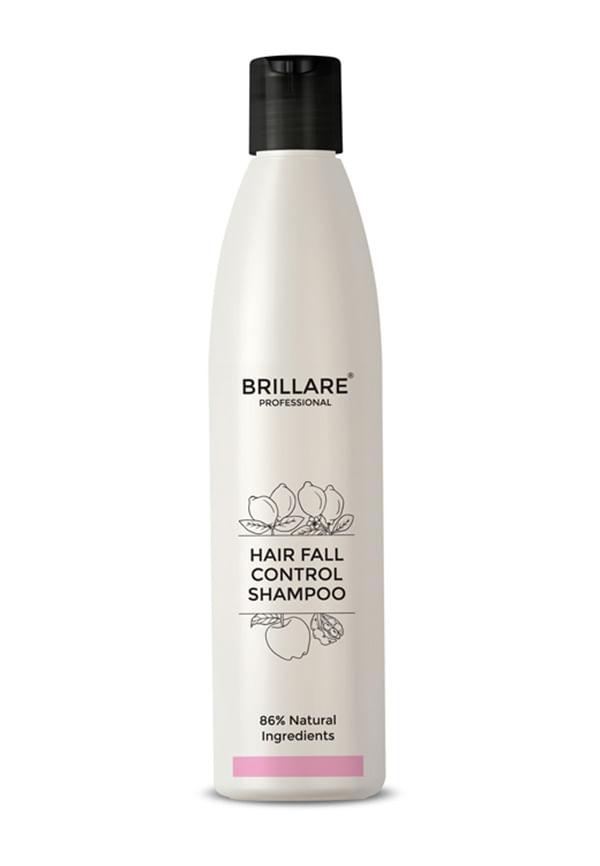
Shampoo To Reduce Seasonal Hair Fall
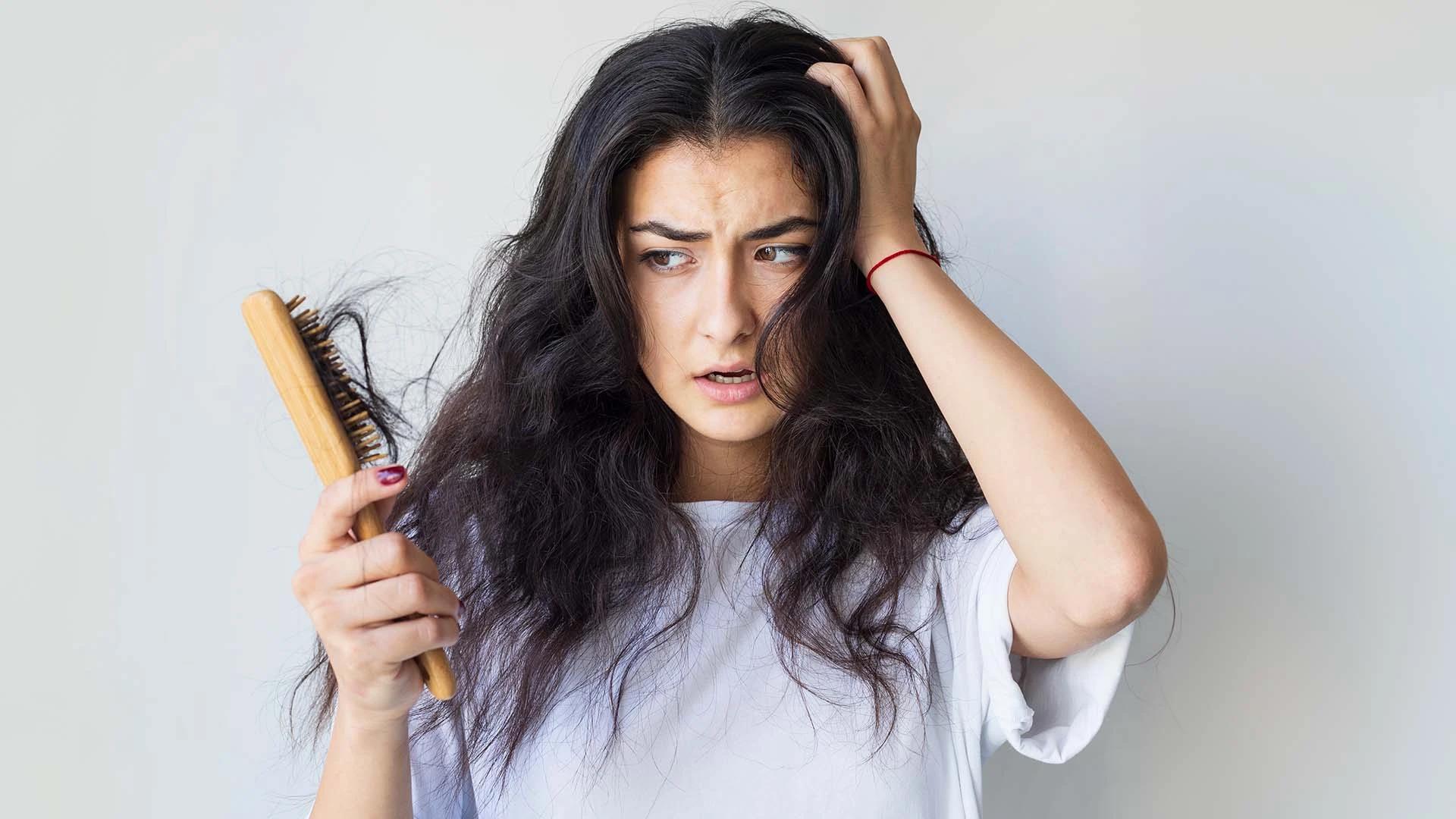
You step out of the house looking absolutely gorgeous, hair perfectly styled and ready to conquer the day. Then the monsoon hits. Within minutes, your hair transforms from sleek perfection to a frizzy, limp mess that seems to be falling out strand by strand. If this sounds familiar, you're definitely not alone. Monsoon season brings its own set of hair challenges, and understanding how monsoon causes hair loss is the first step to keeping your locks healthy through the rainy months.
Let's be real — monsoon hair fall is a proper nightmare for most of us. Research shows that hair fall can spike by up to 30% during the rainy season, which explains why your drain seems to collect more hair than usual. The main villain here? Humidity levels that shoot up from a manageable 40-60% to an overwhelming 70-90%.
Your hair follows a natural growth cycle, but monsoon weather completely disrupts this rhythm. Normally, you'd lose about 50-100 strands daily (totally normal, by the way). During monsoon, this number can jump to 150+ strands, making seasonal hair loss feel quite alarming. The combination of high humidity, temperature fluctuations, and increased moisture creates the perfect storm for hair troubles.
What makes it worse is that monsoon affects everyone differently. Some people notice their hair becoming greasier, others deal with dryness, and many experience both at different times. Your scalp basically can't decide what it wants to do, leading to an imbalanced environment that's far from ideal for healthy hair growth.
Understanding the actual mechanics of how monsoon causes hair loss helps you tackle the problem more effectively. It's not just about the weather being annoying — there's proper science behind why your hair behaves differently during this season.
High humidity is like that friend who means well but causes chaos everywhere they go. When moisture levels spike, your hair cuticles — the protective outer layer — start absorbing water and swelling up. This swelling weakens the hair shaft and makes it more prone to breakage. Think of it like a sponge that gets oversaturated and starts falling apart.
The constant moisture also leads to protein loss from your hair shaft. Your hair is primarily made of keratin (a protein), and when this gets compromised, your strands become weak and brittle. Plus, all that extra moisture messes with your hair's natural pH balance, creating an environment where problems can flourish.
Your scalp goes through its own drama during monsoon. The humidity triggers your sebaceous glands to produce more oil, thinking your scalp needs extra protection. This excess sebum, combined with sweat and environmental pollutants, creates a cocktail that can clog hair follicles and disrupt healthy growth.
The rainy season also alters your scalp's microbiome — the collection of good and bad bacteria that naturally live there. When this balance gets disrupted, it can lead to various scalp issues that directly impact hair health. Temperature fluctuations don't help either, as they affect blood circulation to your hair follicles, potentially slowing down the growth process.
Hair breakage monsoon season brings multiple challenges that work together to create the perfect recipe for hair fall. Let's break down the main culprits so you know exactly what you're dealing with.
Damp, humid conditions are basically a five-star resort for fungi and bacteria. Your scalp becomes the ideal breeding ground for microorganisms that can cause serious damage. Common infections like seborrheic dermatitis and folliculitis become more frequent during monsoon, and these directly attack your hair follicles.
Conditioner To Reduce Seasonal Hair Fall
When your scalp gets infected, the inflammation weakens hair roots and can cause premature hair fall. The scalp infection monsoon brings isn't just uncomfortable — it actively sabotages your hair growth cycle.
Dandruff monsoon problems intensify because the Malassezia fungus (responsible for most dandruff cases) absolutely loves humid weather. This fungus feeds on the excess oil your scalp produces and multiplies rapidly, leading to more flaking, itching, and irritation.
The constant scratching and inflammation from dandruff creates a hostile environment for your hair follicles. When your scalp is irritated and inflamed, it can't support healthy hair growth, leading to increased hair fall and thinning.
Monsoon weather makes you sweat more, and this sweat mixes with dirt, pollution, and excess oil to create a nasty buildup on your scalp. This accumulation clogs your hair follicles, preventing them from breathing properly and getting the nutrients they need.
Rainwater isn't exactly pure either — it picks up pollutants from the air and can deposit these contaminants on your scalp. This environmental damage adds another layer of stress to your already struggling hair follicles.
Less sunshine during monsoon means your body produces less vitamin D, which plays a crucial role in hair health. Poor weather also affects your eating habits and nutrient absorption, creating deficiencies that directly impact hair growth.
Many people also experience seasonal depression or mood changes during monsoon, which can affect their appetite and nutrition. When your body doesn't get the right nutrients, your hair is often the first thing to suffer.
Frizzy hair monsoon brings is more than just a styling issue — it's a sign that your hair cuticles are damaged and lifted. This makes your hair more vulnerable to tangling, and the more you try to detangle or style it, the more mechanical damage you cause.
Many people resort to excessive heat styling to control monsoon frizz, which only adds to the damage. The combination of humidity-induced weakness and heat damage creates a cycle that's hard to break.
Seasonal hair loss during monsoon is actually quite normal, but knowing when it crosses into concerning territory is important. Typically, monsoon-related hair fall lasts about 2-3 months and should gradually improve as the weather stabilises.
You should be concerned if you notice bald patches, severe thinning, or if hair fall continues well after monsoon season ends. Other red flags include scalp pain, excessive itching, or any unusual changes in your scalp's appearance. If your hair fall is accompanied by other symptoms like fatigue or hormonal changes, it might indicate an underlying health issue that needs attention.
Keep track of your hair fall patterns — if you're losing significantly more than 150 strands daily for extended periods, or if you notice your hair isn't growing back as it should, it's worth consulting a dermatologist or trichologist.
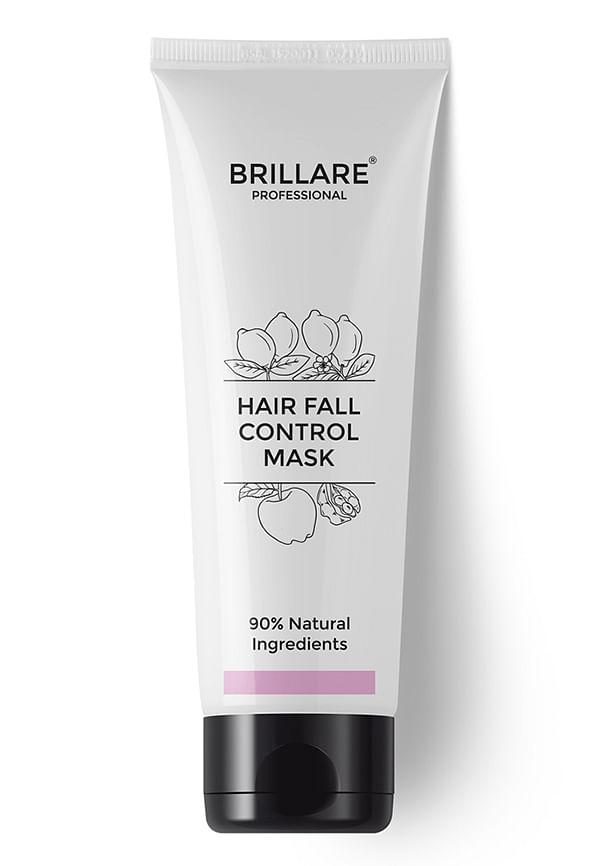
Hair Fall Control Mask To Reduce Seasonal Hair Fall
Effective haircare monsoon routines focus on maintaining scalp health while protecting your hair from environmental damage. The key is adapting your routine to work with the weather, not against it.
During monsoon, washing your hair every alternate day often works better than daily washing, which can strip natural oils and cause overproduction of sebum. Choose sulfate-free shampoos with antifungal properties to keep scalp infections at bay.
Proper drying is crucial — never leave your hair damp for extended periods as this encourages fungal growth. Use a microfibre towel to gently squeeze out excess water, then air dry or use a blow dryer on cool settings.
Hot oil treatments become your best friend during monsoon. Coconut, olive, and almond oils provide deep nourishment and create a protective barrier against humidity. Apply warm oil to your scalp and hair, massage gently, and leave for at least 30 minutes before washing.
Protein masks help strengthen hair that's been weakened by humidity. Look for treatments containing keratin or natural proteins that can help rebuild your hair's structure. Scalp exfoliation once a week helps remove buildup and keeps follicles clear.
Physical protection is often underestimated but incredibly effective. Use umbrellas, scarves, or hats to shield your hair from direct rainwater and pollution. When indoors, consider using dehumidifiers or air conditioning to control humidity levels.
Avoid tight hairstyles that put stress on already weakened hair. Loose braids, gentle ponytails, or leaving your hair down reduces mechanical damage and breakage.
Hair fall remedies using natural ingredients can be incredibly effective during monsoon season. These treatments work by addressing the root causes of seasonal hair loss while nourishing your scalp and hair.
Neem and tea tree oil are powerhouses for fighting fungal infections that thrive during monsoon. Mix a few drops with a carrier oil and massage into your scalp weekly. Fenugreek seeds soaked overnight and ground into a paste make an excellent strengthening mask.
Onion juice might smell terrible, but it's packed with sulfur that promotes hair growth. Apple cider vinegar rinses help restore your scalp's pH balance — mix one part vinegar with three parts water and use as a final rinse after shampooing.
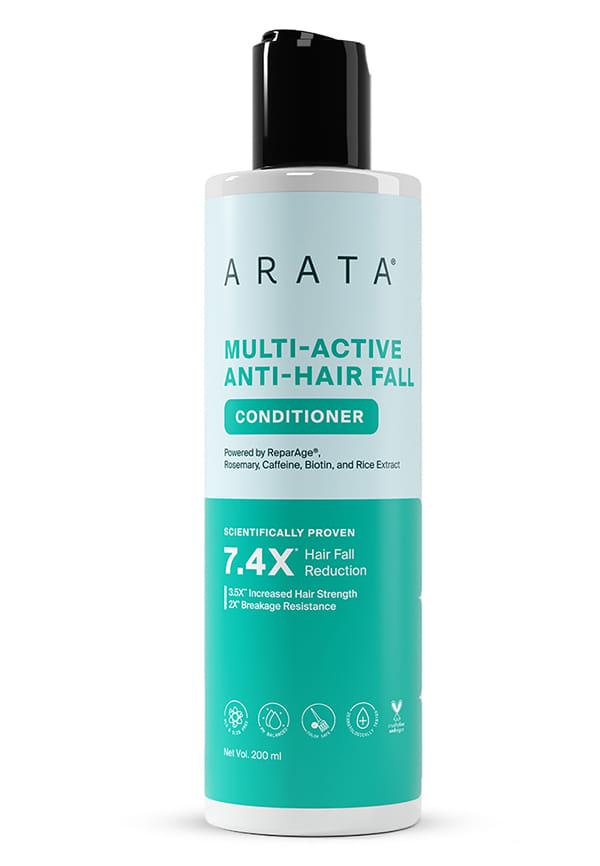
Anti-Hair Fall Conditioner for Breakage and Split-Ends Reduction
Amla and curry leaves are loaded with vitamin C and antioxidants that support hair health. Boil these together, strain the liquid, and use it as a hair rinse. Aloe vera gel directly from the plant soothes inflamed scalps and provides moisture without weighing hair down.
Hibiscus flowers and bhringraj leaves can be ground together to create a paste that promotes hair growth and adds natural shine. These traditional remedies have been used for centuries and are particularly effective during challenging weather conditions.
Sometimes home remedies aren't enough, and professional intervention becomes necessary. If you're dealing with severe hair thinning monsoon season, dermatologists can prescribe antifungal treatments that are more potent than over-the-counter options.
PRP (Platelet-Rich Plasma) therapy has shown promising results for people experiencing significant seasonal hair loss. This treatment uses your own blood platelets to stimulate hair follicles and promote growth. Nutritional supplements specifically designed for hair health can also help address deficiencies that contribute to monsoon hair fall.
For those with permanent hair loss concerns, hair transplant procedures are available, but these should only be considered after trying other treatments and consulting with specialists.
Yes, it's completely normal to experience increased hair fall during monsoon season. The high humidity, temperature fluctuations, and environmental factors can increase hair loss by up to 30%. This seasonal pattern typically lasts 2-3 months and should improve as weather conditions stabilise. However, if hair fall is excessive or continues beyond the monsoon season, it's worth consulting a healthcare professional.
Monsoon-related hair fall usually begins to subside within 2-3 weeks after humidity levels drop and weather stabilises. Complete recovery and regrowth typically take 3-6 months, as hair follows a natural growth cycle. Consistent care and proper treatment can help speed up this process and minimise damage during the monsoon season.
Yes, hair lost due to monsoon-related factors typically regrows naturally once the underlying causes are addressed. Since most monsoon hair loss is temporary and related to environmental stress rather than permanent follicle damage, your hair should return to its normal growth pattern. Maintaining good scalp health and following proper haircare routines supports this natural regrowth process.
While you can't completely prevent all monsoon-related hair issues, you can significantly reduce hair fall through proper care and preventive measures. Regular cleansing, scalp protection, maintaining good nutrition, and using appropriate hair products can minimise damage. The key is being proactive rather than reactive to monsoon hair challenges.
Understanding how monsoon causes hair loss helps you tackle the problem more effectively rather than just accepting it as inevitable. The combination of high humidity, scalp infections, and environmental factors creates multiple challenges, but each one can be addressed with the right approach.
Remember that seasonal hair loss is temporary, and with consistent care, your hair can not only survive monsoon season but actually come out stronger. Focus on maintaining scalp health, protecting your hair from environmental damage, and nourishing it with the right ingredients and treatments.
If you're looking to experiment with different haircare products to find what works best for your monsoon routine, Smytten's curated selection of trial-size products from trusted brands makes it easy to test various shampoos, conditioners, and treatments without committing to full-size bottles. This way, you can discover your perfect monsoon haircare routine while being kind to both your hair and your wallet.
