How Monsoon Causes Frizz: Understanding Humidity and Frizz
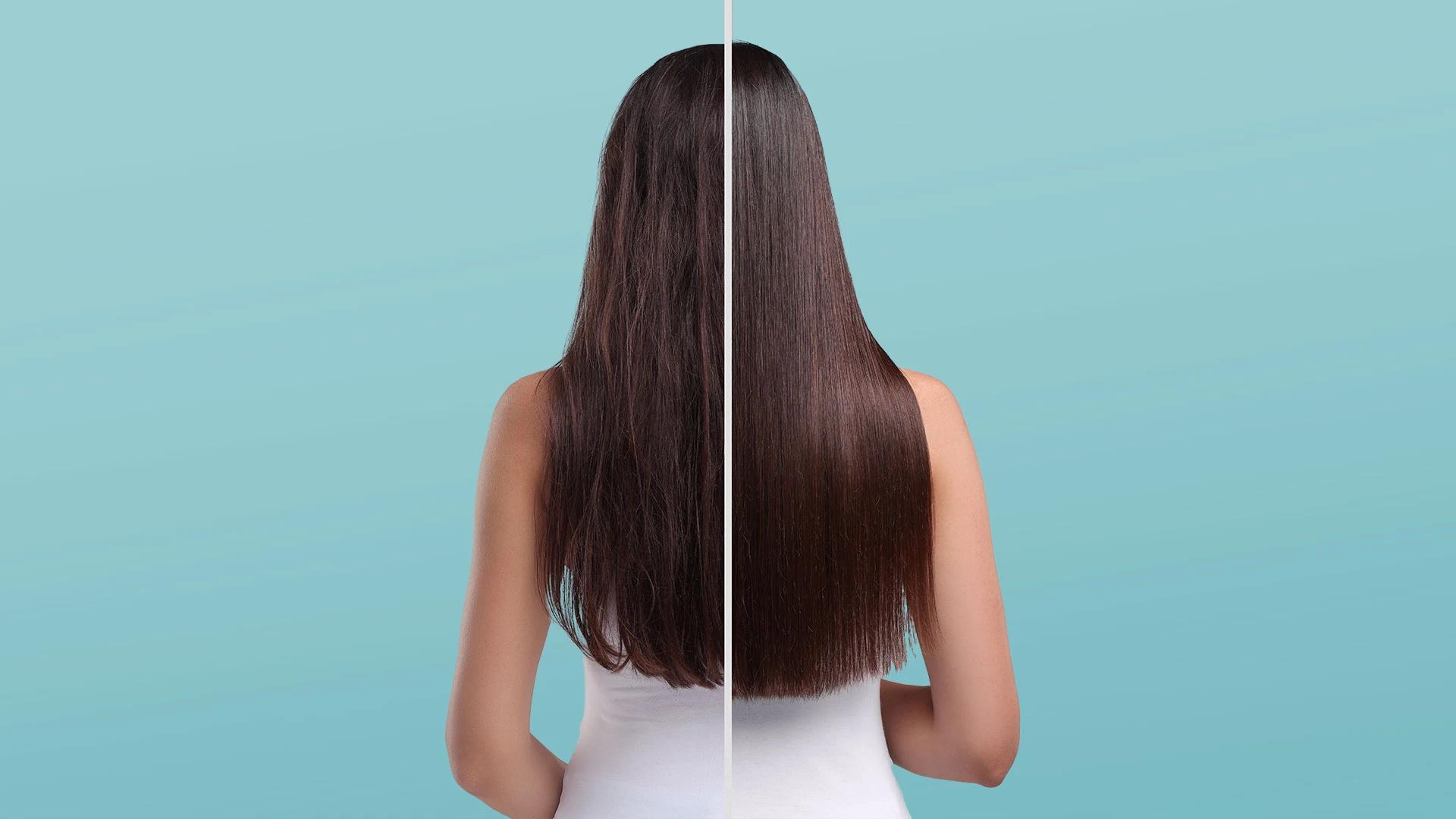

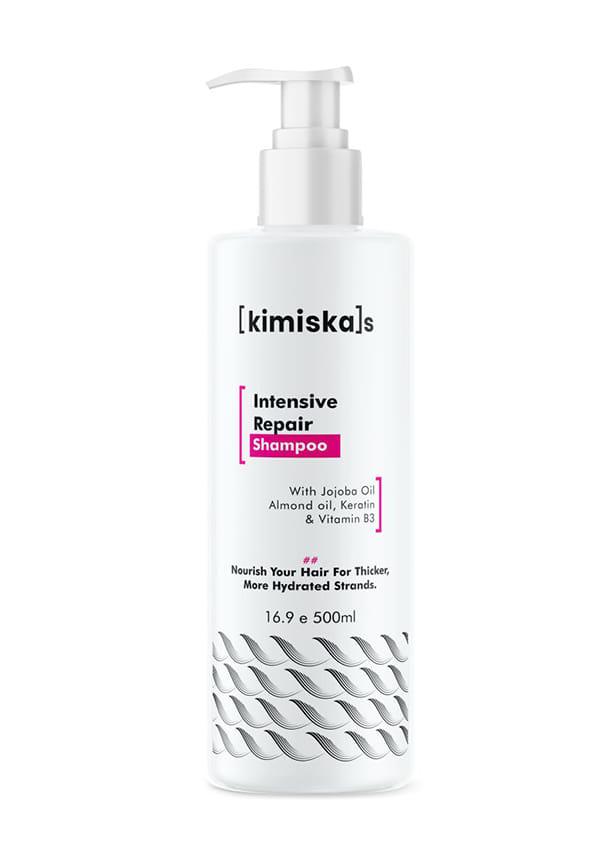
Intensive Hair Repair Shampoo for Dry and Frizzy Hair
You step out of your air-conditioned room, and within minutes, your perfectly styled hair transforms into a frizzy mess. Sound familiar? If you've ever wondered why your hair seems to have a personal vendetta against monsoon weather, you're definitely not alone. The science behind how monsoon causes frizz is actually pretty fascinating—and once you understand it, you'll be way better equipped to fight back.
Let's get real about what's actually happening to your hair when humidity hits. Your hair is made up of keratin proteins held together by hydrogen bonds—think of them as tiny invisible clips keeping everything smooth and in place. When monsoon weather rolls in with its moisture-heavy air, these bonds get disrupted faster than you can say "bad hair day."
Here's where it gets interesting: your hair shaft is naturally porous, which means it can absorb moisture from the environment. During monsoon season, the atmospheric humidity levels can reach 80-90%, and your hair basically becomes a moisture magnet. As it absorbs this excess water, the hair shaft swells up, causing the outer layer (called the cuticle) to lift and separate. This lifting creates that rough, frizzy texture we all know and dread.
The porosity of your hair plays a massive role in how severely monsoon affects you. High-porosity hair—often the result of chemical treatments, heat damage, or natural genetics—absorbs humidity much more aggressively than low-porosity hair. It's like the difference between a sponge and a sealed plastic bag when it comes to soaking up moisture.
What makes monsoon particularly challenging is the consistency of the humidity. Unlike a quick shower that you can dry off from, monsoon weather means your hair is constantly exposed to moisture-laden air for weeks or even months. This prolonged exposure keeps those hydrogen bonds in a constant state of disruption, making frizz a persistent daily struggle rather than just an occasional annoyance.
Monsoon hair care becomes crucial because this season brings a perfect storm of frizz-inducing factors. Beyond just the humidity, you're dealing with temperature fluctuations that cause your hair cuticles to expand and contract repeatedly. One moment you're in a cool, air-conditioned space, and the next you're stepping into warm, humid air—your hair doesn't know how to cope with these constant changes.
If your hair has been chemically treated—whether it's coloured, permed, or straightened—it's already in a compromised state. These treatments create microscopic gaps in your hair's protective layer, making it even more vulnerable to humidity absorption. Essentially, damaged hair acts like a super-absorbent sponge during monsoon season.
Environmental factors beyond humidity also contribute to the problem. Monsoon often brings increased pollution levels, which can coat your hair and weigh it down while simultaneously making it more porous. Wind and rain can physically rough up your hair cuticles, creating more entry points for moisture to sneak in.
Different hair types react differently to monsoon conditions. Naturally curly or coily hair tends to be more porous and therefore more susceptible to humidity-induced frizz. Fine hair might become limp and lose volume, while thick hair can become unmanageably puffy. Understanding your specific hair type's monsoon sensitivity helps you choose the right frizzy hair solutions.
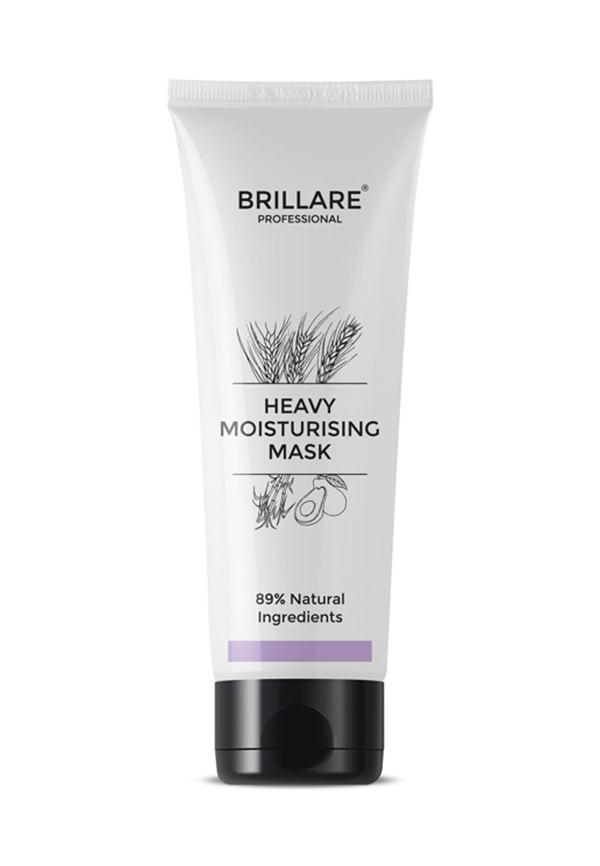
Conditioner For Dry, Frizzy Hair
Before diving into solutions, it's worth understanding exactly how your hair responds to humidity. Managing frizzy hair starts with recognising the signs that your hair is particularly humidity-sensitive. Does your hair start to feel rough or look dull within minutes of stepping outside? Do you notice certain sections—usually around your hairline or crown—that frizz up faster than others?
A simple porosity test can help you understand your hair's monsoon vulnerability. Take a clean strand of hair and drop it into a glass of water. If it sinks quickly, you have high-porosity hair that will absorb humidity aggressively. If it floats for a while before sinking, you have medium porosity. Hair that stays floating has low porosity and might actually repel moisture—lucky you!
Damage assessment is equally important for effective haircare for humid weather. Look for signs like split ends, rough texture, or areas where your hair feels particularly dry or brittle. These damaged sections will always be the first to react to humidity, often creating an uneven frizz pattern that's particularly frustrating to manage.
Pay attention to your hair's moisture balance needs throughout different parts of monsoon season. Early monsoon might require different care than peak rainy season, and your hair's needs can change as the weather patterns shift. Some people find their hair gets greasier during humid weather, while others experience increased dryness—both can lead to frizz, but they require different approaches.
Now for the good stuff—how to control frizz when monsoon weather is doing its worst. Pre-wash treatments are your first line of defence. Apply a nourishing hair oil or mask about 30 minutes before shampooing. This creates a protective barrier that helps prevent your hair from absorbing too much water during washing, which can actually contribute to frizz.
Your conditioning technique matters more during monsoon than any other time of year. Focus the conditioner from mid-length to ends, but don't completely avoid your roots if your hair is particularly dry or damaged. Leave it on for at least 3-5 minutes to allow proper moisture penetration. Rinse with cool water to help seal the hair cuticles—this step alone can significantly reduce frizz.
Heat styling during monsoon requires a strategic approach. If you must use heat tools, always apply a heat protectant and consider using lower temperatures. Blow-drying with a diffuser attachment can help maintain your hair's natural texture while reducing frizz. For air-drying, apply anti-frizz products to damp hair and avoid touching it as it dries.
Keep a small bottle of lightweight hair oil in your bag for emergency touch-ups. When you notice frizz starting to appear, apply just a tiny amount to your palms, rub them together, and gently smooth over the frizzy areas. This technique works particularly well for managing flyaways around your hairline.
The right hair products for humidity can make or break your monsoon hair game. Humidity-resistant hairsprays are absolute game-changers—look for formulas specifically designed to create a moisture barrier. Apply these after styling but before stepping out into humid air. The key is to create a protective shield without making your hair feel stiff or crunchy.
Leave-in conditioners designed for frizz prevention work by adding a protective layer to your hair shaft while providing ongoing moisture balance. Choose lightweight formulas that won't weigh your hair down—heavy products can actually make humidity-induced limpness worse, especially for fine hair types.
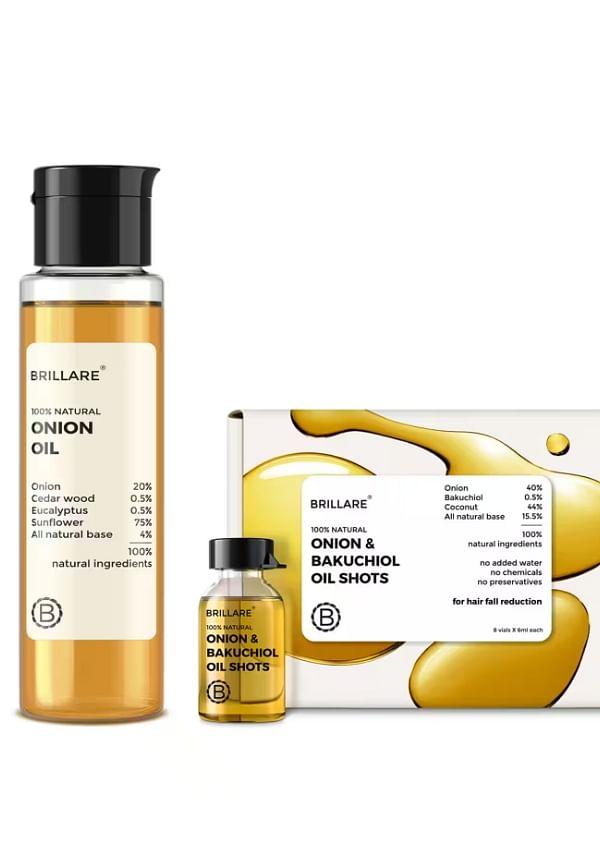
Hair & Scalp Treatment Duo for Dry, Frizzy & Hair Fall-Prone Hair
The debate between anti-frizz serums and oils often comes down to your hair type and the level of humidity you're dealing with. Serums tend to be lighter and work well for fine to medium hair, while oils provide more intensive protection for thick, coarse, or highly damaged hair. Some people find that layering both—serum first, then a tiny amount of oil—gives the best protection.
Sulfate-free shampoos become particularly important during monsoon season. Harsh sulfates can strip your hair of natural oils, making it more porous and therefore more susceptible to humidity absorption. Gentle, moisturising shampoos help maintain your hair's protective barrier while still cleaning effectively.
Weekly deep conditioning treatments are non-negotiable during monsoon. Look for masks containing ingredients like keratin, argan oil, or shea butter. These intensive treatments help fill in microscopic gaps in damaged hair, reducing its ability to absorb excess moisture from the environment.
Creating a comprehensive monsoon haircare routine is about consistency and adaptation. Your morning prep should start in the shower—use lukewarm water instead of hot, which can further damage your hair cuticles. Apply your leave-in conditioner or anti-frizz serum to damp hair, focusing on the most frizz-prone areas.
Post-wash styling techniques can make or break your entire day. If you're air-drying, apply your products and then avoid touching your hair until it's completely dry. Constant touching and scrunching can disrupt the cuticle and create more frizz. If you're blow-drying, use the cool shot button at the end to seal everything in place.
Midday touch-ups don't have to be complicated. Keep a small spray bottle with diluted leave-in conditioner for quick refreshing. Lightly mist frizzy areas and gently smooth with your hands. For more stubborn frizz, the tiny-amount-of-oil technique mentioned earlier works wonders.
Evening protection is often overlooked but equally important. If you're planning to sleep with damp hair, apply a small amount of leave-in treatment and braid or loosely tie your hair to prevent friction frizz. Silk or satin pillowcases can also help reduce overnight frizz formation.
Your weekly deep treatment schedule should include a clarifying shampoo once every two weeks to remove product buildup, followed by an intensive conditioning mask. This helps reset your hair's condition and ensures your daily products can work effectively.
During monsoon, consistently moisture-laden air causes even well-behaved hair to react. Dry, chemically treated, or naturally coarse hair absorbs atmospheric moisture more aggressively, significantly worsening frizz. The high humidity levels disrupt the hydrogen bonds in your hair's keratin structure, causing the hair shaft to swell and the cuticle to lift.
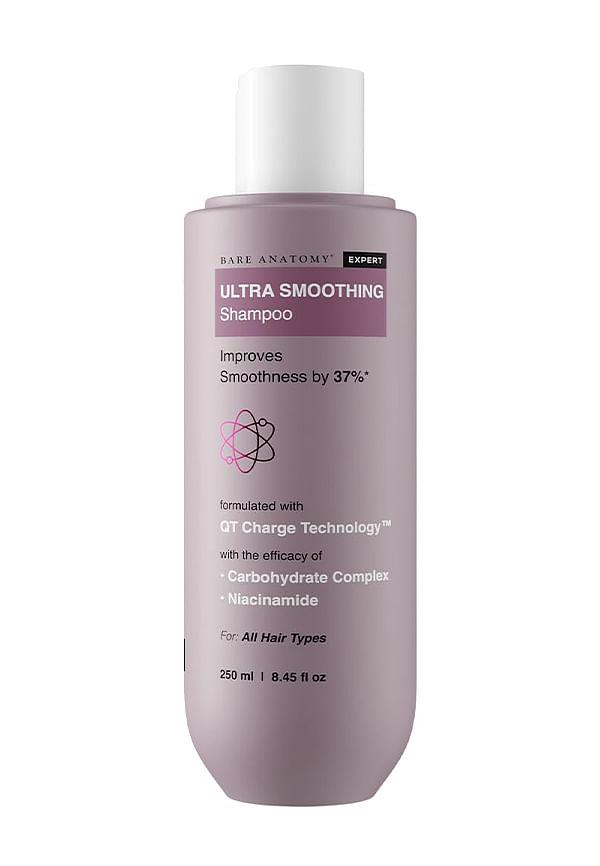
Ultra Smoothing Shampoo for Dry and Frizzy Hair
Absolutely. Humid weather disrupts hydrogen bonds in your hair's keratin structure. When your hair absorbs excess moisture from the environment, it causes the shaft to swell and the cuticle to lift, resulting in loss of shape and increased curl or wave. This is why your hair might look completely different on a rainy day compared to a dry one.
Start with proper conditioning during your wash routine, focusing on damaged areas. For on-the-go fixes, apply small amounts of lightweight hair oil to smooth frizzy sections. If you have time, you can re-style sections with a blow dryer on cool settings. Prevention works better than fixing, so use humidity-resistant products before stepping out.
Curly, coily, chemically processed, and high-porosity hair types experience the most severe frizz during monsoon. These hair types have a natural tendency to absorb environmental moisture more readily. However, even naturally straight hair can become frizzy if it's been damaged by heat styling or chemical treatments.
Monsoon-induced frizz typically lasts as long as the humid weather conditions persist. However, with proper care and the right products, you can significantly reduce frizz within a few days of starting a targeted routine. Severely damaged hair might take several weeks of consistent treatment to show improvement.
Understanding how monsoon causes frizz is the first step towards conquering it. The combination of high humidity, temperature fluctuations, and environmental factors creates the perfect storm for frizzy hair, but armed with the right knowledge and products, you can definitely win this battle.
Remember that consistency is key—sporadic treatments won't give you the results you're looking for. Your hair needs time to adjust to new products and routines, especially if it's been damaged. Start with the basics: gentle cleansing, proper conditioning, and protective styling, then build from there.
The most important thing to remember is that different hair types require different approaches. What works for your friend's fine, straight hair might not work for your thick, curly hair. Pay attention to how your hair responds to different products and techniques, and don't be afraid to adjust your routine as needed.
If you're still figuring out which products work best for your hair type, Smytten offers trial-size versions of many anti-frizz and humidity-control products—a smart way to test different formulas before committing to full-size bottles. With the right approach and a bit of patience, you can definitely achieve frizz-free hair even during the most challenging monsoon weather.
