How Monsoon Affects Hair Fall: Causes and Solutions

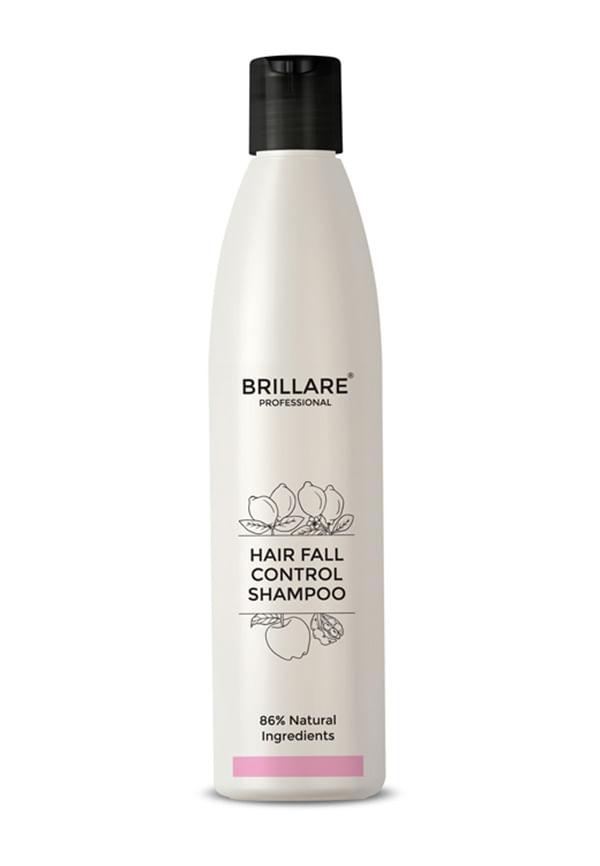
Shampoo To Reduce Seasonal Hair Fall
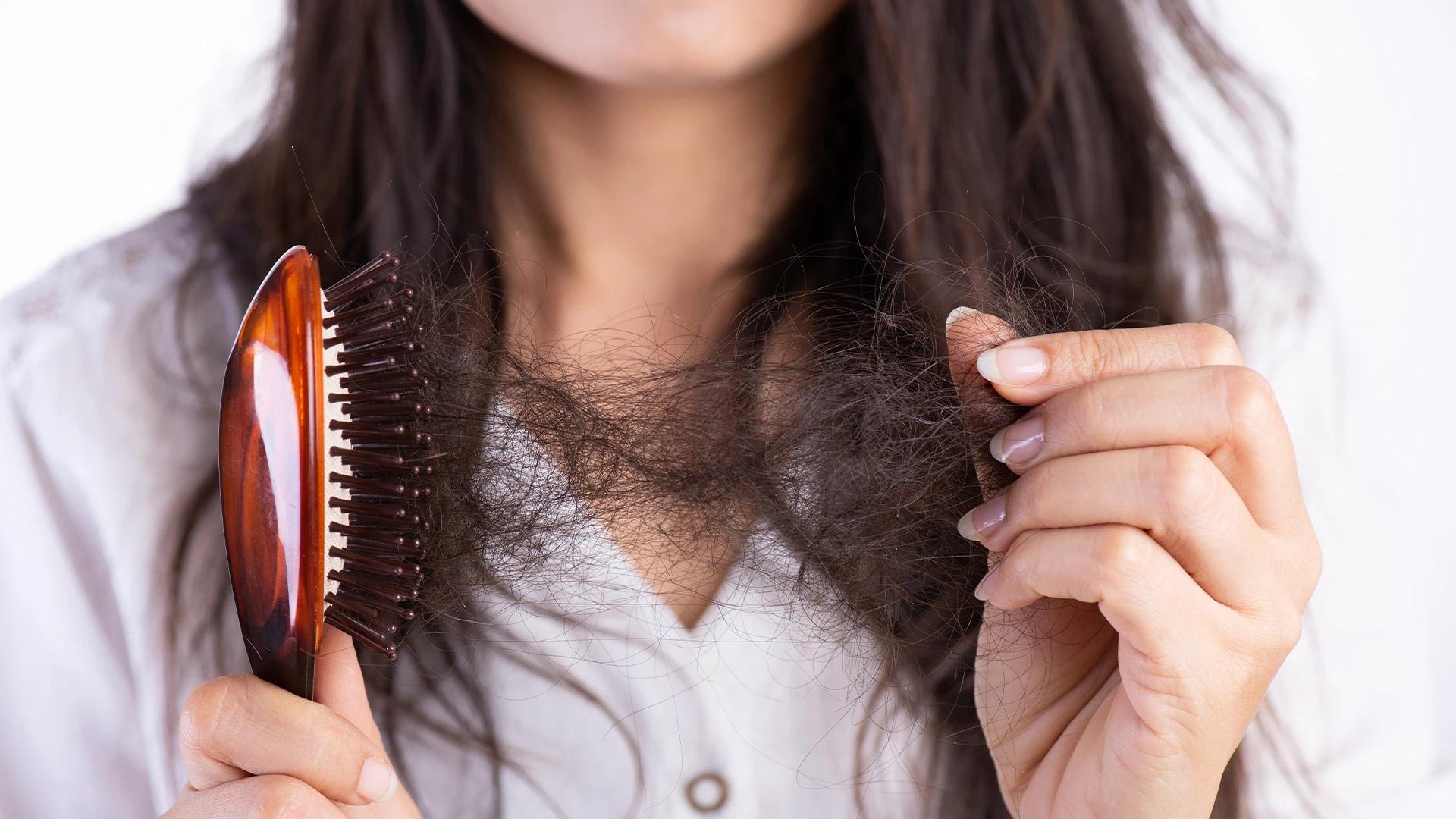
Picture this: you're getting ready for work, running your fingers through your hair, and suddenly your palm is full of strands. Again. If this sounds familiar, you're not alone. Monsoon season brings its own set of hair challenges, and increased hair fall tops the list. Between the humidity, constant dampness, and those unpredictable weather changes, your hair is basically fighting a battle every single day. Let's dive into why this happens and, more importantly, what you can actually do about it.
Real talk – yes, losing more hair during monsoon is completely normal. Your usual 50-100 strands per day can easily jump to 150-250 strands when the humidity kicks in. The science behind it is pretty straightforward: high moisture levels cause your hair shaft to swell, making each strand weaker and more prone to breaking.
Think of your hair like a sponge. When it absorbs moisture from the humid air, it expands and contracts repeatedly throughout the day. This constant movement weakens the hair structure, leading to breakage and fall. The hair cuticle – that protective outer layer – gets damaged from all this moisture exposure, making your strands fragile.
In India, where monsoon humidity can reach 80-90%, this effect is particularly pronounced. Your hair is essentially on a moisture rollercoaster, and seasonal hair fall becomes inevitable. However, if you're losing more than 300 strands daily or noticing bald patches, that's when you should consider consulting a dermatologist.
The good news? This type of hair fall is temporary. Once your hair adjusts to the seasonal changes and you implement the right monsoon hair care routine, things usually settle down. The key is understanding what's happening and taking proactive steps to minimise the damage.
Understanding the root causes of monsoon-related hair fall helps you tackle the problem more effectively. It's not just about humidity – several factors work together to create the perfect storm for hair loss during rainy season.
Humidity and hair loss go hand in hand because moisture changes your hair's structure at a molecular level. When hair absorbs water from humid air, the hydrogen bonds that give hair its shape break and reform repeatedly. This process weakens the hair shaft, leading to increased breakage and split ends. Your hair becomes more porous and fragile, making it susceptible to damage from even gentle handling like brushing or styling.
The constant moisture during monsoon creates an ideal breeding ground for bacteria and fungi on your scalp. Poor air circulation under umbrellas, wet hair tied up for hours, and increased sweating all contribute to scalp infections. These infections can cause inflammation around hair follicles, leading to hair fall. Dandruff, seborrheic dermatitis, and other scalp conditions often flare up during this season, further contributing to hair loss.
An oily scalp during monsoon is incredibly common due to increased humidity and reduced evaporation of natural oils. Your sebaceous glands work overtime, producing excess sebum that mixes with sweat, pollution, and dead skin cells. This combination clogs hair follicles, preventing healthy hair growth and causing existing hair to fall out prematurely. The trapped oil and debris can also lead to folliculitis, an inflammatory condition that weakens hair roots.
Monsoon season often brings reduced sun exposure, leading to vitamin D deficiency – crucial for hair growth. Additionally, people tend to eat more fried, processed foods during rainy days, missing out on essential nutrients like iron, zinc, and biotin. Poor digestion due to seasonal changes can also affect nutrient absorption, impacting hair health from within.
Monsoon-related mood changes, disrupted sleep patterns, and reduced physical activity all contribute to stress levels. Chronic stress triggers the release of cortisol, which can push hair follicles into the resting phase prematurely, causing increased hair fall. The lack of sunlight can also affect serotonin levels, impacting overall well-being and hair health.
Conditioner To Reduce Seasonal Hair Fall
Products that work perfectly in dry weather might not be suitable for humid conditions. Heavy oils and creams can weigh hair down and attract more moisture, while frequent washing with harsh shampoos can strip natural oils, causing the scalp to produce even more sebum. Chemical buildup from styling products becomes more problematic in humid weather, clogging follicles and causing irritation.
Not all hair types react the same way to monsoon conditions. Understanding your specific hair type's vulnerabilities helps you choose the right prevention strategies and products for effective monsoon hair care.
If you already have oily hair, monsoon can feel like a nightmare. The increased humidity makes your scalp produce even more oil, leading to greasy roots within hours of washing. This excess oil attracts dirt and pollution, creating a breeding ground for bacteria. You might find yourself washing your hair daily, which can actually stimulate more oil production and cause hair fall from over-manipulation.
Dry hair during monsoon faces a different challenge – moisture imbalance. While the air is humid, your hair might not be absorbing moisture effectively due to damaged cuticles. This leads to increased brittleness and hair breakage. The constant humidity can also cause dry hair to become frizzy and unmanageable, leading to more breakage from styling attempts.
Curly hair naturally has a more porous structure, making it highly susceptible to humidity. The moisture in the air disrupts curl patterns, causing frizz and making hair difficult to manage. This often leads to excessive brushing and styling, which can cause significant hair breakage during monsoon season.
Prevention is always better than cure, especially when it comes to seasonal hair fall. These proven strategies can significantly reduce hair loss and keep your scalp healthy throughout the monsoon season.
Your scalp is the foundation of healthy hair, so keeping it clean and balanced is crucial. Wash your hair 2-3 times per week with a gentle, clarifying shampoo to remove excess oil and buildup without over-drying. Use lukewarm water instead of hot water, which can strip natural oils and stimulate more sebum production.
Incorporate scalp massages into your routine using natural oils like neem or tea tree oil, which have antifungal properties. These massages improve blood circulation and help prevent scalp infections. Apply the oil to your scalp, massage gently for 5-10 minutes, and leave it on for 30 minutes before washing.
Proper washing technique becomes even more important during monsoon. Focus shampoo on your scalp rather than the lengths of your hair, and use conditioner only on the mid-lengths and ends. Rinse thoroughly to prevent product buildup, which can attract moisture and cause scalp issues.
When drying your hair, avoid vigorous towel rubbing which can cause breakage. Instead, gently squeeze out excess water and pat your hair dry. Air drying is preferable to heat styling, but if you must use a blow dryer, use the cool setting and keep it at least 6 inches away from your hair.
Choose hairstyles that protect your hair from constant moisture exposure. Loose braids, low buns, and updos keep hair away from your neck and reduce humidity exposure. Avoid tight hairstyles that can cause tension and breakage, especially when hair is wet and more fragile.
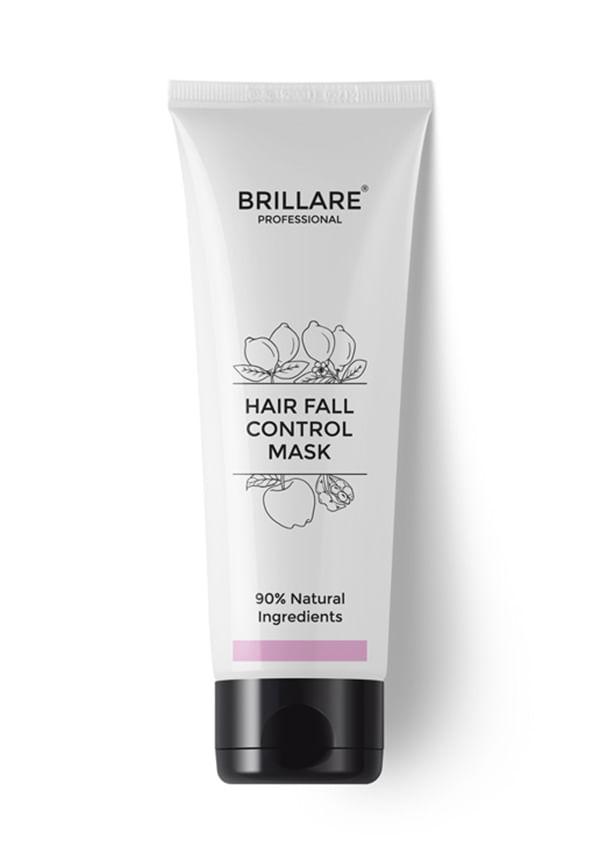
Hair Fall Control Mask To Reduce Seasonal Hair Fall
Use hair accessories made from natural materials like silk or satin scrunchies that don't snag hair. At night, sleep on a silk pillowcase or wrap your hair in a silk scarf to reduce friction and prevent breakage.
If you're already experiencing increased hair fall, these targeted solutions can help reduce loss and promote healthier hair growth during the challenging monsoon months.
Neem and tea tree oil treatments are particularly effective during monsoon due to their antifungal and antibacterial properties. Mix a few drops of tea tree oil with a carrier oil like coconut or jojoba oil, apply to your scalp, and leave for 30 minutes before washing. This helps prevent scalp infections that contribute to hair fall.
Onion juice and aloe vera masks can stimulate hair growth and soothe irritated scalps. Blend fresh onion juice with aloe vera gel, apply to your scalp, and leave for 45 minutes before washing with a mild shampoo. The sulfur in onions promotes collagen production, while aloe vera provides moisture and reduces inflammation.
Apple cider vinegar rinses help balance scalp pH and remove product buildup. Mix one part apple cider vinegar with three parts water, use as a final rinse after shampooing, and follow with a light conditioner on the ends only.
Consider professional scalp treatments at salons that specialise in deep cleansing and nourishing treatments. These can help remove stubborn buildup and provide intensive care for damaged hair follicles. Medicated shampoos containing ketoconazole or selenium sulfide can help control fungal growth if you're experiencing persistent scalp issues.
Hair spa therapies that include steam treatments can be beneficial, as they help open hair cuticles and allow deep conditioning treatments to penetrate effectively. However, ensure the salon follows proper hygiene protocols to avoid introducing infections.
Focus on foods rich in protein, iron, and vitamins during monsoon. Include eggs, fish, leafy greens, nuts, and seeds in your diet. Vitamin D supplements might be necessary due to reduced sun exposure. Stay hydrated by drinking plenty of water and herbal teas, which help maintain scalp health from within.
Maintain regular exercise routines even during rainy days. Indoor workouts help reduce stress and improve blood circulation, both crucial for healthy hair growth. Practice stress management techniques like meditation or yoga to keep cortisol levels in check.
Choosing the right products for humid weather can make a significant difference in preventing hair fall and maintaining scalp health throughout the monsoon season.
Clarifying shampoos are your best friend during monsoon. Look for formulas that remove excess oil and buildup without being too harsh. Sulfate-free options are gentler on the scalp while still providing effective cleansing. Use these 1-2 times per week, alternating with a milder daily shampoo.
Lightweight conditioners that don't weigh hair down are essential. Avoid heavy, creamy formulas that can make hair look greasy in humid weather. Instead, opt for gel-based or water-based conditioners that provide moisture without residue.
Anti-frizz serums containing silicones can create a protective barrier against humidity. Apply a small amount to damp hair, focusing on the mid-lengths and ends. Scalp tonics with ingredients like salicylic acid can help control oil production and prevent follicle blockage.
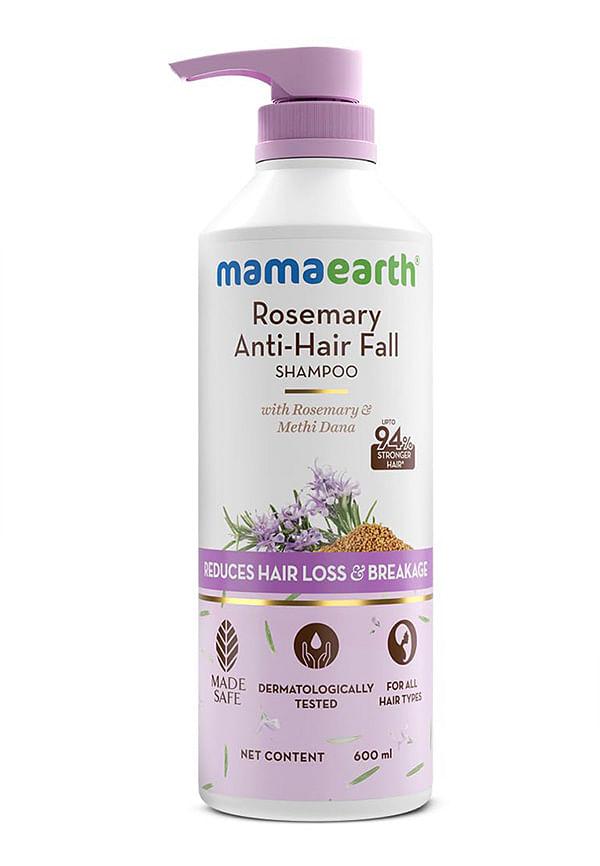
Rosemary Anti-Hair Fall Shampoo with Rosemary & Methi Dana for Reducing Hair Loss & Breakage
Salicylic acid is excellent for oily scalp conditions as it gently exfoliates and unclogs follicles. Hyaluronic acid provides lightweight hydration without greasiness, perfect for maintaining moisture balance. Natural antifungals like tea tree oil, neem extract, and zinc pyrithione help prevent scalp infections.
Protein treatments containing keratin or hydrolysed proteins can strengthen weakened hair shafts, reducing breakage. However, use these sparingly – once every 2-3 weeks – as overuse can make hair brittle.
Heavy oils and thick creams can weigh hair down and attract more moisture and dirt. Sulfate-heavy shampoos can strip natural oils, causing the scalp to overproduce sebum. Alcohol-based styling products can dry out hair excessively, making it more prone to breakage in humid conditions.
Avoid over-moisturising treatments during monsoon, as your hair is already dealing with excess moisture from the environment. Products with too many silicones can also build up quickly in humid weather, requiring more frequent clarifying.
Yes, increased hair fall during monsoon is completely normal due to high humidity levels affecting hair structure. While normal daily hair loss ranges from 50-100 strands, monsoon can increase this to 150-250 strands due to hair shaft swelling and weakening from constant moisture exposure.
Hair fall typically peaks during monsoon months (June-September in India) when humidity levels are highest. The transition periods at the beginning and end of monsoon can also see increased hair fall as your hair adjusts to changing environmental conditions.
Use gentle cleansing routines with lukewarm water, apply neem or tea tree oil treatments weekly, maintain proper scalp hygiene, eat protein-rich foods, and protect hair from constant moisture exposure. Natural remedies like onion juice masks and apple cider vinegar rinses can also help strengthen hair and balance scalp pH.
Humidity causes hair to absorb moisture from the air, leading to hair shaft swelling and cuticle damage. This repeated swelling and contracting weakens the hair structure, making strands more fragile and prone to breakage. The constant moisture exposure also disrupts the hydrogen bonds that maintain hair strength.
Consult a dermatologist if you're losing more than 300 strands daily, notice bald patches or thinning areas, experience severe scalp irritation or persistent dandruff, or if excessive hair fall continues beyond the monsoon season into drier months.
Monsoon hair fall might feel overwhelming, but understanding the causes helps you tackle it effectively. The combination of humidity, scalp infections, and lifestyle changes creates the perfect storm for hair loss, but with the right prevention strategies and solutions, you can minimise damage and maintain healthy hair throughout the rainy season.
Remember, consistency is key when it comes to monsoon hair care. Stick to a gentle routine, choose products suited for humid weather, and don't forget about scalp health. Most importantly, be patient – seasonal hair fall is temporary, and with proper care, your hair will bounce back stronger.
Looking to try different haircare products without committing to full sizes? Smytten offers trial-size versions of many professional haircare brands, letting you find what works best for your hair type during monsoon season. It's a smart way to discover your perfect monsoon hair care routine without the guesswork.
