How Fish Oil Transforms Your Hair Health Naturally


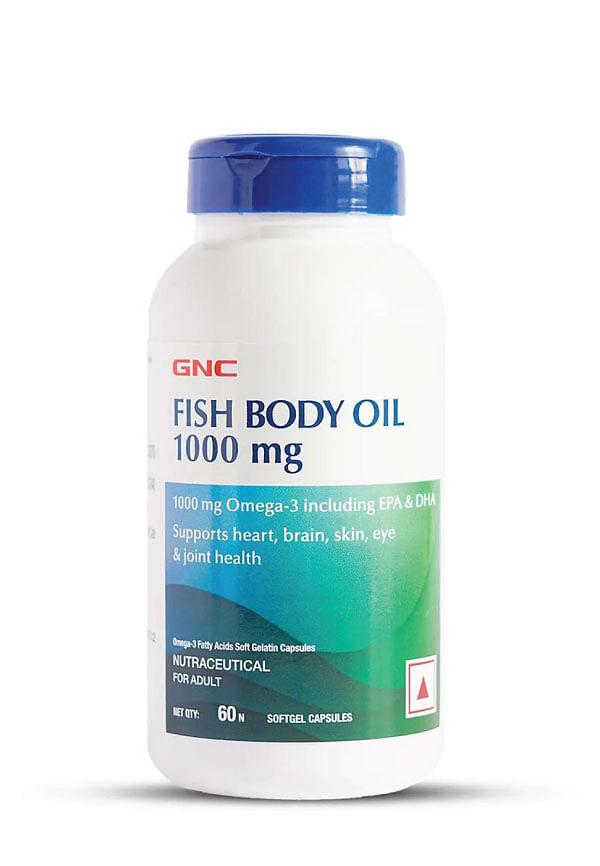
Fish Body Oil For Men & Women | 1000Mg Omega-3S With Epa & Dha
Positive Product Review
 5
5“i really like this product and it's very good 😊”
Positive Packaging Feedback
5“packaging is good and works well”
Excellent for Daily Use
4“goooooooooooood for daily useee”
Let's be real—when your hair starts looking more like a tumbleweed than the glossy locks you see on Instagram, you'll try just about anything. Fish oil might not be the first thing that comes to mind when you think about haircare, but this omega-3 powerhouse could be exactly what your strands have been crying out for. From strengthening follicles to creating the perfect scalp environment, fish oil works from the inside out to transform your hair health naturally. Ready to discover why this supplement deserves a spot in your daily routine?
Spoiler alert: yes, fish oil is genuinely good for your hair, and there's proper science to back it up. The magic lies in those omega-3 fatty acids—specifically EPA (eicosapentaenoic acid) and DHA (docosahexaenoic acid)—that your body can't produce on its own. These essential fats work like tiny repair crews for your hair follicles. They reduce inflammation around the scalp, improve blood circulation, and provide the building blocks your hair needs to grow strong and healthy. Think of omega-3s as the premium fuel your hair follicles have been waiting for.
The fish oil benefits for hair come down to three key mechanisms. First, omega-3 fatty acids have powerful anti-inflammatory properties that calm irritated scalp conditions. When your scalp is inflamed, hair growth slows down and existing strands become weak and brittle. Second, these healthy fats improve blood flow to your scalp, ensuring hair follicles get all the nutrients they need. Better circulation means stronger, faster-growing hair that's less likely to fall out prematurely.
A six-month study showed that women taking omega-3 supplements experienced an 80% improvement in hair density and thickness. That's not just a small change—that's the kind of transformation that gets noticed. Compared to other haircare supplements, fish oil stands out because it addresses multiple hair health factors simultaneously. While biotin focuses mainly on keratin production, omega-3s tackle inflammation, circulation, and follicle strength all at once.
Your hair growth cycle has three phases: anagen (growth), catagen (transition), and telogen (rest). Most people don't realise that fish oil for hair growth works by extending that crucial anagen phase, giving your hair more time to grow longer and stronger. During the anagen phase, which typically lasts 2-7 years, your hair follicles are actively producing new hair cells. Omega-3 fatty acids help maintain this phase by keeping follicles healthy and well-nourished. When follicles are inflamed or lacking nutrients, they shift into the resting phase too early, leading to shorter, thinner hair.
Omega-3s work at the cellular level to strengthen hair follicles from the root up. They help maintain the structural integrity of cell membranes, ensuring that nutrients can flow in and waste products can flow out efficiently. This improved cellular function translates to hair that grows faster, stays in the growth phase longer, and resists damage from environmental stressors like pollution and UV rays.
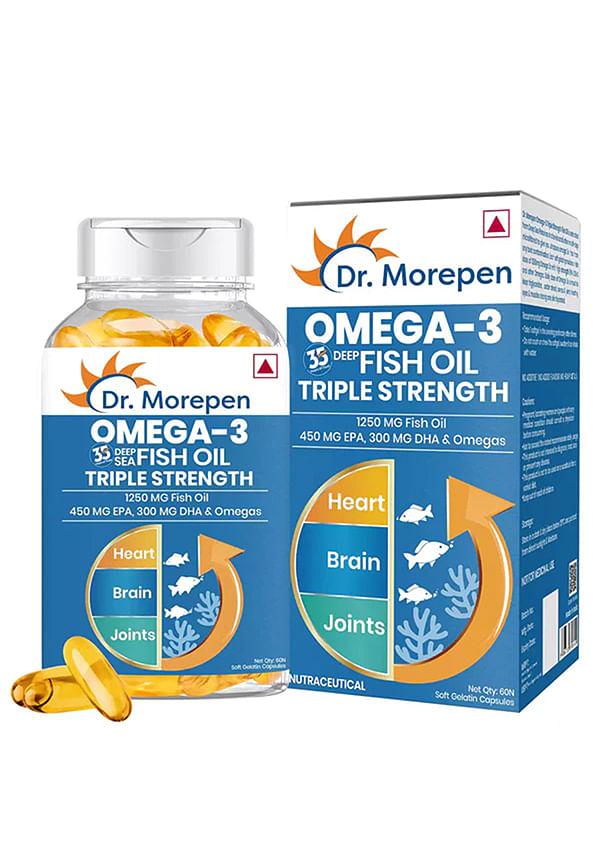
Omega 3 Deep Sea Fish Oil Triple Strength for Healthy Heart, Brain & Joints, 1250mg - 60 Softgels
If you're dealing with fine or thinning hair, omega-3s can help increase the diameter of individual hair strands. This happens because well-nourished follicles produce stronger, more robust hair fibres. Most people start noticing improvements in hair thickness within 3-4 months of consistent fish oil supplementation. The key word here is consistent—your hair follicles need time to cycle through and produce new, healthier strands.
Hair loss isn't just about genetics—inflammation plays a massive role in weakening follicles and shortening the hair growth cycle. This is where fish oil hair loss prevention really shines, because omega-3s are natural inflammation fighters. Chronic inflammation around hair follicles can make them more sensitive to DHT (dihydrotestosterone), the hormone responsible for pattern baldness. When follicles are inflamed, they shrink faster and produce progressively thinner hair until they eventually stop producing hair altogether.
Inflammation creates a hostile environment for hair growth. It restricts blood flow, depletes nutrients, and triggers the production of inflammatory compounds that directly damage follicle cells. Fish oil's anti-inflammatory action helps break this cycle. By reducing inflammation markers in the scalp, omega-3s create a healthier environment where follicles can function optimally and resist DHT sensitivity.
Unlike pharmaceutical treatments that target specific pathways, fish oil takes a holistic approach to hair health. It won't give you the dramatic results of minoxidil or finasteride, but it also won't come with potential side effects like scalp irritation or hormonal changes. Many people find that combining fish oil with other treatments enhances overall results while reducing the need for higher doses of pharmaceutical options.
Your scalp is basically the soil where your hair grows, and fish oil for scalp health works like premium fertiliser. A healthy scalp means healthy hair—it's that simple. Omega-3s help regulate sebum production, keeping your scalp moisturised without being greasy. They also support the skin barrier function, protecting against environmental damage and reducing sensitivity to styling products.
If you're dealing with dry, flaky scalp or dandruff, omega-3s can provide significant relief. These healthy fats help restore the scalp's natural moisture barrier and reduce the inflammation that often underlies persistent dandruff. Seborrheic dermatitis, a more severe scalp condition characterised by red, scaly patches, also responds well to omega-3 supplementation. The anti-inflammatory effects help calm irritated skin and reduce flaking.
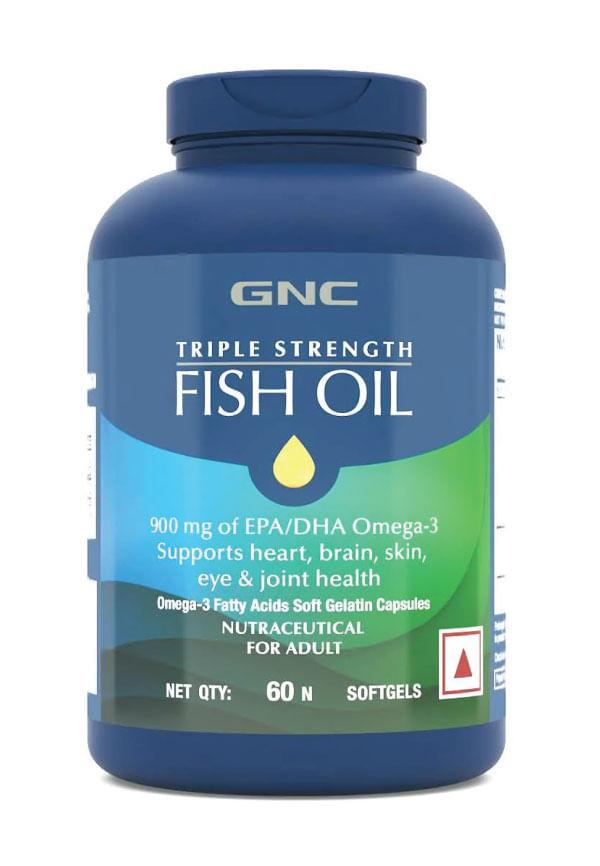
Triple Strength Fish Oil Omega 3 Capsules For Men & Women
Great Product
5“amazing product, work nicely..”
Positive Product Impact
5“Good product. helped lowering bad cholestrol and also helped onn skin”
Positive Product Review
5“I finish my bottle. nice one 😺”
While most benefits come from taking fish oil orally, some people experiment with applying fish oil directly to their scalp. However, oral supplementation is generally more effective because it addresses systemic inflammation and provides nutrients to follicles through the bloodstream. If you're curious about topical application, look for haircare products that contain omega-3-rich ingredients rather than applying pure fish oil, which can be messy and potentially irritating.
The supplement aisle can feel overwhelming when you're trying to figure out what's actually worth your money. Fish oil often gets compared to biotin, but these supplements work in completely different ways. Biotin focuses on keratin production—the protein that makes up your hair structure. Fish oil, on the other hand, creates the optimal environment for hair growth by reducing inflammation and improving circulation. For best results, many people benefit from taking both.
Biotin deficiency is actually quite rare, so unless you have a specific deficiency, biotin supplements might not make a huge difference. Fish oil, however, provides benefits that most people's diets lack, especially if you don't eat fatty fish regularly. Studies comparing the two show that fish oil tends to produce more noticeable improvements in overall hair health, while biotin mainly helps with hair strength and reduces breakage.
Fish oil works best as part of a comprehensive approach to hair health. Pairing it with adequate protein, iron, vitamin D, and zinc creates the perfect nutritional foundation for strong, healthy hair growth. Whole food sources of omega-3s include fatty fish like salmon, mackerel, and sardines. However, most people find it easier to get consistent doses through high-quality supplements, especially if they don't enjoy eating fish regularly.
Getting the dosage right is crucial for seeing actual results. Most studies showing hair benefits used doses containing 1-2 grams of combined EPA and DHA daily. That's typically 2-3 standard fish oil capsules, depending on the concentration. Timing matters too—taking fish oil with meals improves absorption and reduces the chance of that fishy aftertaste that puts many people off. If you're prone to digestive upset, start with a lower dose and gradually increase.
For hair health specifically, aim for at least 1000mg of combined EPA and DHA daily. Some people benefit from higher doses, but it's worth starting conservatively and assessing how your body responds. Taking fish oil with breakfast or lunch tends to work better than evening doses, as the healthy fats can provide sustained energy throughout the day.
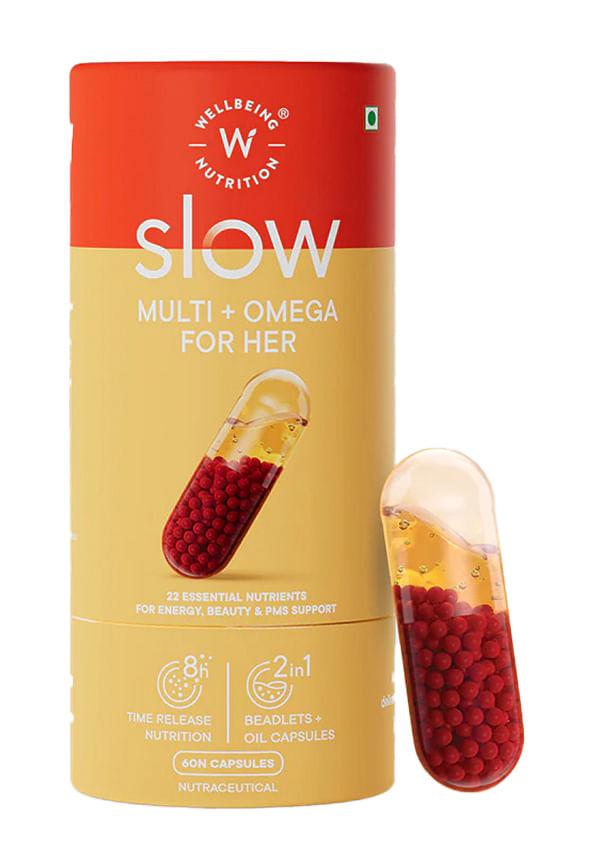
Slow Multi + Omega for Her Multivitamin for Women
Excellent Daily Product
5“good product and great product for daily use”
Soft and Wrinkle-Free Skin
5“I hvae been using it for 3 mothns and it helps my skin feels soft and wrinkle free now ”
Most people tolerate fish oil well, but some experience mild digestive upset, especially when starting. Choosing high-quality, purified supplements reduces the risk of contaminants and often minimises side effects. If you're taking blood-thinning medications, check with your doctor before starting fish oil, as omega-3s can enhance anticoagulant effects. Whether you're exploring fish oil or other haircare supplements, platforms like Smytten make it easier to discover what works for your unique needs. With trial packs from over 1,500 trusted brands, you can explore different approaches to hair health without committing to full-size products. This way, you can find your perfect haircare routine through trial and discovery, ensuring you never have to settle for products that don't deliver results.
Most people start noticing improvements in hair texture and scalp health within 6-8 weeks, but significant changes in hair growth and thickness typically take 3-4 months. Hair grows slowly, so patience is key.
Yes, fish oil combines well with most other supplements. It's particularly effective when paired with biotin, vitamin D, and iron. Just avoid taking multiple omega-3 supplements simultaneously to prevent excessive doses.
Fish oil benefits all hair types, but people with dry, damaged, or thinning hair tend to see the most dramatic improvements. Those with naturally oily hair might notice more subtle changes in hair strength and growth rate.
Fish oil is a source of omega-3 fatty acids, specifically EPA and DHA. When people talk about omega-3 for hair, they're usually referring to these same compounds, whether from fish oil or other marine sources.
Yes, because stress-related hair loss often involves inflammation and disrupted hair cycles. Fish oil's anti-inflammatory properties can help restore normal hair growth patterns, though addressing the underlying stress is equally important.
Fish oil transforms hair health through multiple pathways—reducing inflammation, improving circulation, and providing essential nutrients that follicles need to thrive. While it's not a miracle cure for severe hair loss, consistent supplementation can lead to stronger, thicker, healthier hair over time. The key is choosing high-quality supplements, taking appropriate doses, and being patient with the process. Your hair follicles need time to cycle through and produce new, healthier strands. Combined with a balanced diet and proper haircare routine, fish oil can be a valuable tool in your quest for better hair health. Remember, the best approach to haircare is often about discovering what works specifically for you—and that journey of exploration can be both exciting and rewarding.
