How Caffeine Helps Hair: Stimulate Hair Growth Naturally


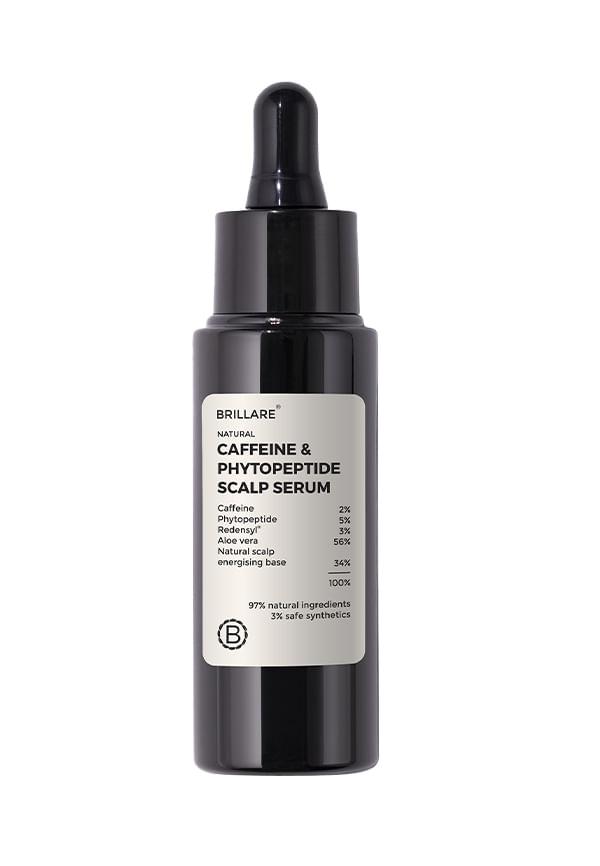
Caffeine & Phytopeptide Scalp Serum with Redensyl for Hair Growth
Ever wondered why your morning coffee gives you energy but your hair still feels lifeless? Turns out, that same caffeine that wakes you up might just be the secret to waking up your hair follicles too. While you've been sipping your way to alertness, researchers have been discovering how caffeine helps hair in ways that go far beyond your daily buzz. From stimulating sluggish follicles to blocking the hormones that cause hair loss, caffeine's becoming a proper game-changer in the haircare world. Let's dive into the science behind this unexpected hair hero and find out if your locks could benefit from a caffeine kick.
Real talk—caffeine doesn't just perk up your brain; it's got some serious skills when it comes to your scalp. The magic happens at the cellular level, where caffeine acts like a personal trainer for your hair follicles. When applied topically, it increases blood circulation to your scalp, which means more oxygen and nutrients reach your hair roots. Think of it as giving your follicles a proper workout that gets them pumped and ready to grow.
Research shows that caffeine can actually extend the anagen phase—that's the active growth period of your hair cycle. Normally, this phase lasts about 2-7 years, but caffeine helps stretch it out, giving your hair more time to grow longer and stronger. Studies have found that caffeine penetrates the hair shaft within just two minutes of application, making it surprisingly efficient at getting to work quickly.
The cellular action is where things get properly interesting. Caffeine works by blocking phosphodiesterase, an enzyme that can slow down hair growth. By inhibiting this enzyme, caffeine helps maintain higher levels of cyclic AMP—a molecule that's crucial for hair follicle function. This biochemical boost essentially tells your follicles to stay active longer and work harder.
Here's where caffeine really shows its worth—it can actually counteract DHT, the hormone responsible for androgenetic alopecia (pattern baldness). DHT binds to hair follicles and gradually shrinks them, leading to thinner hair and eventual hair loss. Caffeine helps block this process by improving the follicle's resistance to DHT damage. Clinical studies have shown that caffeine can reduce the negative effects of testosterone on hair growth, making it a natural ally in the fight against hair loss.
The benefits of caffeine for hair go way beyond just growth stimulation. When you understand how caffeine helps hair at multiple levels, it becomes clear why it's worth considering for your routine. From improving circulation to strengthening individual strands, caffeine offers a comprehensive approach to hair health that addresses several concerns at once.
One of the most significant caffeine benefits for hair is its ability to improve the overall health of your scalp environment. A healthy scalp is the foundation for healthy hair growth, and caffeine helps create optimal conditions by increasing blood flow and reducing inflammation. This improved environment allows existing hair to grow stronger while encouraging new growth from dormant follicles.
Think of caffeine as a delivery service for your hair follicles. By boosting circulation, it ensures that essential nutrients, vitamins, and minerals reach your hair roots more efficiently. This improved nutrient delivery helps strengthen weak follicles and can even reactivate ones that have gone dormant due to poor circulation or stress.
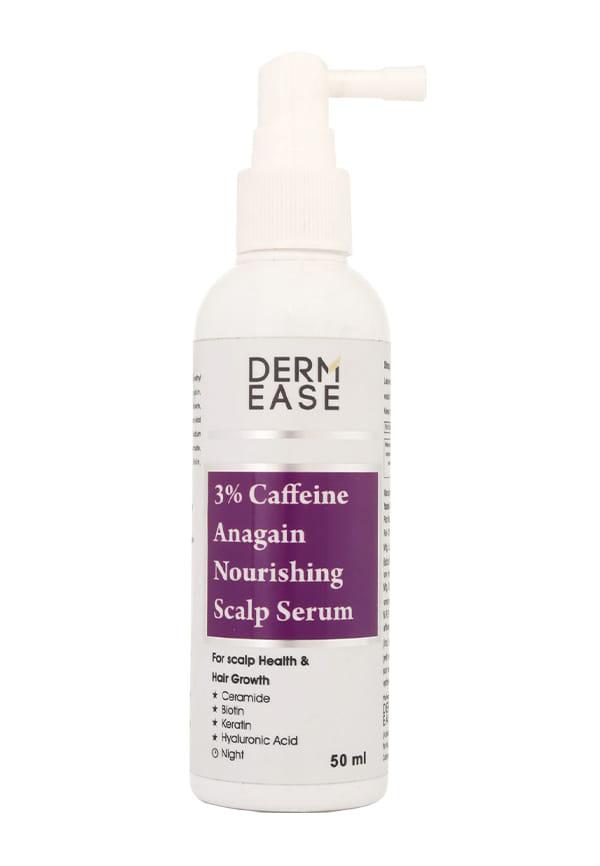
3% Caffeine Anagain Nourishing Scalp Serum
Caffeine doesn't just work on the roots—it benefits the entire hair shaft too. It helps smooth the hair cuticle, which improves shine and reduces breakage. Unlike some harsh treatments that strip natural oils, caffeine-based products tend to maintain your hair's natural moisture balance while providing strengthening benefits.
Clinical studies have shown that regular use of caffeine hair products can lead to measurably thicker hair. The hair thickening caffeine effect typically becomes noticeable after 3-6 months of consistent use. Users often report not just individual strands feeling thicker, but an overall increase in hair density and volume that makes styling easier and more satisfying.
The beauty industry has caught onto caffeine's potential, and now there's a whole range of caffeine hair products available. From daily-use shampoos to intensive serums, these formulations are designed to deliver caffeine directly to your scalp in the most effective way possible. The key is understanding which type of product works best for your specific hair concerns and lifestyle.
Caffeine shampoo has become particularly popular because it's easy to incorporate into your existing routine. These shampoos typically contain 0.001-0.005% caffeine, which might sound minimal but is actually the optimal concentration for topical application. Higher concentrations can cause scalp irritation, while lower amounts may not be effective enough to stimulate growth.
The effectiveness of caffeine shampoo lies in its ability to deliver caffeine during your regular washing routine. Look for formulations that combine caffeine with complementary ingredients like niacinamide, zinc, or botanical extracts. The key is leaving the shampoo on your scalp for 2-3 minutes before rinsing to allow proper absorption.
For more intensive treatment, caffeine topical hair serums and leave-in treatments offer higher concentrations and longer contact time with your scalp. These products are typically applied to damp or dry hair and left on without rinsing, allowing for maximum absorption and effectiveness throughout the day.
If you're curious about trying caffeine for hair growth but want to start with something natural and budget-friendly, DIY coffee treatments might be your kind of pick. Using regular coffee grounds or brewed coffee can provide some of the same benefits as commercial products, though the concentration and delivery method won't be as refined. These treatments are worth a try if you're looking to experiment before investing in specialised products.
The beauty of DIY coffee treatments is that you probably already have everything you need in your kitchen. However, it's important to understand that homemade treatments won't be as potent or consistent as formulated haircare caffeine products. They're a good starting point for testing whether your hair responds well to caffeine before committing to a more intensive routine.
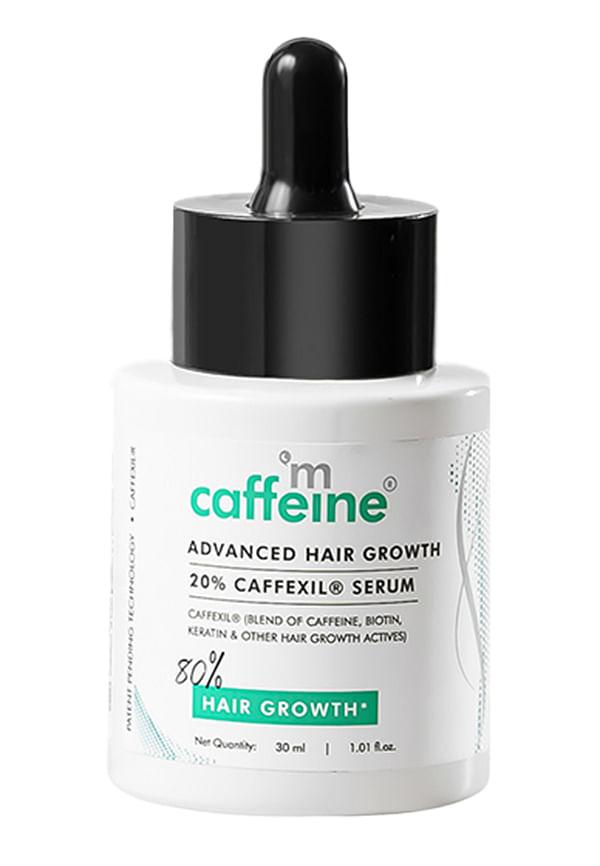
20% Caffexil® Advanced Hair Growth Serum With Keratin, Biotin & Rosemary
Create a gentle scalp scrub by mixing used coffee grounds with a carrier oil like coconut or jojoba oil. Massage this mixture into your scalp in circular motions for 2-3 minutes, then leave it on for another 10 minutes before shampooing. The grounds provide gentle exfoliation while the caffeine stimulates circulation.
A cold brew coffee rinse can be used after shampooing to add shine and deliver caffeine to your scalp. Brew strong coffee, let it cool completely, then pour it over your hair and scalp. Leave it on for 5-10 minutes before rinsing with cool water. For a more intensive treatment, mix coffee with honey and egg for a nourishing mask.
When considering hair loss treatment caffeine options, it's helpful to understand how they compare to established treatments like minoxidil or finasteride. While caffeine may not be as potent as prescription medications, it offers several advantages including fewer side effects, easier application, and the ability to be used alongside other treatments without major interactions.
The approach to using caffeine for hair loss is generally more gentle and sustainable than some traditional treatments. Many people find they can use caffeine-based products long-term without the side effects that sometimes come with stronger medications. This makes caffeine an attractive option for those dealing with early-stage hair loss or looking for preventative care.
Studies comparing caffeine to minoxidil have shown that while minoxidil may produce faster initial results, caffeine can be equally effective over longer periods with consistent use. The advantage of caffeine is that it doesn't cause the scalp irritation or unwanted hair growth in other areas that sometimes occurs with minoxidil.
One of the best things about caffeine treatments is how easily they integrate with other hair care approaches. Whether you're already using specific shampoos for your hair type, taking supplements, or following a particular styling routine, caffeine products can typically be added without disrupting your existing regimen.
While caffeine is generally safe for topical use, it's worth knowing about potential side effects and best practices to get the most benefit from your treatments. Most people tolerate caffeine hair products well, but some may experience scalp sensitivity, especially when first starting treatment or using products with higher caffeine concentrations.
The key to successful caffeine hair treatment is consistency rather than intensity. Using products as directed and being patient with results will serve you better than trying to speed up the process with more frequent applications or higher concentrations. Remember that hair growth is a slow process, and even the most effective treatments take time to show visible results.
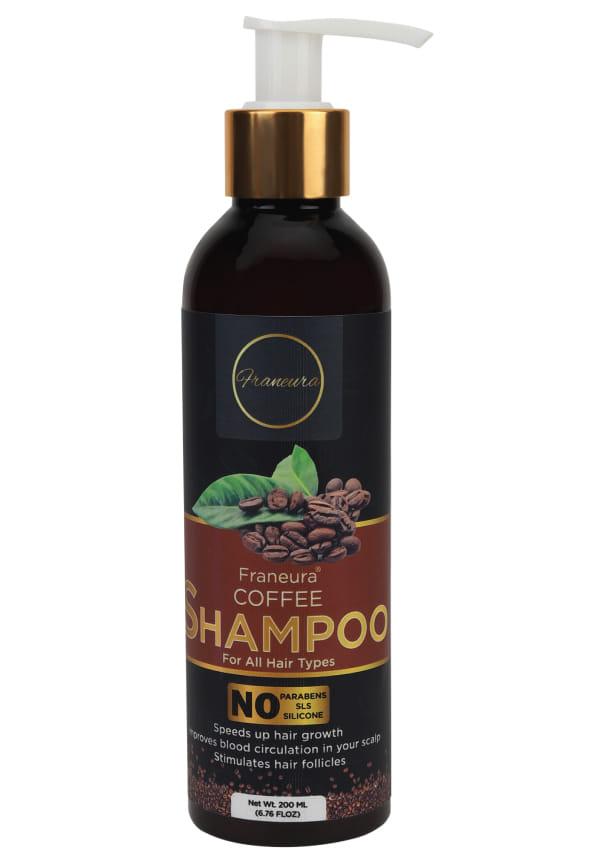
Daily Use Natural Coffee Shampoo - Revitalize and Strengthen Hair
Some people may experience mild scalp irritation, redness, or itching when first using caffeine hair products. These effects usually subside as your scalp adjusts to the treatment. If irritation persists or worsens, discontinue use and consult a dermatologist.
For best results, use caffeine hair products consistently for at least 3-6 months. Most people see initial improvements in hair texture and scalp health within 4-6 weeks, with more significant growth and thickening becoming apparent after 3-4 months of regular use.
Yes, scientific studies have shown that caffeine can stimulate hair growth by improving blood circulation to the scalp, extending the growth phase of hair follicles, and blocking DHT. However, results vary between individuals and require consistent use over several months to become noticeable.
Most people notice improvements in hair texture and scalp health within 4-6 weeks of consistent use. Significant changes in hair growth and thickness typically become apparent after 3-6 months of regular application. Individual results may vary based on hair type, age, and underlying causes of hair loss.
While DIY coffee treatments can provide some benefits, formulated caffeine hair products are more effective due to optimal caffeine concentrations, pH balance, and additional beneficial ingredients. Regular coffee can be a good starting point to test your hair's response to caffeine before investing in specialised products.
Caffeine treatments tend to work well for most hair types, but people with androgenetic alopecia (pattern baldness) or those experiencing stress-related hair loss often see the most dramatic improvements. Fine or thinning hair typically responds well to the thickening effects of caffeine.
Understanding how caffeine helps hair opens up a world of natural, effective options for improving hair growth and health. From stimulating blood circulation to blocking harmful hormones, caffeine offers multiple pathways to stronger, thicker hair. Whether you choose commercial caffeine hair products or experiment with DIY treatments, consistency is key to seeing results.
The beauty of caffeine treatments lies in their versatility and safety profile. They can work alongside your existing hair care routine and offer benefits for various hair concerns, from thinning to lack of volume. While results take time, many people find the wait worthwhile for the natural, sustainable improvements caffeine can provide.
If you're curious about exploring caffeine-based hair products, Smytten's curated selection includes various caffeine shampoos and treatments from trusted brands. Not sure which format works for your hair? Smytten also offers trial-size versions of many of these products—a good way to check before committing to a full bottle.
