How Biotin Helps Hair: Unlocking Your Healthiest Locks


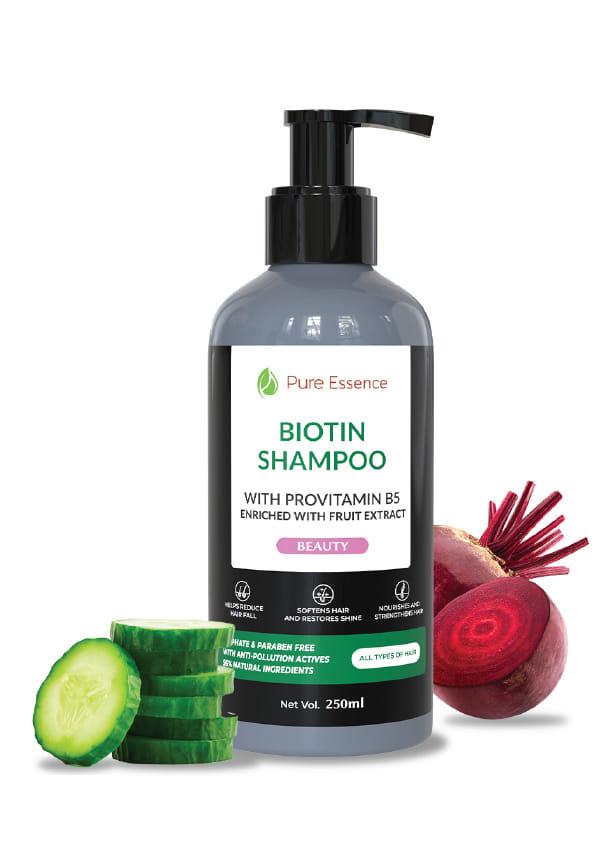
Biotin Shampoo | Softens Hair | Nourishes Scalp | Lowers Hairfall
Ever stared at your hairbrush and wondered where half your hair went? You're definitely not alone. Between styling damage, stress, and just life happening, our hair takes quite the beating. That's probably why biotin has become such a buzzword in the haircare world — everyone's talking about this vitamin like it's some kind of miracle worker for thinning strands and lacklustre locks. But here's the thing: does biotin actually live up to the hype, or is it just another trend that sounds too good to be true? Let's dig into the real science behind how biotin helps hair and separate the facts from the marketing fluff.
Real talk — biotin isn't some fancy new discovery. It's actually vitamin B7, a water-soluble vitamin that's been quietly doing important work in your body for ages. Think of biotin as your hair's behind-the-scenes support crew, working on the cellular level to keep things running smoothly. The reason everyone's obsessing over biotin benefits is because this little vitamin plays a crucial role in producing keratin, which is basically the building block of your hair.
Here's where it gets interesting: your hair follicles are some of the most active cells in your body, constantly dividing and growing. They need proper fuel to do their job well, and biotin helps deliver that fuel by supporting cellular metabolism. When your follicles are happy and well-fed, they're more likely to produce stronger, healthier strands that can actually withstand your daily styling routine without snapping like dry twigs.
Let's get a bit nerdy for a moment. Biotin works by activating enzymes that help break down fats, carbohydrates, and proteins — all essential nutrients your hair needs to grow properly. When these nutrients are properly processed, your hair follicles get the amino acids they need to build strong keratin structures. This is why biotin is often grouped with other vitamins for hair in supplement formulations.
The strengthening effect isn't just marketing speak either. Biotin actually helps improve hair elasticity, which means your strands can bend and stretch without breaking. Think about it like this: healthy hair should be able to handle a gentle tug without snapping immediately. That resilience comes from well-formed keratin, and biotin plays a key role in that process.
While biotin gets most of the spotlight, it's actually part of a whole family of B-vitamins that support hair health. Vitamins B6, B12, and folate all contribute to healthy hair growth, but biotin specifically targets keratin production. This is why you'll often see biotin featured prominently in haircare supplements — it has a more direct relationship with hair structure than some other nutrients.
That said, biotin works best when it's not flying solo. Iron, zinc, and vitamin D all play supporting roles in hair health, which is why a balanced approach usually trumps mega-dosing on just one vitamin.
Right, let's address the elephant in the room. You've probably seen those dramatic before-and-after photos floating around social media, but what does actual research say about biotin for hair growth? The truth is a bit more nuanced than those glossy marketing campaigns would have you believe.
Most clinical studies on biotin and hair focus on people who actually have a biotin deficiency. And here's the thing — true biotin deficiency is pretty rare in healthy adults. Your body is quite good at recycling biotin, and you can get decent amounts from everyday foods. So if you're already getting enough biotin, taking more won't necessarily transform your hair into a Disney princess mane.
The National Institutes of Health has been pretty clear about this: biotin supplementation primarily benefits people with diagnosed deficiencies. For everyone else, the evidence is mostly anecdotal. That doesn't mean biotin is useless — it just means we need to set realistic expectations about what it can and can't do.
Several small studies have shown improvements in hair thickness and growth in people taking biotin supplements, but these studies often included other nutrients too. It's hard to say whether biotin alone deserves all the credit. What we do know is that biotin won't magically reverse genetic hair loss or undo years of damage overnight.
If you're considering biotin as a hair loss treatment, it's worth understanding that it works differently than medical treatments like minoxidil or finasteride. Biotin supports the hair you're already growing, rather than stimulating new growth from dormant follicles.
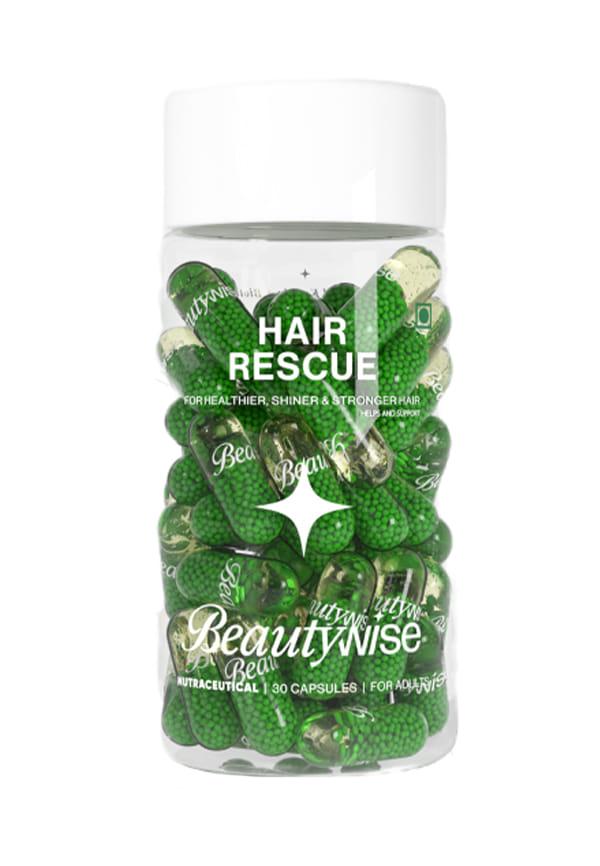
Hair Rescue, Hair Aminos, Vitamins, DHT Blocker for Hairfall Control & Growth
Now, if you actually are deficient in biotin, that's a different story entirely. Biotin deficiency can cause noticeable hair thinning, brittle strands, and even hair loss. The good news? This type of hair loss usually responds really well to biotin supplementation.
Signs of biotin deficiency include thinning hair, brittle nails, skin rashes, and fatigue. Certain factors can increase your risk, like taking antibiotics long-term, having digestive issues that affect nutrient absorption, or following a very restrictive diet. Pregnant and breastfeeding women also have higher biotin needs.
Even if you're not technically deficient, biotin can still offer some solid benefits for common hair concerns. It's not going to work miracles, but it might just give your strands the extra support they need to look and feel healthier.
This is where biotin really shines. If your hair snaps easily or you're constantly dealing with split ends, biotin might be worth a try. By supporting keratin production, biotin helps create stronger hair shafts that can better withstand daily wear and tear. Think of it as internal conditioning — you're building strength from the inside out.
Many people notice that their hair feels less fragile after a few months of consistent biotin supplementation. It's not an instant fix, but it can be part of a broader strategy to improve hair resilience. Pairing biotin with gentle haircare practices and good nutrition tends to give the best results.
While biotin won't stop genetic hair loss, it can help with excessive shedding that's related to nutritional factors or stress. When your hair follicles are properly nourished, they're less likely to go into premature shedding phases. This means you might notice less hair in your brush or shower drain over time.
Hair thickening products often include biotin for this reason — it supports the health of existing follicles rather than creating new ones. If your hair has been looking a bit sparse lately, biotin might help optimise what you're already working with.
Beyond growth and thickness, biotin can contribute to better overall hair quality. Many people report improvements in shine, texture, and manageability after several months of supplementation. This makes sense when you consider that stronger, healthier hair naturally looks and feels better.
These quality improvements often become more noticeable over time as new, biotin-supported hair grows in to replace older, potentially damaged strands. It's a gradual process, but the cumulative effect can be quite noticeable.
If you've decided to give biotin a go, let's talk about doing it properly. Like most good things in life, consistency matters more than mega-doses, and patience is definitely required.
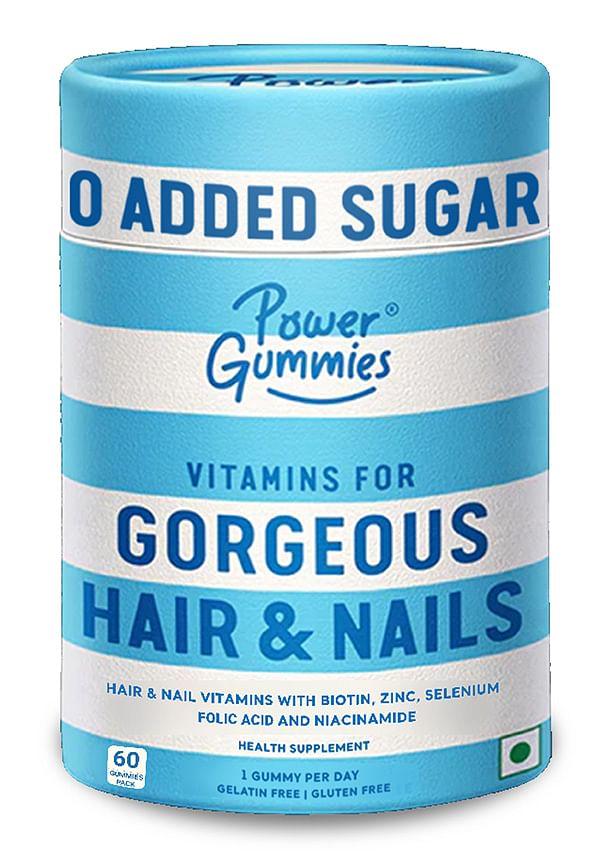
Gorgeous Hair and Nails Gummies, 0 Added Sugar & New Heart Shape
The recommended daily allowance for biotin is quite small — just 30 micrograms for adults. However, most haircare supplements contain much higher doses, typically ranging from 1,000 to 10,000 micrograms. The good news is that biotin is water-soluble, so your body will excrete excess amounts rather than storing them.
That said, more isn't always better. Some people experience side effects from very high doses, and biotin can interfere with certain lab tests, including thyroid function tests and cardiac markers. If you're planning any medical tests, let your doctor know you're taking biotin supplements.
Here's where we need to manage expectations. Despite what some marketing claims suggest, you won't see dramatic changes in your first week. Hair growth is a slow process — your hair only grows about half an inch per month on average.
Most people who see benefits from biotin notice subtle improvements around the 3-month mark, with more obvious changes becoming apparent after 6 months of consistent use. This timeline makes sense when you consider that it takes time for new, healthier hair to grow out and replace older strands.
Some people might notice that their hair feels stronger or breaks less within the first few months, but visible length and thickness changes take patience. If you're not seeing any improvements after 6 months, it might be worth reassessing whether biotin is the right approach for your specific hair concerns.
Before you rush off to buy supplements, it's worth considering whether you can boost your biotin intake through food. Sometimes the most effective approach is also the most straightforward.
Egg yolks are probably the most famous biotin source, but they're not your only option. Nuts like almonds and peanuts, seeds, legumes, and organ meats all provide decent amounts of biotin. Sweet potatoes, spinach, and broccoli also contribute to your daily intake.
The advantage of getting biotin from food is that you're also getting other nutrients that support hair health, like protein, iron, and other B-vitamins. It's a more holistic approach that supports overall health, not just hair growth.
If you do decide to go the supplement route, quality matters. Look for products that have been third-party tested for purity and potency. Some supplements combine biotin with other hair-supporting nutrients, which can be more effective than biotin alone.
Pay attention to the form of biotin as well. Most supplements use d-biotin, which is the active form your body can actually use. Avoid products with unnecessary fillers or artificial additives that might cause digestive upset.
While biotin is generally considered safe, it's not completely without potential issues. Being informed about possible side effects helps you make better decisions about whether biotin is right for you.
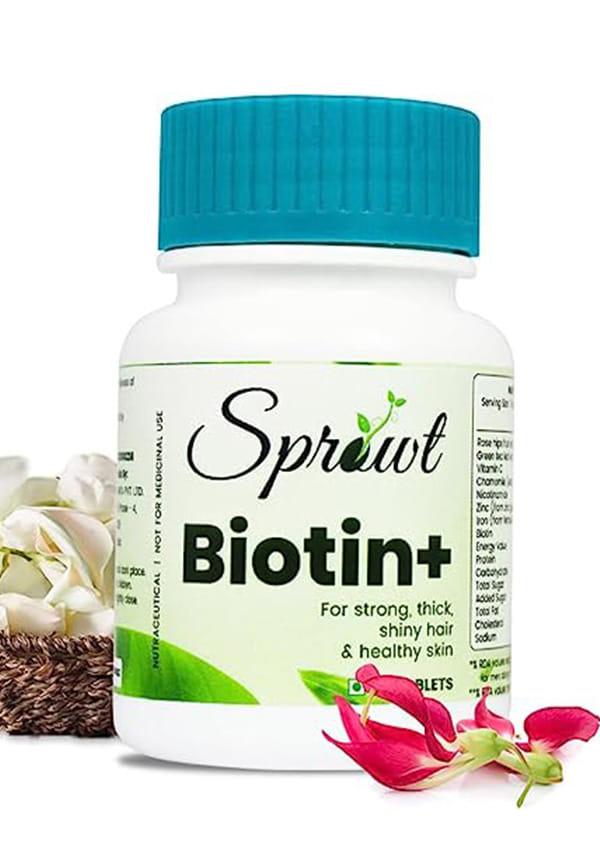
Biotin Plus Tablet
The most significant concern with biotin supplementation is its potential to interfere with lab tests. High biotin levels can affect tests for thyroid function, heart health markers, and even pregnancy tests. This interference can lead to false results, which could impact medical decisions.
Some people also experience digestive issues like nausea or stomach upset, especially when starting supplementation or taking very high doses. Skin reactions are possible but relatively rare. If you notice any unusual symptoms after starting biotin, it's worth discussing with your healthcare provider.
While biotin is generally safe for most people, certain groups should be more cautious. If you're pregnant or breastfeeding, stick to recommended doses and consult your doctor before starting any new supplements. People with kidney problems should also be careful, as they might not excrete excess biotin as efficiently.
If you're taking medications for seizures or other neurological conditions, biotin supplements might interact with your treatment. Always check with your healthcare provider before adding biotin to your routine if you have any ongoing health conditions.
Clinical evidence shows biotin primarily benefits individuals with diagnosed biotin deficiency. For those without deficiency, hair growth benefits are largely anecdotal, though biotin may still support overall hair strength and quality. The key is having realistic expectations about what biotin can and cannot do for your specific hair concerns.
Daily biotin supplementation is generally safe for most people, but can interfere with certain lab tests and may cause minor side effects like digestive upset in some individuals. Your body will excrete excess biotin since it's water-soluble, but consistency is more important than high doses for potential hair benefits.
Noticeable improvements typically appear after 3-6 months of consistent use, as hair growth cycles require time to show visible changes. Some people might notice their hair feels stronger or breaks less within the first few months, but visible length and thickness changes require patience.
Biotin may help reduce hair thinning if it's caused by biotin deficiency or nutritional factors, but won't address genetic pattern baldness or other non-nutritional causes of hair loss. It works by supporting the health of existing follicles rather than creating new hair growth from dormant follicles.
Other evidence-based options include iron supplementation if you're deficient, ensuring adequate protein intake, managing stress levels, and addressing underlying health conditions affecting hair growth. For more serious hair loss, medical treatments like minoxidil might be more appropriate than nutritional supplements.
So, does biotin help hair? The answer is nuanced. If you're deficient in biotin, supplementation can definitely make a difference in hair health and growth. For everyone else, biotin might offer some benefits for hair strength and quality, but it's not the miracle cure that some marketing would have you believe.
The most effective approach to hair health is usually a holistic one — good nutrition, gentle haircare practices, stress management, and realistic expectations about what supplements can achieve. Biotin can be part of that strategy, but it works best when combined with other healthy hair tips rather than relied upon as a standalone solution.
If you're curious about trying biotin or other haircare supplements, Smytten's curated selection includes various hair health products from trusted brands. Not sure which approach works for your hair? Smytten also offers trial-size versions of many hair supplements and treatments — a good way to explore your options before committing to a full-size purchase.
