Hormonal Hair Loss in Men FAQ: Causes & Solutions


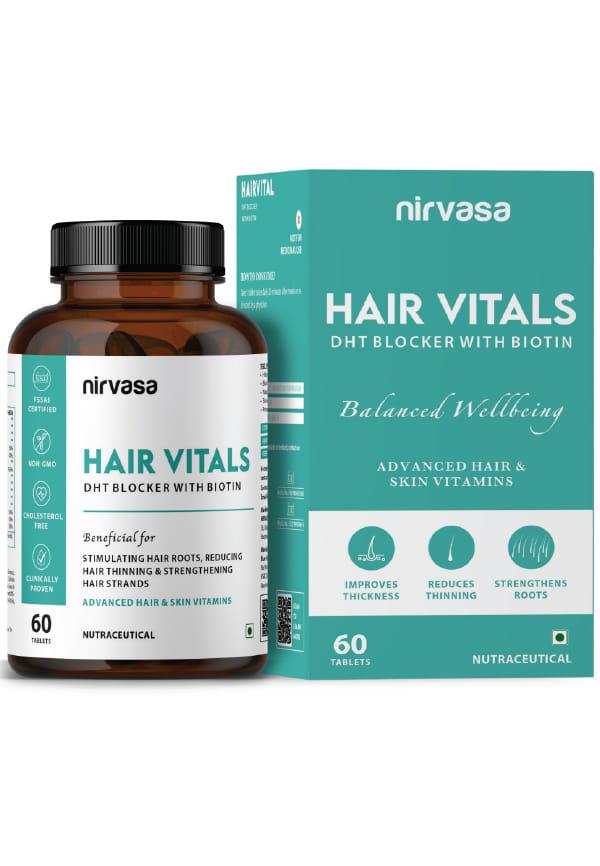
Hair Vitals DHT Blocker with Biotin Tablets | Hair Vitamins for Men & Women
Useful Nirvasa Product
 4
4“Very useful product from Nirvasa”
Positive Product Feedback
4“good product..................”
Positive Hair Vitamin Review
5“Hair vitamins from this brand is good”
Let's be real—watching your hairline slowly retreat or noticing more strands in the shower drain isn't exactly the confidence boost you were hoping for. If you're dealing with hair loss, you're definitely not alone. Around 95% of male hair loss is actually hormonal, specifically something called androgenetic alopecia or male pattern baldness. The good news? There are proven ways to tackle this head-on (pun intended). From understanding what's actually happening up there to exploring DHT blockers, natural remedies, and professional treatments, we've got the complete lowdown on how to stop hormonal hair loss in men. Whether you're just noticing some thinning or you're already seeing significant changes, knowing your options can help you make informed decisions about your hair journey. At Smytten, we understand that finding the right haircare products can feel overwhelming, which is why we offer trial-sized versions of top brands so you can test what works for your specific needs before committing to full-size purchases.
Hormonal hair loss in men is primarily caused by DHT (dihydrotestosterone) sensitivity, affecting 95% of male hair loss cases
FDA-approved treatments like minoxidil and finasteride show results within 4-6 months when used consistently
Natural DHT blockers, lifestyle changes, and proper nutrition can support hair health alongside medical treatments
Early intervention and combination approaches typically yield the best results for stopping hair loss progression
Professional diagnosis helps identify specific hormonal imbalances and create personalised treatment plans
Right, so what's actually going on when your hair starts thinning? The main culprit behind hormonal hair loss in men is a hormone called DHT, which is basically testosterone's more aggressive cousin. Your body naturally converts testosterone into DHT using an enzyme called 5-alpha reductase, and while DHT is important for things like muscle development and body hair growth, it's not so kind to the hair on your head.
Androgenetic alopecia treatment starts with understanding that this isn't just about getting older—it's about genetics meeting hormones. If your dad or granddad experienced hair loss, there's a good chance you've inherited the genetic sensitivity to DHT. This sensitivity means your hair follicles are more likely to shrink when exposed to DHT, leading to progressively thinner and shorter hair strands.
Hormonal imbalance hair loss in men can also be triggered by stress, poor diet, lack of sleep, or underlying health conditions. While genetics load the gun, lifestyle factors often pull the trigger.
Here's where it gets interesting—DHT doesn't just make your hair fall out overnight. Instead, it gradually shrinks your hair follicles through a process called miniaturisation. Think of it like your follicles are slowly going on a diet they never asked for.
This is why receding hairline remedies often focus on specific areas like the temples and crown, where DHT sensitivity is typically highest. The Norwood Scale, which dermatologists use to classify male pattern baldness, shows how this progression typically unfolds over time, starting with a receding hairline and potentially advancing to more extensive thinning.
Now for the good stuff—what actually works to stop this process. The most effective DHT blockers for hair loss are backed by solid research and FDA approval, which means they've been through rigorous testing to prove they're both safe and effective.
Finasteride for hair regrowth is often considered the gold standard. This oral medication works by blocking that 5-alpha reductase enzyme we mentioned earlier, which significantly reduces DHT production. Most guys see results within 4-6 months, and studies show it can stop hair loss in about 90% of men and actually regrow hair in about 65%.
Minoxidil for men's hair is the other heavy hitter. Originally developed as a blood pressure medication, researchers noticed an interesting side effect—hair growth. Applied topically, minoxidil increases blood flow to hair follicles and can extend the growth phase of your hair cycle. The 5% solution is typically recommended for men, and like finasteride, you'll usually see results within 4-6 months of consistent use.
Let's set realistic expectations here. Hair growth is a slow process, and you won't see overnight miracles. Most treatments require 4-6 months of consistent use before you notice significant changes. Some guys might see initial results sooner, but the real improvements typically become apparent around the six-month mark.
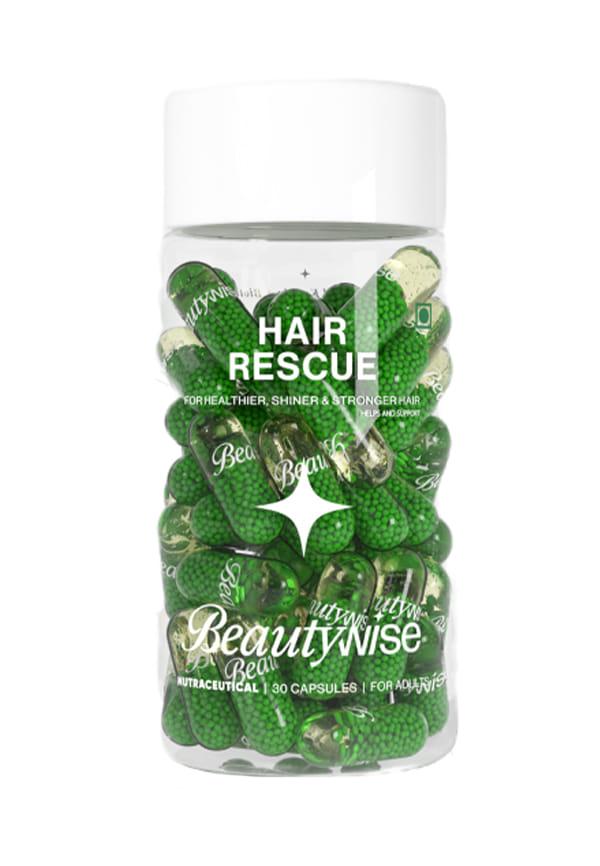
Hair Rescue, Hair Aminos, Vitamins, DHT Blocker for Hairfall Control & Growth
Good product, slow hair growth
4“good product but slow process of growth of hair”
Hair Improvement
5“my hair are improving day by day.”
The key is consistency—missing doses or applications can set back your progress. Think of it like going to the gym; you wouldn't expect to see results after one workout, and you definitely wouldn't maintain muscle if you stopped exercising altogether.
Beyond the standard treatments, there are some pretty exciting advanced options that can complement your hair loss prevention strategy. These treatments often work best when combined with the basics rather than used alone.
Platelet-rich plasma (PRP) injections are gaining popularity for good reason. This treatment uses your own blood, which is processed to concentrate the platelets and growth factors, then injected into your scalp. The growth factors can help stimulate dormant hair follicles and improve hair thickness.
Low-level laser therapy (LLLT) is another option that's shown promising results. These devices use specific wavelengths of light to stimulate cellular activity in hair follicles. You can find both in-office treatments and at-home devices, though the professional versions tend to be more powerful.
The world of hair loss treatment is constantly evolving. JAK inhibitors, which were originally developed for autoimmune conditions, are showing promise for various types of hair loss. Stem cell therapy is also being researched, though it's still largely experimental.
New topical DHT blockers are also being developed that might offer alternatives to minoxidil, potentially with fewer side effects or better absorption rates.
While medical treatments are often the most effective, there are definitely ways to prevent male hair loss naturally that can support your overall hair health. These approaches work best as part of a comprehensive strategy rather than standalone solutions.
Stress management is huge when it comes to hormonal balance. Chronic stress increases cortisol levels, which can interfere with hair growth and potentially accelerate hair loss. Regular exercise, meditation, or even just making time for hobbies you enjoy can help keep stress levels in check.
Sleep is another game-changer. Your body does most of its repair work while you're sleeping, including hair growth. Aim for 7-9 hours of quality sleep, and try to maintain a consistent sleep schedule.
Your hair is basically a reflection of your overall health, so proper nutrition is essential. Iron deficiency is one of the most common nutritional causes of hair loss, especially if you're not eating enough red meat or leafy greens. Vitamin D, zinc, and biotin are also crucial for healthy hair growth.
Saw palmetto is often called nature's finasteride because it may help block DHT naturally, though the evidence isn't as strong as for prescription medications. Pumpkin seed oil has shown some promise in small studies for improving hair thickness.
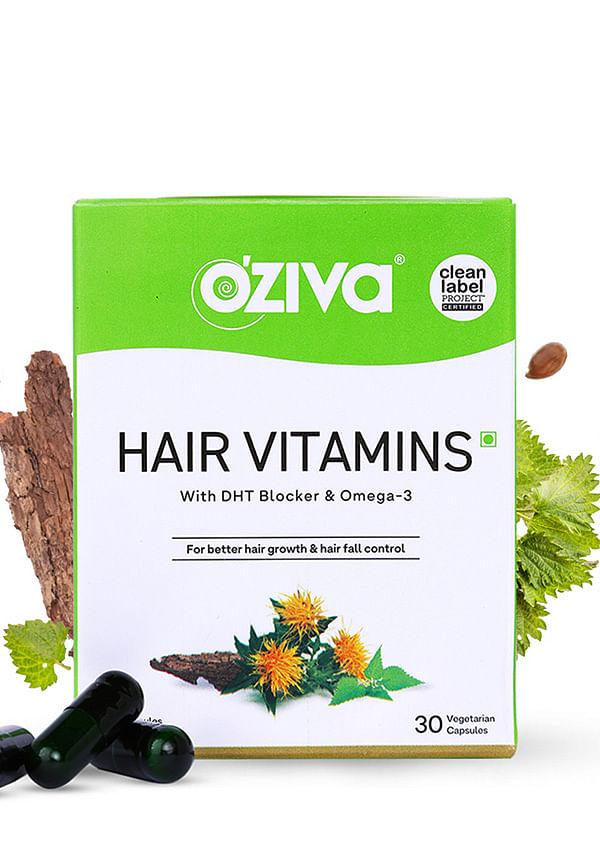
Hair Vitamins (DHT Blocker & Omega 3), Vegetarian Tablets for Hair Fall Control
Reduced Hairfall, New Hair Growth
5“I had lot of hairfall after using this product my hair fall reduced and i started noticing mew baby hair grow good plant based nutritional supplement ”
Reduced Hairfall, New Hair Growth
5“I had lot of hairfall after using this product my hair fall reduced and i started noticing mew baby hair grow good plant based nutritional supplement ”
Heard Good Reviews
5“have just started taking h this capsule but have heard good reviews”
Before diving into treatments, it's worth getting a proper diagnosis. Not all hair loss is androgenetic alopecia, and treating the wrong condition won't get you the results you're after.
A comprehensive hormone panel should include total and free testosterone levels, DHT measurements, and thyroid function tests (TSH, T3, T4). Thyroid issues can cause hair loss that looks similar to male pattern baldness but requires completely different treatment.
Cortisol levels can reveal if stress is playing a role, and checking for vitamin deficiencies (especially iron, vitamin D, and B vitamins) can identify easily correctable causes of hair loss.
If you're noticing significant hair loss, especially if it's happening quickly or in unusual patterns, it's worth seeing a specialist. Dermatologists can perform additional tests like a scalp biopsy if needed and can prescribe treatments that aren't available over the counter.
Early intervention typically leads to better results, so don't wait until you've lost significant hair before seeking help.
Here's where things get really interesting—combining treatments often works better than using any single approach. The most effective strategies typically involve addressing hair loss from multiple angles simultaneously.
The combination of finasteride and minoxidil is often considered the gold standard because they work through different mechanisms. Finasteride reduces DHT production, while minoxidil improves blood flow and extends the hair growth cycle.
Adding microneedling to this combination can enhance absorption of topical treatments and may stimulate hair growth through its own mechanisms. Studies suggest that microneedling once a week can significantly improve results when combined with minoxidil.
Your treatment plan should depend on factors like the extent of your hair loss, your age, potential side effects, and budget. Someone with early-stage thinning might start with minoxidil and lifestyle changes, while someone with more advanced loss might benefit from the full combination approach.
Age matters too—younger men often respond better to treatments, but they also need to consider that they'll likely need to continue treatment for decades to maintain results.
While there's no permanent cure for male pattern baldness, treatments like minoxidil and finasteride can effectively slow, stop, and reverse hair loss when used consistently. The key is starting treatment early and maintaining it long-term, as stopping treatment typically results in hair loss resuming within a few months.
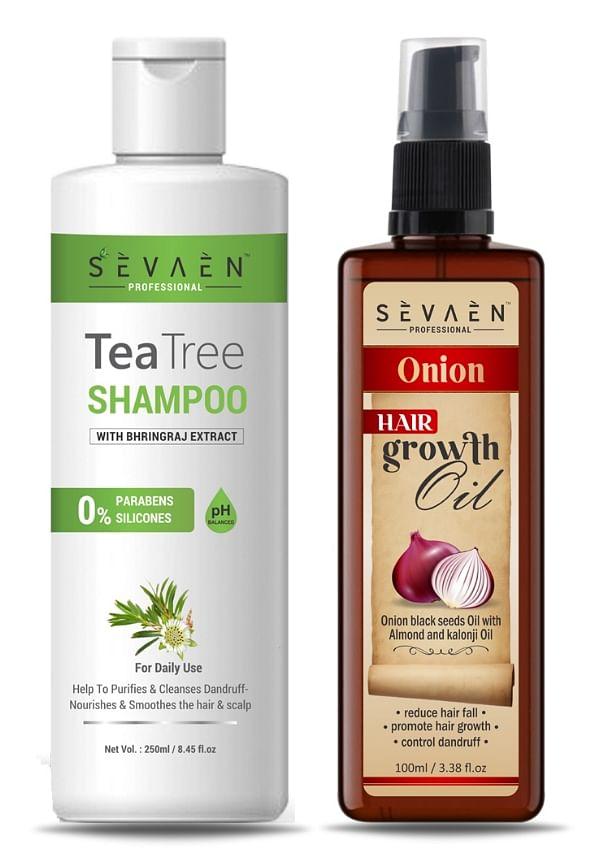
Teatree Shampoo And Ayurvedic Hair Oil For Hair Growth And Dandurff Reduce For Man And Woman
Useful for Hair, Good Product
5“it's very useful for hair. Good Product.”
Unfortunately, there's no way to stop hair fall immediately, as hair loss is a gradual process. However, you can start effective treatments right away—minoxidil can be applied topically starting today, and you can consult a doctor about finasteride. The sooner you start, the sooner you'll see results, typically within 4-6 months.
The primary hormonal cause is increased sensitivity to DHT (dihydrotestosterone), which typically increases with age. Thyroid dysfunction, elevated cortisol from chronic stress, and low testosterone can also contribute to hair loss. Hormonal imbalances from conditions like PCOS or insulin resistance can affect hair growth as well.
Iron deficiency is the most common nutritional cause of hair loss, especially in men who don't eat much red meat. Vitamin D insufficiency, B-vitamin deficiencies (particularly B12 and biotin), and zinc deficiency can also contribute to hair thinning. A comprehensive blood panel can identify these deficiencies.
FDA-approved minoxidil, oral medications like finasteride, PRP injections, laser treatments, and targeted supplements can help thicken hair affected by hormonal changes. Microneedling combined with topical treatments can also improve hair thickness. Results typically become noticeable after 4-6 months of consistent treatment.
Finasteride can cause side effects in a small percentage of men, including decreased libido, erectile dysfunction, or mood changes. These effects are typically reversible when stopping the medication. Minoxidil's main side effects are scalp irritation and unwanted hair growth on other areas if the product spreads beyond the scalp.
Absolutely! Smytten offers trial-sized versions of various haircare products, allowing you to test different formulations and brands before committing to full-size purchases. This is particularly helpful when exploring different DHT-blocking shampoos, scalp treatments, or hair growth serums to see what works best for your specific needs.
Understanding how to stop hormonal hair loss in men starts with recognising that androgenetic alopecia is a treatable condition, not an inevitable fate. The most effective approach typically combines FDA-approved treatments like finasteride and minoxidil with lifestyle modifications and proper nutrition.
Early intervention is crucial—the sooner you start treatment, the better your chances of maintaining and potentially regrowing hair. Consistency is equally important, as most treatments require 4-6 months to show results and must be continued long-term to maintain benefits.
Remember that hair loss treatment isn't one-size-fits-all. What works best for your mate might not be ideal for you, which is why professional consultation and possibly some trial and error with different approaches can help you find your optimal strategy.
Dealing with hormonal hair loss can feel overwhelming, but having the right information and access to quality products makes all the difference. Whether you're exploring DHT blockers, natural remedies, or professional treatments, the key is finding what works for your specific situation and sticking with it. Smytten makes this journey easier by offering trial packs from over 2,400 trusted brands, including specialised haircare products designed for men dealing with hair loss. With 100% cashback on trial purchases and the ability to try before you buy, you can explore different solutions without the financial risk. After all, when it comes to your hair health, why settle for maybe when you can try it all and find what actually works for you?
