Homemade Hair Mask Recipes FAQ: Your Questions Answered
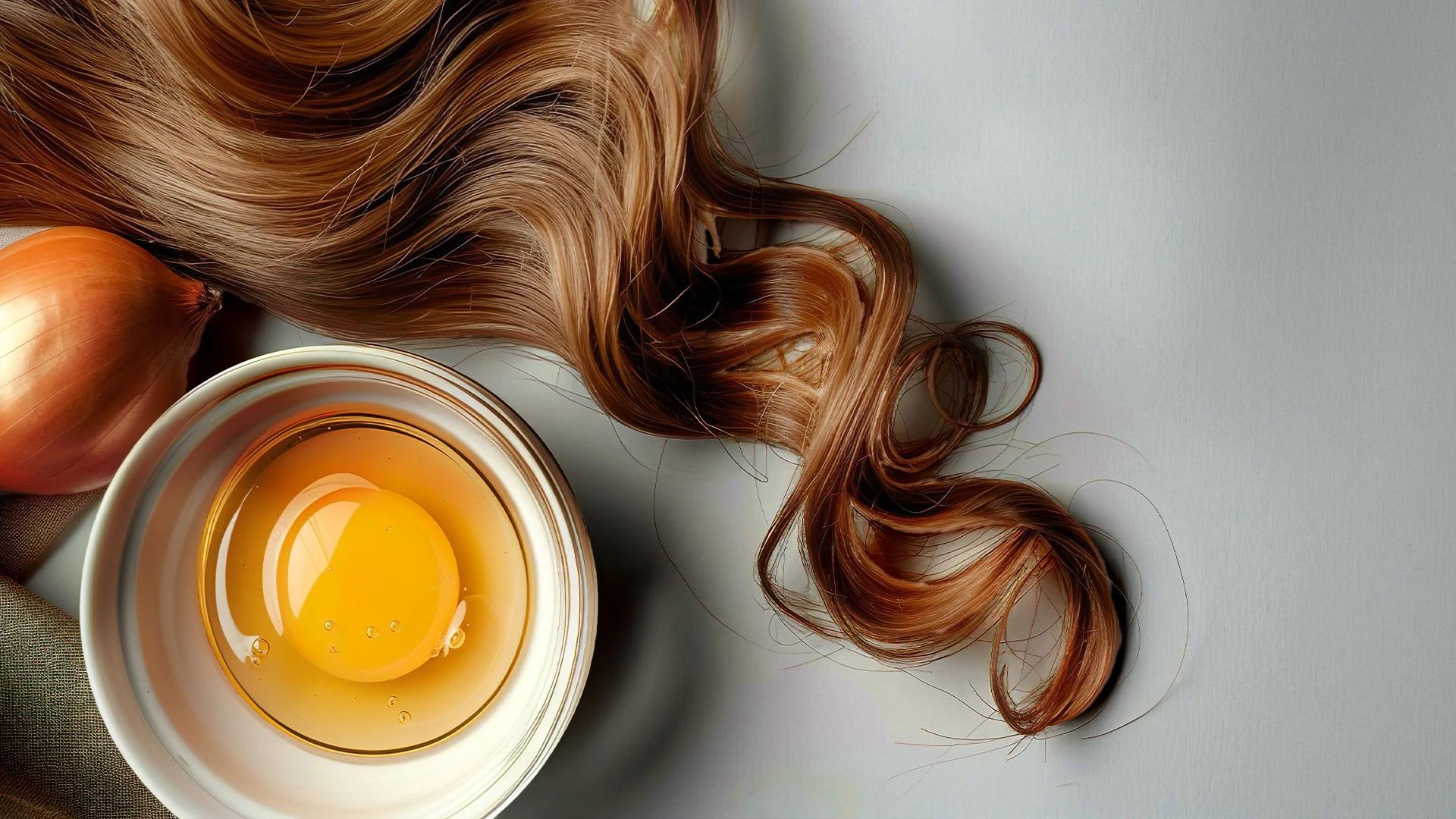

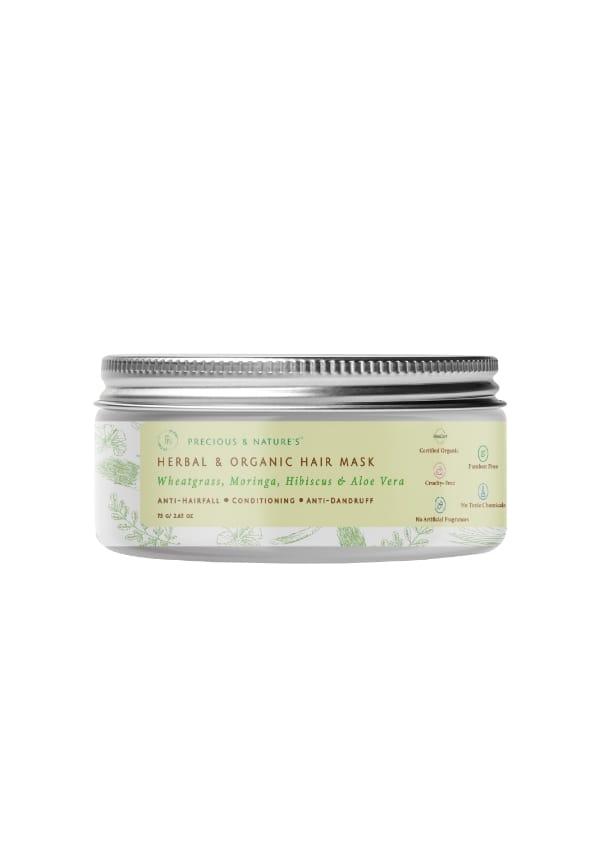
Organic and Herbal Hair mask
You know that moment when you're scrolling through endless DIY hair mask tutorials, wondering if mashing up avocado in your kitchen will actually fix your dry, lifeless hair? We've all been there. The internet is packed with homemade hair mask recipes promising miracle transformations, but figuring out what actually works for your specific hair type can feel overwhelming. Whether you're dealing with oily roots, damaged ends, or just want to give your hair some extra love, the right natural hair treatments can make a real difference. Let's dive into the most common questions about DIY hair masks and get you sorted with recipes that actually deliver.
The secret to effective DIY hair masks isn't just throwing random kitchen ingredients together and hoping for the best. Different hair types need different approaches, and understanding which ingredients work for your specific concerns makes all the difference. Think of it like cooking – you wouldn't use the same recipe for every dish, right?
Before we get into specific recipes, let's talk about the powerhouse ingredients that actually work. Coconut oil is your go-to for deep moisturising and helps your hair retain protein, making it perfect for dry or damaged strands. Honey acts as a natural humectant, which means it draws moisture from the air into your hair – plus it has antibacterial properties that keep your scalp healthy.
Avocado isn't just for toast – it's packed with healthy fats and vitamins A, D, and E that nourish your hair from root to tip. Eggs are brilliant for damaged hair because they're loaded with protein that helps rebuild your hair's structure. Greek yogurt contains lactic acid that gently cleanses whilst adding moisture, making it ideal for most hair types.
Here's your cheat sheet for picking the right mask. If you've got dry hair, go for avocado mixed with honey and olive oil – this combo delivers serious hydration. Oily hair benefits from egg white, lemon, and clay to balance oil production without stripping your hair. For damaged hair, try egg with Greek yogurt and coconut oil to rebuild and strengthen. Frizzy hair loves banana, coconut oil, and honey for smoothing and shine.
Dry hair needs serious moisture, and these recipes deliver exactly that. The key is using ingredients that not only add moisture but also help your hair hold onto it. These masks work by sealing the hair cuticle and creating a protective barrier that prevents moisture loss.
Mix half a ripe avocado with two tablespoons of honey and one tablespoon of olive oil. Mash the avocado until it's completely smooth – you don't want chunks getting stuck in your hair. Apply this mixture from mid-lengths to ends and leave it on for 45 minutes. This mask seals your hair cuticle and locks in moisture like nothing else.
Combine three tablespoons of coconut oil with two tablespoons of brown sugar and one teaspoon of honey. The brown sugar gently exfoliates your scalp, removing buildup that can prevent moisture absorption. Focus on your scalp and mid-lengths, and use this once weekly for best results.
Blend four tablespoons of ground oats with one cup of milk and a few drops of almond oil. This creates a creamy, nourishing treatment that instantly adds softness and shine. Apply for 30 minutes, then rinse with cold water to seal the cuticle and lock in the benefits.
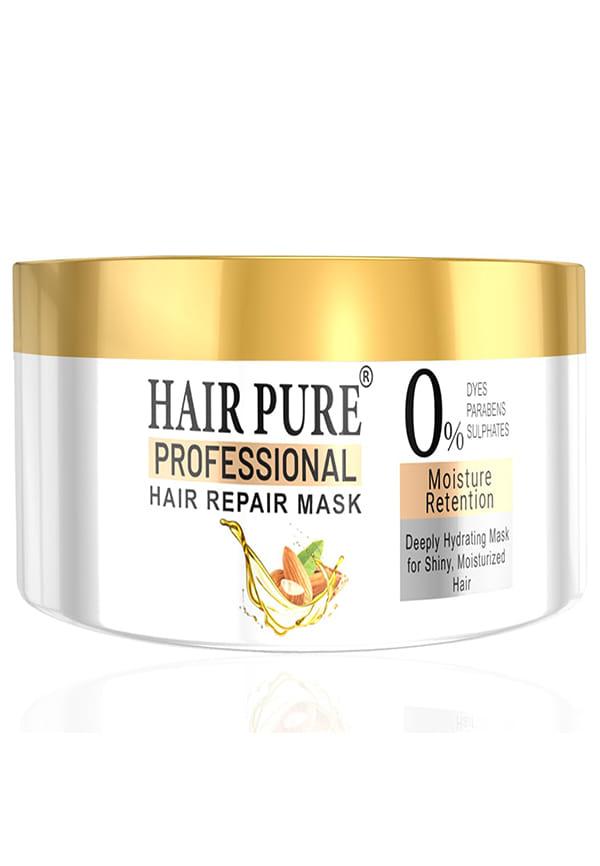
Hair Repair Mask for Dry, Frizzy Hair Mask
Damaged hair needs more than just moisture – it needs repair. These protein-rich treatments help rebuild your hair's structure from the inside out. The key is using ingredients that can actually penetrate the hair shaft and fill in gaps where damage has occurred.
Whisk one whole egg with three tablespoons of Greek yogurt and one teaspoon of honey. The proteins in this mask literally rebuild damaged hair structure, whilst the yogurt adds moisture and the honey seals everything in. Here's the crucial bit – rinse with cold water to prevent the egg from cooking in your hair.
Mix two teaspoons of fresh aloe vera gel with one teaspoon of honey and three teaspoons of coconut oil. This combination reduces breakage and improves hair elasticity, making it perfect for chemically treated or heat-damaged hair. The aloe vera soothes your scalp whilst the coconut oil penetrates deep into the hair shaft.
Oily hair needs a different approach – you want to remove excess oil without stripping your hair completely. These masks focus on balancing oil production and clarifying without leaving your hair feeling dry or brittle. The trick is using ingredients that absorb excess oil whilst still providing some moisture to the lengths and ends.
Whip two egg whites with one tablespoon of fresh lemon juice and one teaspoon of clay. This removes excess oil without over-drying your hair. Apply from mid-lengths to ends, avoiding your scalp, and leave on for 20 minutes. The egg whites tighten and cleanse whilst the lemon balances oil production.
Combine two tablespoons of apple cider vinegar with one tablespoon of honey and one tablespoon of coconut oil. The ACV restores your scalp's natural pH balance, which helps regulate oil production. Use this bi-weekly for optimal results – more often might be too harsh for your scalp.
Whilst no topical treatment can magically make your hair grow faster, these masks create the optimal scalp environment for healthy hair growth. They improve circulation, nourish hair follicles, and strengthen existing hair to prevent breakage that can make your hair appear thinner.
Mix three tablespoons of coconut oil with one teaspoon of cinnamon powder and one tablespoon of honey. The cinnamon improves scalp circulation, which can support healthy hair growth. Massage this into your scalp and leave for 20-30 minutes. You might feel a slight tingling – that's the cinnamon working.
Soak two tablespoons of fenugreek powder overnight, then mix with four tablespoons of yogurt and one teaspoon of castor oil. Fenugreek has been used in traditional Indian haircare for centuries to strengthen hair follicles and add thickness. The overnight soaking makes the fenugreek easier to apply and more effective.
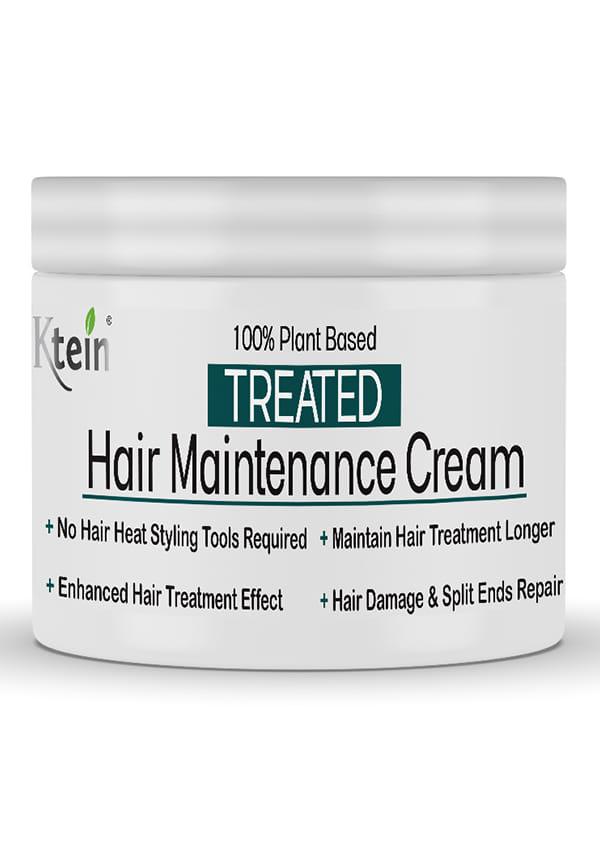
100% Plant Based Treated Hair Maintenance Cream Natural
Mash half an avocado with five drops of rosemary oil and two tablespoons of olive oil. Research actually backs up rosemary oil's ability to promote hair growth – it's as effective as some commercial treatments. Focus on massaging this into your scalp for five minutes before applying to the rest of your hair.
Sometimes you need a quick hair fix without the time commitment of a full treatment. These masks work in just 15 minutes and use simple ingredients you probably already have at home. Perfect for those last-minute hair emergencies or when you want to give your hair some love without planning ahead.
Blend one ripe banana with one tablespoon each of coconut oil and honey until completely smooth. The key here is blending thoroughly – you don't want banana chunks stuck in your hair. This mask provides immediate frizz control and shine, making it perfect for humid days or when your hair just won't cooperate.
Mix two tablespoons of honey with one tablespoon of olive oil and one teaspoon of apple cider vinegar. This is ready in two minutes and effective in just 15 minutes on your hair. It's brilliant for last-minute hair emergencies when you need instant softness and shine.
Getting the application right is just as important as choosing the right ingredients. Many people make simple mistakes that reduce the effectiveness of their DIY hair masks or even cause problems. Here's how to get the most out of your homemade treatments and avoid the common pitfalls.
Focus on mid-lengths and ends rather than your scalp, especially with heavy oils that can weigh down your roots. Divide your hair into four to six sections for even coverage – this ensures every strand gets treated. Use a shower cap to prevent dripping and enhance penetration by creating a warm environment that helps ingredients absorb better.
Oil-based masks often need double shampooing to remove completely. Start with a gentle shampoo, rinse, then shampoo again if your hair still feels oily. Use cold water for egg-based masks to prevent the protein from cooking, but lukewarm water works best for most other treatments. Consider using a clarifying shampoo once weekly to prevent buildup from regular mask use.
Most hair types benefit from weekly treatments, but you might need more frequent use in winter or dry climates when your hair needs extra moisture. Some ingredients like aloe vera and honey are gentle enough for overnight wear, but avoid leaving protein-rich masks on too long as they can make your hair brittle.
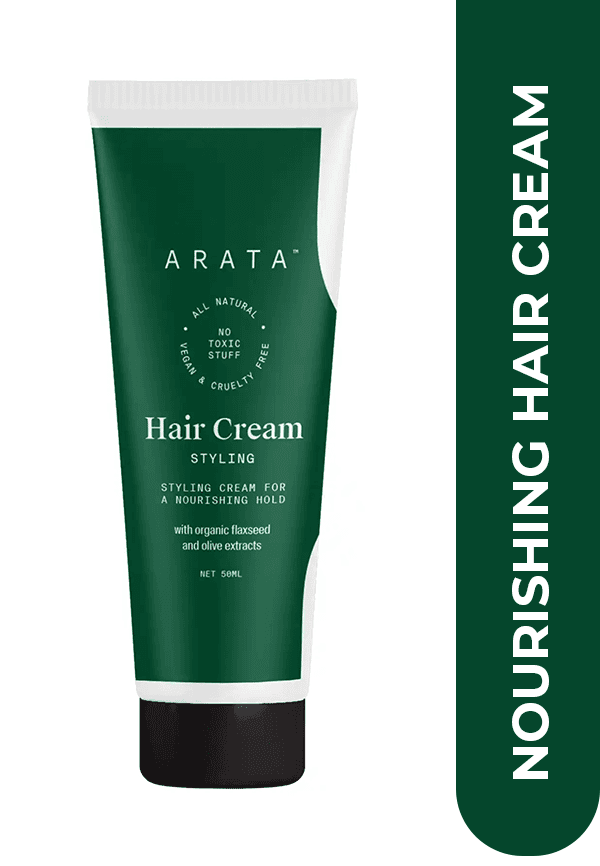
Natural Styling & Hold Hair Cream
Fine hair works best with lightweight ingredients like aloe vera and honey that won't weigh it down. Thick or coarse hair can handle richer treatments with avocado and coconut oil. Color-treated hair needs gentle, sulfate-free compatible ingredients that won't strip your colour or cause fading.
Fresh preparation is always recommended for best results and safety. If you must store them, keep masks in the refrigerator for no more than 2-3 days. Egg-based masks should never be stored and must be used immediately to prevent bacterial growth.
Avoid potential allergens like nuts if you have sensitivities, and be careful with citrus ingredients that can cause photosensitivity. Ingredients with extreme pH levels can damage your hair cuticle. Watch for signs of protein overload like brittle, straw-like hair if you're using too many protein-rich masks.
Most masks work best between 15-45 minutes depending on the ingredients. Moisturising masks can generally be left longer, whilst protein treatments should be limited to 20-30 minutes. If you experience any irritation or your hair feels overly stiff, rinse immediately.
Wait at least 48-72 hours after chemical treatments like colouring or perming before using DIY masks. Post-treatment hair is more porous and sensitive, so stick to gentle, moisturising ingredients. Weekly deep conditioning becomes even more important after chemical processing to maintain hair health.
Yes, when used correctly with the right ingredients for your hair type. Natural ingredients like coconut oil, honey, and eggs have proven benefits for hair health. However, they work gradually and are best used as part of a consistent haircare routine rather than expecting instant dramatic results.
It's generally better to stick to tested combinations rather than mixing different recipes. Some ingredients don't work well together or can cancel out each other's benefits. If you want to experiment, try adding one new ingredient to a recipe you know works rather than combining multiple masks.
Most natural ingredients are gentle, but allergic reactions are possible. Always do a patch test before trying a new ingredient. Overuse of protein masks can make hair brittle, whilst too much oil can cause buildup. Stop using any mask that causes irritation or makes your hair feel worse.
The best homemade hair mask recipes work because they use targeted ingredients that address your specific hair concerns. Whether you're dealing with dryness, damage, oiliness, or just want to boost your hair's natural shine, there's a DIY solution that can help. The key is consistency, proper application, and choosing ingredients that match your hair type and concerns.
Remember that natural hair treatments work gradually, so don't expect overnight miracles. Give your chosen recipes at least a month of regular use to see real improvements. And if you're curious about trying professional treatments alongside your DIY routine, Smytten offers trial-size versions of many haircare products from trusted brands – a smart way to explore what works for your hair before committing to full-size purchases.
