Healthy Scalp Tips FAQ: Your Scalp Care Questions Answered

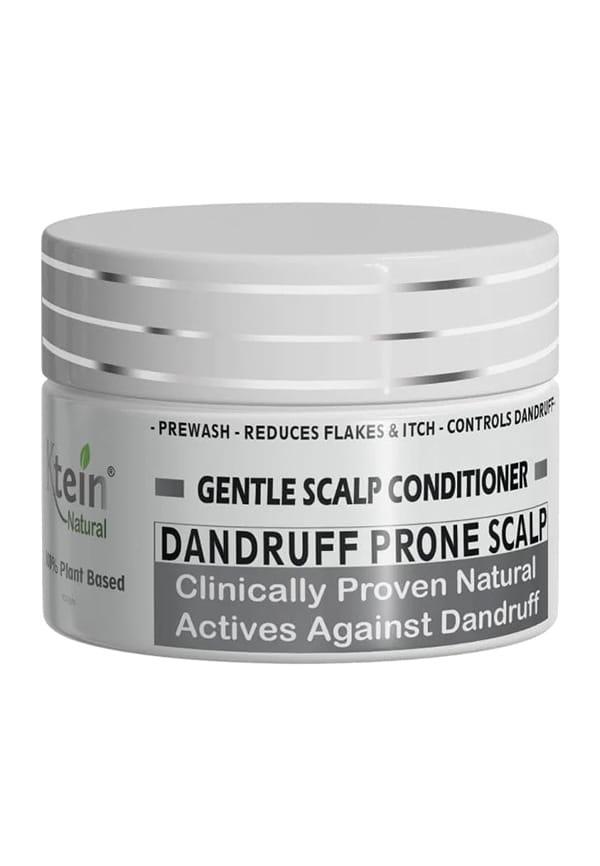
Natural 100% Plant Based Gentle Scalp Conditioner Dandruff Prone Scalp
You know that feeling when your hair looks amazing but your scalp feels like it's staging a rebellion? Maybe it's itchy, flaky, or just feels off somehow. Real talk—your scalp is basically the foundation for everything happening with your hair, and when it's not happy, nothing else really works. Whether you're dealing with dryness, irritation, or just want to level up your hair game, getting your scalp health sorted is where it all begins.
Let's start with the basics that actually make a difference. Your scalp care routine doesn't need to be complicated, but it does need to be consistent. The golden rule? Wash your hair 2-3 times per week with a sulfate-free shampoo—this gives your scalp enough cleansing without stripping away those natural oils that keep everything balanced.
Here's something most people get wrong: when you're shampooing, focus on massaging the product into your scalp, not scrubbing the length of your hair. Your scalp is where the oil and buildup actually happen, whilst your hair lengths just need a gentle rinse-through. Use your fingertips (never your nails) to work the shampoo in with small circular motions.
Conditioner is a different story entirely. Apply it only from your mid-lengths to the ends—keeping it away from your scalp prevents that greasy, weighed-down feeling. Think of conditioner as food for your hair strands, not your scalp. Your scalp produces its own natural conditioning oils, so adding more right at the roots can actually cause problems.
One more thing that's worth mentioning: overwashing is real, and it's probably more common than you think. If you're washing daily because your hair feels oily, you might actually be creating a cycle where your scalp overproduces oil to compensate for what you're stripping away. Give your scalp time to find its natural balance.
Building a solid scalp care routine is like creating any good habit—it's all about the small, consistent actions that add up over time. Daily habits matter more than you might think. Gentle brushing with a natural bristle brush helps distribute your scalp's natural oils down the hair shaft, but avoid aggressive brushing when your hair is wet and vulnerable.
Tight hairstyles might look sleek, but they're not doing your scalp any favours. Constant tension from ponytails, braids, or buns can lead to inflammation and even hair loss over time. Give your scalp regular breaks from tight styles, especially overnight.
Weekly scalp exfoliation is where things get interesting. Once or twice a week, use a gentle scalp scrub or a clarifying treatment to remove buildup from styling products, dry skin, and excess oil. You can make your own with brown sugar and your regular shampoo, or look for products specifically designed for scalp exfoliation.
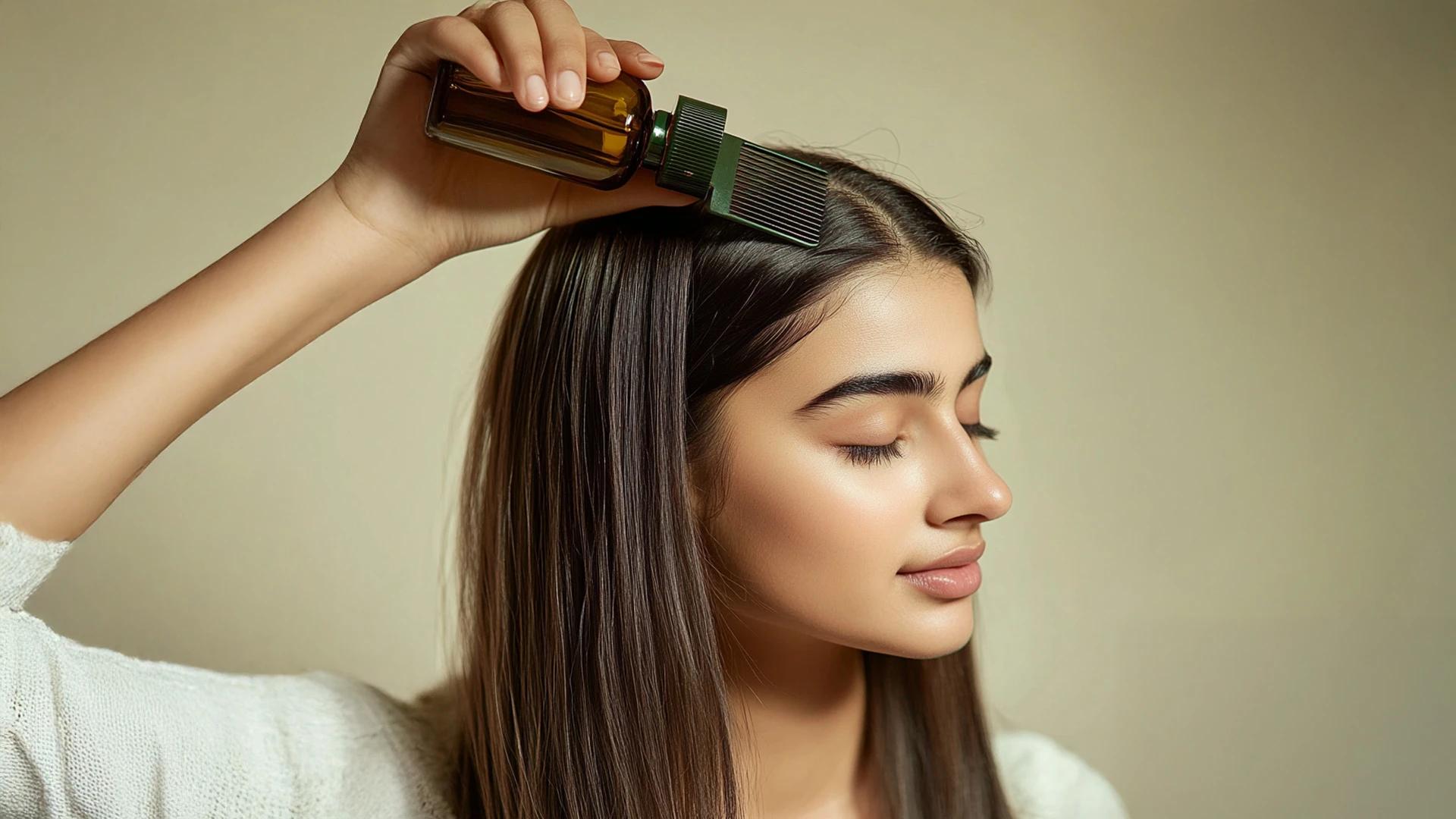
The scalp massage benefits are genuinely impressive. Just five minutes of gentle massage with your fingertips can boost blood circulation, which means better nutrient delivery to your hair follicles. You can do this dry before washing, or with a few drops of oil for extra nourishment. The key is consistency—daily massage sessions will give you better results than occasional longer ones.
Product application order matters too. Start with any scalp treatments or serums on clean, damp hair, then follow with your regular shampoo and conditioner routine. This ensures the active ingredients in your scalp treatment can actually penetrate rather than sitting on top of product buildup.
Dry scalp is one of those issues that can make you feel self-conscious and uncomfortable, but the good news is that most cases respond really well to the right approach. Natural moisturising treatments can work wonders—coconut oil, sweet almond oil, or even jojoba oil applied to your scalp 30 minutes before washing can provide deep hydration without clogging pores.
When it comes to exfoliation for dry scalp, gentle is the way to go. Chemical exfoliants like salicylic acid or glycolic acid can help remove flaky skin without the harsh scrubbing that physical exfoliants sometimes require. Look for scalp treatments that contain these ingredients, or try a gentle apple cider vinegar rinse once a week.
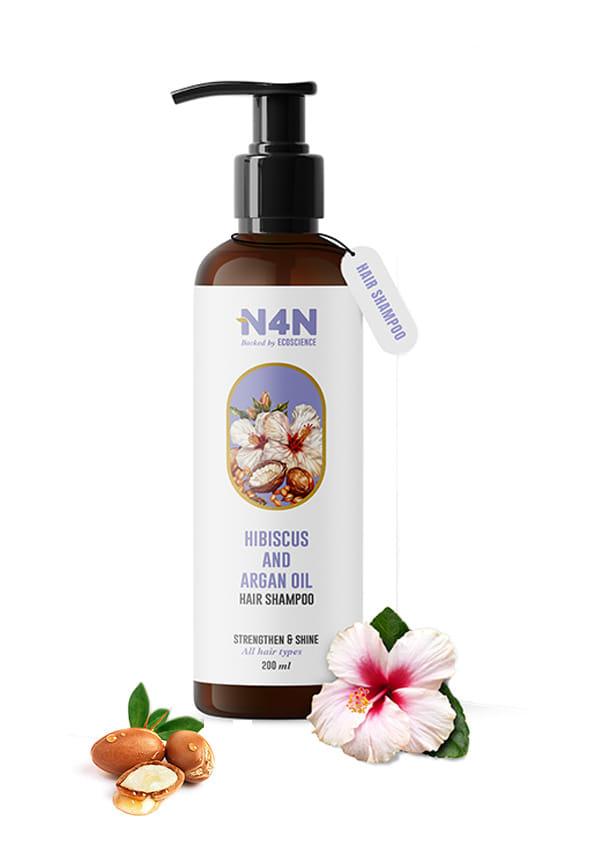
Hair Shampoo | Hibiscus And Argan Oil | Strengthen & Shine
Hydration isn't just about what you put on your scalp—it's also about what's happening inside your body. Drinking enough water and eating foods rich in omega-3 fatty acids can support your skin's natural moisture barrier from the inside out. Your scalp is skin too, and it needs the same internal support as the rest of your body.
Ingredient avoidance is crucial for itchy scalp relief. Sulfates, drying alcohols (like isopropyl alcohol), and heavy fragrances can all trigger irritation. Check your product labels and switch to gentler alternatives if you're dealing with persistent itching or sensitivity.
Sometimes, though, DIY remedies aren't enough. If you're experiencing persistent itching, redness, or flaking that doesn't improve with gentle care, it might be time to chat with a dermatologist. Conditions like seborrheic dermatitis or scalp psoriasis need professional treatment, and there's no shame in getting expert help.
Your hair follicles are basically tiny factories, and like any good factory, they need the right environment to produce quality results. Hair follicle health starts with keeping those pores clean and unclogged. When buildup from products, oil, and dead skin accumulates around your follicles, it can interfere with healthy hair growth and even lead to inflammation.
Blood circulation is where scalp massage really shines. Better circulation means more nutrients and oxygen reaching your hair follicles, which supports the entire hair growth cycle. Think of it like watering a plant—your follicles need that steady supply of nutrients to produce strong, healthy hair strands.
The hair growth cycle itself has three phases: growth, transition, and rest. A healthy scalp environment helps optimise each phase, ensuring that new hair grows in strong and that existing hair stays in the growth phase for as long as possible. When your scalp is inflamed or irritated, it can push hair follicles into the resting phase prematurely.
Dandruff control is often part of maintaining good scalp health. While dandruff itself doesn't cause hair loss, the scratching and inflammation it can trigger definitely aren't helpful for your follicles. Gentle, consistent treatment with anti-dandruff ingredients like zinc pyrithione or ketoconazole can help keep flaking under control without being too harsh on your scalp.
The scalp-hair connection is really about creating the foundation for everything else. You can use the most expensive hair masks and treatments in the world, but if your scalp isn't healthy, you're not going to see the results you want. It's like trying to grow a garden in poor soil—the foundation matters more than anything else.
Your scalp health isn't just about the products you use—it's also influenced by what you eat, how much you sleep, and how you manage stress. Nutrition plays a huge role in scalp health. Proteins are essential since hair is primarily made of keratin, a protein. Zinc supports hair follicle function, whilst vitamins A, C, D, and E all contribute to healthy skin and hair growth.
Hydration requirements go beyond just drinking water, though that's definitely important. Aim for at least 8 glasses a day, but also consider that caffeine and alcohol can be dehydrating. If you're dealing with dry scalp issues, increasing your water intake is one of the simplest changes you can make.
Stress management might seem unrelated to scalp care, but chronic stress can actually trigger or worsen scalp conditions like dandruff, seborrheic dermatitis, and even hair loss. Finding healthy ways to manage stress—whether that's exercise, meditation, or just regular downtime—can have real benefits for your scalp health.
Sleep hygiene affects your scalp too. Cotton pillowcases can be rough on both your hair and scalp, whilst silk or satin options create less friction. If you're dealing with scalp sensitivity, switching your pillowcase material might help reduce irritation overnight.
Environmental protection is something most people don't think about, but UV exposure, pollution, and extreme weather can all impact your scalp health. Wearing a hat in strong sun, using products with UV protection, and giving your scalp some extra TLC during harsh weather can all make a difference.
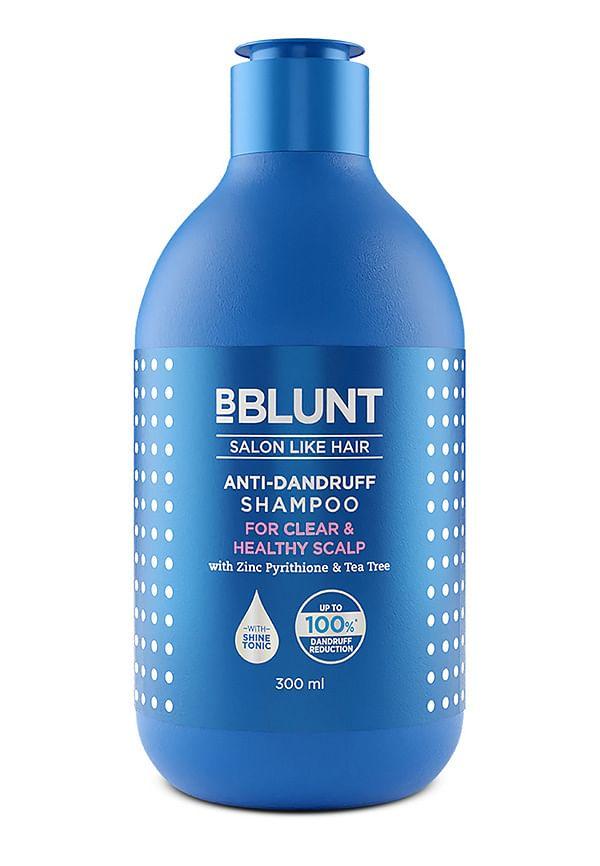
Anti-Dandruff Shampoo For a Clear & Healthy Scalp
Nice Shampoo, Cleans Well
 5
5“it is nice shampoo, cleans very well”
Loves the Niche Shampoo
5“very very niche shampoo love itt”
Loves the Niche Shampoo
5“very very niche shampoo love itt”
Knowing what to look for can help you catch scalp issues early, before they become bigger problems. Excessive flaking that doesn't improve with gentle anti-dandruff treatment, persistent itching that interferes with your daily life, redness that doesn't go away, or any kind of pain or tenderness are all signs that your scalp needs attention.
Common scalp conditions each have their own characteristics. Seborrheic dermatitis typically involves yellowish, greasy flakes and can affect other areas of your face too. Scalp psoriasis often presents as thick, silvery scales and can be quite itchy. Folliculitis looks like small, red bumps around hair follicles and can be caused by bacterial or fungal infections.
A DIY assessment can help you understand what's going on with your scalp. Look for changes in colour, texture, or sensation. Feel for any bumps, rough patches, or areas of tenderness. Notice if certain products or activities seem to trigger symptoms. Keep track of when symptoms are better or worse—this information can be really helpful if you need to see a professional.
Treatment approaches depend on what you're dealing with. Gentle care works for most minor issues—switching to sulfate-free products, reducing washing frequency, and using soothing ingredients like aloe vera or chamomile. More persistent problems might need targeted treatments with active ingredients like salicylic acid, tea tree oil, or medicated shampoos.
Professional consultation becomes necessary when home remedies aren't working, when symptoms are severe or spreading, or when you're experiencing significant hair loss along with scalp issues. Dermatologists can properly diagnose scalp conditions and prescribe treatments that aren't available over the counter.
Focus on gentle cleansing with sulfate-free products, regular scalp massage to boost circulation, proper nutrition with plenty of protein and vitamins, and avoiding harsh chemicals or over-processing. Natural oils like coconut or jojoba can provide extra moisture, whilst apple cider vinegar rinses can help balance pH levels.
Most people benefit from washing 2-3 times per week, but this can vary based on your hair type and lifestyle. Oily scalps might need more frequent washing, whilst dry or chemically-treated hair often needs less. Pay attention to how your scalp feels rather than following a strict schedule.
Include fatty fish like salmon for omega-3s, nuts and seeds for zinc and vitamin E, leafy greens for iron and vitamins, eggs for protein and biotin, and sweet potatoes for beta-carotene. Staying hydrated with plenty of water is just as important as what you eat.
Yes, regular scalp massage can boost blood circulation and nutrient delivery to hair follicles. Studies suggest that 5-minute daily massages can help improve hair thickness over time. The key is consistency—daily gentle massage works better than occasional intense sessions.
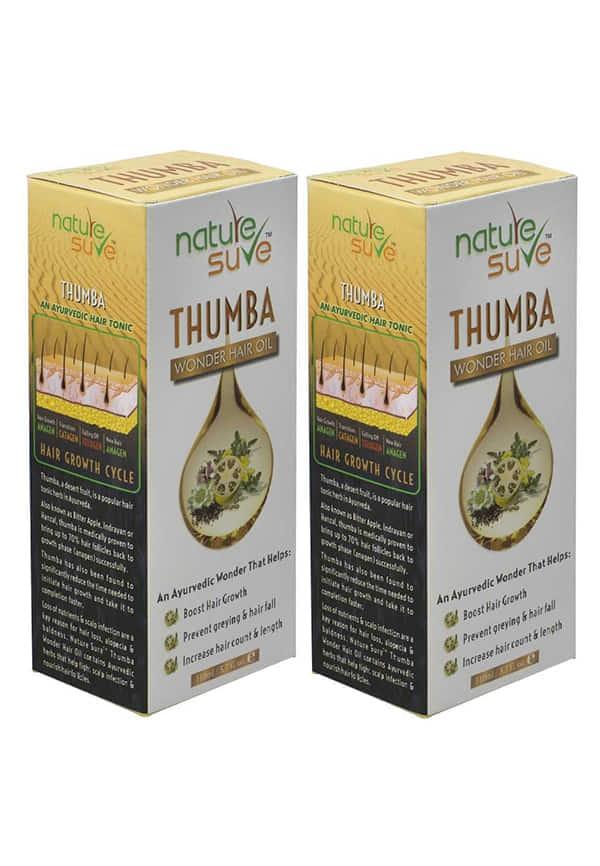
Thumba Wonder Hair Oil for Men and Women
Look for reduced itching and irritation, less flaking or dandruff, balanced oil production (not too oily or too dry), and stronger, healthier-looking hair growth. Changes typically become noticeable after 4-6 weeks of consistent care.
Dry scalp produces small, white flakes and feels tight or itchy, usually due to lack of moisture. Dandruff creates larger, yellowish flakes and is often caused by an overgrowth of yeast on the scalp. The treatments are different, so identifying which you have is important.
Gentle scalp scrubs can be beneficial when used 1-2 times per week, but daily use can cause irritation. Look for scrubs with fine particles or chemical exfoliants rather than harsh, abrasive ingredients. Always follow up with a moisturising treatment.
Absolutely. Chronic stress can trigger inflammatory scalp conditions, worsen existing issues like dandruff, and even contribute to hair loss. Managing stress through exercise, adequate sleep, and relaxation techniques can have real benefits for your scalp.
Avoid sulfates, drying alcohols (like isopropyl alcohol), synthetic fragrances, and harsh preservatives like parabens. Also be cautious with essential oils, which can be irritating in high concentrations, and always patch test new products before full use.
Consult a professional if you experience persistent symptoms that don't improve with gentle care after 4-6 weeks, severe itching or pain, significant hair loss, or any unusual growths or changes in your scalp. Early intervention often leads to better outcomes.
Taking care of your scalp doesn't have to be complicated, but it does need to be consistent. The basics—gentle cleansing, regular massage, proper nutrition, and avoiding harsh ingredients—will get you most of the way there. Remember that your scalp is skin, and like any other part of your skin, it responds best to gentle, consistent care rather than harsh treatments.
The connection between scalp health and hair health is real and significant. When you create the right environment for your hair follicles, everything else follows. Whether you're dealing with specific issues like dryness or dandruff, or just want to optimise your hair health, starting with your scalp is always the right move.
If you're looking to explore different scalp care products without committing to full sizes, Smytten offers a curated selection of haircare brands with trial-size options. From gentle cleansers to targeted scalp treatments, you can find products that work for your specific needs. Not sure which scalp treatment might work best for your concerns? Smytten also offers trial-size versions of many scalp care products—a smart way to test different approaches before investing in full-size bottles.
