Healthy Scalp Habits FAQ: Your Guide to Better Scalp Health

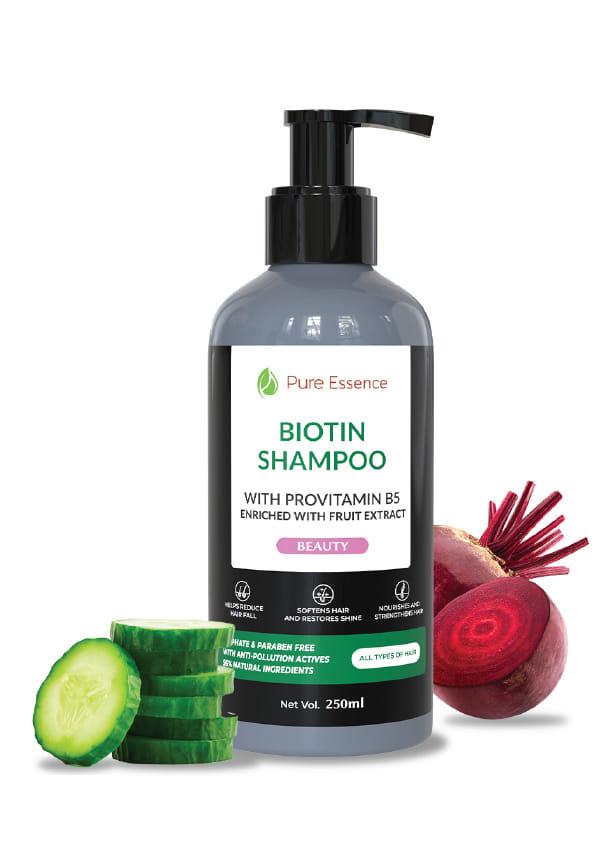
Biotin Shampoo | Softens Hair | Nourishes Scalp | Lowers Hairfall
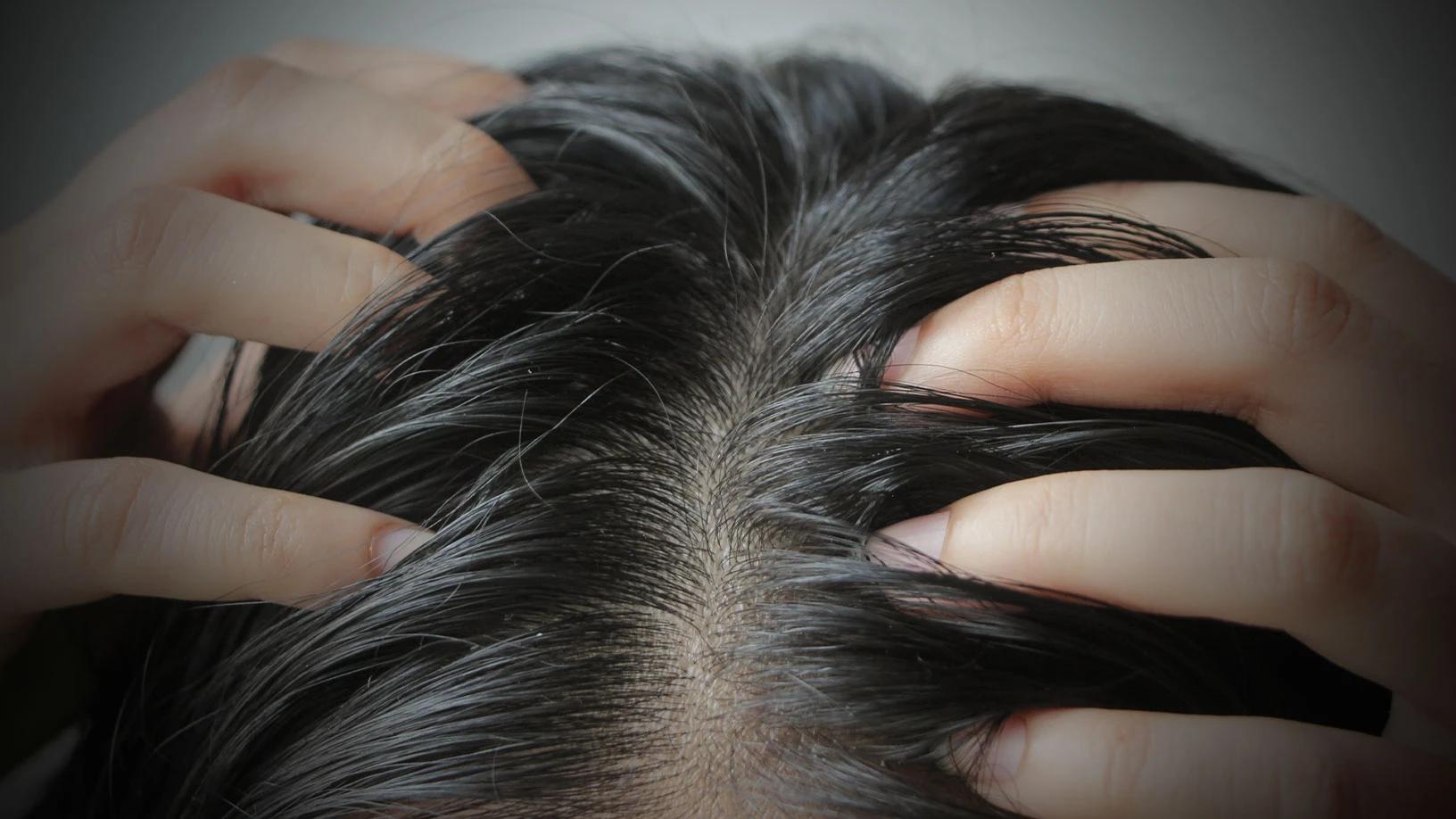
Ever caught yourself scratching your scalp during a Zoom call or noticed those telltale white flakes on your favourite black top? Real talk — your scalp's been trying to tell you something, and it's time to listen. Most of us focus on making our hair look good while completely ignoring the foundation it grows from. But here's the thing: healthy hair starts with a healthy scalp, and building the right habits can transform both your hair game and your confidence. Whether you're dealing with dryness, itchiness, or just want to level up your haircare routine, understanding proper scalp care is your first step towards the hair of your dreams.
Let's clear something up first — scalp health and hair health aren't the same thing, though they're definitely best mates. Your scalp is basically the soil where your hair grows, and just like plants need good soil to thrive, your hair follicles need a healthy environment to produce strong, beautiful strands.
Think of your scalp as a delicate ecosystem. When it's balanced, your hair follicle health improves, leading to stronger growth and fewer issues down the line. But when things go wonky — whether from product buildup, dryness, excess oil, or inflammation — your entire haircare routine suffers. You might notice your hair looking dull, feeling brittle, or growing slower than usual.
Common scalp problems include persistent dryness that makes your head feel tight, itchiness that has you scratching throughout the day, buildup from styling products that creates a barrier on your scalp, and inflammation that can actually damage hair follicles over time. The good news? Most of these issues can be sorted with consistent, gentle care and the right approach to scalp treatment.
When you prioritise scalp care, you're not just solving immediate problems — you're investing in your hair's future. A healthy scalp promotes better blood circulation, ensures nutrients reach your hair roots, and creates the optimal environment for growth. Plus, it just feels amazing when your scalp is comfortable and balanced.
Building healthy scalp habits doesn't require a complete overhaul of your routine — it's about making smart, consistent choices that your scalp will thank you for. The key is understanding what your scalp actually needs and giving it just that, nothing more, nothing less.
Your cleansing frequency should match your lifestyle and hair type, not some arbitrary rule you read online. If you have oily hair or work out daily, washing every day or every other day makes sense. For dry or chemically treated hair, twice a week might be perfect. The trick is listening to your scalp — it'll tell you when it needs a wash.
When you do wash, focus on your scalp, not your hair lengths. Use lukewarm water (hot water strips natural oils and can irritate), and massage your shampoo gently with your fingertips, never your nails. Think of it as giving your scalp a mini spa treatment rather than scrubbing dishes.
Here's your daily five-minute investment in better hair: scalp massage. The scalp massage benefits go way beyond just feeling good — you're literally boosting blood flow to your hair follicles, which means better nutrient delivery and potentially improved growth.
Use your fingertips to apply gentle pressure in small circular motions, starting from your hairline and working towards the crown. You can do this dry before washing, with a few drops of oil for extra nourishment, or even while applying shampoo. No fancy tools needed, though a scalp massager can be a nice addition if you're into that.
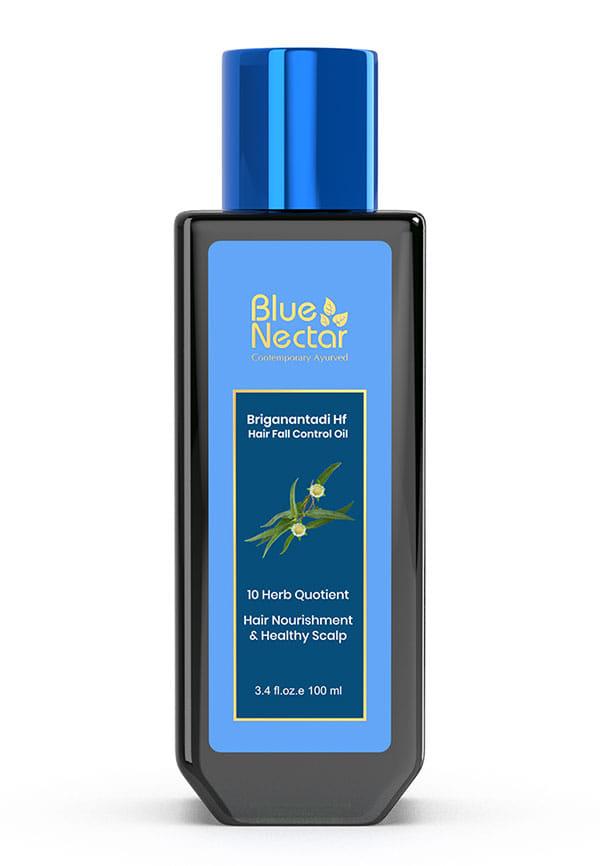
Briganantadi Hair Fall control and Healthy Scalp Hair Oil 10 Herbs
Dry scalp remedies start from the inside out — drinking enough water is non-negotiable. But external hydration matters too, especially if you're dealing with tightness or flaking. Lightweight oils like jojoba or argan can work wonders when applied sparingly to your scalp before washing.
Avoid the temptation to over-wash when your scalp feels dry. This usually makes things worse by stripping away the natural oils your scalp produces to protect itself. Instead, focus on gentle, moisturising products and give your scalp time to find its balance.
If you're serious about hair growth, your scalp needs to be your starting point. The science is pretty clear — healthy hair follicles produce stronger, faster-growing hair, and that all comes down to creating the right environment on your scalp.
Your hair follicles are like tiny factories, and they need the right conditions to work efficiently. This means ensuring good blood circulation (hello, scalp massage), keeping inflammation at bay, and making sure nothing's blocking the follicles from doing their job.
One thing that can interfere with hair follicle health is DHT buildup — a hormone that can miniaturise follicles over time. While you can't completely stop DHT production, keeping your scalp clean and using gentle exfoliation can help prevent excessive buildup around the follicles.
Think of a scalp detox as a monthly reset for your scalp. This isn't about harsh scrubbing — it's about gently removing product buildup, dead skin cells, and excess oil that might be clogging your follicles.
A simple clay mask applied to your scalp once a month can work wonders, or you can use a gentle exfoliating scrub designed specifically for scalps. The goal is to create a clean slate so your regular products can work more effectively and your scalp can breathe properly.
Women's scalp health faces unique challenges that men typically don't deal with. Hormonal fluctuations during periods, pregnancy, or menopause can dramatically affect scalp condition, making it oilier, drier, or more sensitive than usual.
Then there's the styling factor — heat tools, tight hairstyles, chemical treatments, and frequent colouring can all stress your scalp. The key is finding ways to protect your scalp while still achieving the looks you want. This might mean using heat protectants, loosening up tight styles, or spacing out chemical treatments to give your scalp recovery time.
If you're noticing changes in your scalp condition that coincide with hormonal shifts, don't panic. Your scalp is just responding to internal changes, and adjusting your routine accordingly can help maintain balance. Sometimes this means switching to gentler products temporarily, or adding extra moisture during particularly dry phases.
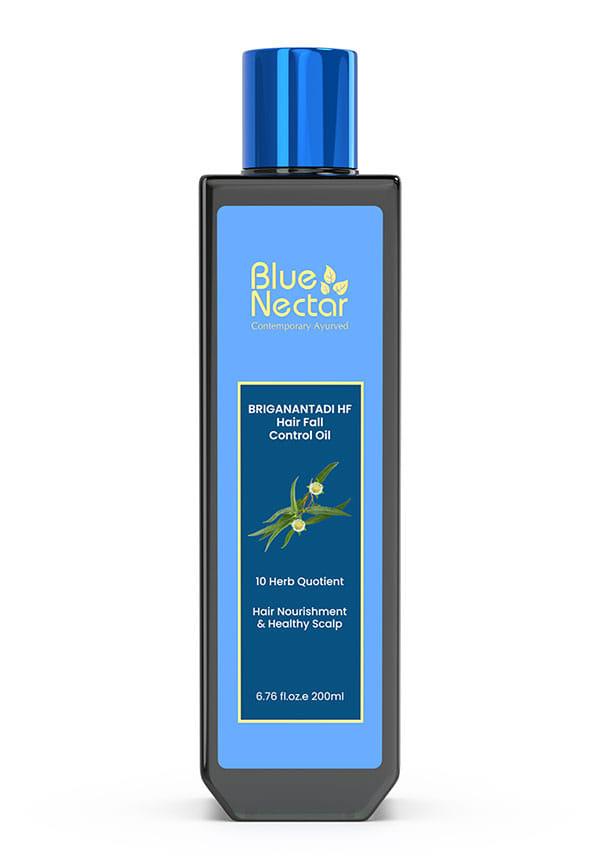
Briganantadi Hair Fall control and Healthy Scalp Hair Oil 10 Herbs
Not every scalp issue requires a trip to the dermatologist, but knowing when to treat at home versus seeking professional help can save you time, money, and frustration.
For immediate itchy scalp relief, cool water can be your best friend — it calms inflammation and provides instant comfort. Aloe vera gel applied directly to the scalp can also soothe irritation, and ingredients like tea tree oil (properly diluted) have anti-inflammatory properties that can help.
However, if itching persists for more than a week, is accompanied by severe flaking, or you notice any unusual changes in your scalp's appearance, it's time to consult a professional. Some conditions require specific treatments that you can't get over the counter.
Most scalp concerns can be managed at home with consistent care and the right products. Professional treatments are worth considering if you're dealing with persistent issues, want a deeper cleanse, or need help diagnosing what's actually going on with your scalp.
At-home treatments are perfect for maintenance and prevention — think weekly oil treatments, gentle exfoliation, and using targeted products for your specific concerns. They're cost-effective and can be easily incorporated into your existing routine.
A scalp-focused haircare routine doesn't need to be complicated, but it should be intentional. Start with the basics — gentle cleansing, regular massage, and protection from damage — then add specific treatments based on your scalp's needs.
Morning routines can include a quick scalp massage while applying leave-in products, while evening routines might involve oil treatments or scalp serums. The key is consistency rather than complexity. Your scalp responds better to gentle, regular care than sporadic intensive treatments.
Don't forget about lifestyle factors that affect scalp health. Stress, poor sleep, and nutritional deficiencies can all show up on your scalp, so taking care of your overall health supports your scalp care efforts. Sometimes the best scalp treatment is simply getting enough sleep and managing stress levels.
Start with gentle, consistent cleansing using products suited to your scalp type. Incorporate daily scalp massage to boost circulation, stay hydrated, and protect your scalp from damage caused by heat styling or harsh chemicals. Focus on creating a balanced environment rather than trying to fix everything at once. Most scalp improvements happen gradually with consistent care rather than dramatic overnight changes.
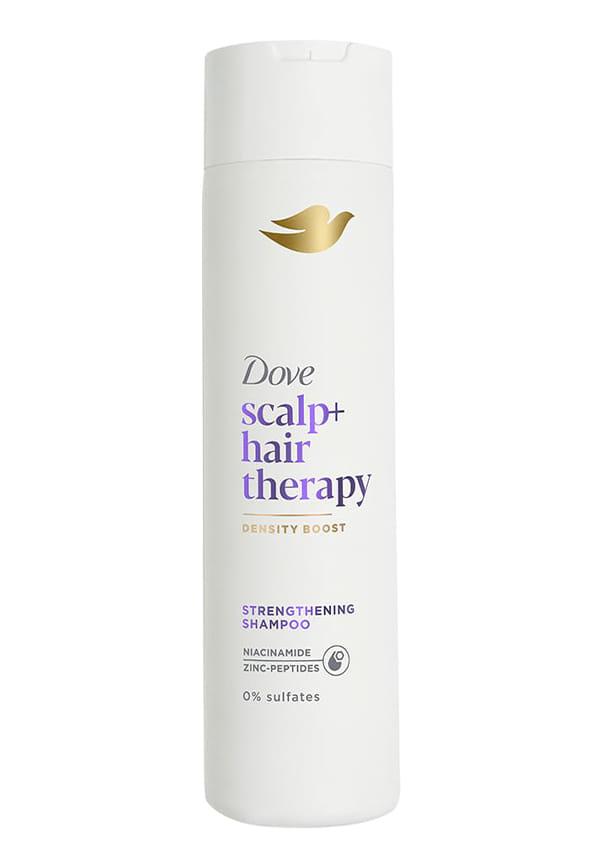
Dove Scalp+Hair Therapy Sulphate Free Density Boost Strengthening Shampoo
A healthy scalp feels comfortable throughout the day — no persistent itching, tightness, or irritation. It should look relatively clear without excessive flaking, redness, or visible buildup. Your hair should feel strong at the roots, and you shouldn't notice unusual amounts of hair fall during washing or brushing. Healthy scalps also tend to produce hair that looks shinier and feels stronger overall.
DHT can contribute to scalp inflammation, particularly around hair follicles. When DHT levels are high, it can cause follicles to shrink and become inflamed, which may lead to hair thinning over time. While you can't completely eliminate DHT, maintaining good scalp hygiene and using anti-inflammatory ingredients can help minimise its impact on your scalp health.
The "big 3" typically refers to minoxidil, finasteride, and ketoconazole shampoo. However, for general scalp health and supporting natural hair growth, focus on proper scalp cleansing, regular massage for circulation, and maintaining a healthy lifestyle with good nutrition. These foundational habits create the best environment for your hair to grow naturally.
This depends entirely on your scalp type and lifestyle. Oily scalps might need daily washing, while dry or chemically treated hair might only need washing 2-3 times per week. Pay attention to how your scalp feels — if it's comfortable and your hair looks good, you've found your sweet spot. Over-washing can strip natural oils, while under-washing can lead to buildup and irritation.
Absolutely. Your scalp reflects your overall health, and nutritional deficiencies often show up as scalp issues first. Adequate protein, healthy fats, and vitamins like biotin, vitamin D, and iron all support scalp health. Staying hydrated is equally important — dehydration can lead to a dry, flaky scalp that feels tight and uncomfortable.
Scalp care focuses on the skin on your head — keeping it clean, balanced, and healthy. Hair care focuses on the hair strands themselves — moisturising, protecting from damage, and styling. While they overlap, scalp care is about creating the foundation for healthy hair growth, while hair care is about maintaining and styling the hair you already have. Both are important, but scalp care often gets overlooked.
Building healthy scalp habits isn't about perfection — it's about consistency and listening to what your scalp actually needs. Start with the basics: gentle cleansing, regular massage, and protection from damage. Most scalp issues improve with time and consistent care, so be patient with the process.
Remember that your scalp's needs might change with seasons, hormones, or lifestyle changes, and that's completely normal. The goal is to create a flexible routine that supports your scalp health while fitting into your actual life, not some idealised version of it.
If you're looking to experiment with new scalp care products without committing to full sizes, Smytten offers trial packs from trusted brands that let you test what works for your specific scalp needs. It's a smart way to build your perfect scalp care routine without the guesswork or waste of buying products that might not suit you.
