Healthy Hair Routine FAQ: Your Questions Answered
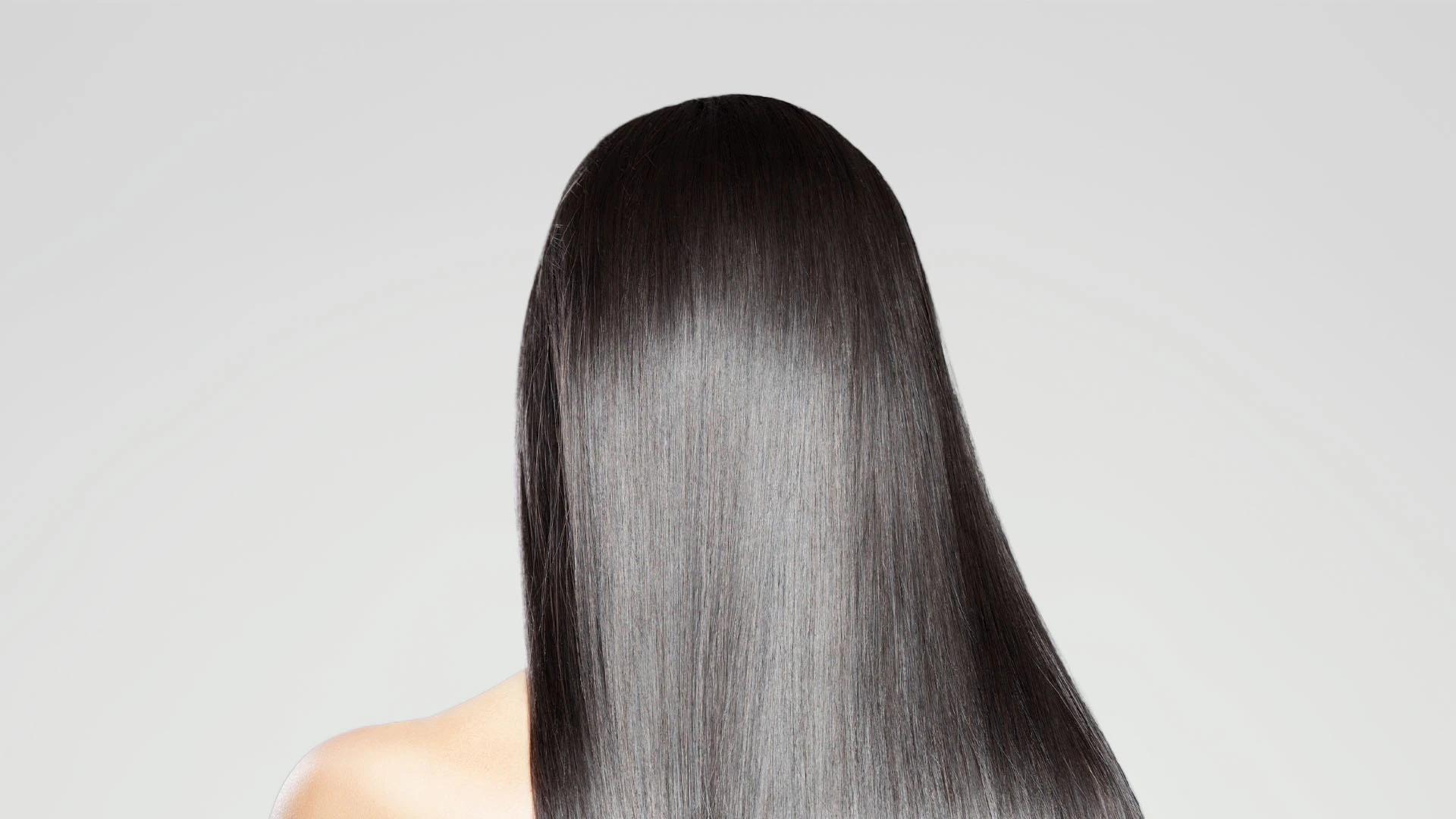

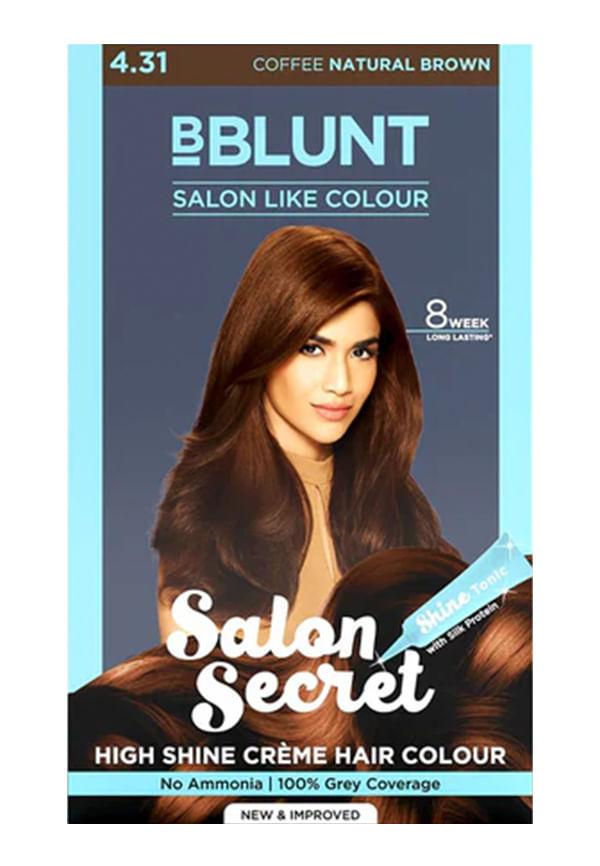
Salon Secret High Shine Conditioning Hair Colour
You know that feeling when you look in the mirror and your hair just isn't cooperating? Maybe it's looking a bit dull, feeling dry, or you're noticing more strands on your pillow than usual. We've all been there, scrolling through endless hair tutorials wondering if there's actually a routine that works without requiring a chemistry degree or a salon budget. The good news? Building a healthy hair routine doesn't have to be complicated or expensive. It's really about understanding what your hair needs and being consistent with the basics. Let's dive into the most common questions about creating a routine that actually delivers results.
Real talk: the healthiest hair routine is the one you'll actually stick to. But there are some non-negotiables that every good routine should include. Think of it as building blocks rather than a rigid set of rules that'll stress you out.
This framework is your foundation. Cleansing removes buildup and keeps your scalp healthy. Conditioning adds moisture and smooths the hair cuticle. Treating addresses specific concerns like hair breakage or dryness. Protecting shields your hair from daily damage. Simple, right?
Your hair type isn't just about straight, wavy, or curly. Porosity matters too—it's how well your hair absorbs and holds moisture. Low porosity hair repels moisture initially but holds it well once absorbed. High porosity hair soaks up products quickly but loses moisture just as fast.
There's no one-size-fits-all answer here. Fine hair might need daily washing, whilst thick, curly hair could go a week between washes. Listen to your scalp—if it feels oily or itchy, it's time for a wash.
Over-washing, using products with harsh sulphates, skipping heat protection, and rough towel-drying are the usual suspects. Also, using too many products at once can overwhelm your hair and scalp.
Daily hair health doesn't require a 20-step routine. It's about gentle handling and protecting what you've got. These tips focus on preventing damage rather than fixing it later—which is always easier and more effective.
Your scalp produces the oil, so that's where the cleaning action should happen. Massage shampoo into your roots and let the suds cleanse the lengths as you rinse. This prevents over-drying your ends.
Skip the roots when conditioning—they don't need the extra moisture. Focus on mid-lengths to ends where hair is older and more prone to dryness. Leave it on for a few minutes whilst you finish your shower routine.
Start from the ends and work your way up using a wide-tooth comb or detangling brush. Never brush wet hair aggressively—it's at its most vulnerable when saturated with water.
Heat protectant isn't optional if you use styling tools. Apply it to damp hair before blow-drying and again on dry hair before using straighteners or curling irons. Keep temperatures below 180°C when possible.
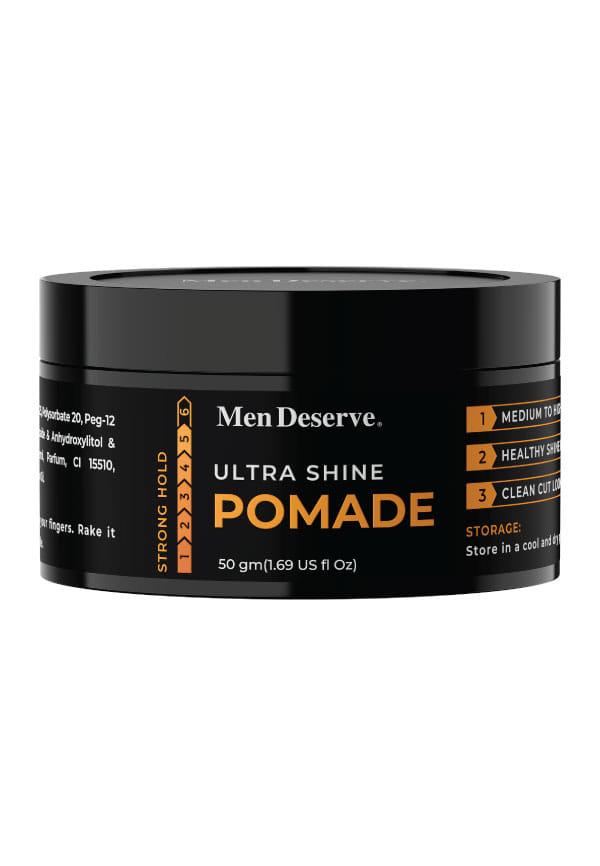
Hair Styling Ultra Shine Pomade for Strong Hold and Wet Look Hairstyle
This is where you give your hair some extra love. Weekly treatments address specific concerns and help maintain hair health over time. Think of it as your hair's spa day—relaxing and restorative.
For dry hair, try mashed avocado with honey. Oily hair benefits from clay masks with a bit of apple cider vinegar. Fine hair loves lightweight treatments like aloe vera gel mixed with a few drops of argan oil.
Your scalp needs attention too. Gentle scalp scrubs remove buildup and improve circulation. You can use a soft brush or make a simple scrub with brown sugar and your regular shampoo.
If your hair feels mushy or overly soft, it needs protein. If it feels brittle or snaps easily, it needs moisture. Most hair benefits from alternating between the two types of treatments.
Leave-in treatments provide ongoing protection throughout the week. Hair oils can seal split ends temporarily and add shine, but they won't actually repair damage—only a trim can do that.
Let's be honest about hair growth—there's no magic potion that'll give you rapunzel-length hair overnight. But a good routine can create the optimal environment for healthy growth and help you keep the length you gain.
Spend five minutes massaging your scalp with your fingertips (not nails) in circular motions. This increases blood flow to hair follicles and feels amazing after a long day.
Look for products with caffeine, niacinamide, or peptides. These ingredients can help improve scalp health and create better conditions for hair growth. Remember, healthy hair growth starts with a healthy scalp.
Regular trims prevent split ends from travelling up the hair shaft. Even if you're growing your hair out, a small trim every couple of months keeps it looking healthy and prevents major breakage.
Root-lifting sprays, gentle backcombing at the crown, and blow-drying with a round brush can add volume. Avoid over-teasing or using too much product, which can weigh hair down.
Your hair type determines which products and techniques will work best for you. There's no point fighting your natural texture—work with it instead. Here's how to tailor your routine based on what you're working with.
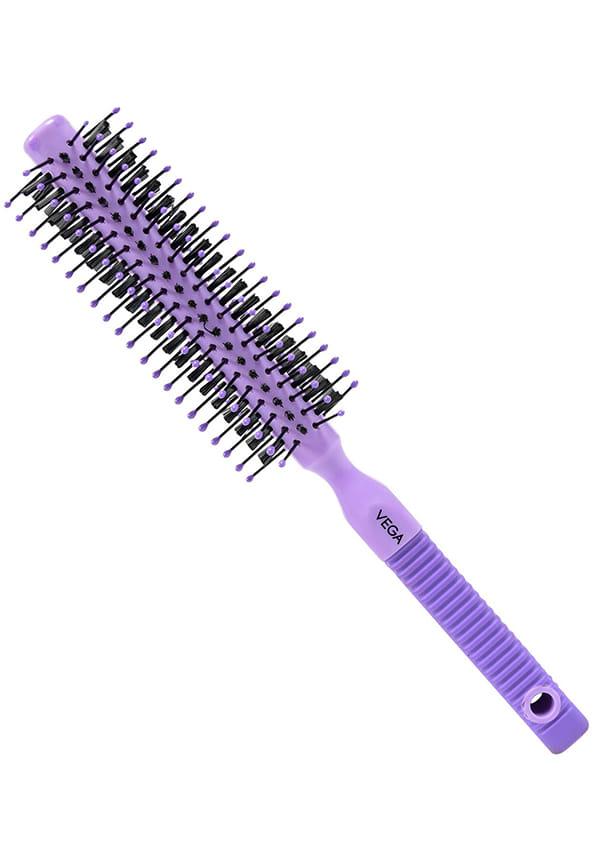
Round Hair Brushfor Adding Curls, Volume & Waves In Hairs| Men and Women| All Hair Types, Color May Vary (R2-RB)
Lightweight, volumising shampoos and conditioners are your friends. Avoid heavy oils and creams that can weigh hair down. Dry shampoo between washes can add texture and volume.
Rich, moisturising products work well for thick hair. Look for ingredients like shea butter and ceramides. Weekly deep conditioning treatments help manage frizz and improve manageability.
Curly hair needs extra moisture and gentle handling. Co-washing (conditioner-only washing) between shampoo sessions can help maintain hydration. Avoid brushing dry curls—detangle when wet with conditioner.
Colour-treated hair needs extra TLC. Use sulphate-free shampoos, UV protection products, and weekly protein treatments to maintain colour vibrancy and hair strength.
Having a weekly schedule takes the guesswork out of hair care. You'll know exactly what to do when, making it easier to stay consistent. Consistency is what actually delivers results—not expensive products or complicated techniques.
Gentle brushing, protecting hair whilst sleeping (silk pillowcases or loose braids), and applying leave-in protection if you're using heat tools. These small daily habits make a big difference over time.
Pre-wash oil treatment (optional), gentle shampooing focused on scalp, conditioning from mid-lengths to ends, gentle detangling, and careful drying. Take your time—rushing leads to damage.
Dry shampoo for oil control, light misting with water and leave-in conditioner for curl refresh, or gentle brushing and re-styling for straight hair. Keep it simple and damage-free.
Choose one day for your weekly hair mask or deep conditioning treatment. This could be the same day as your regular wash or a separate pampering session—whatever fits your schedule.
The beauty industry wants you to believe you need dozens of products for healthy hair. Reality check: you don't. A few well-chosen products that work for your hair type will always beat a bathroom cabinet full of random bottles.
Essentials: gentle shampoo, good conditioner, heat protectant, and a weekly treatment. Nice-to-haves: hair oils, styling products, scalp treatments, and leave-in conditioners. Start with the basics and add gradually.
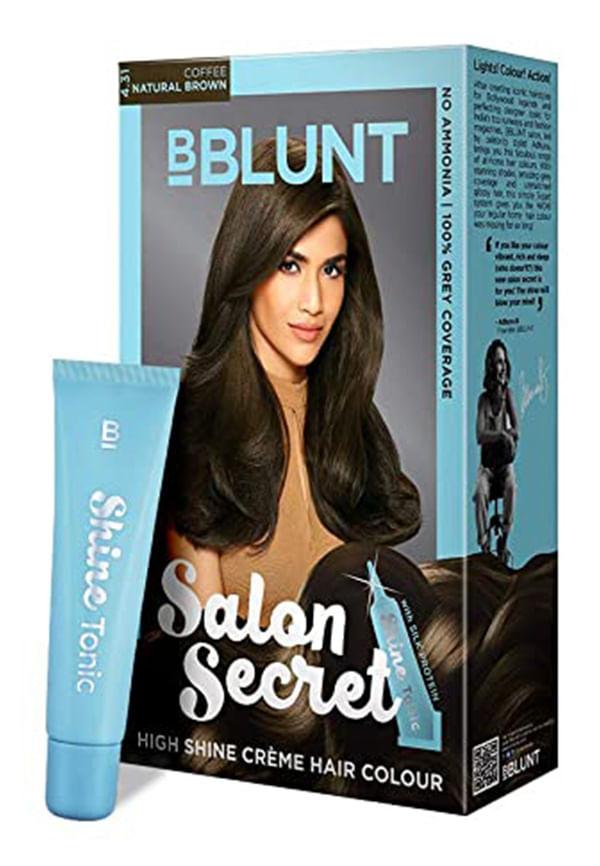
Salon Secret High Shine Crème Hair Colour
Look for: ceramides, hyaluronic acid, natural oils, and gentle cleansing agents. Avoid: harsh sulphates, drying alcohols, and too many silicones that can cause buildup over time.
You don't need to spend a fortune on hair care. Many affordable brands offer excellent formulations. Focus on finding products that work for your specific hair type rather than chasing expensive trends.
If your current products aren't delivering results after 6-8 weeks of consistent use, or if your hair needs have changed (new colour, different climate, hormonal changes), it might be time to reassess your routine.
Most people notice improvements in hair texture and manageability within 2-4 weeks of starting a new routine. However, significant changes in hair health, shine, and overall condition typically take 6-8 weeks of consistent use. Remember, your hair grows about half an inch per month, so patience is key when you're trying to improve damaged hair.
While you can't reverse existing damage (only a trim can remove split ends), a good routine can prevent further damage and improve the appearance of your hair. Deep conditioning treatments, protein masks, and gentle handling can make damaged hair look and feel healthier whilst you grow out the damage.
Natural hair shine comes from healthy, smooth cuticles that reflect light well. Shine products create a temporary glossy coating but don't actually improve hair health. Focus on maintaining healthy hair through proper conditioning and protection—the shine will follow naturally.
Your hair reflects your overall health. Adequate protein intake, iron, vitamins (especially biotin and vitamin D), and staying hydrated all contribute to healthy hair growth. However, topical hair care is still essential—you can't just eat your way to perfect hair.
Absolutely. Your hair's needs change with the weather. Winter often requires more moisture due to heating and dry air, whilst summer might call for UV protection and lighter products. Pay attention to how your hair feels and adjust accordingly.
Pack travel-sized versions of your essential products, protect your hair from different climates with leave-in treatments, and don't stress if you can't follow your exact routine. Focus on gentle cleansing and basic protection—your hair can handle a few days of simplified care.
Building a healthy hair routine isn't about perfection—it's about consistency and understanding what your hair actually needs. Start with the basics: gentle cleansing, proper conditioning, weekly treatments, and protection from damage. Listen to your hair and adjust as needed rather than following rigid rules that don't suit your lifestyle.
The most important thing is finding products and techniques that work for your specific hair type and concerns. What works for your friend might not work for you, and that's completely normal. Focus on gentle, consistent care rather than dramatic treatments or expensive products that promise overnight transformations.
Remember, healthy hair is a marathon, not a sprint. Small, consistent efforts over time will always beat sporadic intensive treatments. Be patient with the process and kind to your hair—it's the only set you've got. Not sure which products might work for your hair type? Smytten offers trial-size versions of many haircare products from trusted brands, letting you test different formulations before committing to full-size bottles.
