Healthy Hair Care Habits FAQ: Your Questions Answered

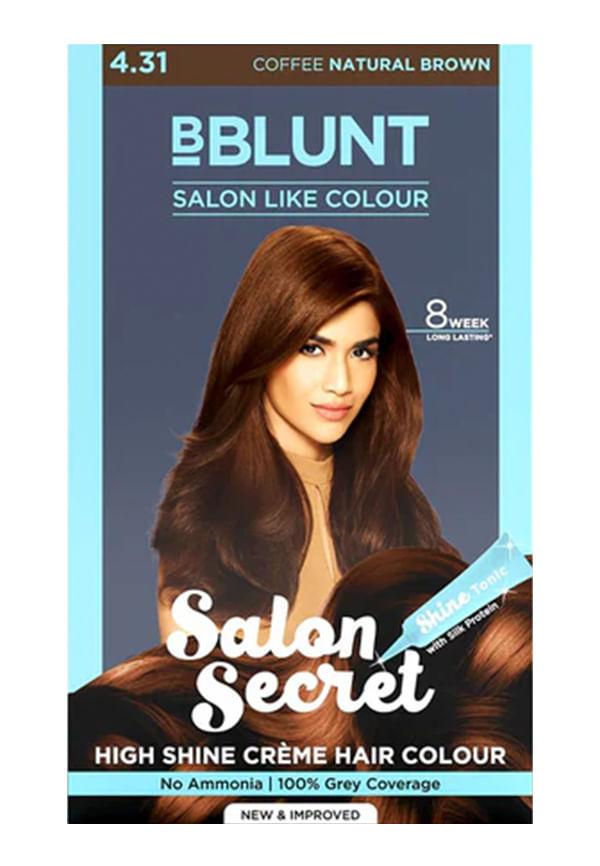
Salon Secret High Shine Conditioning Hair Colour
You know that feeling when you catch your reflection and think, "When did my hair start looking so... tired?" Whether it's the third day of dry shampoo or you've just realised your ends are more split than a controversial group chat, we've all been there. The good news? Healthy hair isn't some impossible dream reserved for people with perfect genes and unlimited budgets. It's actually about nailing the basics and being consistent with habits that actually work. Let's dive into the questions everyone's asking about building a hair care routine that delivers real results.
Real talk: healthy hair care habits aren't rocket science, but they do require some strategy. Think of it like building a skincare routine, but for your scalp and strands. The foundation comes down to four key pillars that work together to keep your hair looking and feeling its best.
First up is proper cleansing. This means washing your hair when it actually needs it, not just because it's Wednesday. Your scalp produces natural oils that can build up over time, but over-washing strips these protective oils and leaves your hair dry and brittle. The sweet spot varies by hair type, but most people do well washing every 2-3 days.
Conditioning comes next, and this is where many people go wrong. Your conditioner should focus on the mid-lengths to ends of your hair, not your roots. Think of it as moisturiser for your strands – you wouldn't put face cream on your T-zone if you have oily skin, right? Same logic applies here.
Protection is your third pillar, and it's all about shielding your hair from damage before it happens. This includes heat protection when styling, UV protection when you're outdoors, and gentle handling when your hair is wet and vulnerable. Small changes here make a massive difference over time.
Finally, nutrition plays a bigger role than most people realise. Your hair is essentially dead protein, so what you eat directly impacts how strong and healthy new growth will be. This doesn't mean expensive supplements – it's more about consistent, balanced nutrition that supports your overall health.
Your hair care routine should be as individual as your skincare routine. What works for your friend with fine, straight hair might be a disaster for your thick, curly strands. The key is understanding your hair's specific needs and building habits around them.
For oily hair types, you might need to wash more frequently – every day or every other day – but with a gentle, clarifying shampoo that won't over-strip your scalp. The goal is removing excess oil without triggering your scalp to produce even more. Focus lightweight conditioners on your ends only, and consider dry shampoo as a styling tool rather than just an emergency fix.
Dry hair needs the opposite approach. Less frequent washing (2-3 times per week), richer conditioners, and regular deep conditioning treatments. Your hair is basically thirsty all the time, so hydration becomes your main focus. Leave-in treatments and hair oils can be game-changers here.
Curly and textured hair has its own rulebook. The curly girl method has gained popularity for good reason – it focuses on moisture, gentle cleansing, and defining natural curl patterns. This often means co-washing (conditioner-only washing) between shampoo sessions and using products specifically formulated for curl definition.
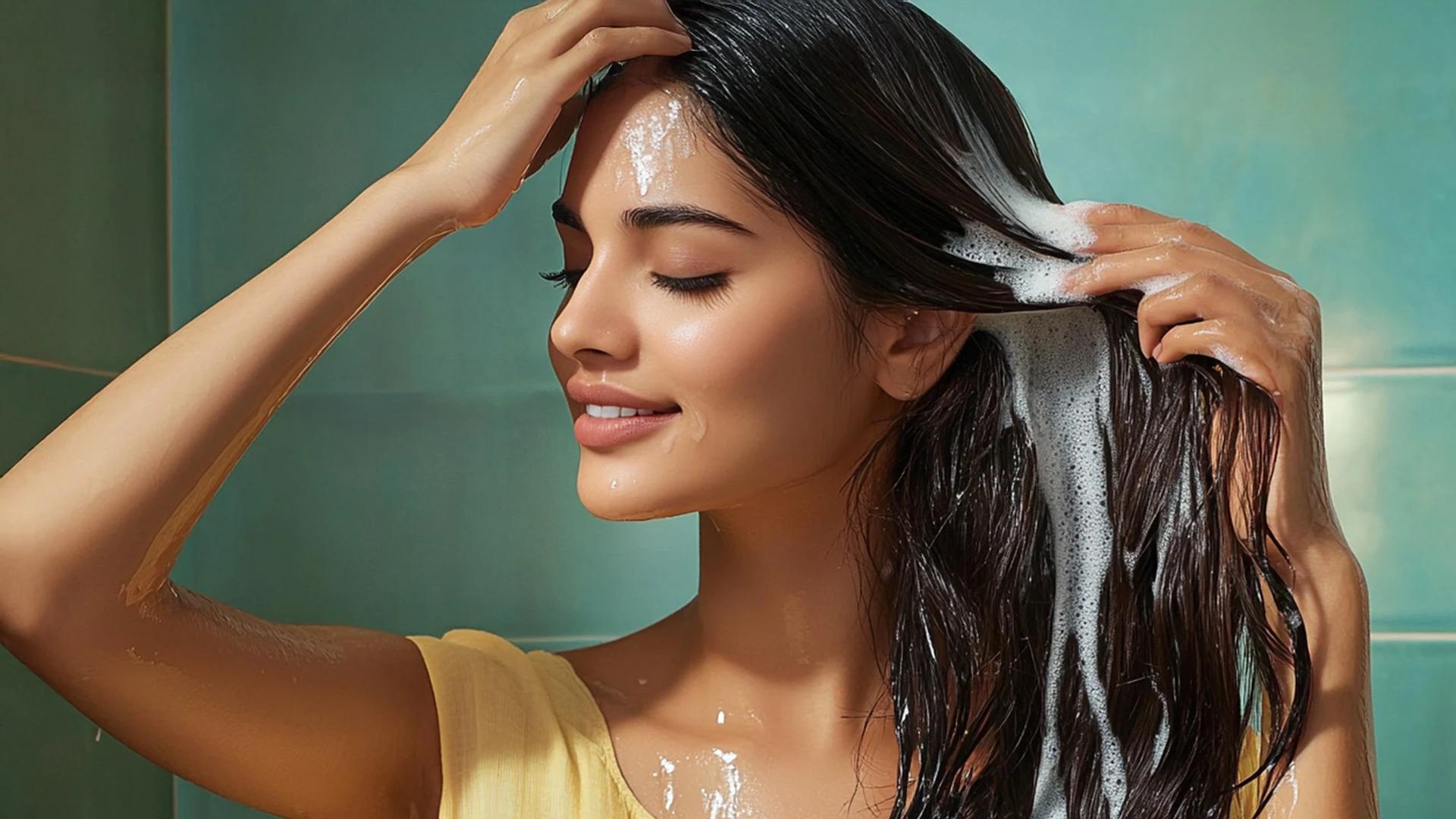
Here's where technique matters as much as products. When shampooing, focus the product on your scalp and roots – this is where oil buildup happens. Let the suds rinse through your lengths rather than scrubbing the entire length of your hair. Think gentle massage, not aggressive scrubbing.
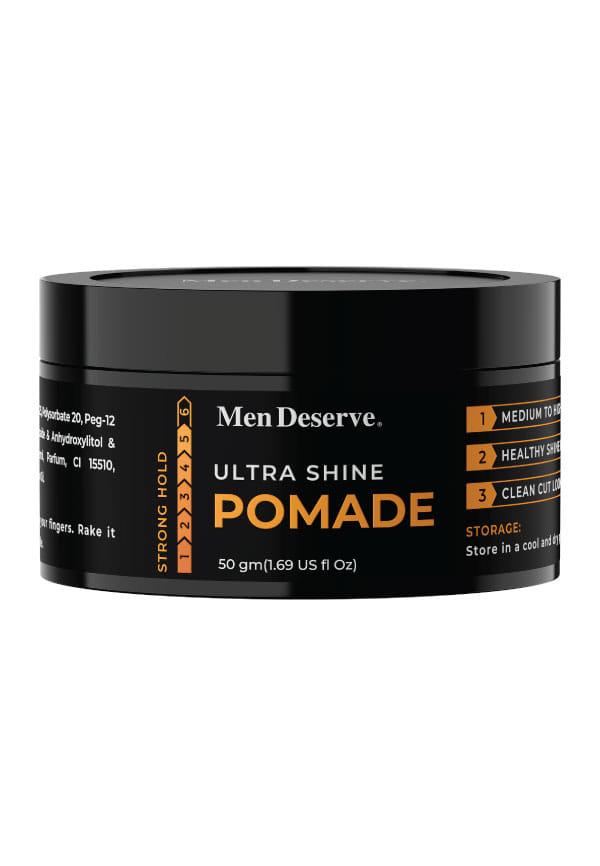
Hair Styling Ultra Shine Pomade for Strong Hold and Wet Look Hairstyle
For conditioning, flip the script. Apply from mid-lengths to ends, avoiding your roots entirely unless your hair is extremely dry or damaged. Leave it on for the recommended time – those few extra minutes actually matter for penetration and effectiveness.
Natural hair care isn't just about jumping on trends – some traditional methods have stood the test of time because they genuinely work. The trick is knowing which ones are worth your time and which are just Instagram-worthy but ineffective.
Oil treatments top the list of natural methods that deliver real results. Different oils work for different concerns: coconut oil for protein-sensitive hair, argan oil for frizz control, and jojoba oil for scalp health. The key is using them correctly – as pre-shampoo treatments rather than leave-in products that can weigh hair down.
DIY hair masks using kitchen ingredients can be surprisingly effective. Avocado and honey masks provide deep moisture, while egg masks offer protein for strengthening. Just remember that natural doesn't always mean gentle – lemon juice and baking soda, for example, can be quite harsh and disruptive to your hair's pH balance.
Gentle detangling techniques fall under natural hair care because they work with your hair's structure rather than against it. Start from the ends and work your way up, use a wide-tooth comb on wet hair, and never brush curly hair when it's dry. These small changes prevent unnecessary breakage and preserve your hair's natural texture.
Air-drying whenever possible gives your hair a break from heat damage. If you must use heat tools, lower temperatures and proper heat protectant products are non-negotiable. Your hair will thank you in the long run with better texture and less breakage.
Let's bust some myths right away: there's no magic potion that will give you rapunzel-length hair overnight. Hair grows about half an inch per month on average, and that's largely determined by genetics. However, you can optimise conditions for healthy growth and prevent breakage that makes hair appear to grow slower.
Scalp care is where real hair growth magic happens. A healthy scalp creates the best environment for strong hair follicles. Regular scalp massages boost circulation, which can support healthy growth. You don't need fancy tools – just your fingertips and a few minutes while you're watching Netflix.
Regular trims might seem counterintuitive when you're trying to grow your hair, but they're actually essential. Split ends travel up the hair shaft if left unchecked, causing more breakage and making your hair look thinner and less healthy. Aim for a trim every 8-12 weeks, or whenever you notice split ends appearing.
Protective styling isn't just for textured hair – everyone can benefit from styles that minimise manipulation and friction. Loose braids for sleep, silk or satin pillowcases, and avoiding tight ponytails all help prevent breakage that can slow apparent growth.
Sleep protection deserves its own mention because we spend a third of our lives in bed. Cotton pillowcases can create friction that leads to breakage and frizz. Silk or satin alternatives are gentler, and loose styles prevent tangles and tension while you sleep.
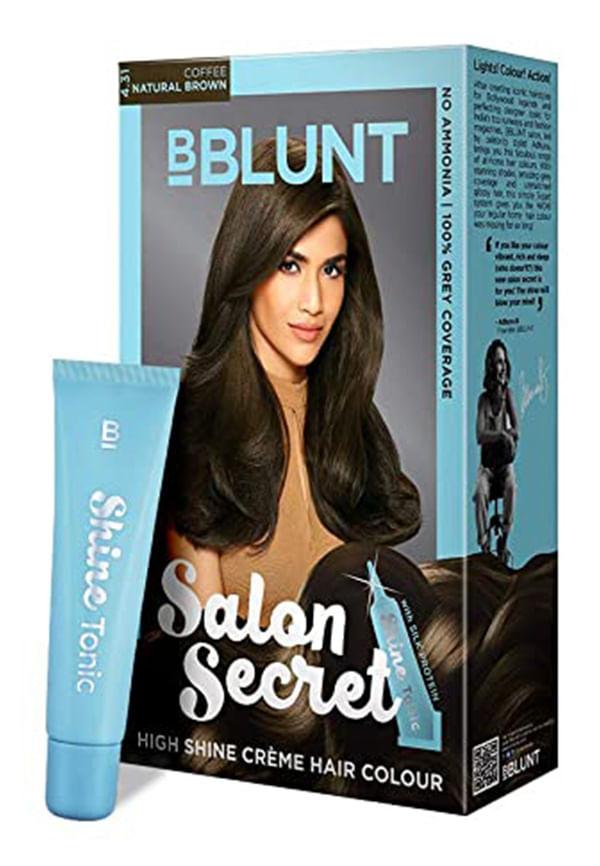
Salon Secret High Shine Crème Hair Colour
Hair breakage prevention is often more important than trying to repair damage after it's happened. Once your hair is damaged, you can improve its appearance and manageability, but true repair isn't really possible – hair is dead tissue that can't regenerate like skin.
Heat protection is non-negotiable if you use styling tools. This means heat protectant products applied to damp hair before any heat styling, and keeping temperatures as low as possible while still achieving your desired style. Most hair types don't need temperatures above 300°F, despite what your flat iron might suggest.
Avoiding tight hairstyles prevents traction alopecia – gradual hair loss from constant pulling. This includes tight ponytails, braids, and hair accessories that grip too firmly. If your hairstyle gives you a headache or you can see tension at your hairline, it's too tight.
Wet hair handling requires extra care because wet hair is at its most vulnerable. Never brush wet hair aggressively, avoid tight styles when hair is damp, and be gentle when towel-drying. Microfibre towels or even cotton t-shirts are gentler alternatives to regular bath towels.
Environmental protection matters more than most people realise. UV rays can fade colour and weaken hair structure, while pollution and hard water can cause buildup and dullness. Wearing hats in strong sun and using clarifying treatments occasionally can help protect your hair from environmental stressors.
Your healthy hair diet starts from the inside out. Hair is essentially made of protein, so adequate protein intake is crucial for strong, healthy growth. This doesn't mean you need to chug protein shakes – a balanced diet with good protein sources like eggs, fish, legumes, and nuts usually provides what you need.
Iron deficiency is one of the most common nutritional causes of hair problems, especially in women. If you're experiencing unusual hair loss or thinning, it's worth having your iron levels checked. Good dietary sources include leafy greens, red meat, and legumes.
B vitamins, particularly biotin and B12, play important roles in hair health. You'll find these in whole grains, eggs, and leafy vegetables. Vitamin C helps with iron absorption and collagen production, while vitamin E provides antioxidant protection.
Hair hydration starts with overall hydration. Dehydrated hair often reflects overall dehydration, so drinking enough water throughout the day supports healthy hair from within. There's no magic number, but if your urine is consistently dark yellow, you probably need more fluids.
Supplements can help if you have specific deficiencies, but they're not magic bullets. Whole foods are generally better absorbed and utilised by your body. If you're considering supplements, it's worth discussing with a healthcare provider, especially if you're experiencing significant hair changes.
Hair is approximately 90% keratin, a fibrous protein that's also found in your nails and skin. This protein structure is what gives hair its strength and elasticity. Understanding this helps explain why protein treatments can be beneficial for damaged hair, and why a protein-rich diet supports healthy hair growth.
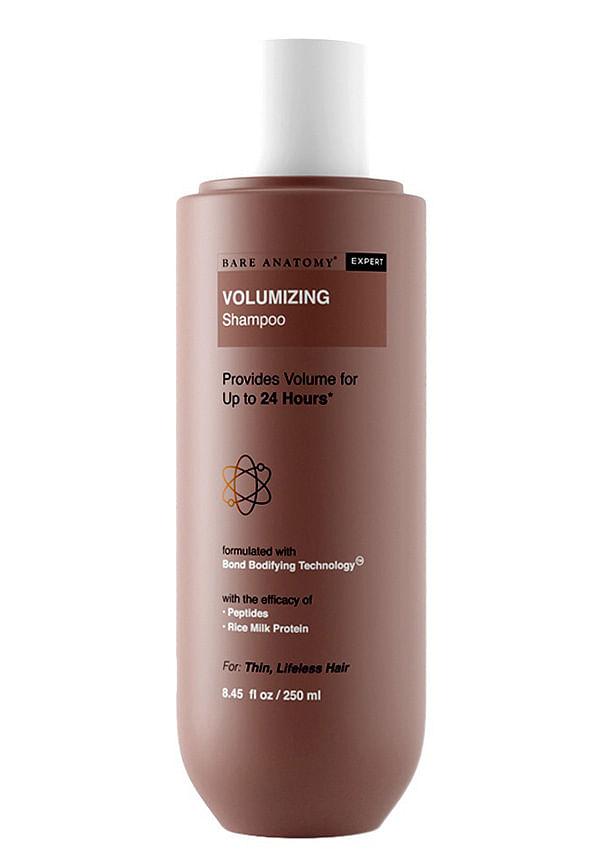
Expert Volumizing Hair Shampoo For Thicker, Fuller And Healthy Hair
Hormonal changes during menopause can significantly affect hair texture and moisture levels. Focus on gentle, moisturising shampoos, regular deep conditioning treatments, and consider incorporating hair oils or leave-in treatments. Many women also find that adjusting their washing frequency and using silk pillowcases helps manage dryness and brittleness.
This depends entirely on your hair type, scalp condition, and lifestyle. Oily hair might need daily washing, while dry or curly hair often does better with 2-3 washes per week. Pay attention to how your hair and scalp feel rather than following a rigid schedule. Signs you need to wash include oil buildup at roots, itchy scalp, or hair that feels heavy and lifeless.
Technically, you can only prevent further damage since hair is dead tissue that can't regenerate. However, you can significantly improve the appearance and manageability of damaged hair through deep conditioning treatments, protein treatments, and protective styling. The key is managing expectations – you can make damaged hair look and feel better, but true repair requires growing out healthy new hair.
Hair care focuses on the hair shaft itself – cleansing, conditioning, and protecting the strands you can see. Scalp care targets the skin on your head where hair grows, addressing issues like dryness, oiliness, dandruff, or sensitivity. Both are important because a healthy scalp creates the best environment for healthy hair growth.
You might notice immediate improvements in manageability and appearance, but significant changes typically take 2-3 months of consistent habits. This is because hair grows slowly, and you need time for healthier new growth to replace damaged hair. Be patient and consistent – good hair habits are a long-term investment, not a quick fix.
Building healthy hair care habits isn't about perfection – it's about consistency with the basics that actually work for your hair type. Focus on gentle cleansing, proper conditioning, protection from damage, and supporting your hair health from within through good nutrition and hydration.
Remember that everyone's hair is different, so what works for others might not work for you. Pay attention to how your hair responds to different products and techniques, and adjust your routine accordingly. The best hair care routine is the one you'll actually stick to long-term.
If you're looking to experiment with new products or find what works best for your hair type, Smytten's curated selection of haircare brands offers a smart way to explore without committing to full-size products. Not sure which shampoo or treatment will work for your specific concerns? Smytten also offers trial-size versions of many haircare products – a practical way to test before investing in the full bottle.
