Hair Treatment for Thinning Hair Guide: Everything You Need to Know

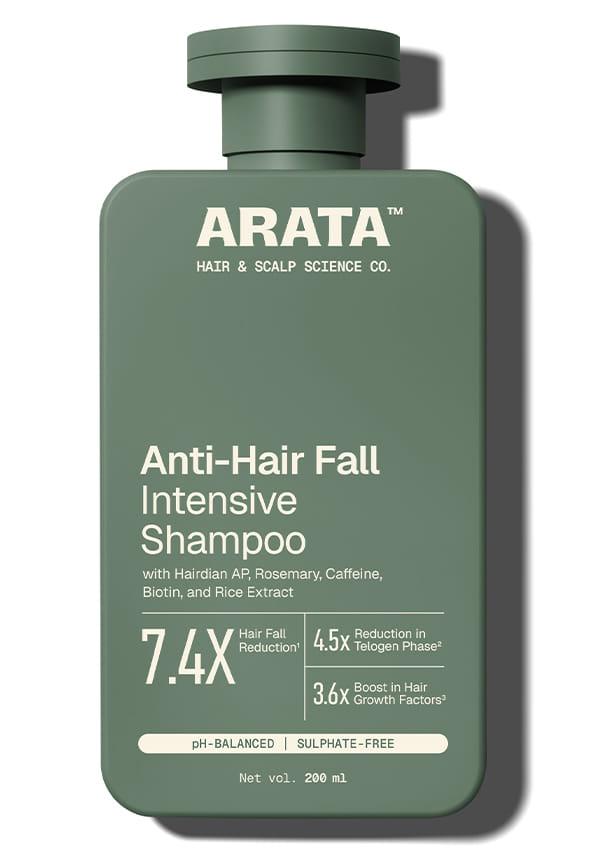
Anti-Hair Fall Intensive Shampoo | Hairdian AP, Caffeine & Rosemary | Hair Fall Reduction | Boost in Hair Growth Factors | Paraben & Sulphate-Free Sh
Needs more usage time
 4
4“ek hi bar hairwash kiya hai toh utna samjh nhi aya but 1-2week use krne ke bad hi samjh ayega”
Nice Shampoo, Reduces Hair Fall
4“Nice shampoo smells good reducing hair fall”
Needs more usage time
4“ek hi bar hairwash kiya hai toh utna samjh nhi aya but 1-2week use krne ke bad hi samjh ayega”
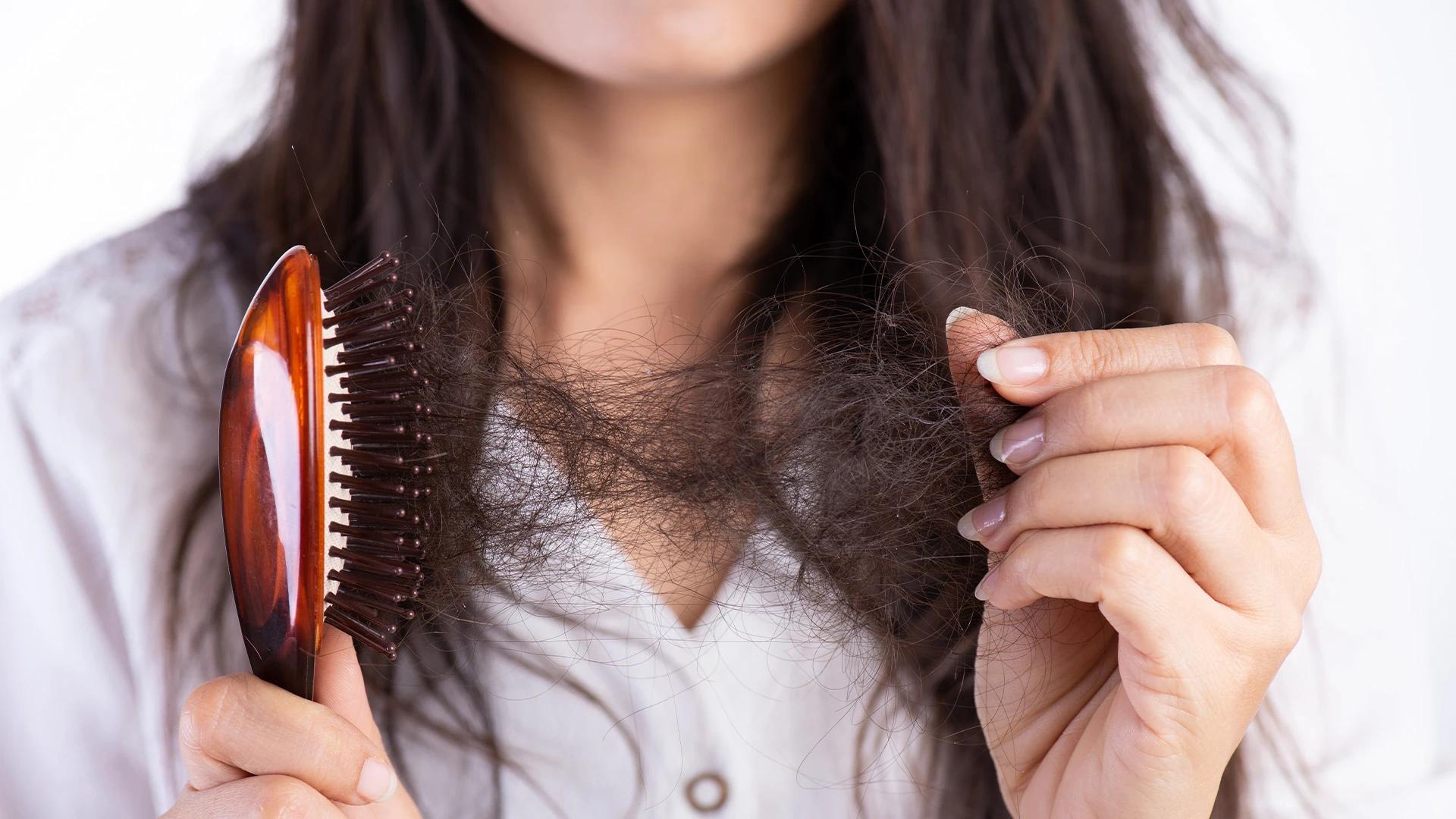
Thinning hair can feel like your confidence is literally falling out strand by strand. Whether you've noticed your ponytail getting thinner, your scalp showing through more than usual, or your hairline changing, you're definitely not alone in this journey. Hair thinning affects millions of people worldwide, and the good news is that there are proven solutions that actually work. From medical treatments backed by science to natural remedies your grandmother might have sworn by, this comprehensive hair treatment for thinning hair guide covers everything you need to know. We'll walk through the causes, explore effective treatments, and help you build a routine that works for your specific situation. Plus, with platforms like Smytten offering trial-sized haircare products, you can test different solutions without committing to full-size purchases—because finding the right treatment shouldn't break the bank.
TL;DR
Hair thinning has multiple causes including genetics, hormones, stress, and nutritional deficiencies—identifying your specific trigger helps target treatment effectively
Medical treatments like minoxidil and finasteride are FDA-approved and show proven results, while professional options include PRP therapy and hair transplants
The best approach combines gentle haircare products, scalp-nourishing ingredients, and lifestyle changes for comprehensive hair loss prevention
Natural remedies like rosemary oil and proper nutrition can support hair health, though results may take 3-6 months to become visible
Early intervention and realistic expectations are key—most treatments work best when started at the first signs of thinning
Let's be real—hair thinning doesn't happen overnight, and understanding why it's happening is the first step towards finding the right solution. Your hair goes through natural growth cycles, but sometimes these cycles get disrupted, leading to more hair falling out than growing back in.
The most common culprit behind thinning hair is androgenetic alopecia, which affects both men and women but shows up differently. In women, you'll typically notice diffuse thinning across the crown, while men often see receding hairlines and bald spots.
Hormonal changes play a massive role too. Think pregnancy, menopause, thyroid issues, or even PCOS—all of these can mess with your hair growth cycle. Then there's the lifestyle stuff we often overlook: chronic stress, crash diets, iron deficiency, or even that super tight ponytail you wear every day.
Not all hair loss looks the same, and recognising your pattern helps determine the best treatment approach.
Female pattern hair loss typically starts with widening parts and overall thinning, especially around the crown. Male pattern baldness usually begins with temple recession or a thinning crown. Telogen effluvium causes sudden, widespread shedding—often triggered by stress, illness, or major life changes. The good news? This type is usually temporary.
When it comes to proven hair regrowth products, the medical world has some solid options that actually work. These aren't miracle cures, but they're backed by proper research and FDA approval.
Minoxidil is probably the most well-known hair growth serum out there. Originally developed for blood pressure, researchers noticed patients were growing hair in unexpected places. It works by increasing blood flow to hair follicles and extending the growth phase of hair. You'll find it in 2% and 5% concentrations—start with 2% if you have sensitive skin.
Finasteride is another heavy hitter for androgenetic alopecia treatment, though it's primarily prescribed for men. It blocks the hormone DHT, which shrinks hair follicles. Women who are pregnant or might become pregnant should avoid this one completely.
If topical treatments aren't cutting it, professional procedures might be worth exploring. PRP therapy uses your own blood platelets to stimulate hair growth—it sounds intense, but many people see good results. Low-level laser therapy is another option that's gaining popularity for its gentle approach to stimulating follicles.
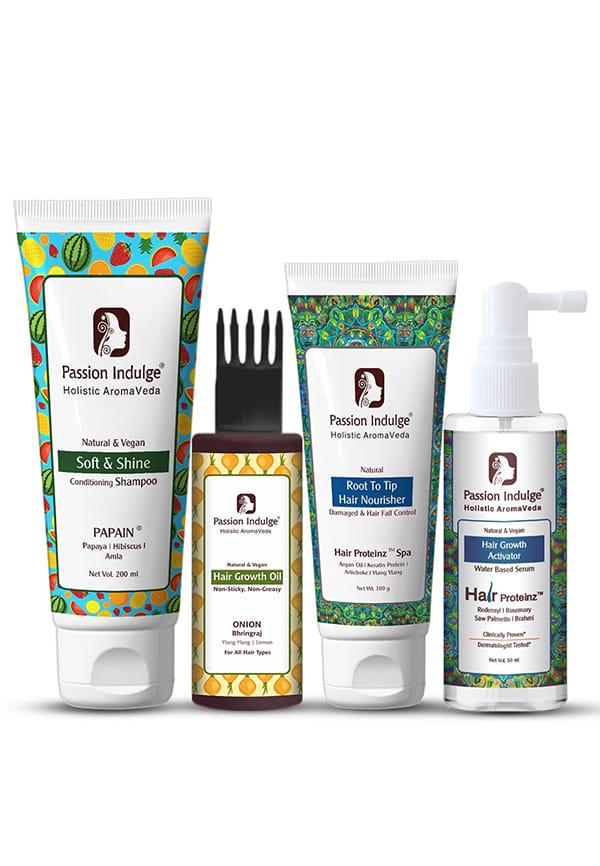
Onion Hair oil, Rosemary Hair Growth Serum, Hair Spa Protein Booster & Papain Shampoo
Hair transplants have come a long way from the obvious "plugs" of the past. Modern techniques like FUE create natural-looking results, though they're definitely an investment in both time and money.
Your daily haircare routine can make or break your hair thickening efforts. The right products won't work miracles overnight, but they'll create the best environment for whatever hair you have to thrive.
The best shampoo for thinning hair should clean without stripping your scalp of natural oils. Look for ingredients like ketoconazole, which has anti-inflammatory properties, or caffeine, which can stimulate circulation. Avoid sulphates if your hair is already fragile—they're just too harsh.
When washing, focus the shampoo on your scalp, not the lengths of your hair. Your scalp is where the action happens, and over-washing the ends just leads to more breakage. Condition from mid-length to ends only—putting conditioner on your scalp can weigh down already fine hair.
Hair thickening products come in all forms—serums, foams, and leave-in treatments. The key is consistency and patience. Most hair growth serums need at least 3-4 months of regular use before you'll see noticeable results.
Look for ingredients like peptides, which can strengthen hair shafts, or niacinamide, which improves scalp circulation. Apply these products to clean, slightly damp hair for better absorption, and don't forget to massage them in gently.
While natural doesn't always mean effective, some traditional remedies have actually stood up to scientific scrutiny. These thinning hair solutions work best as part of a comprehensive approach rather than standalone treatments.
Rosemary oil has shown promising results in studies, performing almost as well as minoxidil in some trials. Peppermint oil is another winner—it increased hair growth more than minoxidil in animal studies. Always dilute essential oils with a carrier oil like jojoba or coconut oil before applying to your scalp.
Scalp massage isn't just relaxing—it actually increases blood flow to hair follicles. Spend 5-10 minutes daily massaging your scalp with your fingertips, using gentle circular motions. You can do this dry or with a few drops of diluted essential oils.
Your hair is basically a reflection of your overall health, so what you eat matters. Iron deficiency is a major cause of hair loss, especially in women. Get your levels checked and consider supplementation if needed.
Biotin gets a lot of hype, but unless you're actually deficient, extra biotin won't magically grow more hair. Focus on a balanced diet with plenty of protein, omega-3 fatty acids, and antioxidants instead.
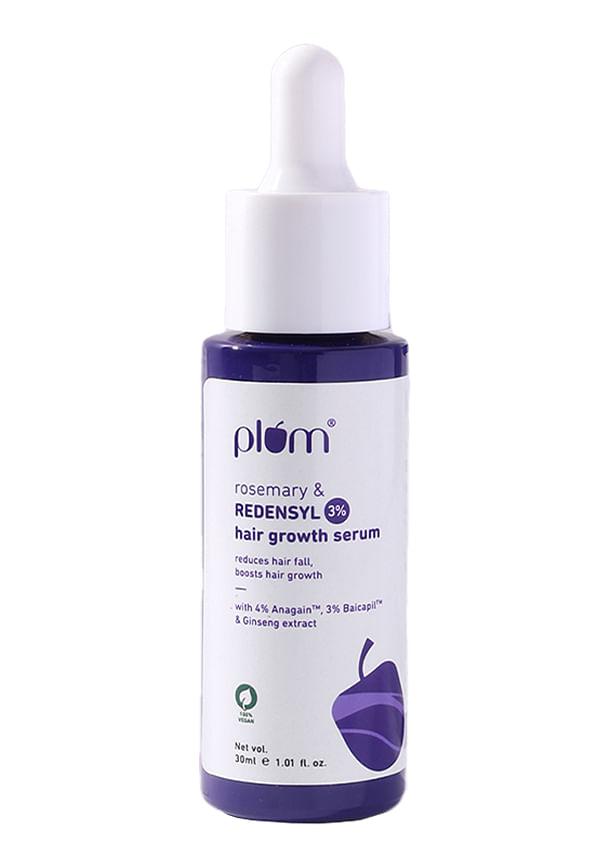
Hair Growth Serum | With Rosemary, 3% Redensyl, 4% Anagain, 3% Baicapil, & Ginseng Extract
Nice and Useful Product
5“Nice product. Very useful. Recommend to every”
Lightweight & Non-Greasy
4“It is lightweight with a watery texture that absorbs easily into the scalp, it does not make your hair greasy.”
Effective Product
5“Love the product it does it works”
Building a gentle routine is crucial for hair loss prevention. Think of your thinning hair as delicate fabric—it needs extra care to avoid further damage.
How to stop hair thinning starts with how you handle your hair daily. Wash every other day or even less frequently if your hair isn't oily. When you do wash, use lukewarm water—hot water strips natural oils and can irritate your scalp.
Pat your hair dry with a microfibre towel instead of rubbing vigorously. When detangling, start from the ends and work your way up, using a wide-tooth comb or detangling brush. Never brush wet hair aggressively—it's at its most vulnerable when saturated with water.
Stress management isn't just good for your mental health—it's essential for your hair too. Chronic stress can push hair follicles into the resting phase, leading to increased shedding months later.
Sleep quality affects everything, including hair growth. Aim for 7-9 hours of quality sleep, and consider a silk pillowcase to reduce friction. Regular exercise improves circulation, which benefits your scalp, but always tie your hair loosely during workouts to avoid traction damage.
Knowing when to escalate your treatment approach can save you months of frustration and potentially prevent further hair loss.
If you're losing more than 100 hairs per day consistently, or if you notice sudden patches of hair loss, it's time to see a professional. Scalp irritation, redness, or scaling alongside hair loss could indicate an underlying condition that needs medical attention.
Family history matters too. If your parents or grandparents experienced significant hair loss, early intervention with a dermatologist can help you get ahead of the problem.
Here's the truth about hair loss treatment for women and men—results take time. Most treatments need 3-6 months before you'll see noticeable improvement, and it can take up to a year to see full results.
The goal isn't always to get back to your teenage hair thickness. Sometimes success means stopping further loss or achieving modest regrowth. Combining multiple approaches—like using minoxidil while improving your diet and managing stress—often works better than relying on a single treatment.
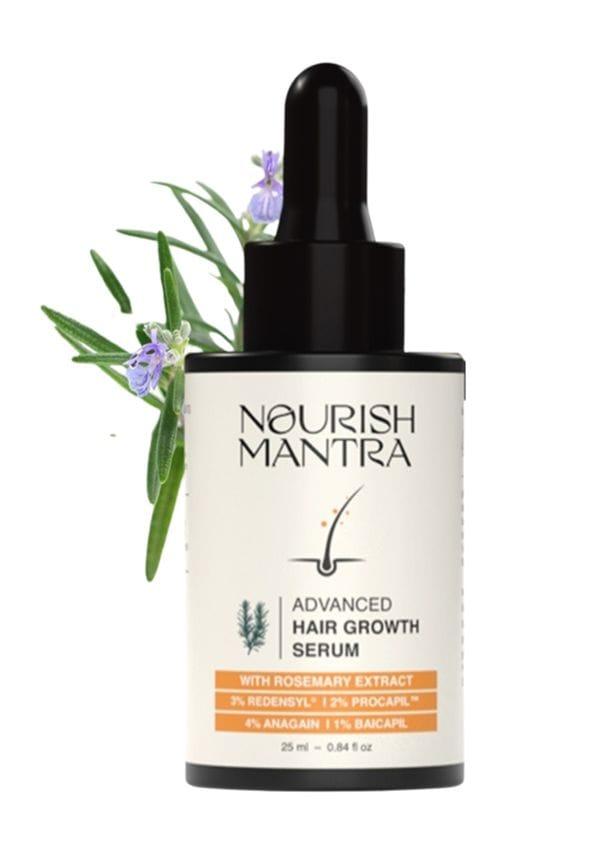
Advanced Hair Growth Serum With Rosemary Oil for Hair Regrowth and Stop Hairfall - 25 ml
The most effective approach combines FDA-approved treatments like minoxidil with proper haircare and lifestyle changes. For androgenetic alopecia, minoxidil shows the best results, while addressing underlying causes like nutritional deficiencies or hormonal imbalances is crucial for other types of hair loss.
A gentle routine includes washing every 2-3 days with a mild shampoo, using a volumising conditioner on lengths only, applying a hair growth serum to the scalp, and protecting hair from heat damage. Always handle wet hair gently and avoid tight hairstyles that create tension.
The "big 3" refers to minoxidil, finasteride, and ketoconazole shampoo. These three treatments work synergistically—minoxidil stimulates growth, finasteride blocks DHT (in men), and ketoconazole reduces scalp inflammation. This combination is considered the gold standard for treating androgenetic alopecia.
Women should start with minoxidil 2%, address any nutritional deficiencies (especially iron), manage stress levels, and use gentle haircare products. Hormonal evaluation is important, especially around menopause. Natural options like rosemary oil and scalp massage can complement medical treatments.
Gen Z faces unique stressors including social media pressure, climate anxiety, economic uncertainty, and increased screen time affecting sleep quality. Poor diet habits, frequent heat styling, tight hairstyles, and early exposure to chemical treatments also contribute. The good news is that stress-related hair loss is often reversible with lifestyle changes.
Absolutely! Smytten offers trial-sized versions of various haircare products, allowing you to test different treatments without the commitment of full-size purchases. This is particularly helpful when exploring different hair growth serums or specialised shampoos for thinning hair.
Treating thinning hair successfully requires patience, consistency, and often a combination of approaches. Start with identifying the underlying cause—whether it's genetics, hormones, stress, or nutritional deficiencies—then build a treatment plan around that. Medical treatments like minoxidil offer the strongest evidence for regrowth, but don't underestimate the power of proper haircare, stress management, and good nutrition.
Remember that results take time, typically 3-6 months minimum, so stick with your chosen approach long enough to see if it works. Most importantly, early intervention gives you the best chance of success, so don't wait until the problem becomes severe.
Finding the right hair treatment for thinning hair is often a journey of trial and discovery, and that's where Smytten becomes your perfect companion. As India's largest product discovery and trial platform, Smytten connects you with over 2,400 trusted brands including specialised haircare solutions from Dot & Key, WishCare, and other leading names. Instead of investing in full-size products that might not work for your specific hair type, you can explore curated trial packs of hair growth serums, thickening shampoos, and scalp treatments. With up to 10 Trial Points for just ₹279 and 100% cashback on trials redeemable for future purchases, you can test multiple thinning hair solutions affordably. The platform's 90% pincode coverage ensures that whether you're in a metro city or tier-2 town, authentic brand-verified minis reach you directly. When you find a treatment that works, purchasing the full-size version is just a click away. With over 28 million users trusting Smytten for smarter beauty choices, why settle for guessing when you can try it all and find what truly works for your hair?
