Hair Thinning in Women: Common Causes and Answers
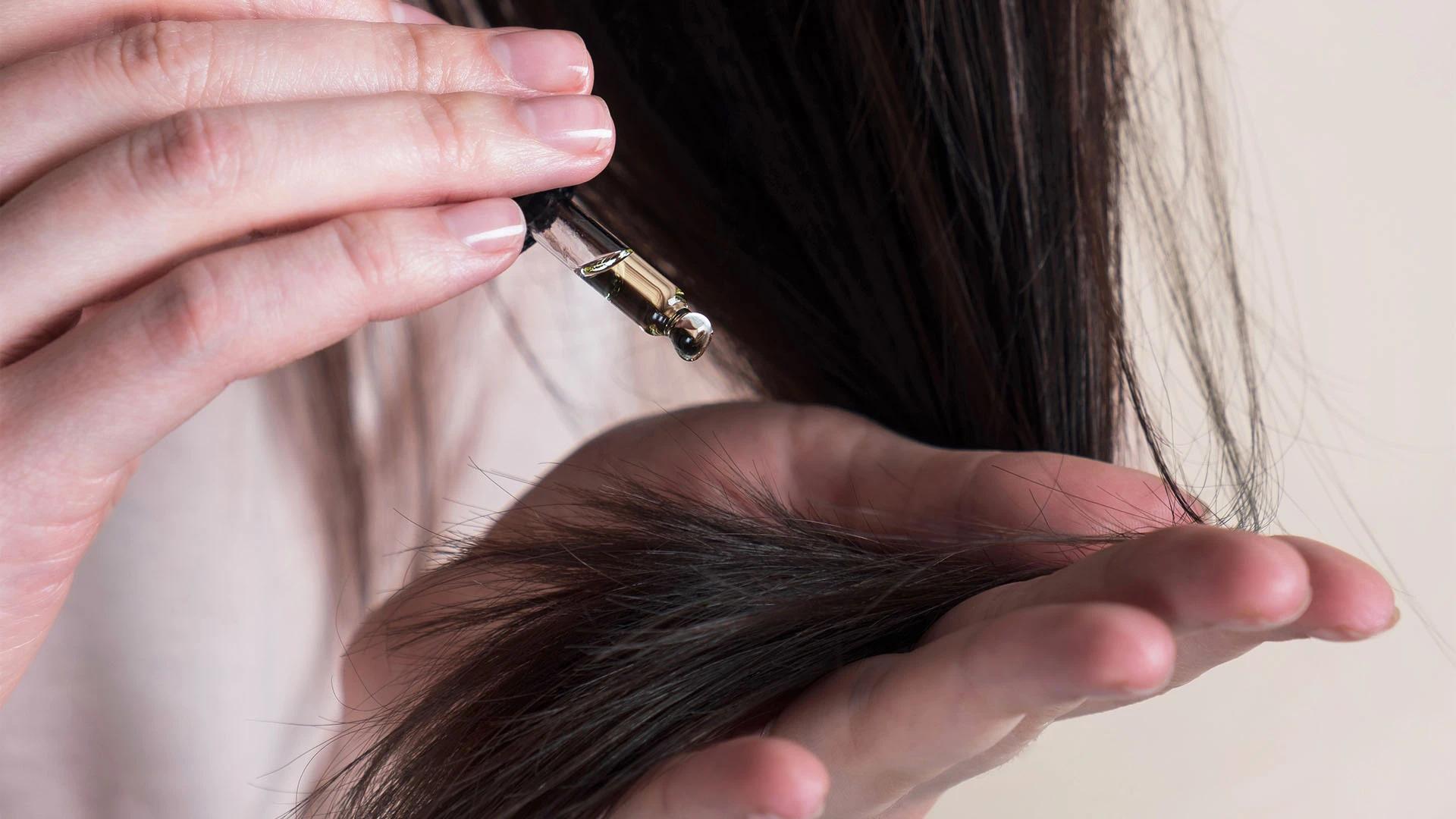

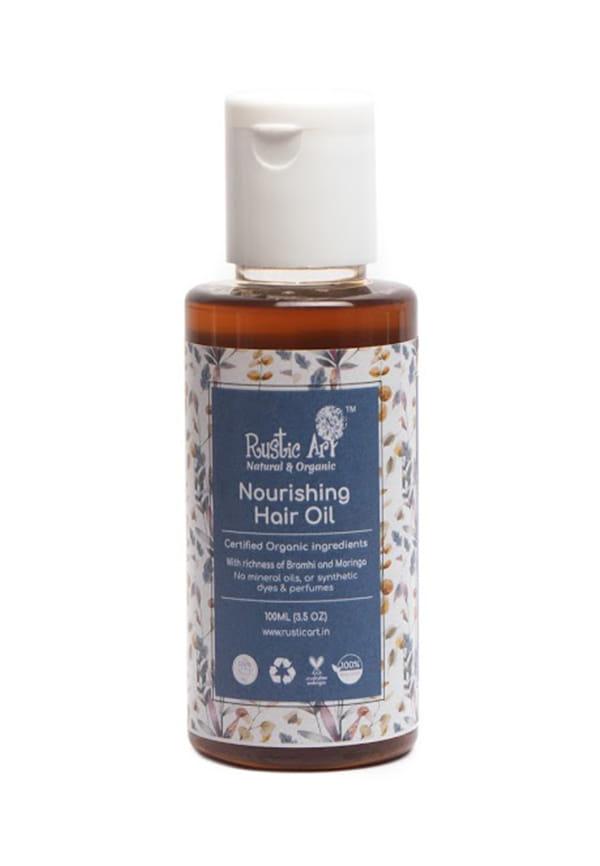
Organic Nourishing Hair Oil
You're standing in front of the mirror, and something feels off. Your ponytail feels thinner, your parting looks wider, and you're finding more hair on your pillow than usual. If this sounds familiar, you're not alone. Hair thinning in women is way more common than most people realise, affecting millions across different ages and backgrounds. The thing is, understanding what's behind your hair changes can be the first step towards getting your confidence back.
Let's be real — everyone sheds hair daily. It's completely normal to lose between 50 to 100 strands each day as part of your hair's natural growth cycle. But when does normal shedding cross into concerning territory? The key signs to watch for include a noticeably wider parting, less volume when you tie your hair up, or seeing more scalp through your hair than before.
Hair thinning in women typically follows different patterns compared to men. Instead of distinct bald patches, women often experience diffuse thinning across the crown area, gradual frontal hairline changes, or a progressively widening part line. These changes can happen gradually over months or years, which is why they're sometimes easy to miss until they become more pronounced.
Normal hair shedding happens when hair follicles naturally cycle through growth, rest, and shedding phases. You might notice more hair in your brush or shower drain, but your overall hair density remains stable. Hair thinning, however, involves a reduction in the actual number of active hair follicles or the production of progressively finer, weaker strands.
Female pattern hair loss often starts with subtle changes around the crown and part line. Unlike male pattern baldness, women rarely experience complete hair loss in specific areas. Instead, the hair becomes progressively finer and less dense, creating an overall thinner appearance while maintaining the hairline shape.
Understanding the reasons for hair thinning can help you identify the best approach for your specific situation. From genetic factors to lifestyle choices, multiple elements can contribute to hair density loss in women.
This genetic condition affects up to 40% of women by age 50. Androgenetic alopecia in women involves sensitivity to dihydrotestosterone (DHT), a hormone that causes hair follicles to shrink over time. Unlike men, women with this condition typically maintain their frontal hairline while experiencing diffuse thinning across the crown area.
Your hormones play a massive role in hair health. Menopause brings declining oestrogen levels, which can trigger hair thinning. PCOS (polycystic ovary syndrome) increases androgen levels, potentially leading to hair loss. Pregnancy and postpartum periods create dramatic hormonal shifts that can cause temporary but significant hair shedding. Thyroid disorders, whether overactive or underactive, also commonly affect hair growth and density.
Your hair needs proper nutrition to grow strong and healthy. Iron deficiency is particularly common in women and directly impacts hair growth. Inadequate protein intake can weaken hair structure, whilst deficiencies in vitamin D, B12, and zinc can slow hair growth and increase shedding. Even biotin deficiency, though rare, can contribute to hair thinning.
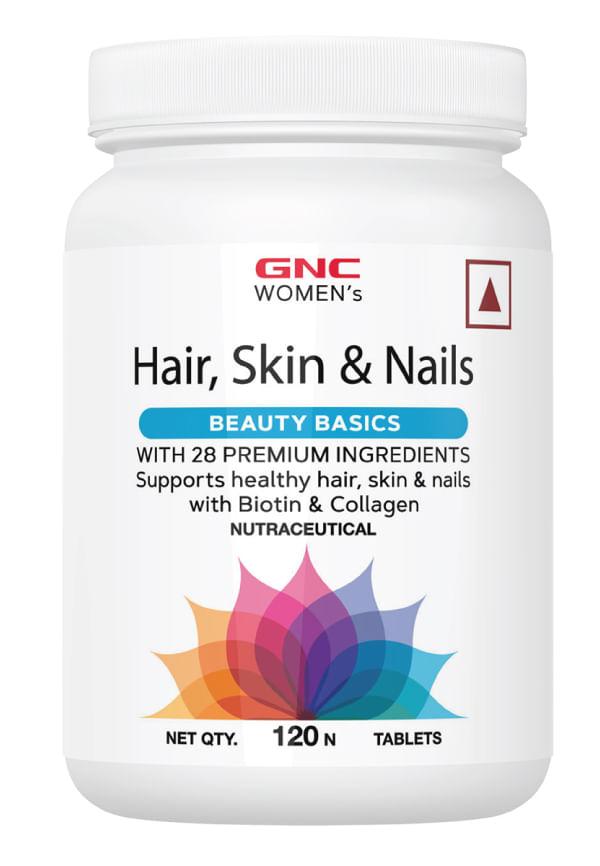
Women's Hair, Skin & Nails - For Stronger Hair, Clearer Skin, and Healthier Nails
Both physical and emotional stress can push hair follicles into a resting phase, leading to increased shedding about 2-3 months after the stressful event. This type of hair loss is usually temporary, but chronic stress can create ongoing hair thinning issues. Major life events, illness, surgery, or significant weight loss can all trigger this response.
Sometimes the culprit is right in your daily routine. Chemical processing like bleaching, perming, or frequent colouring can weaken hair structure. Excessive heat styling without proper protection damages the hair shaft. Tight hairstyles like ponytails, braids, or buns can cause traction alopecia, particularly around the hairline. Even over-washing or using harsh products can contribute to hair breakage and thinning.
Autoimmune conditions like alopecia areata cause the immune system to attack hair follicles. Scalp health issues such as seborrheic dermatitis or fungal infections can affect hair growth. Certain medications, including some antidepressants, blood thinners, and chemotherapy drugs, list hair loss as a potential side effect.
As we age, hair follicles naturally begin to shrink, producing finer, shorter hairs. The hair growth cycle also slows down, meaning it takes longer for new hair to replace what's been shed. These changes typically become more noticeable after age 30 and accelerate during menopause.
Figuring out the specific cause of your hair thinning requires some detective work. Start by considering when you first noticed changes and what else was happening in your life at that time. Was it after a stressful period, a change in medication, or a new hair care routine?
Track your hair loss patterns, noting whether it's diffuse or concentrated in specific areas. Consider your family history of hair loss, recent health changes, stress levels, and any new products or treatments you've started using. Document your diet and any supplements you're taking, as nutritional factors often play a role.
Seek professional help if you notice sudden, rapid hair loss, patchy bald spots, or hair loss accompanied by scalp irritation, pain, or unusual symptoms. A dermatologist can perform specific tests to determine the underlying cause and recommend appropriate treatment options.
The good news is that many types of hair thinning in women can be treated effectively, especially when caught early. Treatment approaches vary depending on the underlying cause, but several options have shown promising results.
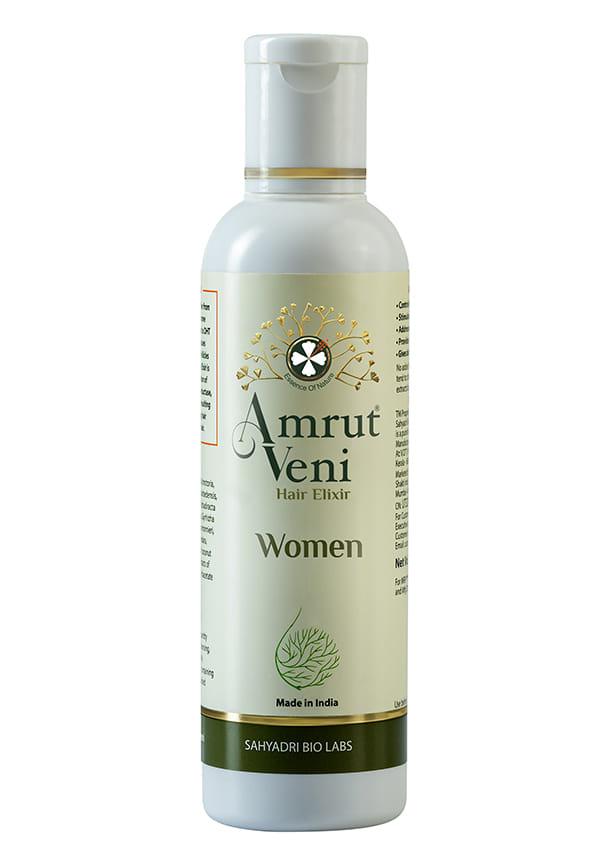
Hair Elixir Women
Minoxidil is the only FDA-approved topical treatment for female pattern hair loss and has shown effectiveness in slowing hair loss and promoting regrowth in many women. For hormonal causes, doctors might prescribe anti-androgen medications or hormone replacement therapy. Iron supplements can help if deficiency is identified through blood tests.
Improving your diet with hair-healthy nutrients, managing stress through meditation or exercise, and gentle scalp massage to improve circulation can all support hair health. Some women find success with natural supplements like saw palmetto or pumpkin seed oil, though scientific evidence varies.
PRP (platelet-rich plasma) therapy involves injecting your own processed blood platelets into the scalp to stimulate hair growth. Low-level laser therapy devices can help improve hair density in some cases. For severe cases, hair transplant procedures have become more refined and natural-looking.
When dealing with thinning hair, your daily haircare routine becomes even more important. The goal is to maximise what you have whilst protecting against further damage.
Wash your hair only when needed — usually every 2-3 days for most hair types. Use sulphate-free shampoos that won't strip natural oils, and always follow with a lightweight conditioner. Focus conditioner on mid-lengths and ends rather than the scalp to avoid weighing down fine hair.
Choose volumising products that add body without heavy buildup. Always use heat protection before styling, and try to air-dry when possible. Avoid tight hairstyles that pull on the hairline, and sleep on silk or satin pillowcases to reduce friction. Consider protective styles that don't require daily manipulation.
Prevention is often easier than treatment when it comes to hair thinning. Building healthy habits now can help maintain your hair density as you age.
Maintain a balanced diet rich in protein, iron, and vitamins. Regular exercise improves circulation, including to your scalp. Prioritise quality sleep, as this is when your body repairs and regenerates, including hair follicles. Manage stress through healthy coping mechanisms like exercise, meditation, or hobbies you enjoy.
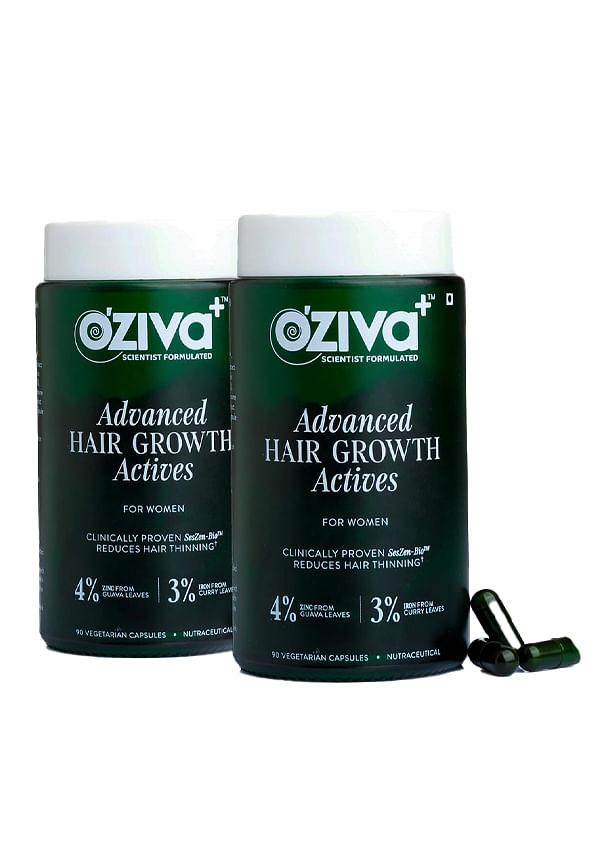
Advanced Hair Growth Actives | Anti-Thinning Hair Formula for Women
Monitor your hair regularly by taking photos in consistent lighting to track changes over time. Address nutritional deficiencies promptly through diet or supplements. Protect your hair from damage by using gentle products and avoiding excessive heat or chemical processing.
Yes, in many cases hair can regrow after thinning, especially if the underlying cause is addressed. Temporary causes like stress, nutritional deficiencies, or hormonal changes often resolve with appropriate treatment. However, genetic hair loss (androgenetic alopecia) is progressive, though treatments can slow or halt further loss and sometimes promote regrowth. The key is early intervention and consistent treatment.
DHT (dihydrotestosterone) is the primary hormone responsible for androgenetic alopecia in women. Declining oestrogen levels during menopause can also contribute to hair thinning. Thyroid hormones, when imbalanced, significantly affect hair growth cycles. Women with PCOS may have elevated androgens that contribute to hair loss patterns similar to male pattern baldness.
Effective regrowth strategies include using minoxidil as directed, addressing any nutritional deficiencies, managing underlying health conditions, and maintaining a gentle haircare routine. Professional treatments like PRP therapy or low-level laser therapy may help. Consistency is crucial — most treatments require 3-6 months of regular use before visible improvements occur.
Iron deficiency is the most common nutritional cause of hair loss in women. Vitamin D deficiency has also been linked to hair thinning and alopecia. B-vitamins, particularly B12 and biotin, are essential for healthy hair growth. Zinc deficiency can cause hair shedding and slow regrowth. A comprehensive blood test can identify specific deficiencies.
Hair thinning in young women can result from genetic predisposition to androgenetic alopecia, which can start in the late teens or early twenties. Stress from university, work, or major life changes can trigger telogen effluvium. Nutritional deficiencies from restrictive diets or eating disorders are common culprits. Hormonal conditions like PCOS or thyroid disorders can also manifest in the twenties.
Frontal hairline hair loss in women often results from traction alopecia caused by tight hairstyles, frequent use of headbands, or aggressive brushing. Some women with androgenetic alopecia experience frontal thinning, though it's less common than crown thinning. Hormonal changes, particularly increased androgen sensitivity, can affect the frontal hairline. Chemical processing and heat styling near the hairline can also cause localised thinning.
Hair thinning in women is a complex issue with multiple potential causes, from genetics and hormones to lifestyle factors and medical conditions. The encouraging news is that many types of hair loss can be effectively treated, especially when identified and addressed early. Whether you're dealing with stress-related shedding, nutritional deficiencies, or genetic hair loss, understanding your specific situation is the first step towards finding the right solution.
Remember that hair regrowth takes time — most treatments require several months of consistent use before you'll see significant results. Be patient with the process and work with healthcare professionals when needed to develop a comprehensive treatment plan. Your hair journey is unique, and what works for others might not be the perfect fit for you.
If you're exploring different haircare products to support your hair health journey, Smytten offers trial-size versions of many hair treatments and scalp care products. This allows you to test what works for your specific hair type and concerns before investing in full-size products — particularly helpful when you're trying to identify the most effective routine for thinning hair.
