Hair Thinning at the Crown: What Causes It and How to Manage It

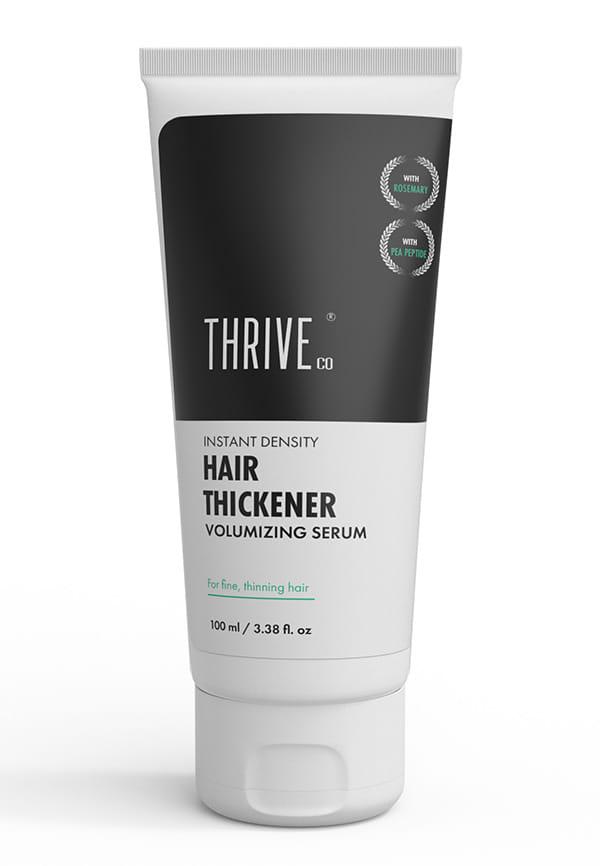
Hair Thickener Volumizing Serum
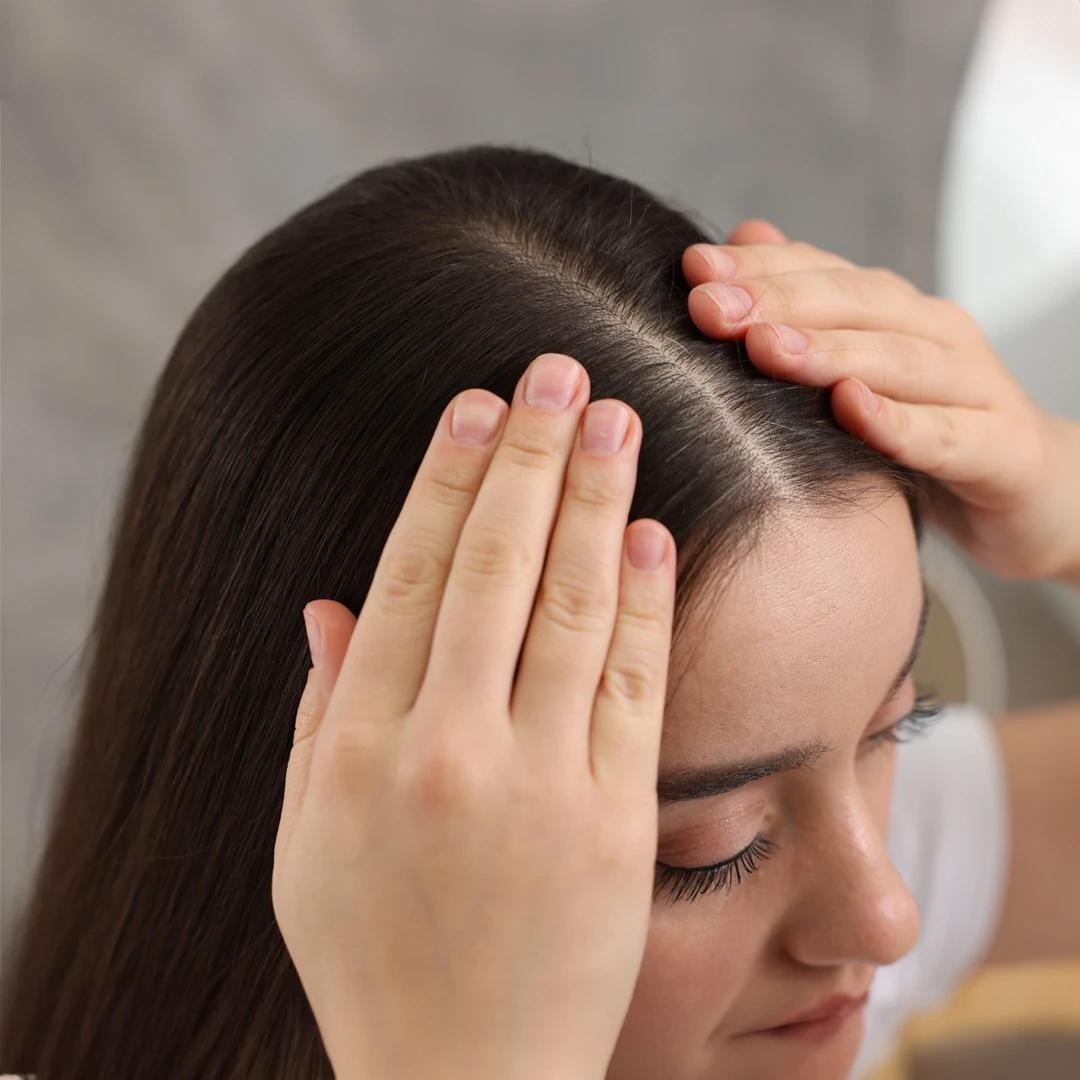
Noticing more scalp peeking through at the top of your head, or spotting it in a photo someone took from behind, is a genuinely unsettling moment. Crown thinning is one of the most common hair concerns for both men and women, and because it's at the back, it often gets noticed later than thinning around the hairline. The good news is that there's a lot you can do to manage how it looks and support the hair you have. Here's what's going on and what actually helps.
Hair thinning at the crown means the hair at the top-back of your head is getting finer and sparser, so more scalp shows through. It's usually driven by genetics (pattern hair loss), hormones, age, stress or nutrition. You can't always stop it completely on your own, but you can make it far less noticeable with the right haircuts, volumising products and scalp care, and if it's spreading or sudden, a dermatologist has evidence-based options worth exploring early.
Most crown thinning comes down to genetics, hormones and age, often working together.
The crown is one of the areas most sensitive to hormonal and genetic patterns of hair loss, which is why it's such a common spot to thin first. But it's rarely just one cause. Things that commonly contribute:
Genetic or pattern hair loss, the most frequent reason for gradual crown thinning
Hormonal shifts, including after pregnancy, around menopause, or with conditions like PCOS or thyroid issues
Ageing, as hair naturally grows finer over time
Stress, illness or crash dieting, which can trigger temporary shedding
Nutritional gaps, especially low iron, protein or vitamin D
Tight hairstyles and constant heat, which stress the hair over time
Because the causes overlap, figuring out yours is the first real step, and sometimes that needs a professional eye.
Crown thinning shows as a widening, see-through patch at the top-back of the head, while balding is when hair is lost completely in an area.
Early on, thinning at the top of the head looks like your part or crown swirl getting wider, more scalp visible in bright light, or a ponytail that feels thinner. Balding is a later stage where follicles stop producing hair in that spot altogether. The distinction matters: thinning hair is still growing (just finer), which is exactly when care and early professional advice make the most difference. Signs you're looking at crown thinning rather than full balding:
You can still see fine, short hairs in the area, not bare scalp
The scalp shows through more under light but hair still covers it when dry and styled
The change has been gradual rather than a sudden bald patch
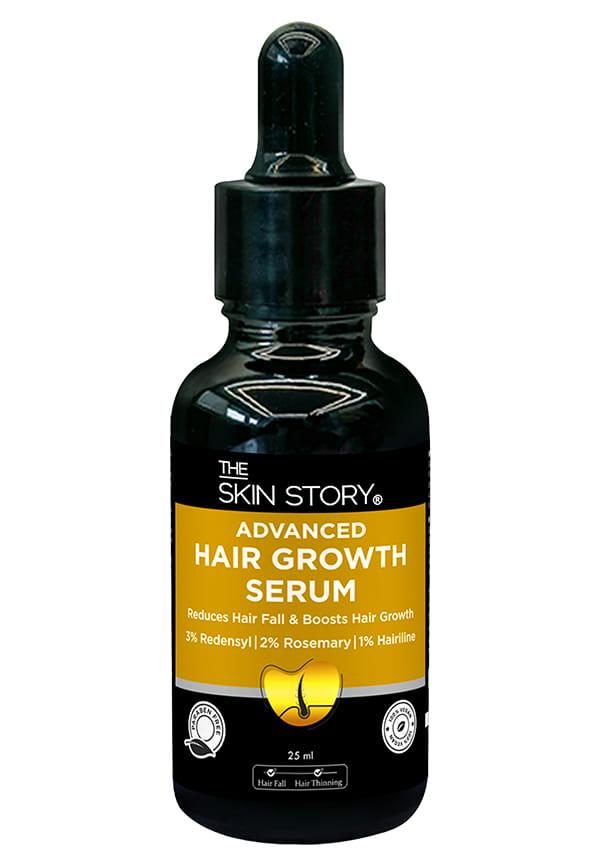
Hair Growth Serum With Redensyl For Hair Fall & Hair Thinning | Voluminous Hair & Reduced Hair Fall
A sudden, smooth, circular bald spot is different and worth getting checked promptly, as that can point to another cause.
Yes, it tends to show up differently, even when the underlying pattern is similar.
For men, crown thinning often appears as a spreading circle at the back, sometimes alongside a receding hairline. For women, thinning hair on the crown usually shows as a widening part and overall reduced density on top, while the hairline mostly stays intact. Women are also more likely to see crown thinning linked to hormonal changes and iron levels, which is why bloodwork is often part of the picture. Whatever the pattern, the earlier it's addressed, the more options you have.
The fastest wins come from the right cut, styling and a few clever products, not from hiding under a cap.
If you searched how to cover a thinning crown or hairstyles to hide crown thinning, this is the part that helps today:
Add layers and texture, blunt, heavy one-length hair makes thinning show more
Shift your part slightly or use a zigzag part to break up visible scalp
Keep length moderate, very long hair can drag and expose the crown further
Use volumizing products at the roots to lift hair away from the scalp
Try hair-tinting root sprays or scalp-concealing fibres that colour-match scalp to hair
For men, a shorter, blended cut often disguises crown thinning better than trying to grow it over
Blow-dry the crown up and back to build lift where you need it most
Styling won't change the hair count, but it genuinely changes how much thinning the eye picks up.
You can't override genetics with a routine, but consistent scalp and hair care plus good nutrition give your existing hair its best shot.
Practical, honest steps that support thinning hair:
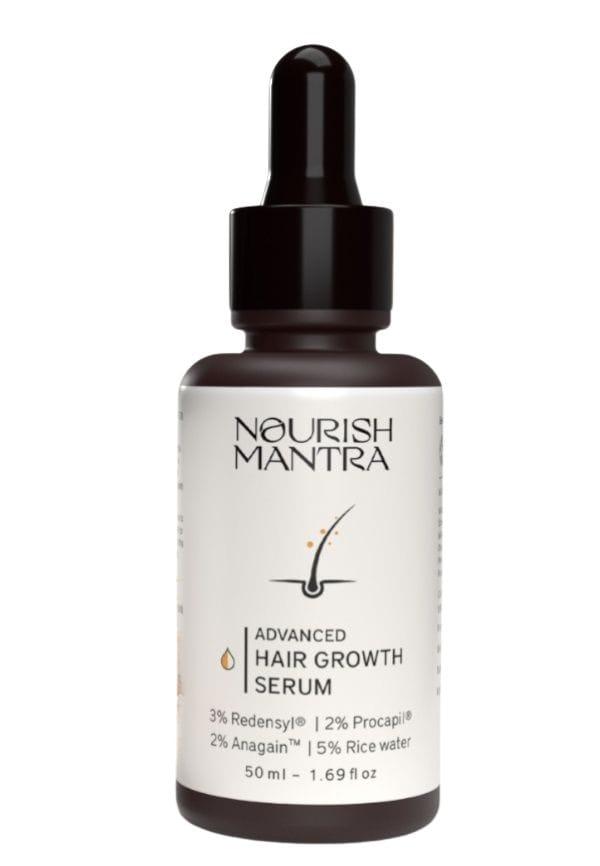
Advanced Hair Growth Serum for Hair Regrowth and Prevention of Hair Thinning - 50 ml
Look after your scalp, gentle cleansing and avoiding heavy buildup keep follicles in a healthier environment
Be gentle, skip tight ponytails, harsh brushing on wet hair, and daily high heat
Eat for your hair, enough protein, iron and overall balanced nutrition genuinely matter
Manage stress where you can, since stress-related shedding is real and often reversible
Get bloodwork if you suspect iron, thyroid or hormonal issues, treating the root cause helps most
Start early, the sooner you act on thinning, the more hair there is to work with
Volumising and scalp-supporting products help most, by making hair look fuller and keeping the scalp healthy.
Rather than chasing miracle claims, look for products that do honest, useful jobs:
A volumising or thickening shampoo to add body at the roots
A lightweight conditioner (kept off the roots) so hair isn't weighed down flat
A scalp serum or scalp-care product to support a healthy scalp environment
Root-lifting sprays or mousses for instant lift at the crown
Scalp concealer fibres or tinted sprays for instant coverage on thinner days
Steer clear of heavy oils and rich creams right at the crown, they flatten fine hair and make thinning look worse.
Heat, sweat and hard water can make crown thinning feel more obvious. Summer sweat and pollution sit on the scalp and can leave fine crown hair looking flat and lank faster, so it appears sparser through the day. Hard water leaves a mineral film that makes fine hair look duller and limper, which reads as more thinning. A gentle clarifying wash now and then, thorough rinsing, and lightweight volumising products help fine crown hair hold its lift in Indian conditions. If hard water is a persistent issue, a shower filter can help.
See a dermatologist or trichologist if the thinning is fast, spreading, patchy, or paired with other symptoms.
Home care and styling can manage a lot, but some signs mean it's time for professional help, and going early gives you more options:
Thinning that's spreading quickly or getting visibly worse month on month
Sudden shedding, or a smooth, circular bald patch
Thinning alongside symptoms like fatigue, irregular periods, or unexplained weight changes, which can point to thyroid or hormonal causes
Scalp redness, itching, flaking, pain or scarring in the area
A strong family history of hair loss and you want to act early
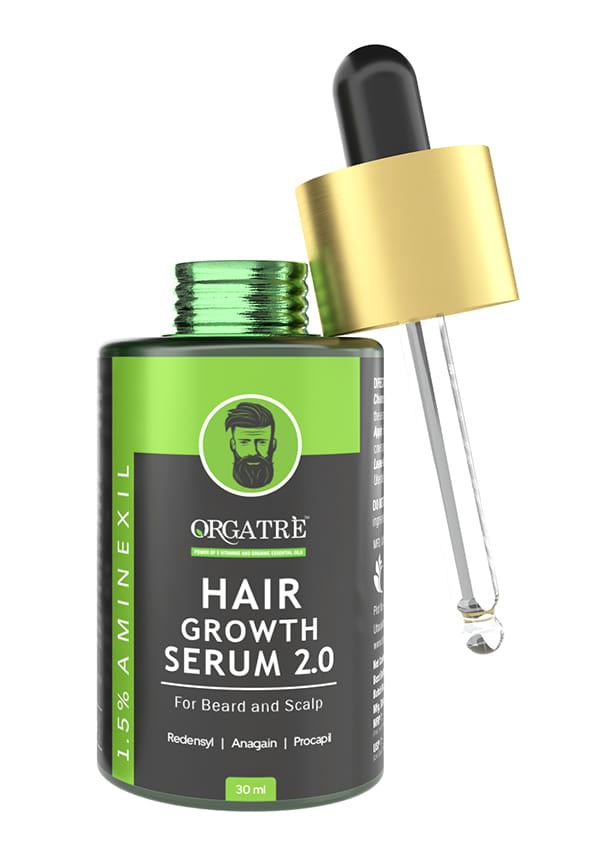
Hair Growth Serum 2.0 For Beard & Scalp Reduces Hairfall & Hair Thinning, Contains 1.5% Aminexil, Redensyl, Anagain & Procapil
A dermatologist can identify the actual cause, run any needed bloodwork, and talk you through evidence-based options that go beyond what over-the-counter products can do. That's genuinely the most effective step if crown thinning is progressing.
Can hair grow back at the crown?
It depends on the cause. Thinning from stress, illness, nutrition or tight styling often recovers once the trigger is fixed. Genetic pattern thinning is harder to reverse on your own, which is why early professional advice matters, the hair that's still there is what you want to protect.
Is crown thinning normal?
Some fine-ness and reduced density with age is normal for many people. But noticeable, ongoing or fast thinning is worth understanding rather than ignoring, especially if it's changing quickly.
How do I choose a volumising shampoo that actually suits my hair?
Volumising formulas vary a lot, and one that lifts fine hair beautifully can leave another person's hair flat, so trying before committing helps. You can try minis or trial packs on Smytten to see how a shampoo performs on your crown and roots first, then buy the full size once you know it delivers the lift you want.
Will cutting my hair shorter help crown thinning look better?
Often yes. Layers, texture and moderate length usually disguise a thinning crown far better than long, heavy hair that drags and exposes the scalp.
What's the best way to try a scalp serum without overspending?
Scalp serums are easy to overspend on, and you want to know it suits your scalp before buying a full bottle. You can try minis or trial packs on Smytten to test how a scalp serum feels and whether it agrees with you, then invest in the full size if it earns a place in your routine.
Does oiling help thinning at the crown?
Gentle scalp care can support a healthy scalp, but heavy oil right on the crown tends to flatten fine hair and make thinning look more obvious. If you oil, keep it light and focus on the lengths, not a greasy crown.
Can stress really cause crown thinning?
Yes. Significant stress or illness can push hair into a shedding phase a few weeks to months later. This type of shedding is often temporary and improves once things settle, but see a professional if it doesn't.
How do I hide crown thinning for a photo or event quickly?
Root-lifting spray for volume plus a scalp-concealing fibre or tinted root spray colour-matched to your hair is the fastest fix. Style the crown hair up and back to build lift where the scalp shows.
Hair thinning at the crown is common, and noticing it early is actually an advantage, it means there's more you can do. Focus on what's in your control: a flattering cut with layers, volumizing and scalp-supporting products, gentle handling, and good nutrition. Lean on root sprays and concealing fibres for instant confidence on thinner days. If you're figuring out which volumizing shampoo or scalp serum suits your hair, you can try minis or trial packs on Smytten first, then buy the full size once you've found what works. And if the thinning is spreading, sudden or paired with other symptoms, see a dermatologist sooner rather than later, that's the single most effective move if crown thinning is progressing.
