Hair Strengthening Tips FAQ: Your Guide to Stronger Hair

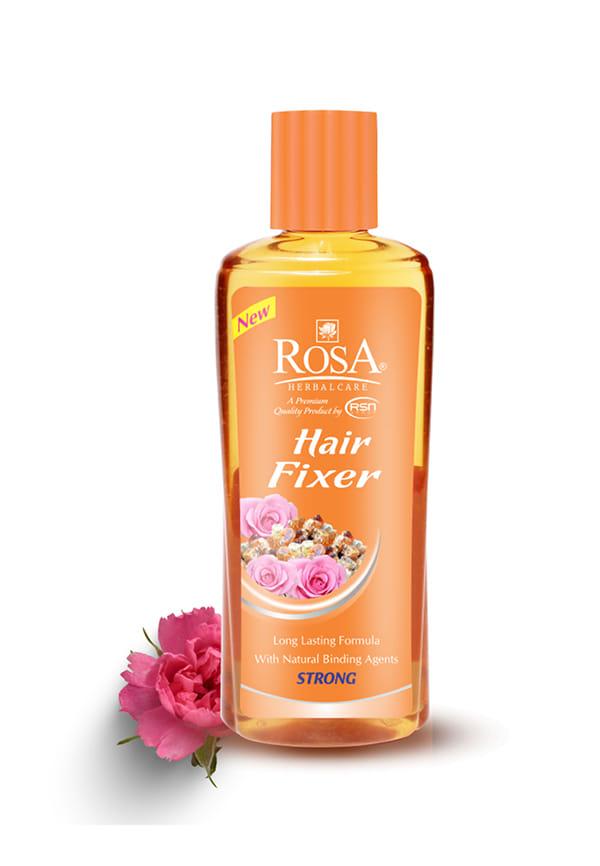
Hair Fixer strong with long lasting I For All skin I Natural & Herbal ingredients I For soft and smooth skin
You know that sinking feeling when you run your fingers through your hair and come away with way more strands than you'd like? Or when you catch your reflection and notice your once-thick ponytail looking a bit... sparse? Hair breakage and weakness can sneak up on anyone, leaving you wondering where your strong, healthy hair went. The good news is that understanding what makes hair strong—and what weakens it—puts you back in control of your hair health journey.
Let's get real about what's actually happening up there. Your hair is basically a complex protein structure, with keratin making up about 95% of each strand. Think of it like a rope made of tiny fibres—when those fibres are intact and well-maintained, your hair feels strong and looks healthy. When they're damaged or depleted, you get breakage, split ends, and that frustrating brittleness that makes styling feel impossible.
Each hair strand has three layers: the cuticle (the protective outer shell), the cortex (where your hair's strength and colour live), and sometimes a medulla (the innermost core). The cortex is where the magic happens for hair strengthening—it's packed with keratin proteins that give your hair its elasticity and resilience.
Heat styling without protection, chemical treatments, tight hairstyles, and even aggressive brushing can all chip away at your hair's natural strength. Environmental factors like UV exposure and pollution don't help either. Sometimes it's as simple as using the wrong products for your hair type or not getting enough protein in your diet.
Your hair will tell you when it needs help—you just need to listen. Excessive shedding (more than 100 strands daily), visible thinning, hair that snaps easily when wet, and split ends that seem to multiply overnight are all red flags. If your hair feels gummy when wet or rough when dry, that's your cue to focus on damaged hair repair.
Here's something that trips up loads of people: hair strengthening and hair growth aren't the same thing. Hair growth happens at the follicle level, while hair strengthening is about maintaining the integrity of the hair you already have. You can have fast-growing hair that's weak and prone to breakage, or slower-growing hair that's incredibly strong and healthy.
Your daily hair care routine is where the real magic happens. Small changes in how you wash, condition, and style your hair can make a massive difference in its overall strength and health. The key is being gentle and consistent—your hair responds better to steady, loving care than dramatic interventions.
Swap harsh sulfates for gentler cleansers that won't strip your hair's natural oils. Focus your shampooing on the scalp rather than the lengths—your scalp produces the oils, so that's where the cleaning needs to happen. The suds will naturally cleanse your hair as you rinse. Use lukewarm water instead of hot, which can weaken the hair shaft and cause unnecessary damage.
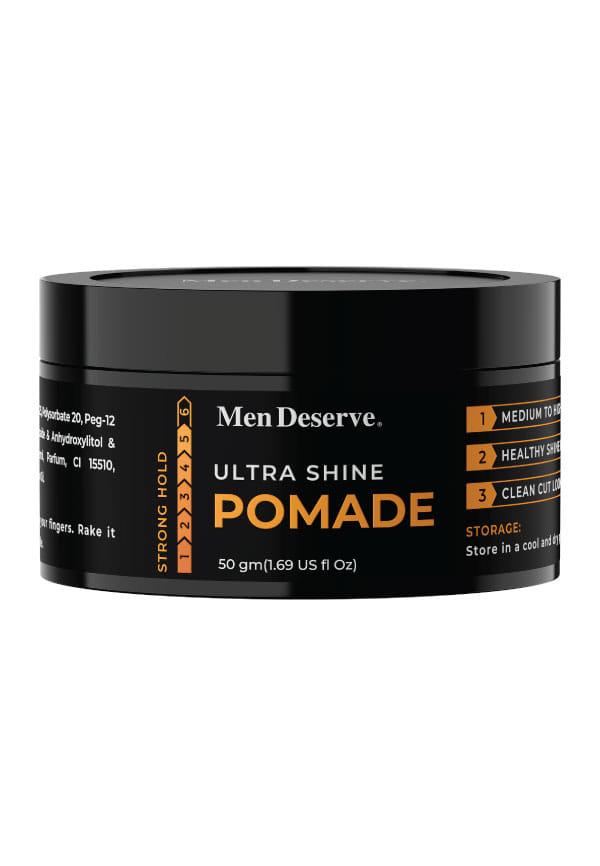
Hair Styling Ultra Shine Pomade for Strong Hold and Wet Look Hairstyle
Never skip conditioner—it's not optional if you want strong hair. Apply it from mid-length to ends, avoiding the roots unless your hair is extremely dry. Deep conditioning once a week gives your hair an extra boost of moisture and protein. Leave-in treatments work brilliantly for ongoing damaged hair repair, especially if you heat style regularly.
Ditch the regular towel for a microfiber one or even a cotton t-shirt—both are much gentler on wet hair. Pat and squeeze rather than rubbing vigorously. Air drying is ideal when possible, but if you must use heat, always apply a heat protectant first and keep temperatures below 180°C.
Sometimes the best hair strengthening solutions are sitting right in your kitchen. Natural treatments can be incredibly effective for hair nourishment, and they're often gentler than commercial products. Plus, you know exactly what's going on your hair—no mystery ingredients or harsh chemicals.
Eggs are brilliant for protein treatments—whisk one or two whole eggs and apply to damp hair for 20 minutes before shampooing. For extra nourishment, mix in a tablespoon of honey. Yogurt and avocado make another powerhouse combination: the yogurt provides protein while avocado delivers healthy fats that smooth the hair cuticle.
Coconut oil penetrates the hair shaft better than most oils, making it perfect for deep conditioning treatments. Warm it slightly and work through your hair, leaving it on for at least 30 minutes. Argan oil is lighter and works well for damaged hair repair without weighing fine hair down. Apply a few drops to damp hair for ongoing protection.
Spend five minutes daily massaging your scalp with your fingertips—it boosts circulation and can help strengthen hair at the root. Add a drop of rosemary or peppermint essential oil to your regular oil for an extra circulation boost. The massage itself is just as important as any products you use.
Real talk: you can't mask your way to strong hair if your diet isn't supporting hair health from the inside. Your hair is essentially dead protein, but the follicles that produce it are very much alive and need proper nutrition to create strong, healthy strands. What you eat today affects the hair that grows in the coming months.
Since hair is mostly protein, getting enough in your diet is non-negotiable. Eggs, fish, and lean meats provide complete proteins with all the amino acids your hair needs. If you're vegetarian, combine legumes with grains, or try quinoa, which is a complete protein on its own. Your hair follicles need these building blocks to create strong keratin.
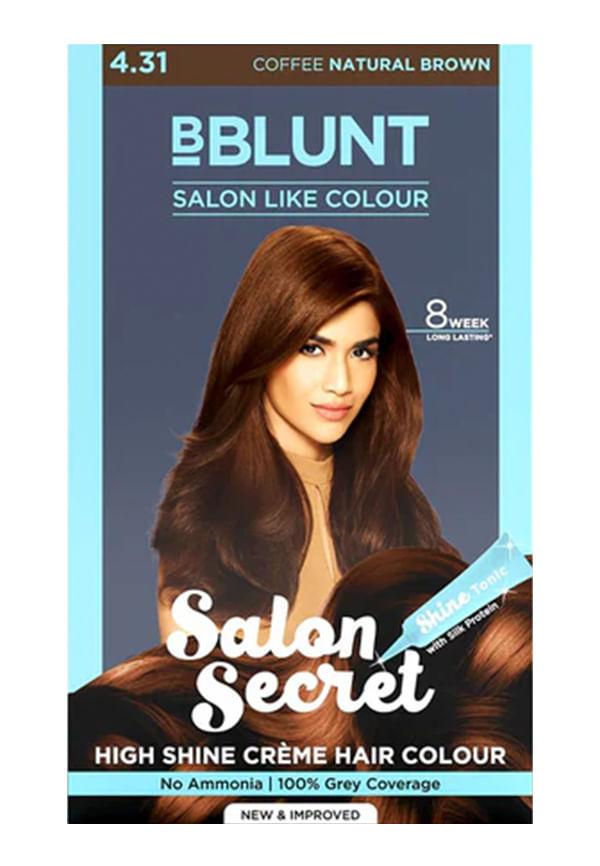
Salon Secret High Shine Conditioning Hair Colour
Iron deficiency is one of the most common causes of hair thinning, especially in women. Include iron-rich foods like spinach, lentils, and lean red meat. Zinc supports hair tissue growth and repair—you'll find it in pumpkin seeds, chickpeas, and shellfish. Biotin gets loads of attention, but most people get enough from a balanced diet. Vitamin C helps iron absorption and supports collagen production.
Dehydration affects everything, including your hair. When you're not drinking enough water, your body prioritises vital organs over hair follicles. Aim for at least eight glasses daily, and remember that caffeinated drinks don't count—they can actually be dehydrating.
Sometimes DIY treatments aren't enough, especially if you're dealing with significant damage from chemical processing or heat styling. Professional treatments and high-quality products can provide the intensive care your hair needs to bounce back stronger than before.
If your hair has been chemically processed, bond-building treatments can literally rebuild the broken protein bonds in your hair. These work differently from regular protein treatments—they actually repair damage at a molecular level rather than just coating the hair shaft. Salon treatments are more potent, but at-home versions can maintain the results.
Never, ever use heat styling tools without protection—it's like going out in blazing sun without sunscreen. Look for heat protectants that work up to 230°C and apply them to damp hair before blow-drying. Keep your styling tools below 180°C when possible, and invest in tools with adjustable temperature settings.
Fine hair needs lightweight products that won't weigh it down, while thick, coarse hair can handle richer formulations. Curly hair typically needs more moisture, while straight hair might need more protein. Pay attention to how your hair responds to different products and adjust accordingly.
Prevention is always better than cure, and this is especially true for hair health. Small lifestyle changes can prevent most of the damage that leads to weak, brittle hair. It's about creating an environment where your hair can thrive rather than just survive.
Tight ponytails, braids, and buns might look sleek, but they put constant tension on your hair shaft and roots. Opt for looser styles and change your parting regularly to prevent stress on the same areas. Sleep on silk or satin pillowcases to reduce friction, and consider a silk scrunchie for gentler hair ties.
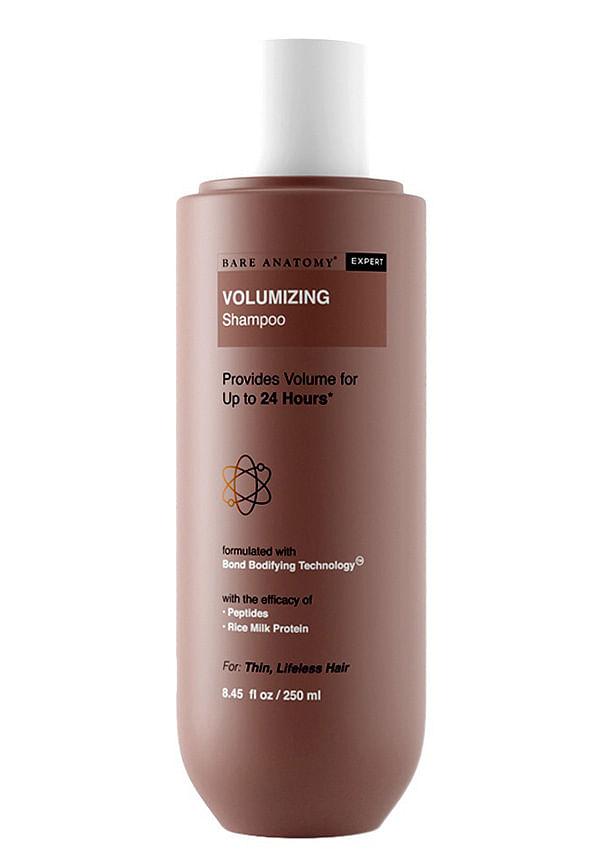
Expert Volumizing Hair Shampoo For Thicker, Fuller And Healthy Hair
UV rays don't just damage your skin—they can also weaken your hair's protein structure. Wear a hat in strong sun or use hair products with UV protection. In humid weather, anti-humidity products can prevent your hair from swelling and becoming more prone to breakage.
Chronic stress can push hair follicles into a resting phase, leading to increased shedding and weaker new growth. Regular exercise, adequate sleep, and stress management techniques like meditation can all support stronger hair growth from within.
Focus on gentle handling, protein-rich treatments like egg masks, regular oil treatments, and a balanced diet with plenty of protein, iron, and vitamins. Scalp massage and avoiding heat styling also help significantly. Natural doesn't mean slow—you can see improvements in hair texture within a few weeks of consistent care.
While true hair strengthening takes time, you can see immediate improvements by using a protein treatment, switching to silk pillowcases, and being extra gentle when handling wet hair. Deep conditioning treatments can also provide instant improvements in hair texture and manageability.
Hair consists of three layers: the protective cuticle, the strength-giving cortex filled with keratin proteins, and sometimes a medulla core. Understanding this helps you choose the right treatments—protein treatments target the cortex, while moisturising treatments smooth the cuticle.
You might notice improved texture and manageability within 2-4 weeks of consistent care. However, since hair grows about 1.5cm per month, it can take 3-6 months to see significant improvements in new growth. Patience and consistency are key to long-term hair health.
While you can't completely reverse severe damage to existing hair, you can significantly improve its appearance and prevent further damage. The goal is to maintain what you have while growing out healthier hair. Severely damaged sections might need trimming for the best results.
Hair strengthening focuses on maintaining the integrity of existing hair strands through protein treatments, gentle handling, and protective care. Hair growth treatments target the scalp and follicles to encourage new hair production. You need both for optimal hair health.
Strong, healthy hair isn't about expensive treatments or complicated routines—it's about understanding what your hair needs and being consistent with gentle, nourishing care. Whether you're dealing with damage from heat styling, chemical processing, or just want to maintain your hair's natural strength, the key is patience and the right approach for your specific hair type and concerns.
Remember that hair strengthening is a journey, not a destination. What works for your friend might not work for you, and that's completely normal. Pay attention to how your hair responds to different treatments and adjust your routine accordingly. With Smytten's curated selection of haircare products from trusted brands, you can explore different formulations and find what works best for your unique hair needs. Not sure which products suit your hair type? Smytten also offers trial-size versions of many haircare essentials—a smart way to test before investing in full-size bottles.
