Hair Spa at Home: Your Complete Guide to Nourish

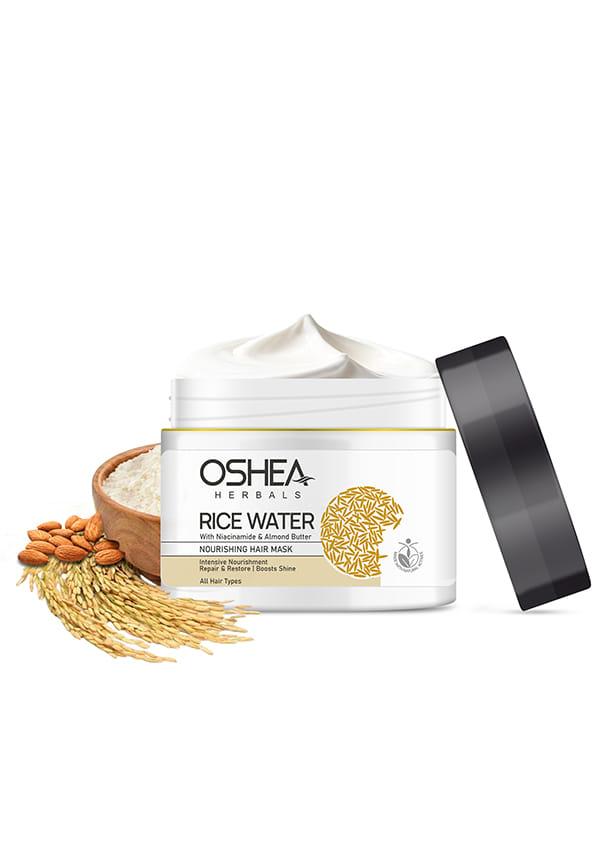
Rice Water Nourishing Hair Mask
Let's be real—your hair deserves more than just a quick shampoo and go routine. Between pollution, heat styling, and life's general chaos, our strands are crying out for some proper TLC. A hair spa at home might just be the game-changer your locks have been waiting for. Think of it as your hair's personal retreat day, minus the salon price tag and booking drama. Whether you're dealing with frizzy mornings or just want to give your hair some love, creating your own DIY hair spa experience is easier than you think. Plus, you get to control every ingredient that touches your precious strands.
A hair spa at home is basically giving your hair the five-star treatment it deserves, right in your own space. It's a comprehensive hair treatment at home that goes way beyond your regular wash-and-condition routine. We're talking about deep nourishment, scalp pampering, and serious moisture restoration that leaves your hair feeling like it just had a professional makeover. The whole process typically involves oil massage, steaming, deep conditioning treatments, and sometimes a homemade hair mask or two. It's like hitting the reset button on your hair health.
The beauty of a natural hair spa is that it works for literally everyone, just with different tweaks. Got dry, damaged hair? The deep conditioning treatment aspect helps restore moisture and repair those split ends that have been bothering you. If you're dealing with an oily scalp, the scalp massage at home helps regulate oil production whilst boosting circulation. For colour-treated hair, these treatments are absolute lifesavers. They help maintain vibrancy whilst preventing that dreaded fade. And if you're blessed with naturally healthy hair, regular spa sessions keep it that way and add an extra dose of shine that'll have people asking what your secret is.
Your hair has its own way of telling you it needs some extra love. If you're noticing increased frizz, especially after washing, that's your hair basically screaming for moisture. Dullness is another major red flag—healthy hair should have a natural shine, not look like it's been through a dust storm. Tangles that seem impossible to work through, split ends that keep appearing despite regular trims, and a scalp that feels tight or itchy are all signs it's time for some serious hair nourishment. Generally, doing a proper hair spa once a week works wonders, but you can adjust based on how your hair responds.
Before diving into your hair spa at home journey, let's sort out what you actually need. The good news? You probably already have most of these things lying around your house. No need to break the bank or order fancy equipment online. The basics include clean towels (you'll need these for the steaming process), a wide-tooth comb for gentle detangling, and some mixing bowls if you're planning to whip up your own masks. A shower cap or even cling film works perfectly for creating that steamy environment your hair craves.
Your towel game needs to be strong for this. You'll want at least two clean towels—one for wrapping your hair and another for the hot towel steaming method. Make sure they're not too rough; your hair doesn't need any extra friction right now. A wide-tooth comb is non-negotiable for detangling without causing breakage. Those tiny plastic combs from the pound shop? Not today. Invest in something decent that won't snag your strands.
This is where things get exciting. Coconut oil is basically liquid gold for your hair—it penetrates the hair shaft like nothing else and smells incredible. Olive oil works brilliantly for dry, damaged hair, whilst almond oil is perfect for those with sensitive scalps. For your homemade hair mask adventures, honey is a moisture magnet that also has antibacterial properties. Eggs provide protein that helps repair damage, and bananas (yes, really) are packed with vitamins that make hair super soft. Milk contains lactic acid that gently exfoliates the scalp, promoting healthy hair growth.
Right, let's get into the actual process. This isn't just about slapping some oil on your hair and calling it a day. A proper hair treatment at home follows a specific sequence that maximises the benefits for your strands. The whole process takes about 2-3 hours, so pick a day when you can properly relax and enjoy the experience. Think of it as your personal pamper session—put on some music, light a candle, whatever makes you feel good.
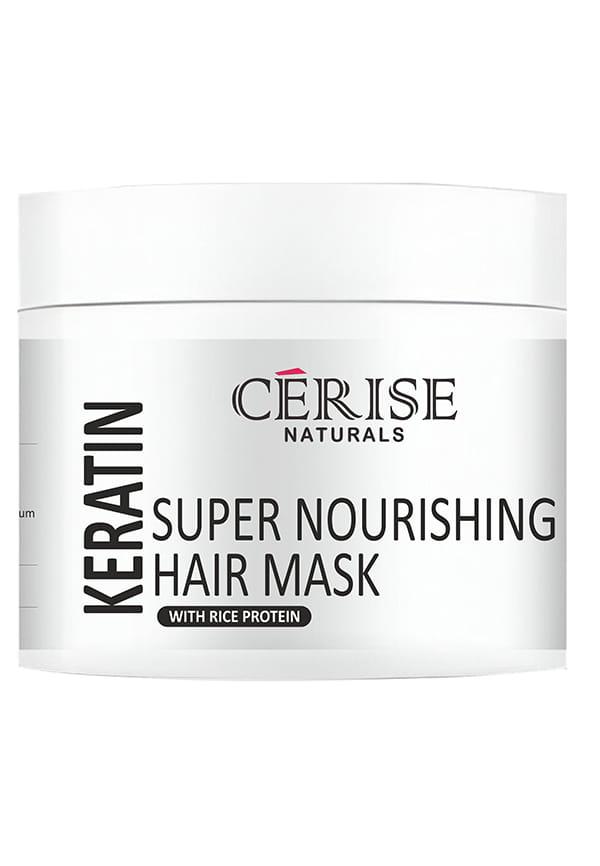
Keratin Super Nourishing Hair Mask
Start by gently detangling your hair with a wide-tooth comb. Work from the ends upwards to avoid unnecessary breakage. This step is crucial because trying to work with tangled hair during the treatment is just asking for trouble. Take a moment to assess your hair and scalp condition. Are there any particularly dry areas? Is your scalp feeling irritated? This helps you customise your treatment to target specific concerns.
This is where the magic happens. Warm your chosen oil slightly—not hot, just comfortably warm. Start with your scalp, using your fingertips (not nails) to massage in circular motions. This scalp massage at home technique boosts blood circulation, which promotes healthy hair growth. Spend at least 10-15 minutes on this step. Work the oil through your hair from roots to tips, paying extra attention to the ends which tend to be the driest. The massage should feel relaxing, not aggressive.
If you're using a homemade hair mask, apply it now, focusing on the mid-lengths and ends. Don't forget to work some into your scalp if the mask is suitable for that. For steaming without a professional steamer, soak a towel in hot water, wring it out, and wrap it around your hair. Cover with a shower cap to trap the heat. The steam helps the treatment penetrate deeper into your hair shaft. Leave this on for 15-20 minutes.
When it's time to rinse, use lukewarm water first to remove the oil and mask. Follow with a gentle, sulphate-free shampoo. You might need to shampoo twice to get all the oil out, and that's perfectly fine. Rinse thoroughly with cool water at the end. This helps seal the hair cuticles and locks in all that lovely moisture you've just given your hair.
Apply your regular conditioner from mid-length to ends—avoid the roots since they've already had plenty of nourishment. Leave it on for the recommended time, then rinse with cool water. Gently squeeze out excess water with a microfibre towel or cotton t-shirt. Avoid rubbing, which can cause frizz and breakage.
Now for the fun part—creating your own natural hair spa masks using ingredients from your kitchen. These recipes are tried and tested, and the best part is you know exactly what's going into them. The key to successful DIY masks is using fresh ingredients and applying them to slightly damp hair for better distribution. Always do a patch test first, especially if you have sensitive skin.
For seriously parched hair, mix two tablespoons of honey with half a cup of whole milk. The honey acts as a humectant, drawing moisture from the air into your hair, whilst the milk provides gentle nourishment. Apply this mask for 30 minutes before rinsing. Another brilliant option is coconut milk mixed with a tablespoon of hibiscus powder. This combination is particularly effective for adding shine and reducing frizz. The natural proteins in coconut milk help strengthen hair whilst hibiscus promotes healthy growth.
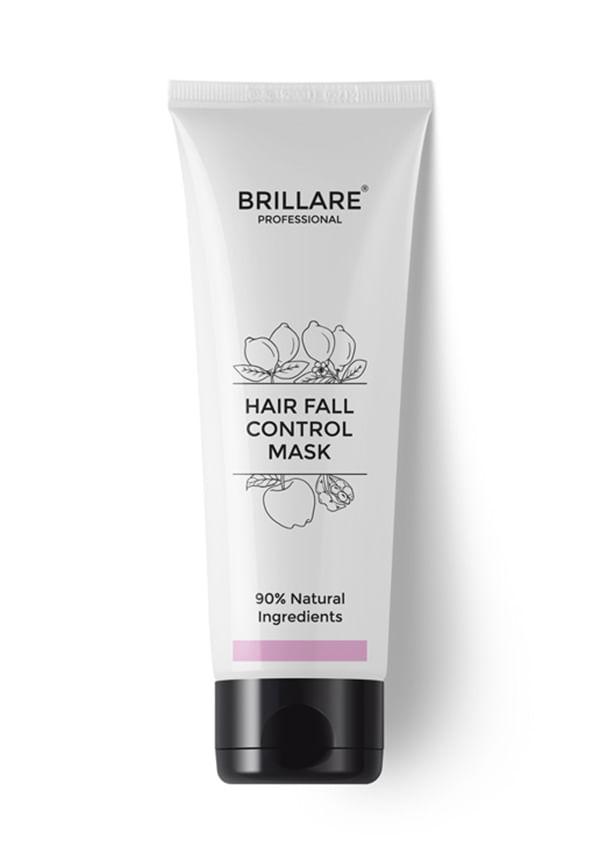
Hair Fall Control Mask To Reduce Seasonal Hair Fall
Great Hair Mask and Shampoo
 5
5“Must buy and a very food and effective hair mask Shampoo is good too”
This is the ultimate repair mask: one egg, two tablespoons of honey, one tablespoon of olive oil, and half a mashed banana. The egg provides protein to rebuild damaged hair structure, honey adds moisture, oil provides essential fatty acids, and banana contributes vitamins and natural oils. Mix everything until smooth and apply generously. Leave on for 45 minutes to an hour. This mask works particularly well for hair that's been damaged by heat styling or chemical treatments.
For dandruff-prone scalps, try mixing yoghurt with a few drops of tea tree oil. The probiotics in yoghurt help balance scalp health whilst tea tree oil has antifungal properties. To prevent split ends, create a mask with avocado and coconut oil. The healthy fats in avocado nourish hair whilst coconut oil provides deep conditioning. This combination is particularly effective for preventing future damage.
Not all hair is created equal, and your hair spa at home routine should reflect that. What works brilliantly for your friend's fine, straight hair might be too heavy for your curly locks, and that's perfectly normal. The trick is understanding your hair's specific needs and adjusting your treatments accordingly. This might mean using lighter oils for fine hair or spending extra time on moisture for coarse, thick hair.
If you're dealing with dry, frizzy hair, focus on moisture-rich treatments. Use heavier oils like coconut or olive oil, and don't skip the steaming step—it's crucial for helping moisture penetrate stubborn cuticles. For oily scalps with dry ends (a surprisingly common combination), apply oil treatments only to the mid-lengths and ends, avoiding the scalp area. Use a clarifying mask on your scalp whilst treating the ends with intensive conditioning.
Your hair's needs change with the seasons, and your spa routine should too. Summer calls for lighter treatments that protect against UV damage and humidity. Try adding a bit of aloe vera gel to your masks for cooling and protective benefits. Winter requires more intensive moisture treatments. This is when those rich, creamy masks really shine. Don't forget to protect your hair from indoor heating, which can be just as drying as summer sun.
Even the best intentions can go wrong without proper guidance. The most common mistake people make with hair treatment at home is overdoing it. More isn't always better when it comes to hair care. Another frequent error is using water that's too hot, which can actually strip your hair of natural oils and cause more damage than good. Lukewarm water is your friend throughout the entire process.
Consistency beats intensity every time. It's better to do a gentle hair spa weekly than an aggressive treatment monthly. Your hair responds better to regular, gentle care than sporadic intensive treatments. Always listen to your hair. If it feels over-conditioned or limp after treatments, scale back the frequency or use lighter formulations. Healthy hair should feel soft but still have body and movement.
If your hair feels greasy after treatments, you might be using too much oil or not shampooing thoroughly enough. Try using less product next time, or consider switching to a lighter oil. Protein overload is real—if your hair feels stiff or brittle after egg-based masks, focus on moisture-only treatments for a few weeks. Balance is key in any good haircare routine. When exploring different products for your hair spa at home routine, platforms like Smytten make it easy to try various haircare brands without committing to full-size products. With trial packs from trusted brands, you can discover what works best for your hair type before investing in larger quantities.
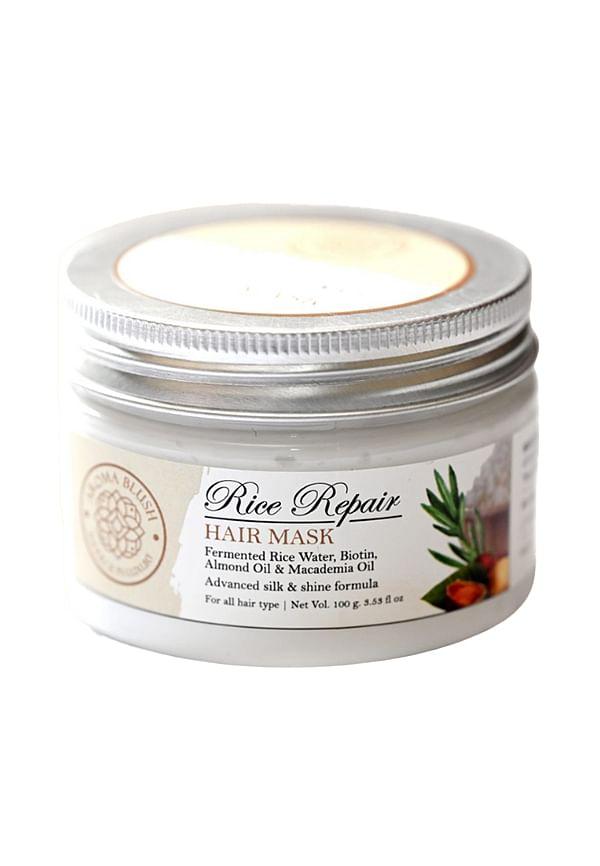
Rice Repair Hair Mask
Good Product Quality
5“very good quality of the product”
Good Product Quality
5“very good quality of the product”
Good Product Quality
5“very good quality of the product”
For most hair types, once a week is perfect. If your hair is severely damaged or very dry, you might benefit from twice-weekly treatments initially, then scale back to weekly maintenance.
Absolutely! The hot towel method works brilliantly. Soak a clean towel in hot water, wring it out, and wrap it around your hair. Cover with a shower cap to trap the heat and moisture.
For the massage and treatment phase, 30-60 minutes is ideal. Leaving oil on longer doesn't necessarily provide more benefits and can make washing more difficult.
A hair spa is a comprehensive treatment that includes scalp massage, deep conditioning, steaming, and often protein treatments. Regular conditioning just adds moisture to the hair shaft.
Most natural ingredients like honey, eggs, and oils are safe for hair. However, always do a patch test first, especially if you have sensitive skin or allergies.
This usually means you've used too much product or your hair doesn't need such intensive treatment. Try using less oil next time or spacing treatments further apart.
Creating your own hair spa at home experience is one of the most rewarding things you can do for your hair health. It's not just about the physical benefits—though those are incredible—it's also about taking time for yourself and really connecting with your hair's needs. The beauty of DIY treatments is that you can customise everything to work perfectly for your hair type and concerns. Whether you're dealing with damage from heat styling, dryness from environmental factors, or just want to maintain healthy hair, regular spa treatments can make a real difference. Remember, great hair doesn't happen overnight. It's about consistent care, using quality products, and listening to what your hair is telling you. Start with simple treatments and build up your routine as you learn what works best for your strands. Your hair will thank you for the extra attention, and you'll love the results. With platforms like Smytten offering trial-sized products from over 1,500 trusted brands, you can easily experiment with different haircare products to complement your at-home spa routine. After all, why settle for maybe when you can try it all and find exactly what makes your hair look and feel its best?
