Hair Shedding From Stress? Effective Solutions For Indian Hair Types


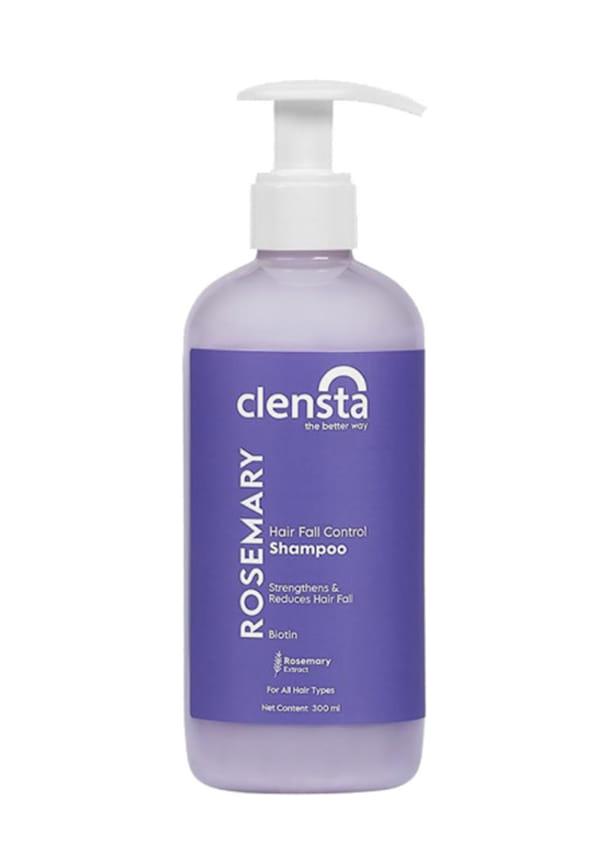
Rosemary Hair Fall Control Shampoo With Biotin For Reducing Hair Loss, Breakage & Daily Use
You wake up one morning and notice more hair on your pillow than usual. Running your fingers through your hair, you find strands sticking to your hands or your brush, and it leaves you wondering, “Is this just normal shedding or something more?” Life in busy Indian cities can be stressful, and our hair often bears the brunt of it long before we even realize. Stress doesn’t just affect your mood; it can interrupt the hair growth cycle, making strands weaker, thinner, and more prone to breakage. The good news is, with the right approach, you can reduce shedding, protect your hair, and even restore some of its lost vitality.
Hair shedding due to stress occurs when high cortisol levels push hair follicles into a resting phase, leading to more hair falling than usual. Gentle, hydrating haircare routines, protein-rich masks, and scalp-friendly treatments can minimize breakage. You can explore products through try minis and trials on Smytten first, so you know what truly works for your hair before committing to full-size bottles.
Stress can trigger a condition called telogen effluvium, which might sound complicated, but it’s really your hair’s way of saying, “Hey, I need a break!”
When your body experiences prolonged physical or emotional stress, cortisol levels rise. Cortisol signals your hair follicles to enter a resting phase earlier than usual. Normally, 10–15% of hair follicles are in this phase, but stress can push more follicles into resting mode, meaning more hair strands fall out during washing, brushing, or even when you run your fingers through your hair.
Hair enters the resting (telogen) phase prematurely
Strands become thinner, weaker, and more brittle
Hair shedding increases, often evenly across the scalp
Breakage can worsen if combined with heat styling or chemical treatments
Think of it like your hair pressing “pause” on growth while your body prioritizes handling stress. Thankfully, this pause is usually temporary if stress is managed.
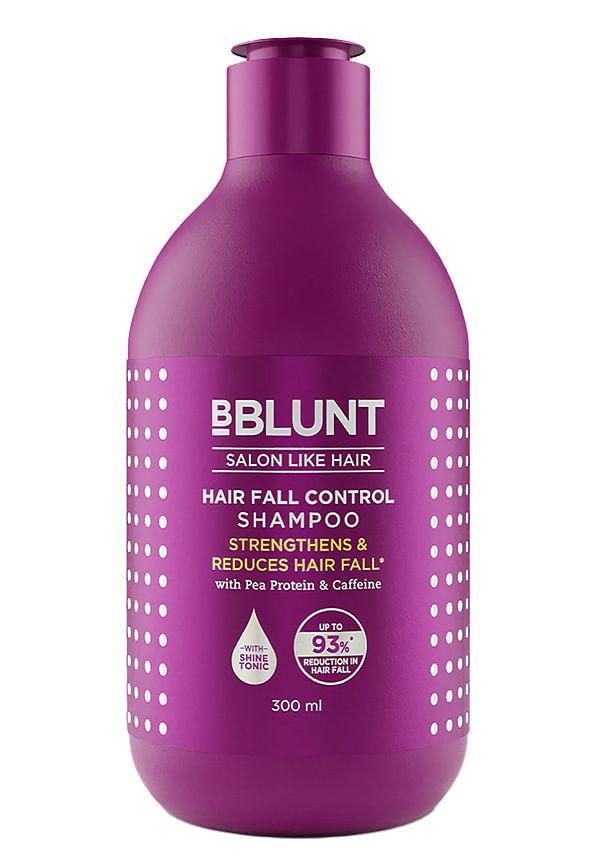
Hair Fall Control Shampoo with Pea Protein & Caffeine for Stronger Hair
Stress-related hair fall doesn’t always appear dramatically overnight. Usually, it’s subtle at first and becomes noticeable over a few weeks or months.
Shedding: You notice more hair on pillowcases, in the shower drain, or stuck to clothes.
Texture changes: Hair feels lighter, thinner, and fragile to the touch.
Scalp discomfort: It may feel tight, itchy, or dry.
Dullness and frizz: Hair looks less shiny and tangles more easily.
Breakage: Strands break more while combing or styling.
In many cases, hair begins shedding 2–3 months after a particularly stressful event, so if your hair has started to thin recently, it may be linked to earlier stress.
The first step is acknowledging stress as a factor and creating a supportive routine for your hair. Both lifestyle adjustments and targeted haircare play roles in recovery.
Nourish your body from within: Eat a balanced diet rich in protein, iron, omega-3 fatty acids, and vitamins A, C, D, and E. Healthy follicles start from healthy nutrition.
Stay hydrated: Water supports circulation and keeps hair strands strong.
Scalp-friendly washing: Use gentle, sulfate-free shampoos to cleanse without stripping natural oils.
Hydration and conditioning: Deep conditioning or protein-rich hair masks once or twice a week can strengthen hair shafts.
Limit heat and chemicals: Minimize styling tools and harsh chemical treatments to reduce additional stress on hair.
Stress management: Meditation, yoga, journaling, or even short walks can significantly lower cortisol levels.
Tip: Using try minis and trials on Smytten helps you discover the right shampoo, conditioner, or hair mask for your hair type before committing to full-size bottles.
Products that focus on hydration, strengthening, and scalp health are your best friends.
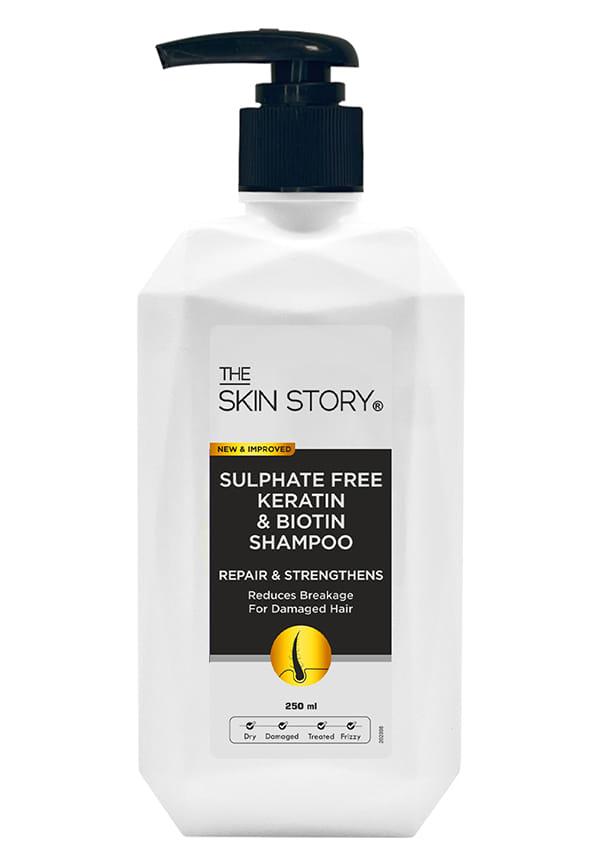
Sulphate Free Keratin Biotin Shampoo For Damaged Hair
Shampoos with biotin, keratin, or caffeine: They stimulate and nourish the follicles, reducing stress-related breakage.
Conditioners with glycerin, aloe vera, or argan oil: They restore moisture and prevent tangling.
Protein-rich hair masks: Weekly masks with keratin or natural proteins fortify strands and improve elasticity.
Lightweight oils or serums: They lock in hydration, reduce friction, and protect hair ends.
Try minis and trials first to see what your hair responds to best—especially if it’s brittle or thin from stress. Once you find what works, switching to full-size products feels like a safe, informed choice.
Yes, the Indian climate can amplify stress-related hair fall.
Humidity: Makes hair frizzier, harder to manage, and more prone to breakage.
Heat: Increases scalp sweat, which can dry hair further.
Pollution: Dust and pollutants stick to hair, leading to dullness and brittleness.
Hard water in urban cities: Mineral deposits can weaken hair strands already stressed by cortisol.
Extra care is needed in Indian conditions. Gentle cleansing, hydrating treatments, and protecting your hair from environmental stressors can make a noticeable difference.
Absolutely. Hair is a reflection of overall wellness. Focusing on both stress reduction and hair-friendly habits can significantly improve hair health.
Meditation and yoga: Calm the nervous system, lowering cortisol.
Sleep: 7–8 hours nightly supports hair regeneration.
Exercise: Improves blood flow to scalp and follicles.
Nutrition: Protein, iron, and omega-3 fatty acids strengthen hair.
Avoid excessive styling: Reduce heat tools and harsh chemicals to prevent further breakage.
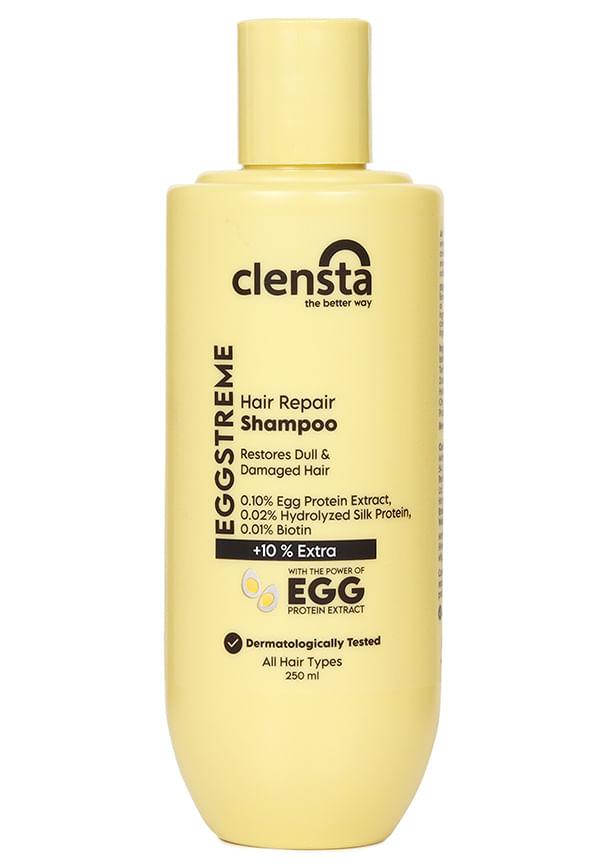
Eggstreme Hair Repair Shampoo With Egg Protein, Biotin & Hydrolyzed Silk Protein
Combined with hydrating haircare, these adjustments help your hair recover more quickly from stress-induced shedding.
1. How can I tell if stress is causing my hair fall?
Sudden shedding, thinner strands, breakage, or hair falling more than usual after stressful periods is a strong indicator.
2. Can lifestyle changes alone stop stress-related hair fall?
They help, but combining stress management with haircare is more effective. Try minis and trials on Smytten to test shampoos and conditioners suited for stressed hair.
3. How often should I use hair masks for stress-related hair fall?
Once or twice a week is ideal. Masks with proteins and hydrating ingredients strengthen strands without weighing hair down.
4. Do oils prevent stress-related hair breakage?
Light oils like argan or jojoba seal in moisture and reduce friction, but they won’t prevent shedding caused by stress itself.
5. Can stress-induced hair fall be reversed?
Yes, in most cases. Once stress is managed and haircare is consistent, hair usually regrows within a few months. Minis and trials on Smytten can help you identify supportive products.
6. Will diet help reduce hair fall from stress?
Absolutely. Protein, iron, vitamins, and omega-3 fatty acids strengthen follicles and reduce breakage.
7. When should I see a dermatologist?
Consult a dermatologist if hair falls in clumps, shows patchy bald spots, or comes with scalp irritation. Early assessment ensures the best outcomes.
8. Can the Indian climate worsen stress-related hair fall?
Yes, heat, humidity, pollution, and hard water can make hair more brittle and prone to shedding. Proper cleansing and hydration are key.
Hair shedding from stress is common, especially in fast-paced Indian cities, but it’s manageable. Gentle cleansing, hydration, scalp-friendly treatments, and lifestyle adjustments can significantly reduce shedding and improve hair quality. Using try minis and trials on Smytten lets you explore products that suit your hair type before moving to full-size options. Once you find the routine that works, your hair can regain strength, shine, and resilience—even during stressful periods. Remember, small consistent steps make a huge difference, and your hair will thank you for it.
