Hair Serum vs Hair Oil: The Ultimate Showdown


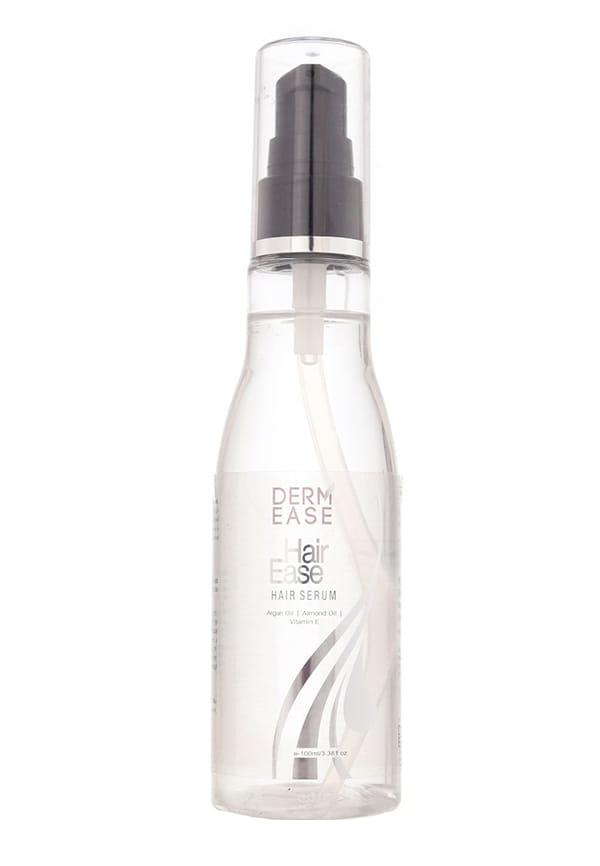
Hair Ease Hair Serum
Let's be real—walking down the haircare aisle can feel like decoding rocket science. Hair serum vs hair oil debates are everywhere, and honestly, it's enough to make your head spin (pun intended). You've probably stood there, bottle in each hand, wondering which one will actually give your hair the love it deserves. The truth is, both have their place in a solid hair care routine, but they work in completely different ways. Think of it like choosing between a lightweight moisturiser and a rich night cream—both hydrate, but the magic happens differently. Ready to crack the code on what your hair actually needs?
Here's where things get interesting. While both promise gorgeous hair, they're basically playing different games entirely. Hair serums are your quick-fix friends—they coat the hair surface for instant results. Hair oils? They're in it for the long haul, penetrating deep into your strands and scalp for lasting nourishment.
Hair serums are like that friend who always looks put-together effortlessly. Hair serum ingredients typically include silicones, vitamins, proteins, and lightweight polymers that create a protective barrier around each strand. This coating mechanism gives you that instant smoothness and shine you see in adverts.
The hair serum benefits are pretty impressive for immediate gratification. You get instant shine, frizz control that actually works, and heat protection up to 450°F—perfect for your styling routine. The texture is designed to be lightweight, so you can use it daily without your hair feeling weighed down or greasy.
Hair oils are the nurturing type—they take their time but deliver lasting results. Hair oil ingredients are packed with fatty acids, vitamins A and E, and natural plant extracts that actually penetrate the hair shaft and nourish your scalp. Think coconut oil, argan oil, or jojoba oil working their magic from the inside out.
The hair oil benefits focus on long-term hair health. We're talking strengthening from root to tip, improved scalp health, and significant breakage reduction. The rich, nourishing formula makes it perfect for intensive hair treatments, especially if your hair is crying out for some serious TLC.
Let's break down the key differences that matter:
Texture: Serum is lightweight and silky; oil is rich and nourishing
Absorption rate: Serum coats the surface; oil penetrates deeply
Primary functions: Serum protects and styles; oil nourishes and strengthens
Application methods: Serum on damp or dry hair; oil typically on dry hair or scalp
Cost-effectiveness: Serums last longer per use; oils provide more intensive treatment
Longevity of results: Serum gives instant but temporary results; oil builds long-term hair health
Your hair type basically determines which team you should be on—or if you need both players on your squad. Different textures, thicknesses, and concerns call for different approaches, and what works for your mate might be a disaster for your hair.
If you've got fine hair, oils can be your worst enemy. They tend to weigh down delicate strands, leaving you looking like you haven't washed your hair in days. The best hair serum formulations for fine hair are typically silicone-based and ultra-lightweight.
Application technique is everything here—use tiny amounts and focus on mid-lengths to ends. Avoid the roots entirely unless you want that greasy look nobody asked for.
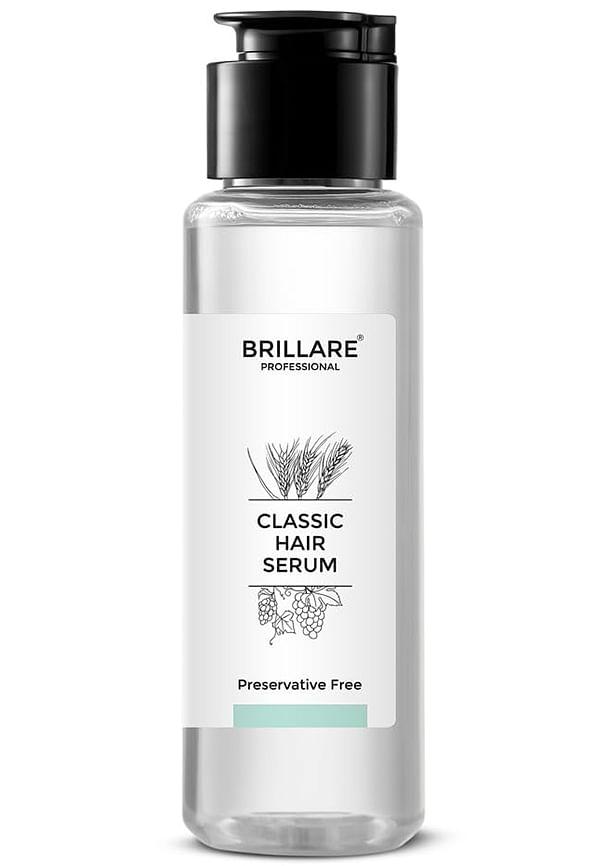
Hair Serum
Non-sticky, Smooth & Shiny Hair
 4
4“it is non sticky and makes my hair smooth, shiny, and frizzy free... overall 👍👍”
Non-sticky, Smooth & Shiny Hair
4“it is non sticky and makes my hair smooth, shiny, and frizzy free... overall 👍👍”
Non-sticky, Smooth & Shiny Hair
4“it is non sticky and makes my hair smooth, shiny, and frizzy free... overall 👍👍”
Thick, coarse hair is basically begging for the deep conditioning benefits that oils provide. Your hair can handle the richness and actually needs that extra moisture to stay manageable. Serums might not provide enough oomph to tame your texture.
The sweet spot? Try a 70-30 oil-to-serum ratio in your routine. Use oil for deep treatments and serum for daily styling protection.
Both have their place in the growth game, but for different reasons. Oil massage improves scalp circulation, which can promote healthy hair growth. Meanwhile, serums create a protective coating that prevents breakage—and less breakage means longer-looking hair.
Scientific evidence suggests that certain hair serum ingredients like peptides and hair oil ingredients like rosemary oil can support hair growth when used consistently.
Timing is everything in the hair serum vs oil debate. Get this wrong, and you'll end up with either greasy roots or dry ends—neither of which is the vibe we're going for.
Here's the golden rule: oil before washing, serum after. Pre-wash oil treatments give you that deep conditioning magic, while post-wash serum application protects your freshly cleaned hair during styling.
If you're layering both (which can be brilliant when done right), apply oil to dry hair for treatment, wash it out, then apply serum to damp hair for protection and styling.
Your morning routine should be serum-focused—quick, protective, and styling-friendly. Save your oil treatments for evenings or weekends when you have time to let them work their magic.
Weekly schedules work best: 2-3 oil treatments per week for dry or damaged hair, daily serum use for protection and styling. Adjust seasonally—more oil in winter, lighter serums in humid summer months.
Overuse is the biggest culprit here. Signs you're using too much include greasy roots, limp hair, or products not absorbing properly. Start with less than you think you need—you can always add more.
Proper sectioning makes all the difference. Divide your hair into sections and distribute products evenly rather than dumping everything on the top layer.
Plot twist: you don't have to choose sides in the hair oil vs serum battle. When used strategically, they're actually the dream team your hair has been waiting for.
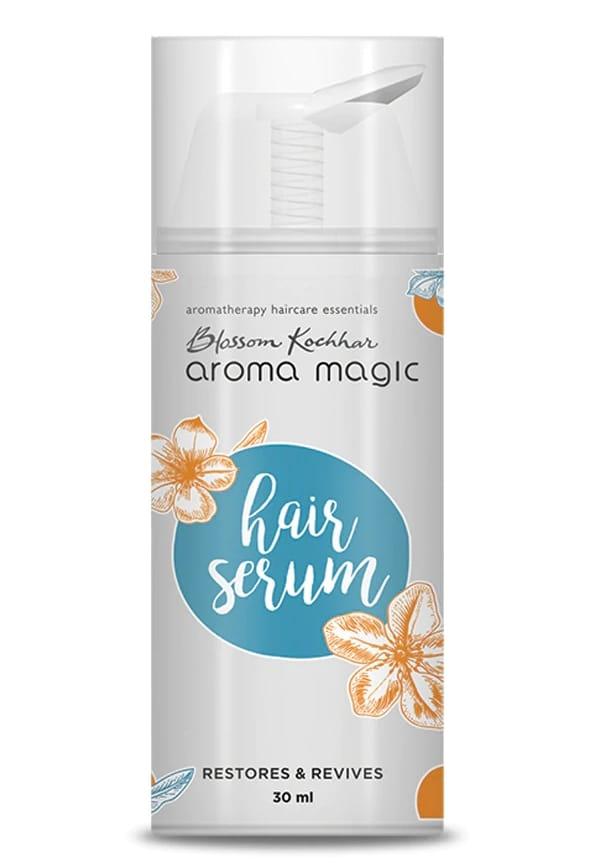
Hair Serum
Think of it as layering your skincare—each product has its job, and they complement rather than compete. Oil provides deep nourishment and scalp health, while serum offers surface protection and styling benefits.
Professional hairstylists often recommend this approach: oil treatments 2-3 times weekly for nourishment, daily serum use for protection and styling. The key is timing and application technique.
Some brands now offer hybrid products that blend both technologies—lightweight oils with serum-like properties or serums enriched with nourishing oils. These can be brilliant for people who want the benefits of both without the faff of multiple products.
DIY mixing is also an option: try a 1:3 ratio of oil to serum for a custom blend that gives you nourishment without the weight.
Product buildup is the main concern when using both. Signs include dull hair, products not absorbing, or your hair feeling coated. Solution? Use a clarifying shampoo weekly and adjust your product quantities.
Balance is everything—if your hair feels too heavy, reduce oil frequency. If it's looking dry, up your oil game and reduce serum use.
Let's cut through the noise and get practical. The best approach depends on your specific hair needs, lifestyle, and honestly, what you can be bothered to stick to consistently.
Start with a simple porosity test: drop a clean strand of hair in water. If it sinks quickly, you have high porosity hair that loves oils. If it floats, you have low porosity hair that might prefer lighter serums.
Lifestyle factors matter too. If you're always rushing in the mornings, serum is your friend. If you love weekend self-care rituals, oils might be more your speed.
For serums, look for ingredients like hyaluronic acid for hydration, keratin for strength, and silicones for protection. In oils, fatty acid-rich options like argan, coconut, and jojoba are brilliant for most hair types.
Natural vs synthetic isn't always a clear winner—some synthetic ingredients like silicones provide protection that natural alternatives can't match, while natural oils offer nourishment that's hard to replicate.
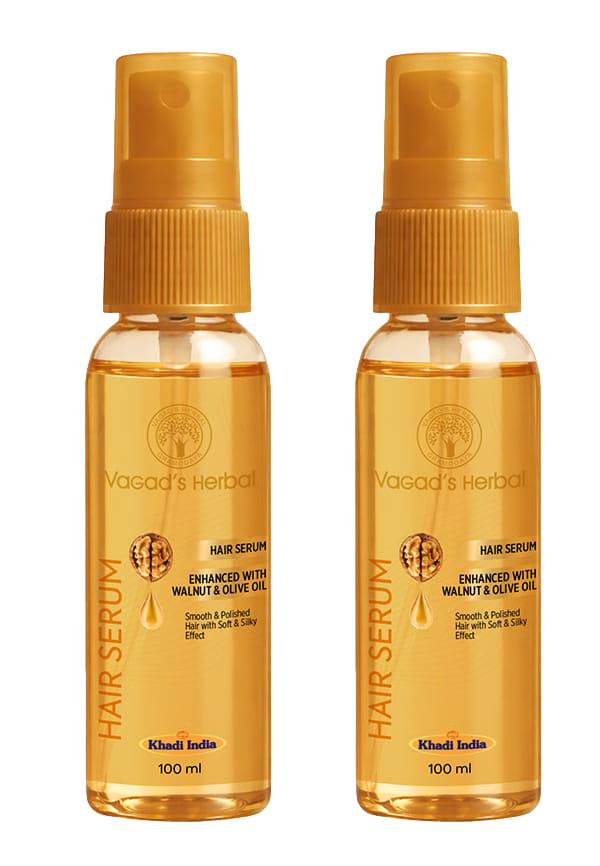
Hair Serum
Loves the product
5“love the prducftttt i love itttt”
Loves the product
5“love the prducftttt i love itttt”
Loves the product
5“love the prducftttt i love itttt”
Signs your current routine isn't working include increased breakage, dullness that won't budge, or products that used to work suddenly feeling heavy or ineffective. Hair changes with age, seasons, and hormones, so your routine should evolve too.
This is where platforms like Smytten become absolute game-changers. Instead of committing to full-size products that might not work, you can try mini versions from over 1,500 trusted brands. With trial packs available for just ₹249, you can experiment with different hair serum for hair and hair oil for hair options without the financial risk. Plus, the 100% cashback on minis means you're essentially trying products for free—perfect for figuring out your ideal hair care routine.
Absolutely, when done right. Use oil for deep nourishment 2-3 times weekly and serum daily for protection and styling. Apply oil before washing, serum after on damp hair.
Serums can cause buildup if overused, may contain silicones that some people prefer to avoid, and provide temporary rather than long-term benefits. They also don't address scalp health like oils do.
Serum typically works better for fine hair as it's lightweight and won't weigh down delicate strands. If you want to use oil, try lightweight options like jojoba applied only to ends.
Both support growth differently—oils improve scalp health and circulation, while serums prevent breakage. For optimal growth, use oil for scalp massage and serum for length protection.
Expired products can lose effectiveness and potentially cause irritation. Check for changes in smell, texture, or colour. When in doubt, replace them—your hair deserves fresh, effective products.
Oils may require more frequent washing (every 2-3 days) to prevent buildup, while serums typically allow for less frequent washing (every 3-4 days) since they're lighter and don't weigh hair down.
The hair serum vs hair oil debate doesn't have to be an either-or situation. Your hair is unique, and what works brilliantly for someone else might be completely wrong for you. The key is understanding what each product brings to the table and how they fit into your lifestyle and hair goals.
Whether you're team serum, team oil, or team both, the most important thing is finding products that work for your specific hair type and concerns. Don't be afraid to experiment—that's how you discover your holy grail products. With Smytten's trial platform covering everything from lightweight serums to nourishing oils, you can explore different brands and formulations without the commitment. After all, why settle for 'maybe' when you can try it all and find what truly works for your hair?
