Hair Serum for Damaged Hair FAQ: Your Questions Answered

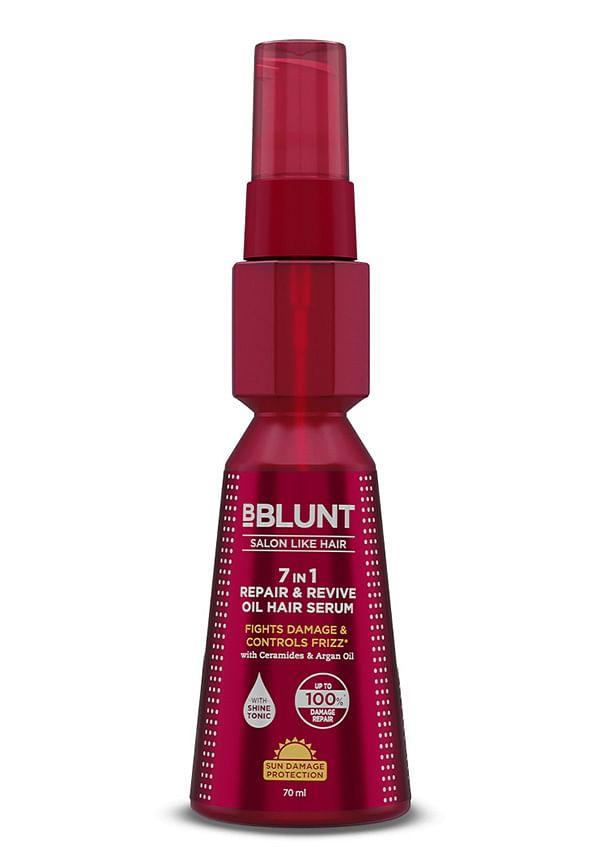
7 in 1 Repair & Revive Oil Hair Serum for Upto 100% Damage Repair
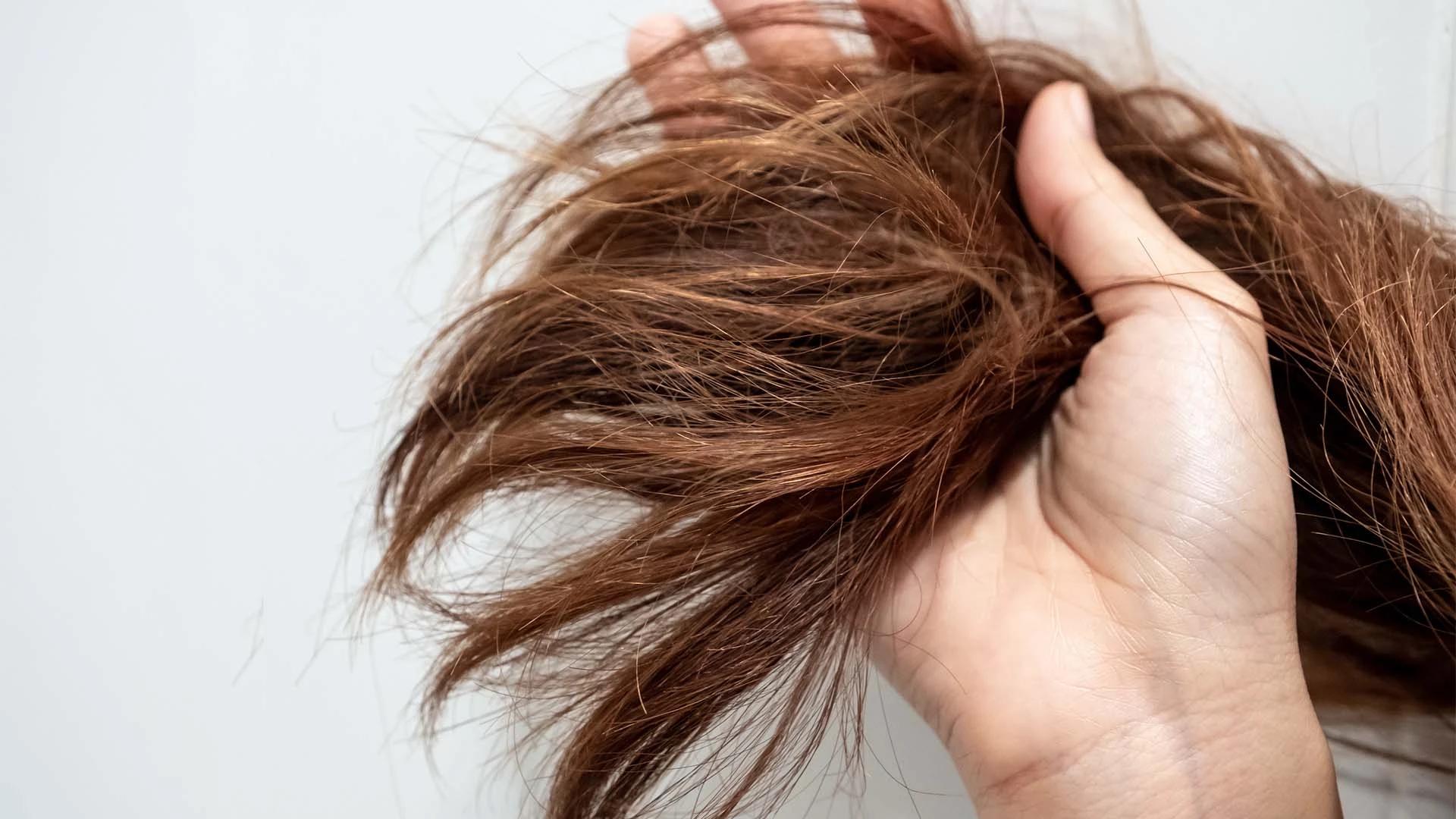
You know that sinking feeling when you catch your reflection and notice your hair looking more like straw than silk? Whether it's from too many heat styling sessions, chemical treatments, or just life happening, damaged hair can feel like an uphill battle. The good news? Hair serums designed specifically for damaged hair might just be the game-changer your strands have been waiting for. Let's dive into everything you need to know about finding the right hair serum for damaged hair and getting your locks back to their happy place.
Think of hair serum for damaged hair as your strands' personal bodyguard and repair crew rolled into one. Unlike regular hair oils that sit on the surface, these specialised serums are formulated with smaller molecules that can actually penetrate the hair shaft to work from within. They're packed with ingredients like keratin proteins, ceramides, and amino acids that help rebuild broken bonds in your hair structure.
The science bit is actually pretty fascinating. When your hair gets damaged—whether from heat, chemicals, or environmental stress—the protective cuticle layer gets lifted and the internal structure weakens. A good hair repair serum works by smoothing down those raised cuticles and filling in microscopic gaps with strengthening proteins. This creates a protective barrier that not only makes your hair look shinier and feel smoother but actually helps prevent future damage too.
What sets hair serums apart from oils and leave-in treatments is their lightweight, fast-absorbing formula. While oils can sometimes weigh fine hair down or leave a greasy residue, serums are designed to deliver concentrated benefits without the heaviness. They're particularly brilliant for anyone dealing with frizzy, brittle, or chemically-treated hair that needs serious TLC.
Real talk—there's no one-size-fits-all answer here because damaged hair comes in many forms. Your best bet is matching the serum to your specific type of damage and hair texture.
If you've been through the bleach wars or have chemically-straightened hair, look for hair strengthening serums with bond-building technology. Ingredients like bis-aminopropyl diglycol dimaleate (fancy name, amazing results) actually rebuild broken disulfide bonds in your hair. These are the heavy-duty repair workers of the serum world.
Heat damage creates a different kind of problem—usually dryness, brittleness, and those annoying flyaways. A hair serum for heat damage should combine repair ingredients with thermal protection. Look for formulas containing silicones like cyclopentasiloxane, which create a protective film around each strand.
When your hair feels like it might snap if you look at it wrong, you need deep moisture and flexibility. The best hair serum for dry hair will contain humectants like hyaluronic acid or glycerin to draw moisture in, plus emollients like argan oil or squalane to lock it in.
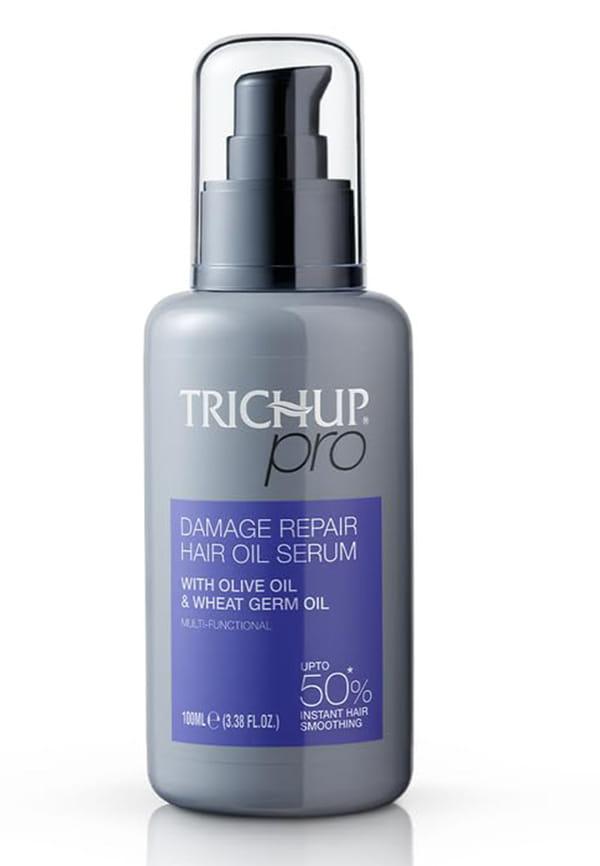
Trichup Pro Damage Repair Hair Oil Serum for Dry & Frizzy Hair Control Breakage
Split end serums are designed to temporarily "glue" those frayed ends back together while you grow out the damage. While they can't permanently fix splits (only scissors can do that), a good hair serum for breakage can prevent new ones from forming and make existing damage less noticeable.
Choosing the right hair treatment for damaged hair starts with honestly assessing what you're dealing with. Take a close look at your hair in natural light—are you seeing split ends, dullness, excessive frizz, or actual breakage? Each issue needs a slightly different approach.
Your hair's porosity level matters too. High-porosity hair (usually damaged hair) absorbs products quickly but also loses moisture fast. These strands do well with protein-rich serums that help fill in the gaps. Low-porosity hair, on the other hand, repels moisture and might get weighed down by heavy formulas—lighter, silicone-based serums work better here.
Don't forget about your styling routine either. If you're still using heat tools regularly, make sure your chosen serum offers thermal protection. And if you're dealing with colour-treated hair, look for UV protection to prevent further fading and damage.
Dry, frizzy hair is probably the most common complaint when it comes to damaged strands. The good news is that frizzy hair serums have come a long way in recent years. Modern formulas can tackle both the underlying dryness and the surface-level frizz without leaving your hair feeling heavy or greasy.
Look for hair smoothing serums that combine multiple types of silicones—some for immediate smoothing, others for long-term conditioning. Ingredients like dimethicone provide instant frizz control, while amino acids and peptides work on repairing the damage that's causing the frizz in the first place.
Application technique matters just as much as the product itself. For best results, apply your serum to damp hair, focusing on the mid-lengths and ends. Use a wide-tooth comb to distribute evenly, then style as usual. The key is using just enough to coat your hair without overdoing it—start with a small amount and build up if needed.
If heat styling is part of your routine (and let's be real, for most of us it is), using a hair serum for heat damage correctly can make all the difference. The timing of application is crucial—you want to apply your serum to clean, damp hair before any heat styling.
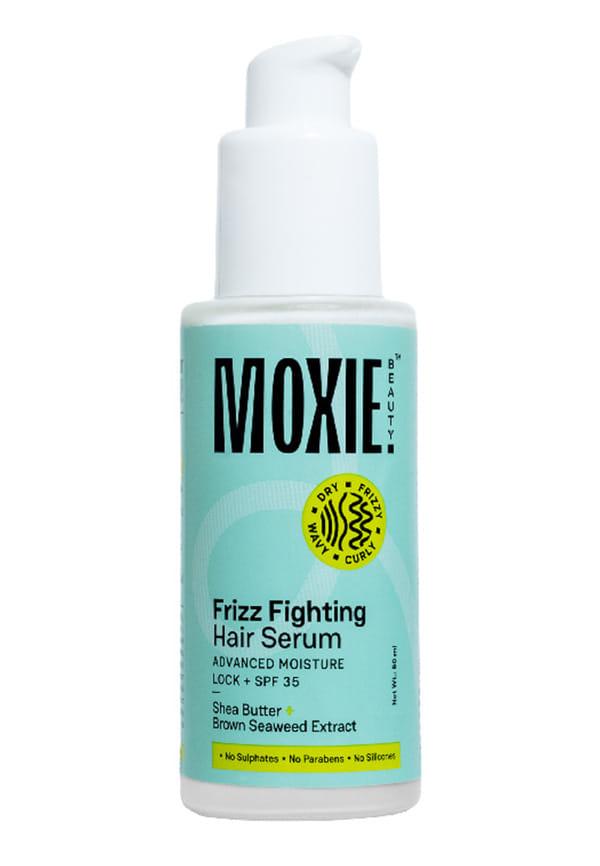
Frizz Fighting Hair Serum For Dry and Frizzy Hair
Start by working the serum through your mid-lengths and ends, avoiding the roots unless your scalp is particularly dry. Let your hair air-dry for a few minutes to allow the serum to penetrate, then proceed with your usual styling routine. The serum creates a protective barrier that helps prevent further heat damage while repairing existing issues.
For hair serum for healthy hair maintenance, consistency is key. Using a quality serum 2-3 times per week can help maintain your hair's condition and prevent future damage. On non-wash days, you can apply a tiny amount to dry hair to tame frizz and add shine.
Even the best split end serum won't work if you're using it wrong. One of the biggest mistakes people make is applying too much product. Hair serums are concentrated formulas—a little goes a long way. Start with just a few drops and add more only if needed.
Another common error is applying serum to the roots. Unless you have a very dry scalp, focus on the mid-lengths and ends where damage is most likely to occur. Applying serum to your roots can make your hair look greasy and weigh it down.
Timing matters too. Applying serum to soaking wet hair can dilute the formula and reduce its effectiveness. Gently towel-dry your hair first, leaving it damp but not dripping. And remember—hair serum for breakage works best as part of a consistent routine, not as a one-off treatment.
Absolutely! Hair serums are specifically formulated to address various types of damage. They work by smoothing the hair cuticle, filling in microscopic gaps, and creating a protective barrier against future damage. The key is choosing the right formula for your specific type of damage—whether that's dryness, breakage, heat damage, or chemical processing.
You'll typically notice immediate improvements in manageability and shine after the first use. However, for deeper repair benefits, give it about 2-4 weeks of consistent use. Remember, severely damaged hair might take longer to show significant improvement, and some damage (like split ends) can only be truly fixed with a trim.
Most hair serums are safe for daily use, but it's not always necessary. For damaged hair, using a serum 2-3 times per week is usually sufficient. Daily use might lead to product buildup, especially if you're using other styling products. Pay attention to how your hair responds and adjust accordingly.
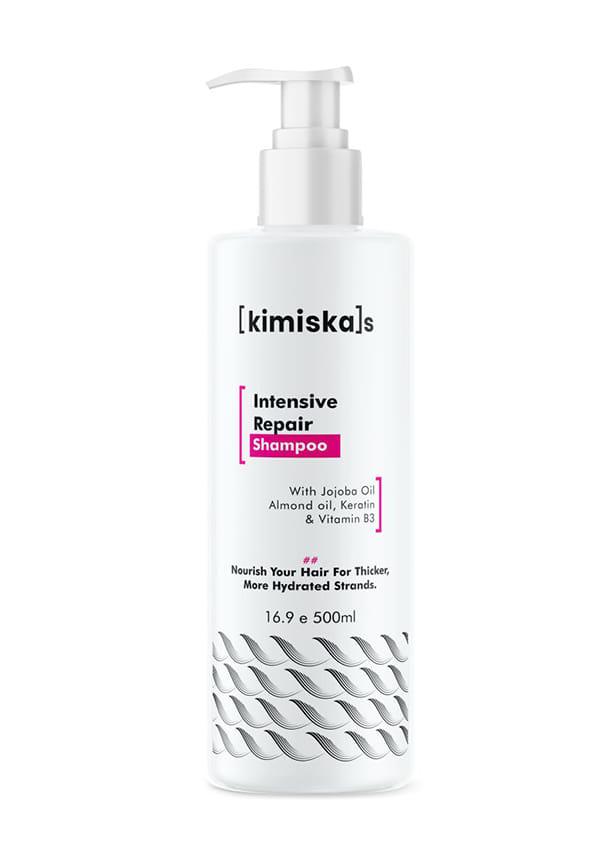
Intensive Hair Repair Shampoo for Dry and Frizzy Hair
Hair serums are typically lighter and more easily absorbed than oils. They're formulated with smaller molecules that can penetrate the hair shaft, making them better for fine or oily hair types. Oils tend to sit on the surface and provide more intensive moisture, making them ideal for very dry or coarse hair textures.
Let's be honest here—nothing can permanently repair split ends except cutting them off. However, a good split end serum can temporarily seal the splits, making them less noticeable and preventing them from travelling further up the hair shaft. Think of it as a temporary fix while you grow out the damage.
Avoid serums with high alcohol content (like denatured alcohol), which can be drying. Also steer clear of heavy waxes if you have fine hair, as they can cause buildup. Sulphates aren't typically found in serums, but if they are, skip them—they can be too harsh for already-damaged hair.
You should notice your hair feeling smoother and looking shinier almost immediately. Over time, you might see less breakage, reduced frizz, and improved manageability. If you're not seeing any improvements after 4-6 weeks of consistent use, it might be time to try a different formula.
Yes! Many hair serums contain ingredients that create a protective barrier around your hair shaft. This can help shield your strands from environmental damage, heat styling, and daily wear and tear. Think of it as a daily insurance policy for your hair health.
Finding the right hair serum for damaged hair can feel overwhelming with so many options available, but understanding your specific hair needs makes the choice much clearer. Whether you're dealing with heat damage, chemical processing, or just everyday wear and tear, there's likely a serum formulation that can help restore your hair's health and appearance.
Remember that consistency is key—hair repair is a gradual process, not an overnight miracle. Give your chosen serum time to work, and don't be afraid to adjust your routine based on how your hair responds. The goal isn't perfection; it's about finding what works for your unique hair and lifestyle.
If you're curious about trying different formulations before committing to full-size bottles, Smytten offers trial-size versions of many popular hair serums from trusted brands. It's a smart way to test what works for your specific hair concerns without the investment risk—because finding your perfect hair serum might just be a trial away.
