Hair Repair Treatments FAQ: Everything About Damaged Hair

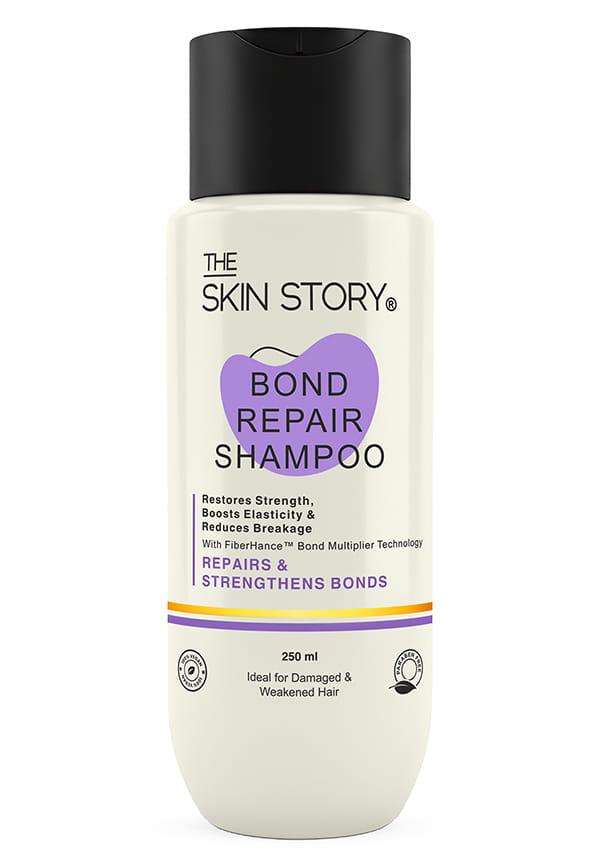
Professional Bond Repair Shampoo For Damaged Hair
That moment when you run your fingers through your hair and feel more breakage than smoothness? We've all been there. Whether it's from one too many bleaching sessions, endless heat styling, or just life happening to your strands, damaged hair can feel like a puzzle you can't solve. The good news? Hair repair treatments have come a long way, and there are real solutions that actually work. Let's dive into everything you need to know about bringing your hair back to life.
Hair repair treatments are specialised products designed to restore damaged hair by targeting specific structural issues within the hair shaft. Think of your hair like a rope made of tiny fibres—when those fibres get damaged, the entire structure weakens. These treatments work by penetrating the hair cuticle to rebuild broken bonds, seal gaps, and restore the hair's natural protective barrier.
The science behind it is pretty fascinating. Your hair is made up of proteins, primarily keratin, held together by various bonds. When hair gets damaged, these bonds break down, leading to weakness, dryness, and breakage. Hair repair treatments contain ingredients like amino acids, proteins, and bond-building molecules that can actually reconstruct these damaged areas.
There are two main categories of hair repair treatments: at-home treatments and professional salon therapies. At-home options include deep conditioning treatments, hair masks, protein treatments, and repair serums that you can use regularly. Professional treatments typically involve more concentrated formulas and multi-step processes that can address severe damage more effectively.
The key is understanding that hair repair isn't instant magic—it's a gradual process of rebuilding and strengthening. Most treatments work by temporarily filling in damaged areas and providing ongoing protection, whilst some newer formulations can actually create lasting structural improvements.
Understanding what's causing your hair damage is crucial for choosing the right repair approach. Chemical processing is one of the biggest culprits—bleaching, colouring, perming, and relaxing all alter your hair's natural structure. These processes can lift the cuticle and break down internal bonds, leaving hair porous and weak.
Heat styling is another major factor. Regular use of straighteners, curling irons, and blow dryers without proper protection can literally cook your hair, causing the proteins to denature and the cuticle to lift. Environmental stressors like UV exposure, pollution, and harsh weather conditions also contribute to gradual damage over time.
Physical damage from brushing wet hair, tight hairstyles, and rough handling might seem minor, but it adds up. Even your pillowcase can cause friction that leads to breakage and split ends over time.
So how do you know if your hair is damaged? Look for these telltale signs: excessive breakage when brushing, split ends that keep returning even after trimming, hair that feels rough or straw-like, lack of elasticity (hair snaps instead of stretching), dullness, and difficulty holding moisture. A simple porosity test can help too—drop a clean strand of hair in water. If it sinks quickly, your hair is highly porous and likely damaged.
Choosing the right hair repair treatment depends on your specific type of damage and hair needs. Different treatments target different issues, so understanding your options is key to getting results.
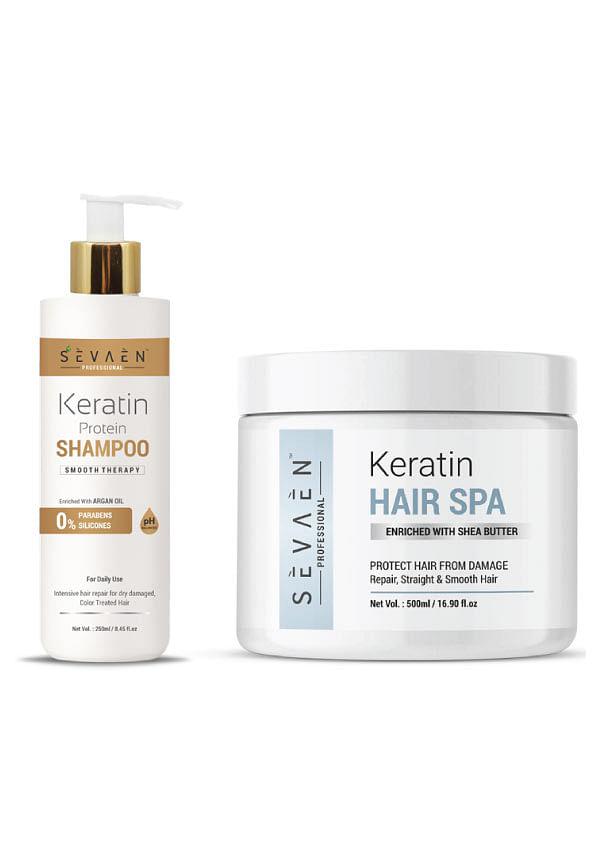
Keratin Shampoo And Hair Spa Cream For Hair Dry&Damage repair And strengthening&Smoothing Hair With Deep Conditioning Treatment
Bond-building treatments are game-changers for chemically processed hair. These treatments contain molecules small enough to penetrate the hair shaft and rebuild the disulfide bonds that give hair its strength. They're particularly effective for bleached or heavily coloured hair that's lost its structural integrity. You can find both professional salon versions and at-home formulations that work on similar principles.
Deep conditioning treatments focus on intensive hydration and nourishment. Hair masks for damage typically contain a blend of proteins, ceramides, and moisturising ingredients that can temporarily fill in gaps in the hair cuticle and provide lasting hydration. These work best for dry, brittle hair that needs moisture more than structural repair. Weekly intensive treatments combined with daily conditioning can make a significant difference in hair texture and manageability.
Hair protein treatments are essential when your hair lacks strength and elasticity. These treatments deposit proteins onto and into the hair shaft, temporarily reinforcing weak areas. However, it's crucial to balance protein with moisture—too much protein can make hair stiff and prone to breakage. Signs your hair needs protein include excessive stretching, limpness, and difficulty holding styles.
Natural hair repair doesn't have to mean expensive salon visits. Some of the most effective treatments can be found in your kitchen or local store. Coconut oil is brilliant for penetrating the hair shaft and preventing protein loss, whilst argan oil provides excellent moisture and protection for the cuticle.
DIY hair masks using ingredients like honey (a natural humectant), eggs (rich in proteins), and avocado (packed with fatty acids) can provide real repair benefits. A simple mask combining one egg, two tablespoons of honey, and one tablespoon of coconut oil can work wonders for dry hair treatment when used weekly.
For a quick dry hair treatment, try the "LOC method"—apply a liquid (water or leave-in conditioner), then an oil, then a cream to seal everything in. This technique helps damaged hair retain moisture throughout the day.
Apple cider vinegar rinses can help smooth the cuticle and restore pH balance, whilst rice water (rich in amino acids and vitamins) has been used for centuries to strengthen and repair hair. The key with natural remedies is consistency—they work gradually but can provide lasting benefits without harsh chemicals.
When at-home treatments aren't cutting it, professional salon therapies can provide more intensive repair. Keratin treatments work by coating the hair with a protective protein layer that smooths the cuticle and reduces frizz. These treatments can last 3-4 months and are particularly effective for damaged hair that's become unmanageable.
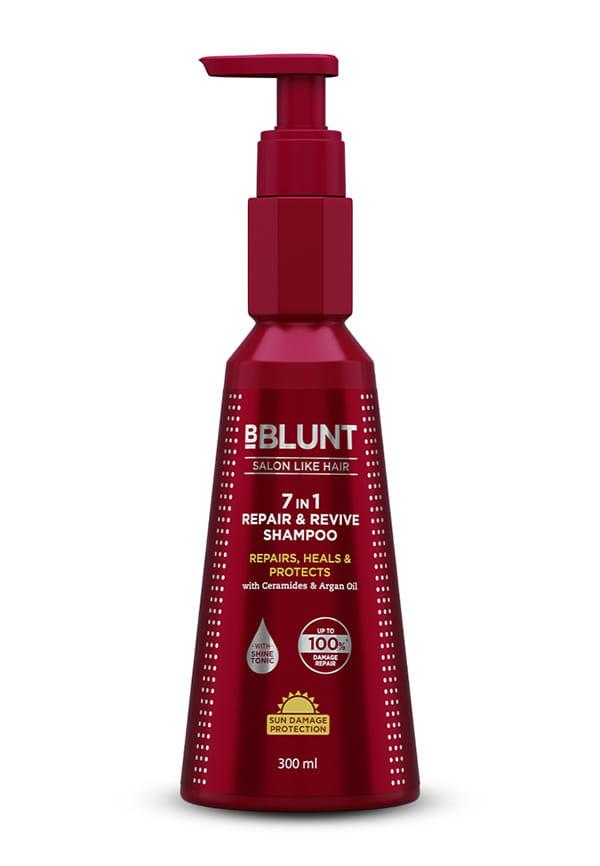
7 in 1 Repair & Revive Shampoo for Upto 100% Damage Repair
Professional bond-building treatments use higher concentrations of active ingredients than at-home versions. These multi-step processes can significantly improve hair strength and elasticity, especially for severely chemically damaged hair. The results are often immediate and can last several weeks.
Salon treatments also offer the advantage of professional assessment. A skilled stylist can evaluate your hair's specific needs and customise treatments accordingly. They can also provide guidance on maintaining results and preventing future damage.
The downside? Professional treatments can be expensive and time-consuming. They also require ongoing maintenance to preserve results. Consider salon treatments for special occasions or when dealing with severe damage that home treatments can't address.
Hair repair serums are perfect for daily protection and ongoing repair. Look for lightweight formulas that won't weigh your hair down but still provide heat protection and moisture. Leave-in treatments work continuously to strengthen and protect hair throughout the day. The best ones combine repair ingredients with UV protection and heat defence.
Split end repair products can temporarily seal damaged ends, though trimming is still the most effective long-term solution. For colour-damaged hair, look for treatments specifically formulated to protect and repair chemically processed strands. Heat-damaged hair benefits from treatments that focus on rebuilding the hair's moisture barrier and providing ongoing thermal protection.
Most people start seeing improvements within 2-4 weeks of consistent use. However, significant repair can take 2-3 months, especially for severely damaged hair. Remember, hair grows about half an inch per month, so you're essentially growing out the damage whilst treating existing hair. Professional treatments often show immediate results, but maintaining those results requires ongoing care.
Real talk—once hair is damaged, you can't completely reverse it to its original state. However, you can significantly improve its appearance, strength, and manageability with the right treatments. The goal is to prevent further damage whilst making existing damage less noticeable. In cases of severe damage, gradual trimming combined with intensive treatments is often the best approach.

Aromablush Intense Repair Hair Oil
This depends on your hair's condition and the type of treatment. Deep conditioning treatments can be used 1-2 times per week for damaged hair. Protein treatments should be used more sparingly—once every 2-4 weeks, depending on your hair's needs. Daily leave-in treatments and serums can be used as needed. Always follow product instructions and pay attention to how your hair responds.
Hair breakage treatment focuses on strengthening the hair shaft to prevent snapping and breaking, usually through protein treatments and strengthening ingredients. Split end repair, on the other hand, targets the damaged ends of hair strands, temporarily sealing them to prevent further splitting. Breakage happens along the hair shaft, whilst split ends occur at the tips.
Not necessarily. Whilst some premium treatments do offer advanced formulations and higher concentrations of active ingredients, many affordable options can be equally effective. The key is finding products with proven ingredients that match your specific hair needs. Sometimes a simple coconut oil treatment works better than an expensive serum, depending on your hair type and damage level.
Yes, but with caution. Layering treatments can be beneficial—for example, using a protein treatment followed by a moisturising mask. However, avoid overloading your hair with too many active ingredients at once. Start with one treatment, see how your hair responds, then gradually introduce others. Always ensure treatments are compatible and won't cause buildup or over-processing.
Natural hair repair methods can be surprisingly effective, especially for mild to moderate damage. Ingredients like coconut oil, honey, and protein-rich foods have scientific backing for their hair benefits. However, they typically work more slowly than commercial treatments and may not be sufficient for severely damaged hair. They're excellent for maintenance and prevention, and can complement other treatments beautifully.
Hair repair is a journey, not a destination. The most effective approach combines understanding your specific damage type, choosing appropriate treatments, and maintaining consistency in your routine. Whether you opt for natural remedies, at-home treatments, or professional salon services, the key is patience and realistic expectations.
Remember that prevention is always better than cure. Protecting your hair from heat, chemicals, and physical damage will save you time and effort in the long run. When damage does occur, addressing it early with targeted treatments can prevent more severe issues down the line.
Your hair repair journey might involve trying different products and methods to find what works best for your unique hair type and lifestyle. Smytten's curated selection includes hair repair treatments from trusted brands, and if you're unsure which approach might work for your hair, trial-size versions of many repair products are available—a smart way to test before investing in full-size treatments.
