Hair Regrowth Tips FAQ: Your Questions Answered

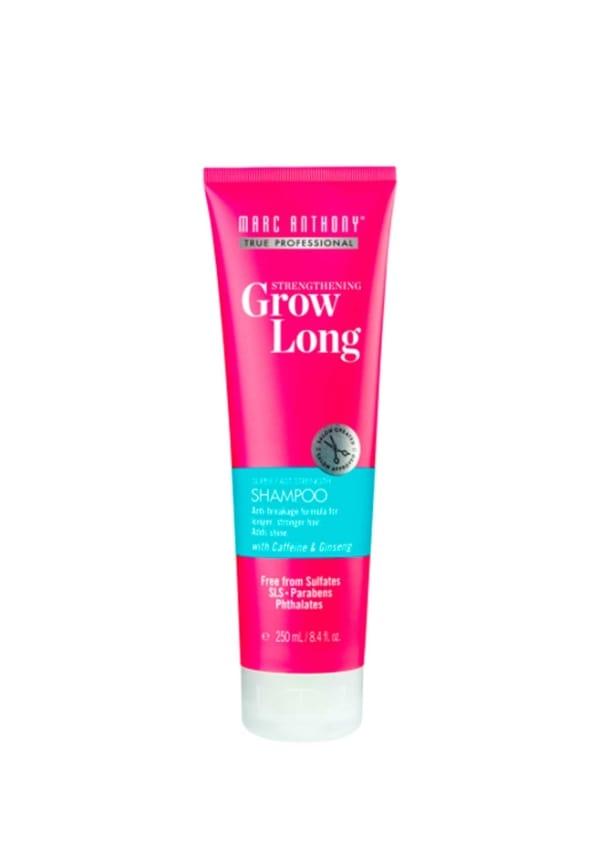
Strengthening Grow Long Shampoo
You know that moment when you catch yourself staring at old photos, wondering where all your hair went? Or maybe you've started noticing more strands in your brush than usual, and suddenly every mirror becomes your worst enemy. Hair loss hits different when it's happening to you — it's not just about vanity, it's about feeling like yourself again. The good news? Hair regrowth isn't some mythical concept reserved for lucky genetics. With the right approach, patience, and science-backed strategies, you can actually turn things around.
Let's be real — the internet is full of miracle cures and overnight solutions that sound too good to be true. But here's what actually matters: understanding how your hair grows in the first place. Your hair follows a natural cycle with three phases: anagen (growth), catagen (transition), and telogen (resting). The magic happens during anagen, which can last anywhere from two to seven years depending on your genetics.
The key difference lies between dormant and damaged follicles. Dormant follicles are like sleeping giants — they're still alive but just need the right wake-up call. These respond brilliantly to hair growth treatments and proper care. Damaged or completely destroyed follicles, however, are a different story. They're past the point of natural recovery, which is why realistic expectations matter so much.
Most people start seeing initial improvements within three to six months of consistent treatment. Hair follicle stimulation takes time because you're essentially rewiring your scalp's biological processes. The first signs aren't usually new hair sprouting everywhere — instead, you might notice less shedding, stronger existing strands, or tiny baby hairs appearing around your hairline.
Timeline-wise, think marathon, not sprint. Month one to three: reduced shedding and improved hair texture. Month three to six: visible new growth and thicker strands. Month six onwards: significant improvement in overall hair density. Remember, everyone's journey looks different based on the underlying cause of their hair loss.
When it comes to hair loss treatment, science has given us some genuinely effective options. No snake oil here — just treatments with proper clinical backing and real results. The trick is finding what works for your specific situation and sticking with it long enough to see results.
Minoxidil is probably the most well-known hair growth solution, and for good reason. Originally developed as a blood pressure medication, researchers noticed an interesting side effect — hair growth. It works by increasing blood flow to hair follicles and extending the anagen phase. You'll find it in various strengths, with 5% being the most common for both men and women.
For men dealing with male pattern baldness, finasteride blocks DHT (dihydrotestosterone), the hormone responsible for shrinking hair follicles. It's particularly effective for crown thinning and can actually reverse some hair loss when caught early. Women have spironolactone as an alternative, which works similarly by blocking androgens that contribute to hormonal hair loss.
Red light therapy has gained serious traction in recent years, and the science is pretty compelling. Specific wavelengths between 630-800nm penetrate the scalp and stimulate cellular activity in hair follicles. It's like giving your scalp a gentle energy boost at the cellular level.
PRP therapy takes your own blood, concentrates the growth factors, and injects them back into your scalp. Think of it as using your body's natural healing mechanisms to promote hair growth. Microneedling works alongside this by creating tiny channels in the scalp, improving absorption of treatments and triggering the body's repair response.
Not everyone wants to jump straight into clinical treatments, and that's completely valid. Natural hair growth methods can be surprisingly effective, especially when combined with lifestyle changes. The key is consistency and realistic expectations — these methods work, but they're gentler and take longer to show results.
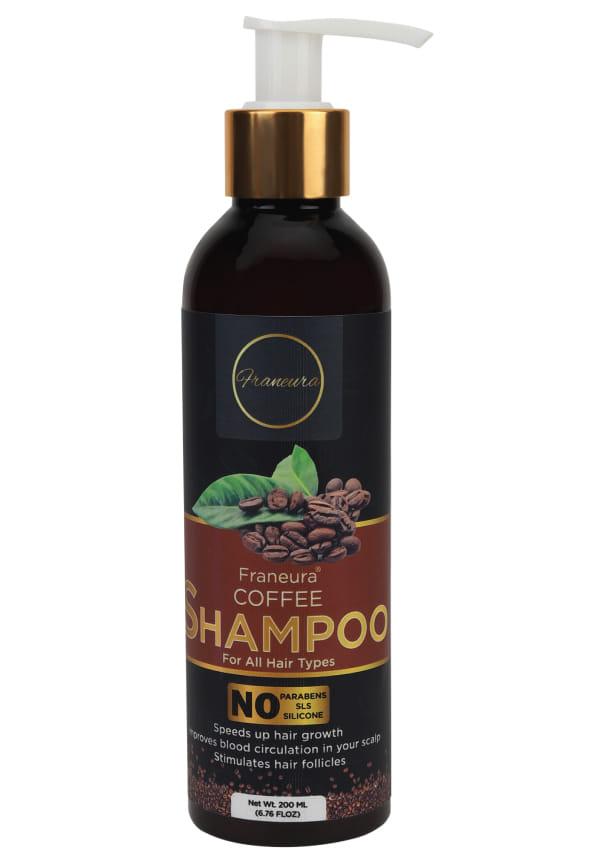
Daily Use Natural Coffee Shampoo - Revitalize and Strengthen Hair
Rosemary oil has actually been studied head-to-head against minoxidil, and the results were impressive. After six months, both groups showed similar improvement in hair count. The difference? Rosemary oil users experienced less scalp irritation. Mix a few drops with a carrier oil like jojoba or coconut oil — never apply essential oils directly to your scalp.
Peppermint oil is another winner, showing significant hair growth in animal studies. It works by increasing blood circulation to the scalp, similar to minoxidil but through a different mechanism. Lavender and cedarwood oils also show promise, plus they smell amazing and can help with stress reduction.
Here's something you can start today: scalp massage. Just five to ten minutes daily can increase blood flow to hair follicles and potentially improve hair thickness. Use your fingertips (not nails) to apply gentle pressure in circular motions, working from your hairline to the crown.
Some people swear by scalp massage tools like silicone brushes or wooden combs with rounded teeth. The goal is stimulation, not aggression — you want to encourage blood flow, not irritate your scalp. Combine this with deep breathing for extra stress relief benefits.
Your hair is basically a reflection of your overall health, so it makes sense that what you eat and how you live directly impacts hair growth. Think of your hair follicles as tiny factories that need proper fuel and optimal working conditions to produce healthy hair.
Protein is non-negotiable since hair is primarily made of keratin, a protein structure. Aim for high-quality sources like eggs, fish, legumes, and lean meats. Iron deficiency is one of the most common causes of hair loss, especially in women. If you're constantly tired and losing hair, get your iron levels checked.
Biotin gets all the attention, but zinc, vitamin D, and omega-3 fatty acids are equally important. Zinc helps with hair tissue growth and repair, while vitamin D plays a role in creating new hair follicles. Omega-3s keep your scalp healthy and add shine to your existing hair. Consider getting a comprehensive blood panel to identify any deficiencies.
Chronic stress literally pushes hair follicles into the resting phase prematurely, leading to increased shedding about three months later. Cortisol, your stress hormone, can disrupt the normal hair growth cycle and even shrink hair follicles over time.
Find stress management techniques that actually work for you — whether that's meditation, exercise, journaling, or just taking proper breaks during your day. Quality sleep is equally crucial since your body does most of its repair work while you're sleeping. Aim for seven to nine hours of consistent, quality sleep.
Sometimes the best offense is a good defense. Preventing additional hair loss while you're working on regrowth gives you the best chance of success. Small changes in your daily routine can make a significant difference over time.
Treat your hair like delicate silk, especially when it's wet and most vulnerable. Sulfate-free shampoos are gentler on both your hair and scalp, reducing irritation that could interfere with healthy hair growth. Look for ingredients like coconut-derived cleansers instead of harsh detergents.
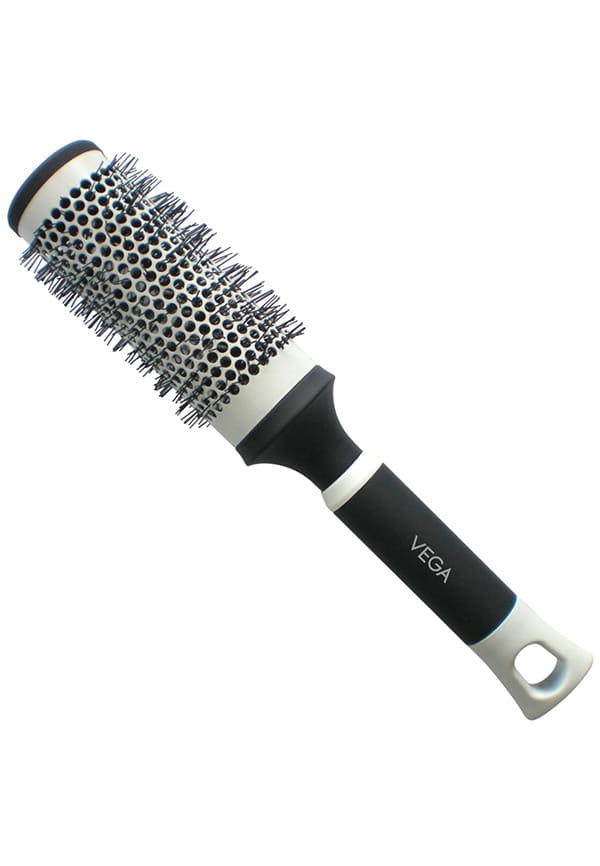
Hot Curl Hair Brushfor Hair Styling, Drying, Healthy Hair and Add Volume Big (H1-PR B)
Tight hairstyles might look great, but they can cause traction alopecia — permanent hair loss from constant pulling. Give your hair regular breaks from ponytails, braids, and tight buns. When you do style your hair, use soft hair ties and avoid pulling too tightly.
You don't need to wash your hair daily unless you have very oily hair or scalp conditions. Over-washing can strip natural oils that protect your hair and scalp. Most people do well with washing every two to three days, using a gentle shampoo and always following with conditioner.
Leave-in conditioners and hair serums can provide ongoing protection throughout the day. Look for products with ingredients like hyaluronic acid for moisture retention or peptides for strengthening. Heat protection is crucial if you use styling tools — even air-drying is better than high-heat blow-drying without protection.
While the basic principles of hair growth are the same, men and women often experience different types of hair loss and may need tailored approaches. Understanding these differences helps you choose the most effective thinning hair solutions for your specific situation.
Men typically deal with androgenetic alopecia, which follows predictable patterns — receding hairlines and crown thinning. DHT blockers like finasteride can be incredibly effective when started early. The key is catching it before too much damage occurs to the follicles.
Combination therapy often works best for men. This might include minoxidil for direct follicle stimulation, finasteride for DHT blocking, and supportive treatments like microneedling or red light therapy. The earlier you start, the better your chances of maintaining and regrowing hair.
Women's hair loss is often more diffuse and can have multiple causes — hormonal changes, nutritional deficiencies, stress, or underlying health conditions. This complexity means the solution often requires a more comprehensive approach.
Hormonal fluctuations during pregnancy, postpartum, and menopause can significantly impact hair growth. Iron deficiency is particularly common in women and can cause significant hair thinning. Working with a healthcare provider to address underlying causes often produces better results than topical treatments alone.
Combine clinically proven treatments like minoxidil with scalp massage, proper nutrition, and stress management. While there's no truly "fast" solution, you can optimise your approach for the quickest possible results. Most people see initial improvements within three to six months of consistent treatment. The key is starting multiple approaches simultaneously rather than trying one thing at a time.
Increased stress levels, poor nutrition from busy lifestyles, excessive heat styling, tight hairstyles like slicked-back looks, and earlier onset of hormonal changes all contribute to hair loss in younger generations. Social media pressure and academic or career stress also play significant roles. The good news is that catching hair loss early often leads to better treatment outcomes.
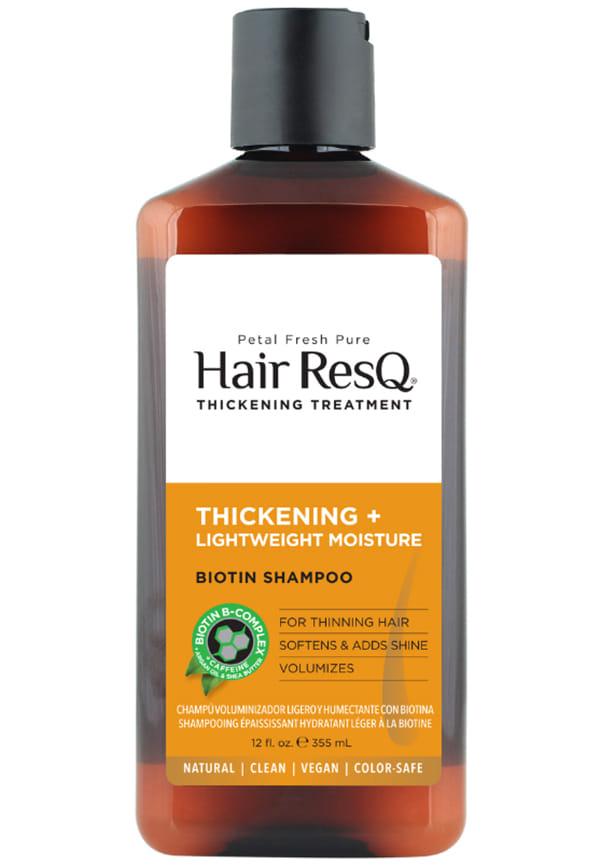
Hair ResQ Thickening Shampoo Dry Hair
Stage 4 on the Norwood scale shows significant crown thinning with a bridge of hair separating front and back balding areas. At this stage, you'll notice substantial hair loss at the crown and continued recession at the temples. Treatment options remain effective, but combination therapy typically works better than single treatments.
While you can't regrow significant hair in just three weeks, you can start treatments and see initial improvements in hair texture and reduced shedding within this timeframe. Natural methods like scalp massage, dietary changes, and stress reduction can begin showing subtle benefits quickly, but visible regrowth takes months of consistent effort.
Hair thinning refers to a gradual reduction in hair density where individual strands become finer and weaker, while hair loss involves actual shedding and bald patches. Thinning often precedes loss and is easier to treat. Both respond to similar treatments, but thinning hair solutions can be more conservative initially.
Hair growth supplements can help if you have nutritional deficiencies, but they won't work miracles if your diet is already balanced. Biotin, iron, zinc, and vitamin D supplements show the most promise, especially when blood tests reveal deficiencies. However, they work best as part of a comprehensive approach rather than standalone solutions.
Give any hair regrowth treatment at least six months before evaluating its effectiveness. Hair growth cycles are slow, and it takes time to see meaningful changes. Many people give up too early and miss out on potential results. Take progress photos monthly to track subtle improvements you might not notice day-to-day.
Acute stress typically causes temporary hair loss that resolves once stress levels decrease. However, chronic, long-term stress can potentially cause lasting damage to hair follicles. The good news is that stress-related hair loss often responds well to stress management techniques combined with proper hair care.
Sometimes DIY approaches aren't enough, and that's perfectly normal. Knowing when to seek professional help can save you time, money, and frustration. A board-certified dermatologist can identify underlying medical causes you might miss and create a personalised treatment plan based on your specific type of hair loss.
Consider professional consultation if you're experiencing sudden, rapid hair loss, patchy bald spots, or if over-the-counter treatments haven't shown results after six months. Underlying conditions like thyroid disorders, autoimmune diseases, or hormonal imbalances often require medical intervention beyond topical treatments.
Professional treatments like prescription medications, PRP therapy, or even hair transplant procedures might be necessary for advanced hair loss. A dermatologist can also monitor your progress and adjust treatments as needed, ensuring you're getting the most effective approach for your situation.
Hair regrowth is absolutely possible with the right approach, patience, and realistic expectations. Whether you choose clinical treatments, natural remedies, or a combination of both, consistency is your best friend. Start with addressing any underlying health issues, optimise your nutrition and stress levels, and choose treatments based on your specific type of hair loss.
Remember that everyone's hair growth journey looks different. What works brilliantly for your friend might not be the perfect solution for you, and that's completely normal. The key is finding an approach you can stick with long-term and adjusting as needed based on your results.
If you're exploring different hair care products to support your regrowth journey, Smytten offers trial-size versions of many haircare treatments from trusted brands. It's a smart way to test what works for your hair type before committing to full-size products — because finding your perfect hair regrowth routine shouldn't involve guesswork or expensive mistakes.
