Hair Problems in Humidity FAQ: Your Questions Answered

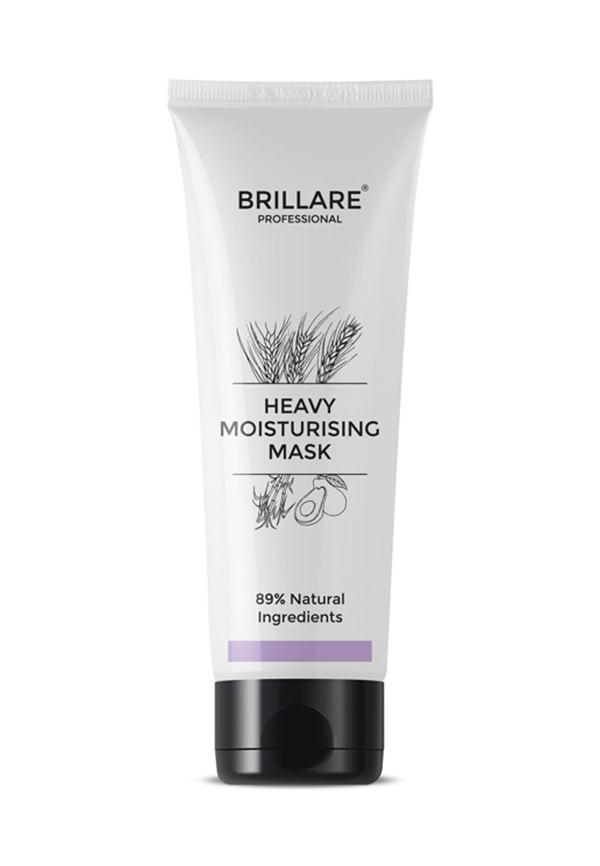
Conditioner For Dry, Frizzy Hair
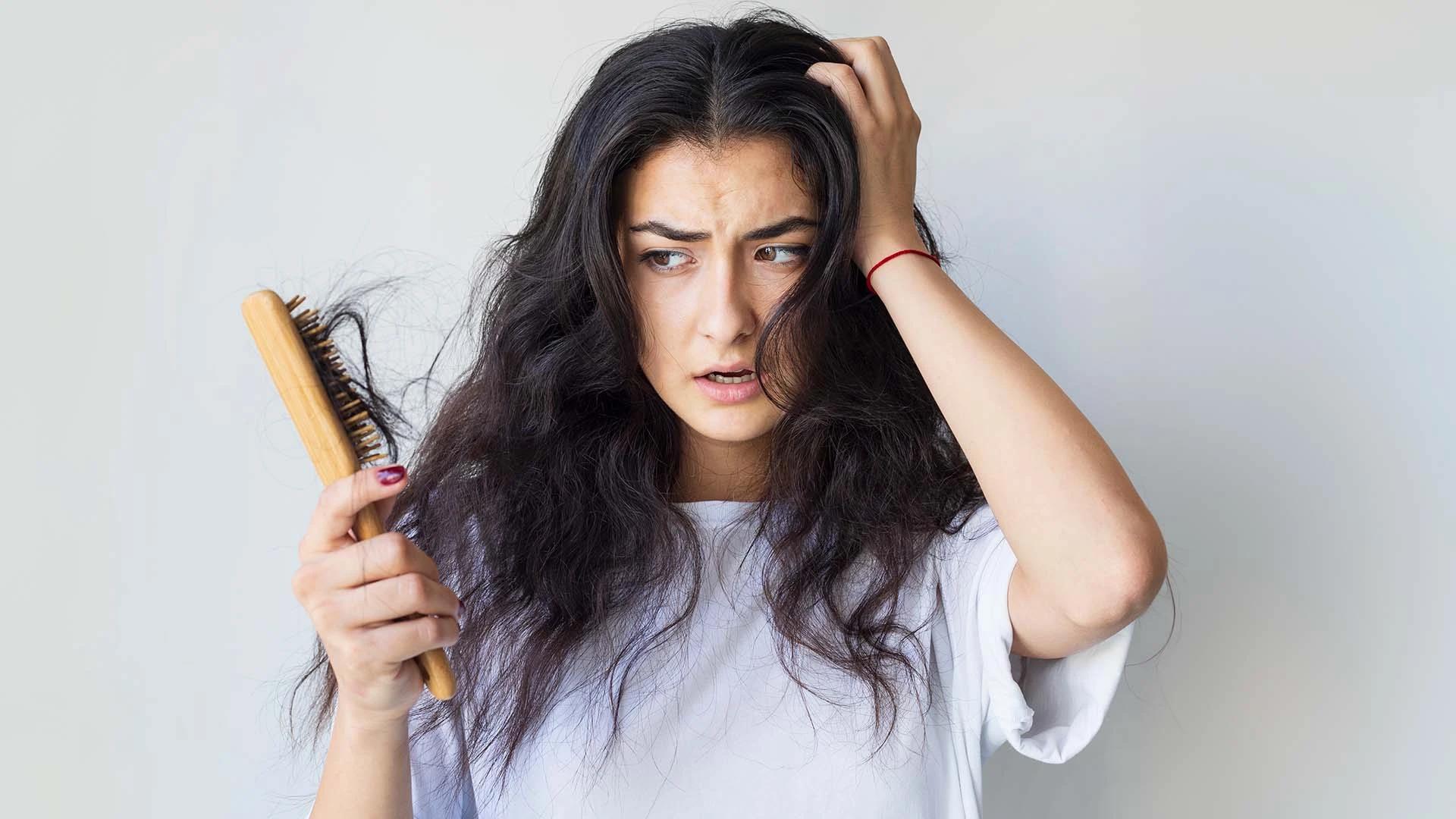
Picture this: you've spent ages perfecting your hair routine, your locks are looking absolutely gorgeous, and then you step outside into that thick, muggy air. Within minutes, your sleek blowout has transformed into a frizzy mess that seems to have a mind of its own. Sound familiar? You're definitely not alone in this humidity hair struggle. Whether it's monsoon season or just one of those sticky summer days, humidity can turn even the most well-behaved hair into an unruly disaster. The good news? Understanding why this happens and knowing the right tricks can help you keep your hair looking fab, no matter what the weather throws at you.
Let's get a bit science-y for a moment (but in a fun way, promise!). Your hair is basically made up of proteins held together by different types of bonds, including hydrogen bonds. When there's moisture in the air, these hydrogen bonds break and reform, causing your hair shaft to swell and change shape. Think of it like a sponge soaking up water – your hair literally absorbs moisture from the air around you.
Here's where it gets interesting: damaged or porous hair is way more susceptible to humidity because it has more gaps and cracks where moisture can sneak in. If you've been through the bleaching wars or love your heat styling tools a bit too much, your hair cuticles are probably more open, making them prime real estate for humidity to wreak havoc.
Different hair types react differently too. Fine hair tends to go limp and lose all its volume, whilst thick, coarse hair often puffs up like it's trying to escape your head. Curly hair can either lose its definition or turn into a frizzy cloud, and straight hair might develop weird kinks and waves in all the wrong places. Generally, when humidity levels hit around 70% or higher, that's when most people start noticing their hair acting up. During monsoon season or in coastal areas, this becomes a daily battle rather than an occasional annoyance.
Frizzy hair humidity is probably the most talked-about issue, and for good reason. When your hair absorbs moisture unevenly, some strands swell more than others, creating that chaotic, uncontrolled texture we all know and dread. It's like each strand is doing its own thing instead of working as a team.
But frizz isn't the only villain here. Hair damage humidity is a real thing too – it's called hygral fatigue. This happens when your hair repeatedly swells and contracts as it absorbs and releases moisture. Over time, this constant expansion and contraction weakens the hair structure, leading to breakage, split ends, and overall brittleness. Your hair basically gets tired from all that swelling and shrinking.
Then there's the limpness factor. If you've got fine hair, humidity can make it stick to your scalp like it's been glued there. All that moisture weighs your hair down, making it look flat and lifeless. On the flip side, your scalp might go into overdrive producing oil to compensate for what it thinks is dryness, leaving you with greasy roots and frizzy lengths – the worst of both worlds.
When humidity strikes and you need quick damage control, protective hairstyles are your best friend. Think sleek buns, low ponytails, or braids that keep your hair contained and looking intentional rather than chaotic. The key is working with your hair's natural tendency to expand rather than fighting against it.
Your drying technique matters more than you might think. Instead of roughly towel-drying (which just creates more frizz), gently squeeze excess water from your hair using a microfibre towel or even a cotton t-shirt. Pat, don't rub – your hair cuticles will thank you for the gentle treatment.
Anti frizz products become absolutely essential in humid weather. Apply leave-in treatments to damp hair, focusing on the mid-lengths and ends where damage is usually worst. Hair oils can create a protective barrier that helps repel moisture, but use them sparingly – you want protection, not greasiness. And here's a pro tip: avoid heat styling when humidity levels are high. Your hair is already dealing with enough moisture stress without adding heat damage to the mix.
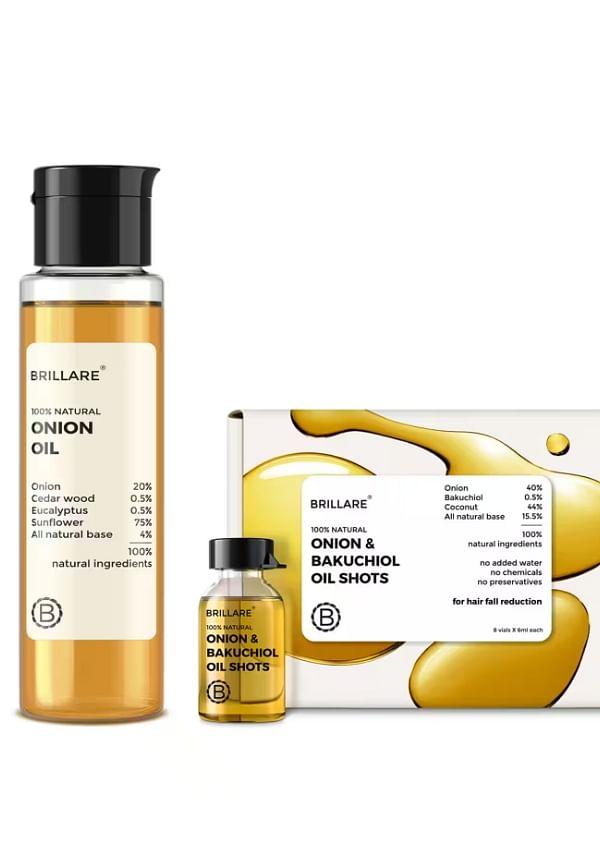
Hair & Scalp Treatment Duo for Dry, Frizzy & Hair Fall-Prone Hair
For emergency touch-ups throughout the day, keep a small amount of hair oil or anti-frizz serum in your bag. Just a tiny bit smoothed over problem areas can tame flyaways and restore some control to your style.
Dry hair humidity management is all about moisture balance. Sounds contradictory, right? But when your hair is properly moisturised from the inside, it's less likely to grab moisture from the air. Use deep conditioning treatments regularly and look for products with humectants like glycerin, which help your hair hold onto the right amount of moisture.
Oily hair humidity control requires a different approach. Your scalp is already producing excess oil, and humidity can make this worse. Use clarifying shampoos to remove buildup, but don't over-wash as this can trigger even more oil production. Dry shampoo becomes your secret weapon for absorbing excess oil and adding texture that helps your style hold up better.
Curly hair needs extra love in humid weather. The key is defining your curls when they're wet and then leaving them alone. Use curl-defining creams or gels that create a protective cast around each curl, helping maintain definition even when humidity tries to interfere. Avoid touching or scrunching your hair once it's dry – this just invites frizz back in.
Fine hair requires lightweight products that won't weigh it down. Look for volumising mousses or root lifts that can help counteract humidity's flattening effects. Sometimes, embracing a slightly tousled, textured look works better than fighting for perfect smoothness.
The right products can make all the difference in your humidity hair control strategy. Start with your shampoo and conditioner – look for formulas specifically designed for frizz control or humidity protection. These usually contain ingredients like silicones or natural oils that help seal the hair cuticle and create a barrier against moisture.
Leave-in treatments are non-negotiable in humid weather. They provide ongoing protection and can be reapplied throughout the day if needed. Serums and hair oils work brilliantly too, but the key is finding the right amount for your hair type. Start with less than you think you need – you can always add more.
Heat protectants with humidity shields are worth investing in if you can't give up your styling tools completely. These products create a protective barrier that helps your style last longer even in challenging weather conditions. Some even contain ingredients that actively repel moisture from the air.
Don't overlook styling products like mousses, gels, or creams that can help lock your style in place. The trick is finding products that provide hold without making your hair feel crunchy or unnatural. Natural alternatives like aloe vera gel or flaxseed gel can work well for those who prefer chemical-free options.
Summer haircare requires some strategic planning. Before the humid season hits, consider getting a trim to remove any damaged ends that might be more susceptible to humidity damage. Fresh, healthy ends will behave better in challenging weather conditions.
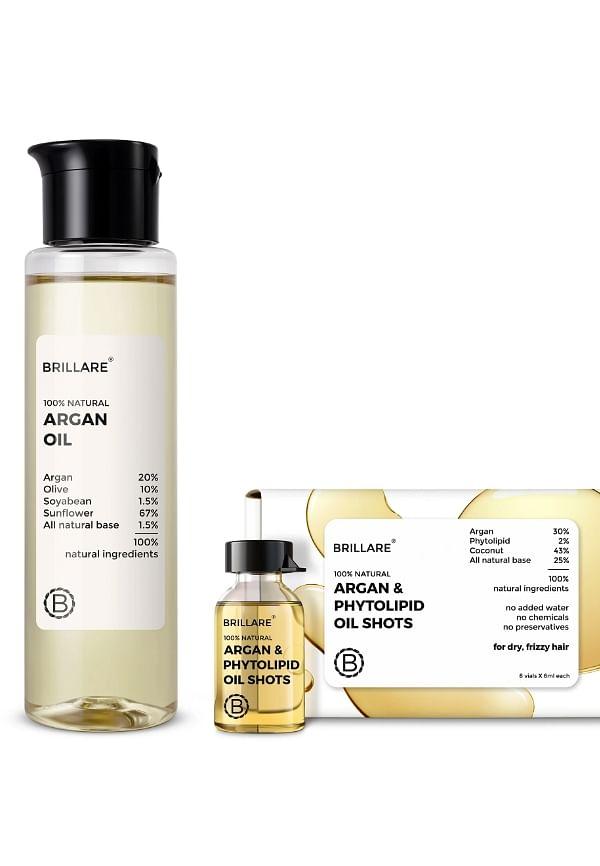
Hair Nourishing Duo for Dry & Frizzy Hair
Your daily routine might need some adjustments during humid months. This could mean washing your hair less frequently to avoid stripping natural oils, or switching to lighter products that won't weigh your hair down in the heat. Some people find that co-washing (using conditioner instead of shampoo) works better in humid weather.
If you're travelling to humid climates, pack accordingly. Bring extra hair ties, bobby pins, and styling products. Sometimes the best strategy is having backup styles ready that work with humidity rather than against it. Beach and pool days require extra protection – chlorine and salt water can make humidity damage even worse, so use leave-in treatments before swimming and rinse thoroughly afterwards.
Overnight care becomes crucial during humid weather. Silk or satin pillowcases can help reduce friction and frizz whilst you sleep. Some people swear by protective styles like loose braids or silk scarves to keep their hair contained overnight.
If you prefer natural solutions, there are plenty of DIY options for humidity protection. Coconut oil, argan oil, and jojoba oil all create natural barriers against moisture whilst nourishing your hair. The key is using just enough to protect without weighing your hair down.
Apple cider vinegar rinses can help seal the hair cuticle, making it less porous and therefore less susceptible to humidity. Mix one part vinegar with three parts water and use it as a final rinse after shampooing. Your hair might smell a bit vinegary at first, but this fades as it dries.
Aloe vera gel works as a natural styling product that provides light hold whilst moisturising your hair. It's particularly good for curly hair as it defines curls without the crunch that some commercial gels can create. Green tea rinses can also help strengthen hair and reduce frizz over time.
Don't forget that what you eat affects your hair health too. Foods rich in omega-3 fatty acids, biotin, and vitamins A and E can help strengthen your hair from the inside out, making it more resilient to environmental stressors like humidity.
Absolutely. Humidity can cause what's called hygral fatigue, where your hair repeatedly swells and contracts as it absorbs and releases moisture. This constant expansion and contraction weakens the hair structure over time, leading to breakage, split ends, and increased porosity. The damage is gradual but cumulative, which is why protecting your hair from humidity is so important for long-term hair health.
Yes, 70% humidity is generally considered the threshold where most people start experiencing noticeable hair problems. At this level and above, there's enough moisture in the air to significantly affect your hair's structure and behaviour. However, the exact impact depends on your hair type, condition, and the products you use. Some people with very damaged or porous hair might notice effects at lower humidity levels.
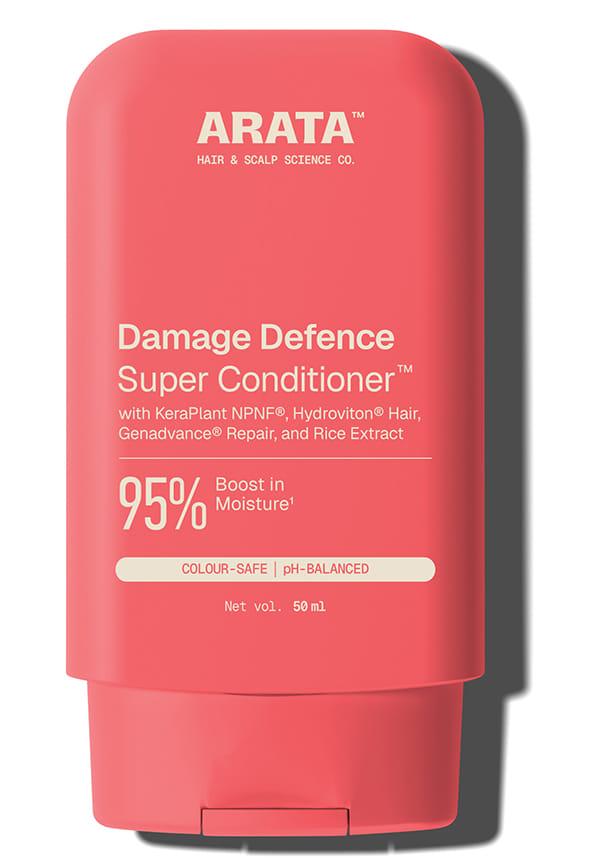
Super Conditioner | With Vegan Keratin & Rice Water | Helps Repair Damaged Hair | Boosts Moisture & Softness| Makes Hair Smooth & Shiny | Hair Condit
Humid weather can increase hair fall because the constant swelling and contracting weakens hair strands. To minimise this, use strengthening treatments with proteins, avoid excessive heat styling, and be gentle when detangling wet hair. Deep conditioning treatments can help maintain hair elasticity, and protective styles can reduce manipulation and breakage. If hair fall seems excessive, it's worth consulting a dermatologist as humidity might be exacerbating an underlying condition.
Humidity affects hair in several ways: it causes frizz by making hair strands swell unevenly, reduces volume in fine hair by weighing it down, can make oily scalps produce more sebum, and over time can lead to hygral fatigue and structural damage. Curly hair often loses definition, whilst straight hair might develop unwanted waves or kinks. The severity depends on your hair's porosity, damage level, and natural texture.
To some extent, yes. People who live in consistently humid climates often develop routines and use products that work better for their environment. Your hair doesn't physically adapt, but you learn what works and what doesn't. However, sudden changes in humidity (like travelling from a dry to humid climate) will still affect your hair until you adjust your routine accordingly.
Humidity doesn't directly cause hair to fall out, but it can exacerbate existing issues. The swelling and contracting of hair shafts can weaken already fragile strands, making them more likely to break. Additionally, humid weather often means more sweating, which can clog hair follicles and irritate the scalp. If you notice sudden, significant hair fall, it's best to consult a healthcare professional as this could indicate an underlying condition.
You can't change your hair's fundamental structure, but you can definitely improve its resilience through consistent care. Regular deep conditioning, protein treatments, and using the right products can make your hair stronger and less reactive to humidity. Building a routine that works for your hair type and sticking with it will give you the best results over time.
This depends on the extent of the damage and your hair's growth rate. Surface improvements from better products and routines can be seen within a few weeks. However, if your hair has significant hygral fatigue or damage, it might take several months of consistent care to see substantial improvement. Remember, hair grows about half an inch per month, so completely replacing damaged hair with healthy growth takes time.
Dealing with hair problems in humidity doesn't have to be a losing battle. Understanding why humidity affects your hair the way it does is the first step towards finding solutions that actually work. Whether you're dealing with frizzy hair humidity issues, trying to maintain volume in fine hair, or protecting curls from losing their definition, the key is working with your hair's natural tendencies rather than against them.
Remember, what works for your friend might not work for you – hair is incredibly individual, and finding your perfect humidity-fighting routine might take some experimentation. Start with the basics: gentle handling, appropriate moisture levels, and protective products. From there, you can fine-tune your approach based on what your hair responds to best.
The beauty industry has come a long way in understanding humidity's effects on hair, and there are more effective products available now than ever before. From Smytten's curated selection of premium haircare brands, you'll find everything from humidity-blocking shampoos to leave-in treatments specifically designed for Indian weather conditions. The platform's trial packs let you test different formulations without committing to full-size products – particularly helpful when you're trying to find your perfect humidity-fighting arsenal. With cashback on trial purchases and delivery across India, discovering your ideal haircare routine has never been more accessible or affordable.
