Hair Problems Humidity Causes FAQ: Your Questions Answered

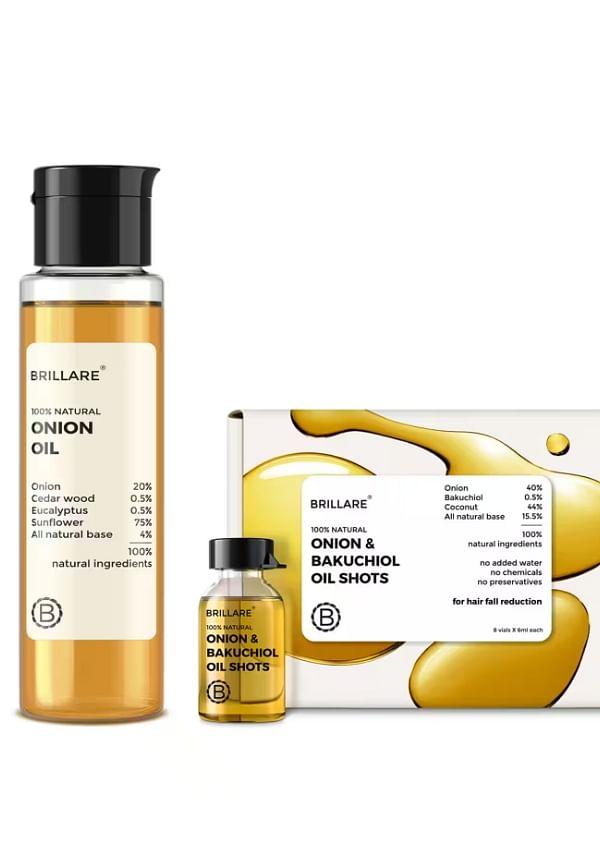
Hair & Scalp Treatment Duo for Dry, Frizzy & Hair Fall-Prone Hair
Great Products
 5
5“awesome as always...we are very satisfied with ur products”
Effective Hair Fall Control
5“nice products for useing hair fall control”
Amazing Hair Oil
5“This hair oil is a gem in market, I applied a lot of hair oils but It's really the best one”
You know that feeling when you step outside on a humid day and your hair instantly transforms into something unrecognisable? One minute you're feeling confident with your perfectly styled hair, the next you're dealing with frizz that seems to have a mind of its own. If you've ever wondered why humidity wreaks such havoc on your hair or how to actually fight back, you're definitely not alone. Let's dive into the most common questions about hair problems humidity causes and find some real solutions that actually work.
Real talk—humidity doesn't just make your hair look a bit messy. It actually changes your hair's structure at a molecular level, which explains why the effects can be so dramatic and frustrating.
The biggest culprit is frizz, but that's just the tip of the iceberg. When humidity levels rise, your hair shaft starts absorbing moisture from the air, causing it to swell. This swelling pushes the hair cuticles apart, creating that rough, frizzy texture that's impossible to smooth down with just your hands.
Hair damage humidity causes goes beyond just appearance issues. The constant swelling and contracting of your hair shaft can lead to increased breakage and split ends over time. Your hair becomes more fragile because the cuticle layer—your hair's protective barrier—gets compromised.
Then there's the scalp situation. Humidity can throw off your scalp's natural oil production, leaving some people with greasy roots while others experience dryness and irritation. Your carefully crafted hairstyle loses all definition, and products that usually work perfectly suddenly seem useless.
The molecular bonds in your hair also get disrupted. Hydrogen bonds, which help maintain your hair's shape, break and reform based on the moisture in the air. This is why your naturally straight hair might develop waves in humidity, or why your curls lose their bounce and become undefined.
Understanding the science behind hair damage humidity causes can help you choose better protection strategies. When the air around you contains high levels of water vapour, your hair acts like a sponge, absorbing that moisture and expanding.
Here's what happens: your hair shaft contains proteins and moisture in a delicate balance. When humidity levels spike—especially above 70%—your hair starts pulling moisture from the environment. This causes the hair shaft to swell, pushing apart the overlapping cuticle scales that normally lie flat against your hair.
Think of your hair cuticles like roof tiles. When they're lying flat and smooth, your hair looks shiny and feels soft. But when humidity causes them to lift and separate, light bounces off them differently, making your hair look dull and feel rough.
Damaged hair is particularly vulnerable because it already has gaps and weaknesses in the cuticle layer. These compromised areas absorb moisture even more readily, which is why chemically treated, heat-damaged, or over-processed hair tends to react more dramatically to humid conditions.
The seasonal aspect matters too. Your hair adapts somewhat to consistent humidity levels, but sudden changes—like moving from air conditioning to outdoor humidity—create the most dramatic reactions. This constant expansion and contraction weakens your hair's structure over time, leading to cumulative damage that becomes harder to reverse.
Fighting frizzy hair humidity doesn't have to be a losing battle. The key is working with your hair's natural tendencies rather than against them, plus getting your timing right with products and techniques.
Prevention starts before you even step outside. Apply your anti frizz products to damp hair, not dry hair. This creates a protective barrier that helps block excess moisture from penetrating your hair shaft. Look for products with silicones or natural oils that can form this protective layer.
Your styling approach needs to change too. Instead of fighting your hair's natural texture, try enhancing it. If humidity makes your straight hair wavy, work with those waves using scrunching techniques and curl-enhancing products. If your curls become frizzy, focus on definition rather than trying to straighten them.
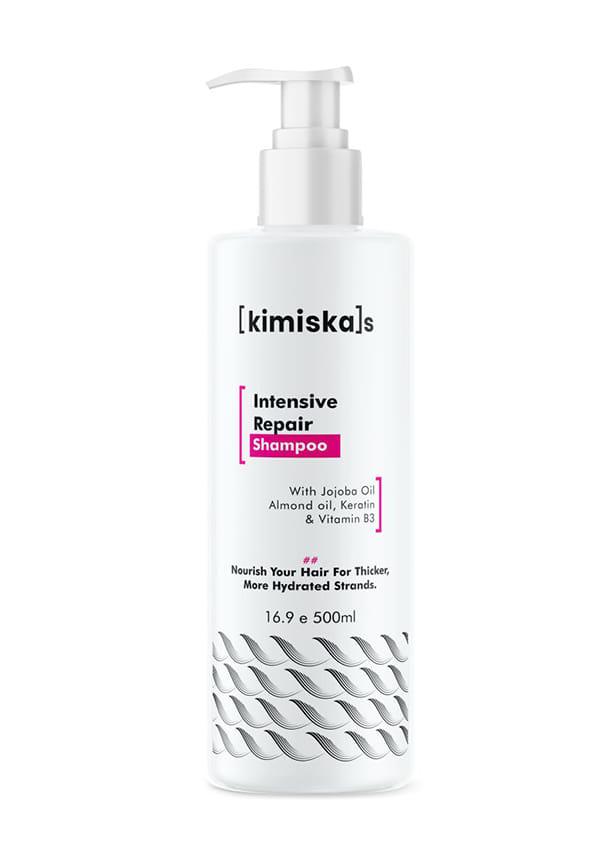
Intensive Hair Repair Shampoo for Dry and Frizzy Hair
Protective styling becomes your best friend during humid weather. Updos, braids, and ponytails aren't just convenient—they actually protect your hair length from environmental moisture. The key is to style your hair when it's slightly damp and use products that provide hold without stiffness.
For emergency situations, keep a small bottle of diluted leave-in conditioner in your bag. Mix one part conditioner with three parts water in a spray bottle. A light mist can help reset your hair's moisture balance and smooth down unexpected frizz.
Hair hydration plays a crucial role too. Well-moisturised hair is less likely to absorb excess moisture from the air because it's already balanced. Deep conditioning treatments once a week can help maintain this balance and reduce your hair's reactivity to humidity.
Not all humidity hair products are created equal, and understanding which ingredients actually work can save you from wasting money on products that promise the world but deliver disappointment.
Silicones get a bad reputation, but they're actually brilliant for humidity protection. Look for dimethicone, cyclopentasiloxane, or amodimethicone on ingredient lists. These create a lightweight barrier that prevents moisture from penetrating your hair while still allowing your hair to breathe.
Natural oils work differently but can be equally effective. Argan oil, coconut oil, and jojoba oil penetrate the hair shaft to provide moisture from within, reducing your hair's need to absorb moisture from the environment. The trick is using the right amount—too little won't provide protection, too much will weigh your hair down.
Proteins are essential for humidity-damaged hair. Hydrolysed proteins like keratin, silk protein, or wheat protein can temporarily fill in gaps in damaged cuticles, creating a smoother surface that's less reactive to humidity changes.
When it comes to application, layering is everything. Start with a leave-in conditioner on damp hair, follow with a heat protectant if you're styling, then finish with a humidity-blocking serum or cream. Each layer serves a different purpose in your humidity defence strategy.
Avoid products with high amounts of glycerin in humid weather. While glycerin is a great humectant in dry conditions, it can actually pull moisture from the air into your hair when humidity is high, making frizz worse rather than better.
Your summer haircare routine needs to be tailored to your specific hair type because dry hair humidity and oily hair humidity create completely different challenges that require opposite approaches.
For dry hair in humidity, the goal is maintaining moisture balance without overloading your strands. Use a hydrating shampoo only 2-3 times per week, and always follow with a moisturising conditioner. Leave-in treatments become non-negotiable—apply them to damp hair and focus on the mid-lengths and ends where dryness is typically most severe.
Oily hair humidity presents a different puzzle. Your scalp might produce more oil in response to humidity, but over-washing can actually make the problem worse by stripping your scalp and triggering even more oil production. Use a clarifying shampoo once a week, and on other days, try co-washing or using a gentle, sulfate-free formula.
Fine hair loses volume quickly in humid conditions because the weight of absorbed moisture pulls it down. Focus on lightweight products and root-lifting techniques. Dry shampoo becomes your secret weapon—use it preventatively on clean hair to absorb excess moisture before it becomes a problem.
Thick or coarse hair often becomes unmanageable and puffy in humidity. Heavy creams and oils work well for this hair type because they can handle the weight while providing the moisture barrier needed for smoothness. Don't be afraid to use more product than you would in dry weather.
Curly hair needs definition maintenance above all else. Humidity can turn beautiful curls into undefined frizz, so focus on products that enhance your natural curl pattern while providing hold. Gel-cream combinations often work better than single products for maintaining definition in humid weather.
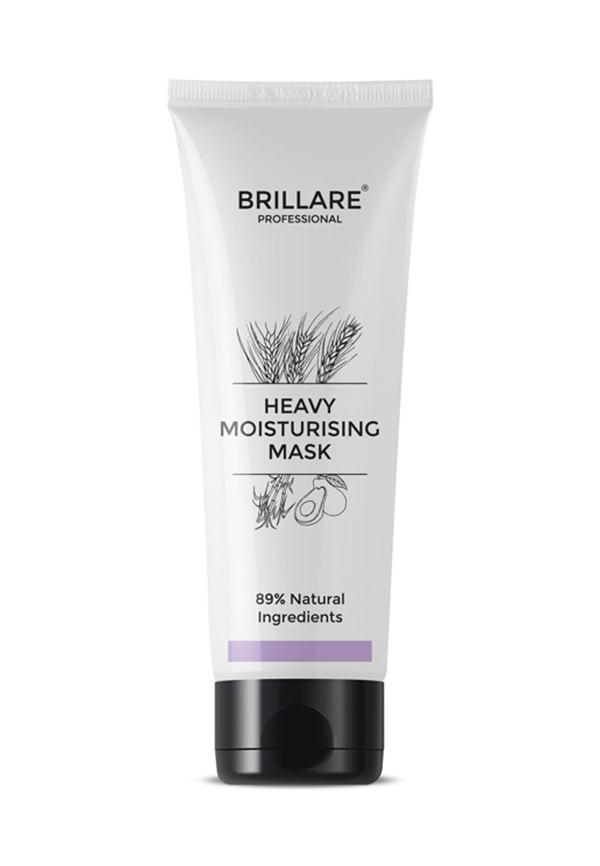
Conditioner For Dry, Frizzy Hair
Best Conditioner Ever
4“best conditioner i have ever used”
Great for Dry Hair
5“very good moisturizer for dry hair”
Great for dry scalp and shiny hair
5“I love it ...it moistures my dry scalp ..give a shining and smooth look to my hair.”
Hair fall in humid weather often increases because the constant moisture changes weaken your hair shaft and put extra stress on your follicles. Natural solutions can help strengthen your hair from the inside out while providing external protection.
Scalp health becomes even more important in humid conditions. The combination of sweat, humidity, and product buildup can clog follicles and create an environment where hair fall increases. Use a gentle scalp scrub once a week to remove buildup, and consider incorporating tea tree oil or peppermint oil into your routine for their antifungal and circulation-boosting properties.
Natural protective treatments work brilliantly for humidity resistance. A weekly coconut oil mask can penetrate your hair shaft and provide lasting moisture, reducing your hair's tendency to absorb environmental moisture. Aloe vera gel mixed with a few drops of essential oil creates a lightweight protective coating that doesn't weigh hair down.
Your drying technique matters more than you might think. Never rub your hair with a towel—this creates friction that damages the cuticle and makes humidity problems worse. Instead, gently squeeze excess water out with a microfibre towel or cotton t-shirt, then allow your hair to air dry as much as possible.
Diet plays a supporting role in humidity resistance. Foods rich in omega-3 fatty acids, biotin, and vitamin D help strengthen your hair from within, making it less susceptible to environmental damage. Consider adding walnuts, salmon, eggs, and leafy greens to your regular meals.
Overnight protection strategies can prevent morning disasters. Sleep on a silk or satin pillowcase to reduce friction, and consider loosely braiding your hair or using a silk scarf to protect it while you sleep. This prevents the tangling and breakage that often occurs when humid air meets tossing and turning.
Deciding between professional treatments and DIY humidity hair solutions often comes down to the severity of your hair's reaction to humidity and your budget for haircare maintenance.
Professional treatments like keratin smoothing or protein treatments can provide longer-lasting humidity resistance, typically lasting 3-6 months. These treatments work by temporarily filling in the gaps in your hair cuticle and creating a smoother surface that's less reactive to moisture changes. However, they require significant time and financial investment.
Salon-quality products often contain higher concentrations of active ingredients than drugstore alternatives, which can make them more effective for severe humidity issues. Professional stylists can also assess your specific hair type and damage level to recommend the most effective approach.
DIY solutions offer flexibility and cost-effectiveness that many people prefer. Homemade hair masks using ingredients like avocado, honey, and olive oil can provide significant moisture and protection when used consistently. The key is understanding that DIY treatments require more frequent application but offer the advantage of being completely customisable to your hair's changing needs.
A combination approach often works best. You might invest in a professional treatment at the beginning of humid season, then maintain the results with high-quality at-home products and DIY treatments. This gives you the best of both worlds without breaking the budget.
Consider your lifestyle too. If you travel frequently or have an unpredictable schedule, professional treatments that provide consistent results might be worth the investment. If you enjoy experimenting with products and have time for regular hair maintenance, DIY solutions can be equally effective.
Moderate humidity can actually benefit hair growth by providing environmental moisture that prevents excessive dryness. However, high humidity levels above 70% can cause more harm than good by leading to fungal growth on the scalp and weakening hair strands through constant swelling and contracting. The optimal humidity level for hair health is around 40-60%, which provides enough moisture without causing damage.
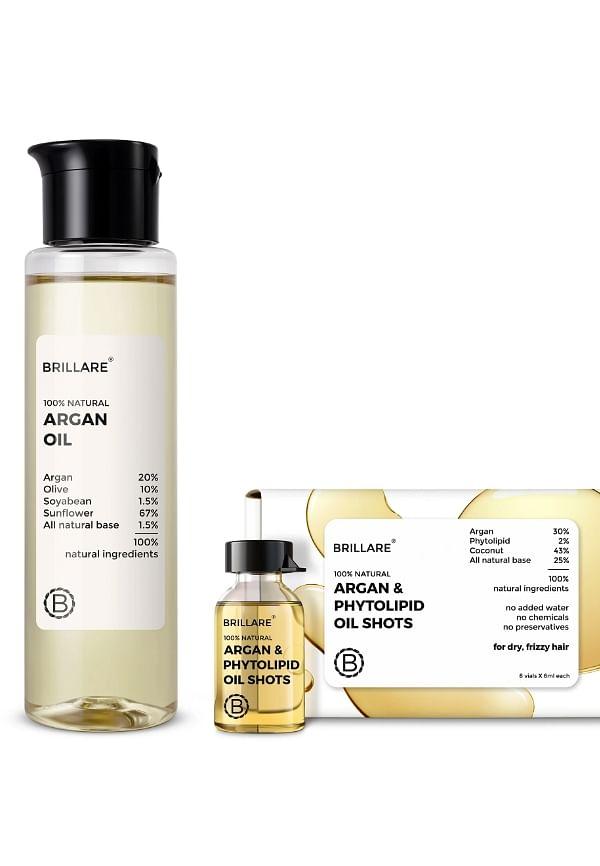
Hair Nourishing Duo for Dry & Frizzy Hair
Positive Product Review
5“good product nice packing great”
Most humidity-related hair damage is reversible with proper care and treatment. However, repeated exposure to high humidity without protection can lead to cumulative damage that becomes harder to repair over time. The constant swelling and contracting of hair strands can create permanent weaknesses in the hair shaft, particularly in already damaged or chemically treated hair. Prevention through proper products and techniques is always better than trying to repair damage after it occurs.
Several vitamin deficiencies can make hair more susceptible to humidity-related frizz. Biotin deficiency affects hair structure and strength, making strands more porous and reactive to moisture changes. Low vitamin D levels can impact hair follicle health and overall hair quality. Iron deficiency often leads to weak, brittle hair that's more prone to damage from environmental factors. Omega-3 fatty acid deficiency affects hair's natural moisture balance, making it more likely to absorb excess moisture from humid air.
Yes, 70% humidity is generally considered the threshold where most hair types start experiencing significant problems. At this level, hair begins absorbing substantial amounts of moisture from the air, leading to swelling, frizz, and loss of style. However, the impact varies based on your hair's current condition, porosity level, and the products you use. Well-moisturised, healthy hair with proper protection can handle higher humidity levels better than damaged or dry hair.
Overnight protection starts with your evening routine. Apply a leave-in treatment to slightly damp hair before bed, focusing on the ends. Sleep on a silk or satin pillowcase to reduce friction and moisture absorption. Consider loosely braiding your hair or using a silk scarf to create a barrier between your hair and humid air. If your bedroom tends to be humid, use a dehumidifier or air conditioning to control the environment. In the morning, avoid brushing dry hair—instead, lightly mist with water and product before gently detangling.
Humidity can trigger increased oil production from your scalp as it tries to balance the excess moisture in the environment. Additionally, humid air can make existing oils spread more easily through your hair, creating the appearance of greasiness even when oil production hasn't actually increased. Sweat and product buildup also become more noticeable in humid conditions, contributing to that greasy feeling.
While regular conditioner can provide some humidity protection when diluted and used sparingly, it's not formulated for leave-in use and may weigh your hair down or cause buildup. Leave-in treatments are specifically designed with lighter formulations and humidity-blocking ingredients. If you want to use regular conditioner, dilute it significantly with water and test on a small section first.
Managing hair problems humidity causes doesn't have to be an endless struggle once you understand what's actually happening to your hair and how to work with it rather than against it. The key is building a routine that addresses your specific hair type's needs while providing consistent protection from environmental moisture.
Remember that humidity affects everyone differently, so what works for your friend might not work for you. Pay attention to how your hair responds to different products and techniques, and don't be afraid to adjust your routine based on the weather forecast.
Consistency matters more than perfection. A simple routine that you follow regularly will give you better results than an elaborate system you only use occasionally. Focus on the basics: proper cleansing, adequate moisture, and protective styling.
If you're still figuring out which products work best for your hair in humid conditions, exploring trial-size options can save you from investing in full-size products that might not suit your needs. Smytten offers trial-size versions of many humidity-fighting haircare products—a practical way to test different formulations before committing to larger bottles.
