Hair Porosity: How It Decides Which Products Actually Work for You
-f4ef13c1-b890-473e-afbf-e44e1d560969.webp&w=3840&q=75)

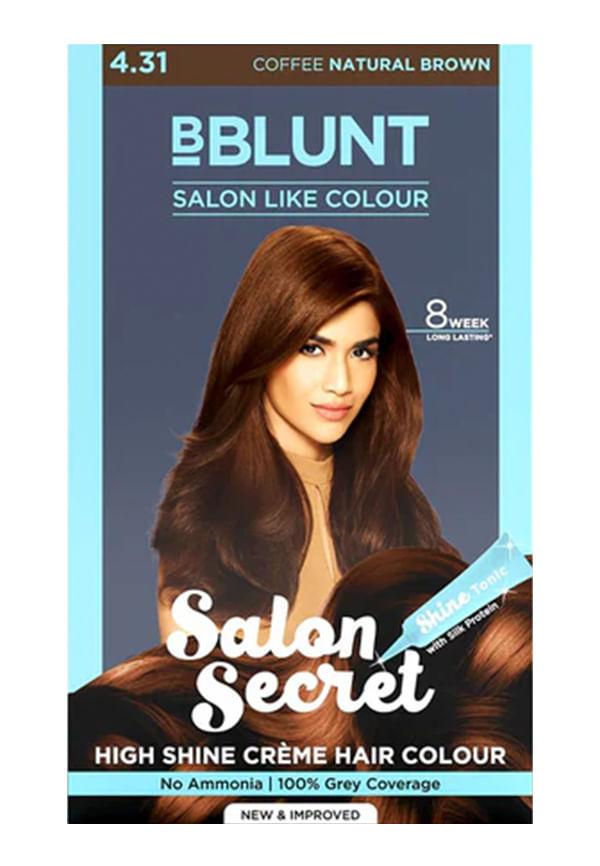
Salon Secret High Shine Conditioning Hair Colour
We've all stood in front of a shelf of serums, creams and oils with no clue which one our hair needs. Here's what nobody tells you: the right products aren't decided by whether your hair is curly or straight, they're decided by your hair's porosity, which is simply how well your hair absorbs and holds moisture. Find yours, and the whole shelf finally makes sense.
Your hair porosity decides how heavy your products should be and what order to apply them. Low porosity hair needs lightweight products and gentle warmth to help them absorb. High porosity hair needs richer creams plus an oil on top to seal moisture in. Whatever your type, always layer products from lightest to heaviest so each one can do its job.
Hair porosity is how easily your hair takes in and holds onto moisture. It comes down to the cuticle, the outer layer of each strand.
If the cuticle lies flat and tight, moisture struggles to get in, and heavy products sit on top and turn greasy. That's low porosity.
If the cuticle is raised or has gaps, moisture floods in and leaks straight back out, so light products vanish and hair feels dry. That's high porosity.
This is why two people with identical curls can need opposite products, and why your friend's holy-grail cream did nothing for you.
The fastest way to find your porosity is the water test, and it takes two minutes.
Take a clean, dry strand from your hairbrush.
Drop it into a glass of water.
Wait two to three minutes and watch what it does.
What your result means:
Floats on top: low porosity
Sinks slowly / hovers in the middle: medium porosity
Sinks fast: high porosity
No glass handy? Go by behaviour. Hair that takes ages to get wet and dry is usually low porosity. Hair that soaks and dries fast is usually high porosity.
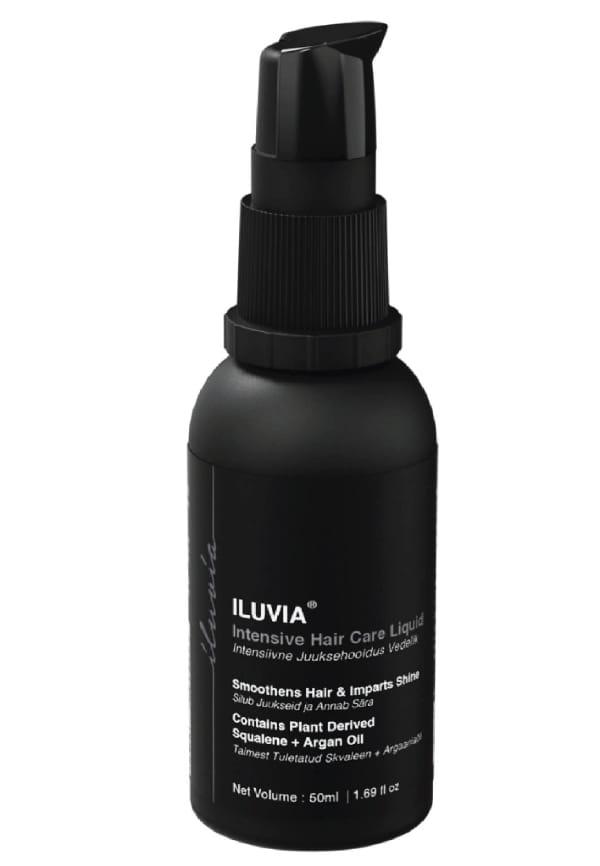
Intensive Haircare Serum | Softer, shiny, bouncier hair + Heat Protection
Whatever your porosity, always layer products from thinnest to thickest: water-based leave-in first, cream next, oil last. The leave-in delivers moisture, the cream softens, and the oil seals it all in. Do it backwards and the oil blocks moisture from ever getting in. Honestly, just fixing your order solves half of all "my products don't work" complaints.
Low porosity hair struggles to absorb moisture, so keep everything light and easy to soak in.
Lightweight, water-based leave-ins and milks
Humectants like glycerin that draw moisture in
Light oils that absorb easily, not heavy butters
A little warmth (warm damp hair, or a shower cap for a few minutes) to help products sink in
Go easy on protein, which overloads low porosity hair fast
You've got it right when your hair feels soft and light, never coated or weighed down.
High porosity hair grabs moisture but loses it fast, so the goal is sealing it in.
A hydrating leave-in to add moisture first
A richer cream or butter to soften (yours loves heavier products)
A sealing oil on top to lock everything in
A protein or bond treatment every couple of weeks to fill cuticle gaps
A sealing cream or serum in humidity to stop frizz
You've got it right when your hair stays soft for hours instead of drying out within the hour.
Medium porosity is the easy middle ground, and most products just work.
A simple leave-in plus a light cream or oil is usually enough
Add a bit more if hair feels dry, pull back if it feels greasy
An occasional light protein treatment keeps things balanced
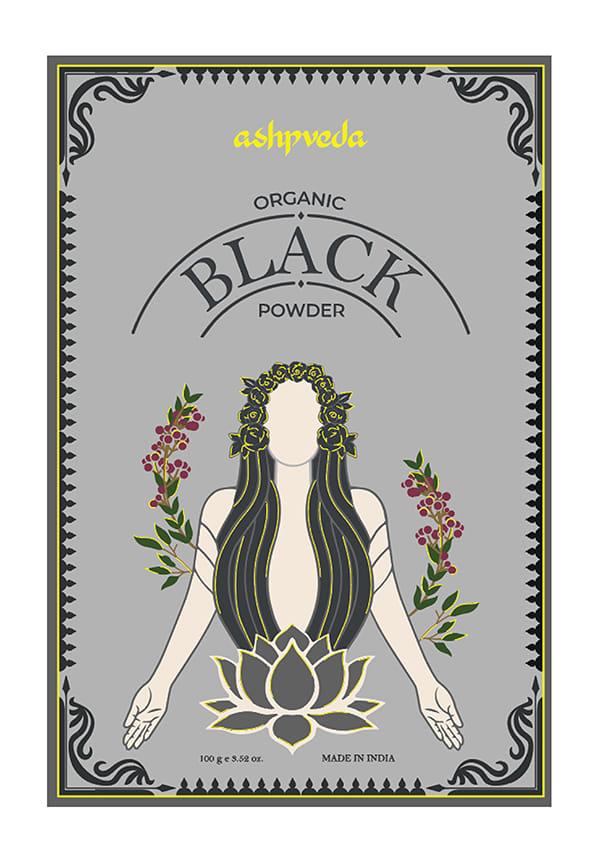
Organic Hair Colour Indigo Powder Ammonia & PPD Free Long Lasting Hair Color for a Stronger Scalp, Silkier and Shining Hair | Chemical Free Hair Colo
LOC and LCO are just easy reminders for the order you layer products in.
LOC = Liquid, then Oil, then Cream
LCO = Liquid, then Cream, then Oil
The "liquid" is water or a water-based leave-in, and it always goes first
High porosity hair usually does best with LOC, or anything finishing with an oil, because the oil seals the open cuticle. Low porosity hair prefers lighter layering with minimal oil, since too much just sits on top. It's not strict, so try both on different wash days and keep whichever feels best.
Your hair will tell you quickly:
Greasy, flat or coated soon after styling? Your products are too heavy, which usually means you're low porosity using rich creams.
Dry, rough and frizzy no matter how much you apply? Your moisture is escaping, which usually means you're high porosity and skipping the seal.
Soft and balanced? You've matched your products to your porosity. Keep going.
Humidity: high porosity hair frizzes more, so seal harder; low porosity hair goes limp, so stay extra light.
Hard water: a gentle clarifying wash every couple of weeks stops mineral buildup from blocking your products, whatever your porosity.
Matching products to your porosity genuinely makes your routine work far better, often without buying anything new. What it can't do is change your porosity, or fix damage and split ends, which need gentler habits and a trim. Think of it as getting the most out of your products, not a cure for damaged hair.
How do I quickly find my hair porosity?
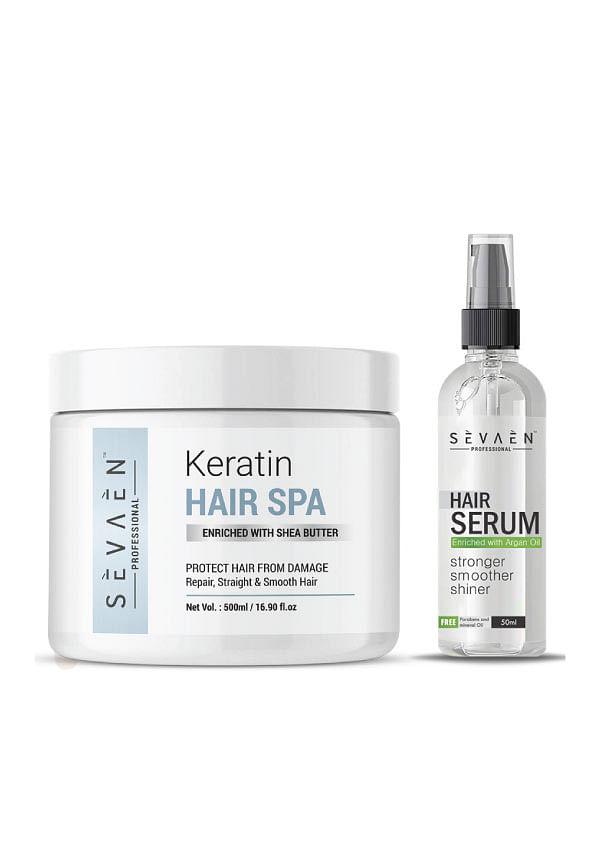
Keratin Hair Spa Cream And Hair Serum For Hair Dry&Damage repair And strengthening&Smoothing Hair With Deep Conditioning Treatment
Drop a clean strand in water and wait a couple of minutes. Floats means low porosity, sinks fast means high porosity, hovers means medium. How quickly your hair gets wet and dries is another easy clue.
What order should I apply my hair products?
Lightest to heaviest: water-based leave-in first, then cream, then oil to seal. Putting oil on first blocks moisture from getting in.
Should I apply oil or cream first?
Cream before oil, almost always. The cream brings moisture and softness, and the oil goes last to lock it in. Oil first just coats the hair and keeps everything else out.
How do I find products that actually suit my porosity?
There's a bit of trial and error, since the right weight of product is personal. The easiest fix is to try before you buy. On Smytten you can try leave-ins, creams and oils as minis first, so you can see what your hair absorbs and holds before paying for full sizes.
Why do the same products work for my friend but not me?
Almost always different porosity. The cream that softens her porous hair can leave your low porosity hair greasy and flat. Shop for your own hair, not someone else's results.
Can I use the same products all year round?
Mostly, just tweak the amounts with the weather: lighter in humid months if you're low porosity, more sealing if you're high porosity.
Are pricier products better for my hair?
Not really. Fit matters far more than price, and an expensive product that's wrong for your porosity is wasted money. Trying a few as minis or trial packs on Smytten before committing is the easiest way to find what genuinely suits you.
Here's the freeing part: you probably don't need more products, you just need the right ones used in the right order. Once you know your porosity, that overwhelming shelf stops being scary. Low porosity wants light products and a little warmth, high porosity wants richer ones and a good seal, and everyone should layer lightest to heaviest.
So do the water test, match your products to what you find, and apply them in order. The only guesswork left is which exact products your hair falls for, and that's where trying helps. On Smytten you can try leave-ins, creams and oils as minis or trials first, so you can find your match without gambling on full-size bottles. Get this right, and your hair finally does what all those labels promised.
