Hair Oil for Scalp FAQ: Your Questions Answered

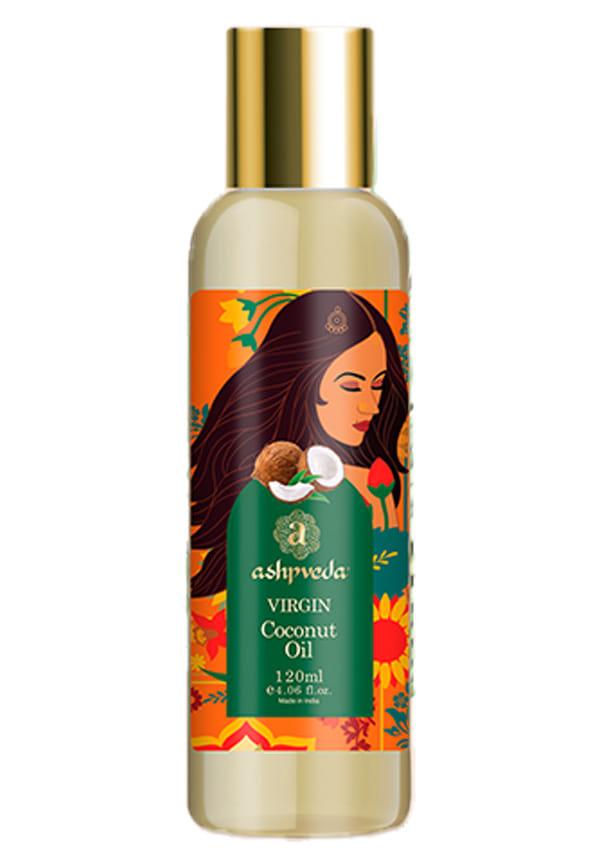
Organic Cold Pressed Virgin Coconut Oil for Hair and Skin | Ayurvedic Herb Enriched Fragrance Oil, Enhancing Scalp Health and Promotes Skin Firmness
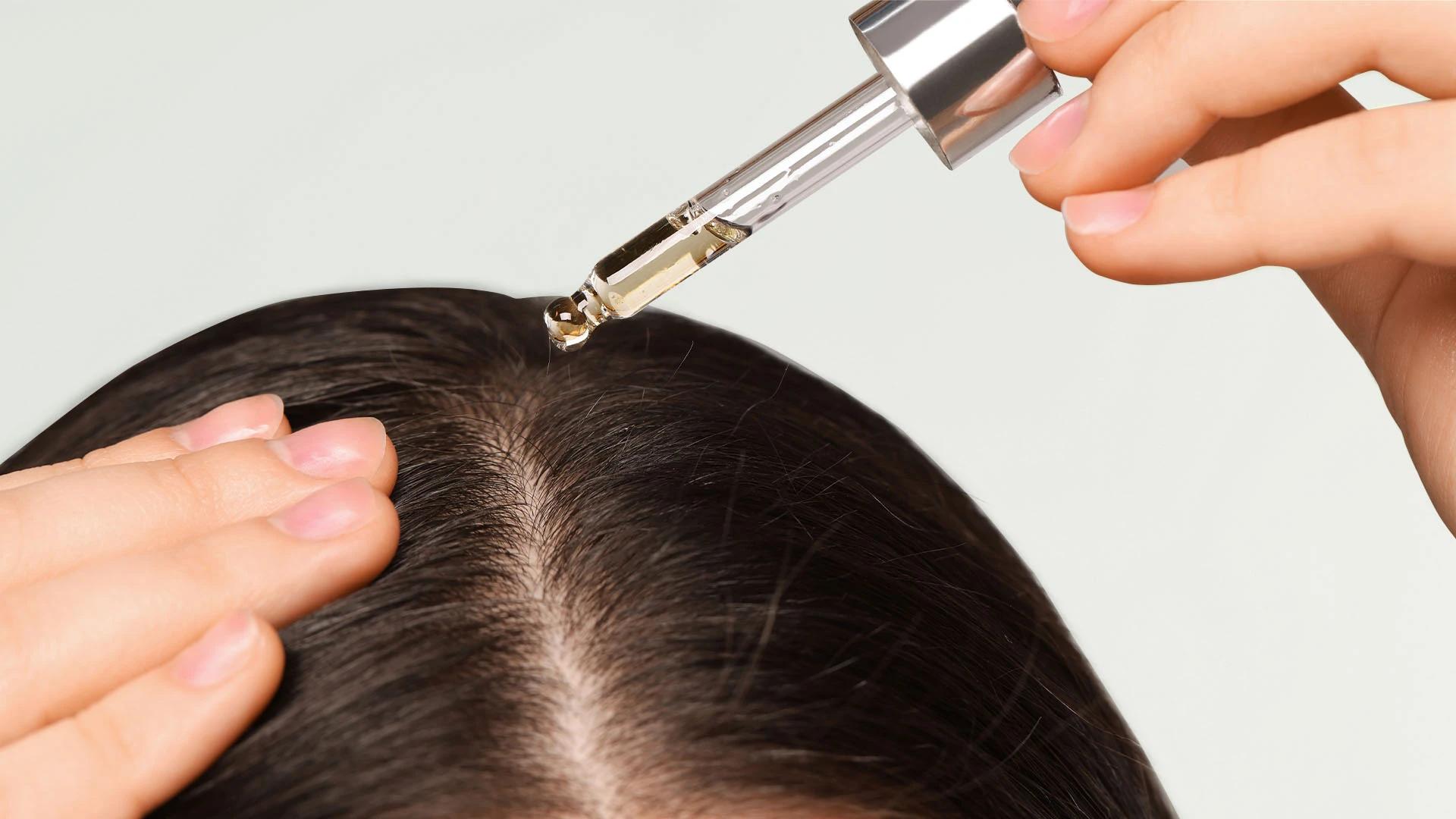
You know that moment when your scalp feels like it's staging a rebellion? Maybe it's the constant itch that makes you want to scratch in the middle of important meetings, or that tight, dry feeling that no amount of regular shampoo seems to fix. If you've been there (and let's be real, most of us have), you've probably wondered if hair oil could be the answer. The thing is, scalp care isn't just about what sits on top of your head—it's about creating the right environment for healthy hair to actually grow. And that's where the right hair oil for scalp care comes in, working its magic from the roots up.
Think of your scalp as the soil for your hair garden. Just like plants need good soil to thrive, your hair needs a healthy scalp to grow strong and beautiful. Hair oil for scalp isn't just about making your hair shiny—it's about treating the foundation where everything starts.
Here's the thing that might surprise you: there's actually a difference between hair oil and scalp oil applications. When you're focusing on scalp care, you're targeting the skin itself—moisturising it, balancing its natural oils, and creating the right conditions for hair follicles to do their job. Regular hair oil might coat your strands, but scalp oil goes deeper, working on the actual skin and follicles.
Your scalp health directly impacts how your hair grows. When your scalp is dry, inflamed, or dealing with issues like dandruff, it can't support healthy hair growth. The hair follicles get stressed, and you might notice more hair fall, slower growth, or just generally lacklustre locks. Scalp oil treatments help by providing essential nutrients, improving blood circulation, and creating a protective barrier against environmental damage.
Common scalp issues that benefit from oil treatments include dryness, itchiness, flakiness, excess oil production (yes, even oily scalps can benefit from the right oils), and general sensitivity. The science behind it is pretty straightforward—certain oils can penetrate the scalp tissue, delivering moisture and nutrients directly where they're needed most.
Not all scalp issues are created equal, and neither are the oils that treat them. Finding the right match for your specific concerns can make all the difference between a treatment that works and one that just sits on your head doing nothing.
If your scalp feels tight and flaky, you need oils that can deeply moisturise without clogging pores. Coconut oil is brilliant for this—it's got antimicrobial properties and can actually penetrate the hair shaft better than most oils. Jojoba oil is another winner because it mimics your scalp's natural sebum, making it perfect for moisture retention without feeling greasy. Argan oil brings serious hydration to the table with its vitamin E content, making it ideal for really parched scalps.
When your scalp won't stop itching, you need oils with soothing and anti-inflammatory properties. Tea tree oil is your best friend here—just a few drops mixed with a carrier oil can calm irritation and fight any underlying fungal issues. Peppermint oil gives that cooling sensation that provides instant relief, while lavender oil works as a gentle anti-inflammatory that won't irritate sensitive skin further.
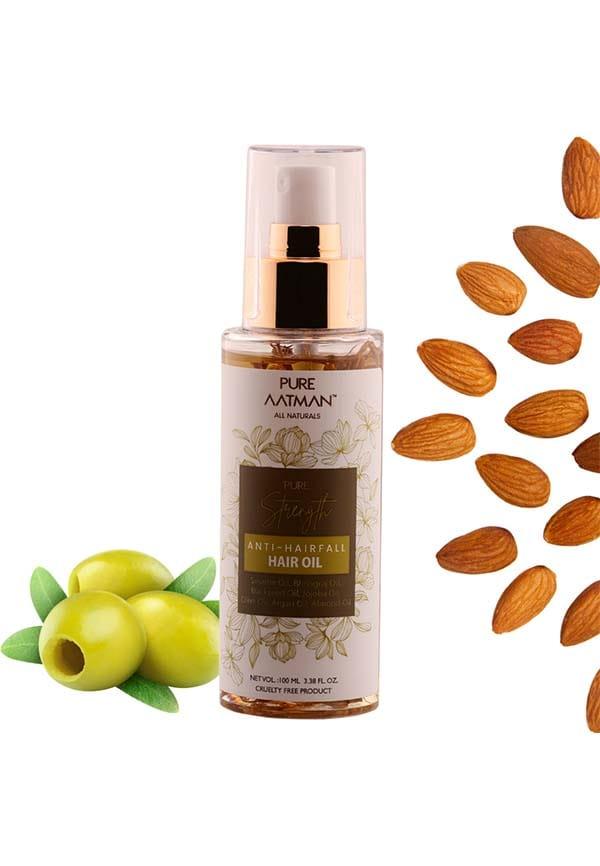
Hair Oil for women girls men ladies Hairfall Hair Oil
Looking to boost your hair growth game? Castor oil is the classic choice—it's thick, nutrient-rich, and known for stimulating hair follicles. Rosemary oil has been shown in studies to be as effective as some commercial hair growth treatments, thanks to its ability to improve circulation. Traditional Indian oils like bhringraj and amla are also worth exploring, especially in combination blends that target multiple growth factors.
The benefits of using hair oil for healthy scalp maintenance go way beyond just addressing specific problems. Regular scalp oil treatments create a protective barrier that shields your skin from environmental pollutants and harsh weather. They also help regulate your scalp's natural oil production—which might sound counterintuitive if you have an oily scalp, but the right oils can actually signal your skin to produce less sebum.
Many scalp oils have antimicrobial properties that help prevent infections and keep your scalp's microbiome balanced. This is particularly important if you're dealing with conditions like seborrheic dermatitis or folliculitis. The massage action of applying scalp oil also improves blood circulation, which means more nutrients and oxygen reaching your hair follicles.
From a nutrient delivery standpoint, oils can carry vitamins and minerals directly to where they're needed. Vitamin E, omega fatty acids, and various plant compounds in natural oils all contribute to healthier scalp tissue and stronger hair growth over time.
Dandruff is one of those scalp issues that can be particularly tricky to treat with oils, mainly because people often assume it's caused by dryness when it's actually more complex than that.
Most dandruff is caused by an overgrowth of Malassezia, a fungus that naturally lives on your scalp. This fungus feeds on the oils your scalp produces, and when it multiplies too much, it causes inflammation and flaking. So while your scalp might feel dry, the underlying issue is often related to oil production and fungal balance, not just lack of moisture.
The key to using dandruff oil effectively is choosing oils with antifungal properties. Tea tree oil at a 5% concentration has been shown to reduce dandruff symptoms significantly. Neem oil is another powerful antifungal option that's been used in traditional medicine for centuries. Lemon oil can help balance your scalp's pH, creating an environment where the fungus can't thrive as easily. The trick is using these oils consistently but not overdoing it—too much can actually irritate your scalp further.
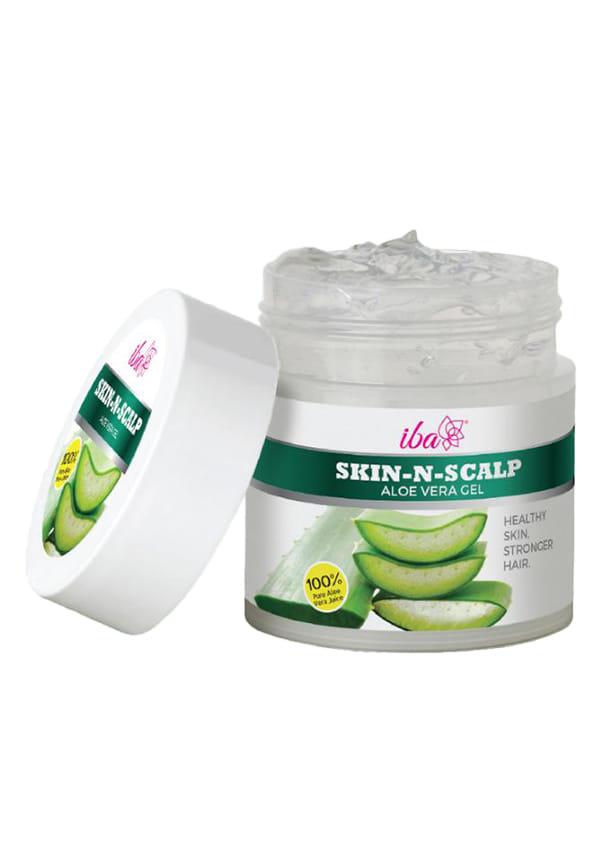
Skin - N - Scalp Aloe Vera Gel for Face, Skin & Hair
Getting the application right makes all the difference between a treatment that works and one that just makes your hair greasy. The goal is to get the oil onto your scalp, not just your hair strands.
Start by sectioning your hair into small parts—this ensures you can actually reach your scalp rather than just coating your hair. Use your fingertips (not nails) to gently massage the oil in circular motions. This massage action is just as important as the oil itself because it stimulates blood flow and helps the oil penetrate better. If you're using essential oils, always dilute them with a carrier oil first—undiluted essential oils can cause burns or severe irritation.
For most people, once or twice a week is plenty for scalp oil treatments. You can apply oil before shampooing (leave it on for 30 minutes to overnight) or use lighter oils as leave-in treatments. If you're dealing with specific issues like severe dryness or dandruff, you might need more frequent applications initially, then scale back as your scalp improves.
While single oils can be effective, combining different oils often gives you better results because you're targeting multiple concerns at once. A good rule of thumb is to use a carrier oil (like coconut, jojoba, or sweet almond) as your base, then add essential oils for specific benefits.
For a general scalp health blend, try mixing 2 tablespoons of jojoba oil with 3 drops each of rosemary and lavender essential oils. For dandruff, combine 2 tablespoons of coconut oil with 5 drops of tea tree oil. Always do a patch test first—apply a small amount to your inner wrist and wait 24 hours to check for any reaction.
Store your oil blends in dark glass bottles away from heat and light. Most homemade blends will last 6-12 months if stored properly, but always trust your nose—if an oil smells off, it's time to make a fresh batch.
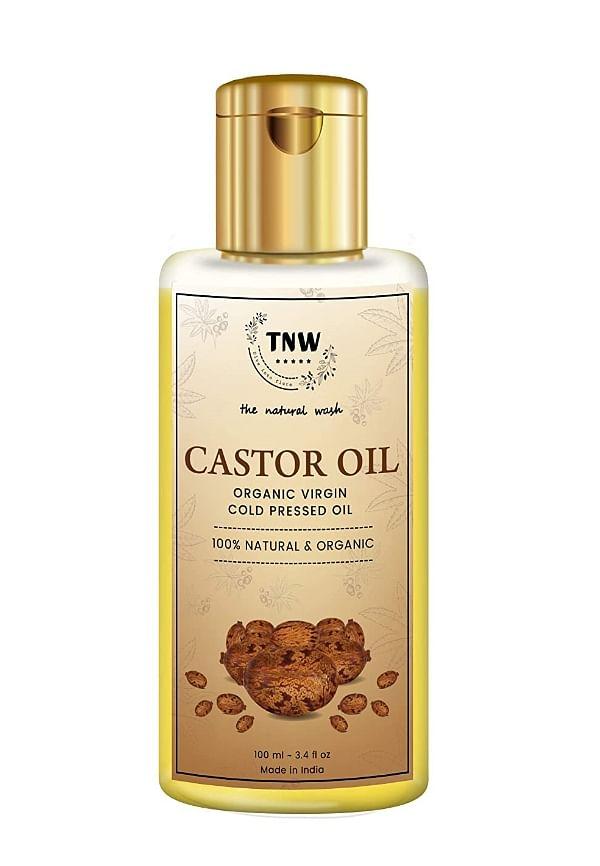
Combo of 100% Pure Castor Oil & Coconut Oil | Castor Oil For Hair,Skin,Eyelashes And Nails 100 ML |Virgin Coconut Oil Improves Hair,Skin Improves Hai
There's no one-size-fits-all answer because it depends on your specific scalp concerns. For general scalp health, jojoba oil is excellent because it closely mimics your natural sebum. If you're dealing with dryness, coconut oil provides deep moisture. For hair growth, rosemary oil mixed with a carrier oil has strong research backing. The best approach is to identify your main concern first, then choose oils that target that specific issue.
For most people, 1-2 times per week is ideal for scalp oil treatments. If you have a very dry scalp or are treating a specific condition like dandruff, you might start with more frequent applications (every other day) then reduce to weekly maintenance once you see improvement. Oily scalps typically need less frequent treatments—maybe once a week or even bi-weekly.
Yes, using the wrong oil or applying too much can actually worsen dandruff. Since dandruff is often caused by a fungus that feeds on oils, heavy oils like olive oil or applying too much of any oil can provide more food for the fungus. Stick to antifungal oils like tea tree or neem, and use them sparingly. If your dandruff gets worse after starting oil treatments, reduce the frequency or switch to a different oil.
Scalp oil can support hair growth by improving scalp health and circulation, but it's not a miracle cure for hair loss. Oils like rosemary and castor oil have some research showing they can stimulate hair follicles. However, if you're dealing with significant hair loss, it's worth seeing a dermatologist to rule out underlying conditions that oils alone can't fix.
For pre-shampoo treatments, 30 minutes to 2 hours is usually sufficient for the oil to penetrate and provide benefits. Some people prefer overnight treatments, which can be effective but might be too much for sensitive or acne-prone scalps. If you're new to scalp oils, start with shorter application times and see how your scalp responds.
Absolutely, but you need to be more careful about your choices. Stick to gentle, hypoallergenic oils like jojoba or sweet almond oil. Avoid essential oils initially, or use them in very small concentrations. Always patch test first, and start with small amounts applied for short periods. If you experience any irritation, discontinue use and consider consulting a dermatologist.
Finding the right hair oil for scalp care is really about understanding what your scalp needs and being consistent with your approach. Whether you're dealing with dryness, dandruff, or just want to maintain healthy scalp conditions, there's likely an oil combination that can help. The key is starting slowly, paying attention to how your scalp responds, and adjusting your routine accordingly.
Remember that scalp health is a long-term game—you probably won't see dramatic changes overnight, but with consistent care, most people notice improvements within a few weeks. If you're dealing with persistent scalp issues that don't respond to oil treatments, it's worth checking with a dermatologist to rule out any underlying conditions.
Not sure which hair oil might work best for your specific scalp concerns? Smytten offers trial-size versions of many scalp care products from trusted brands—a smart way to test different formulations before committing to full bottles. With options ranging from single-ingredient oils to complex blends, you can explore what works for your unique scalp needs without the guesswork.
