Hair Mousse vs Foam: Which Styling Product is Best?


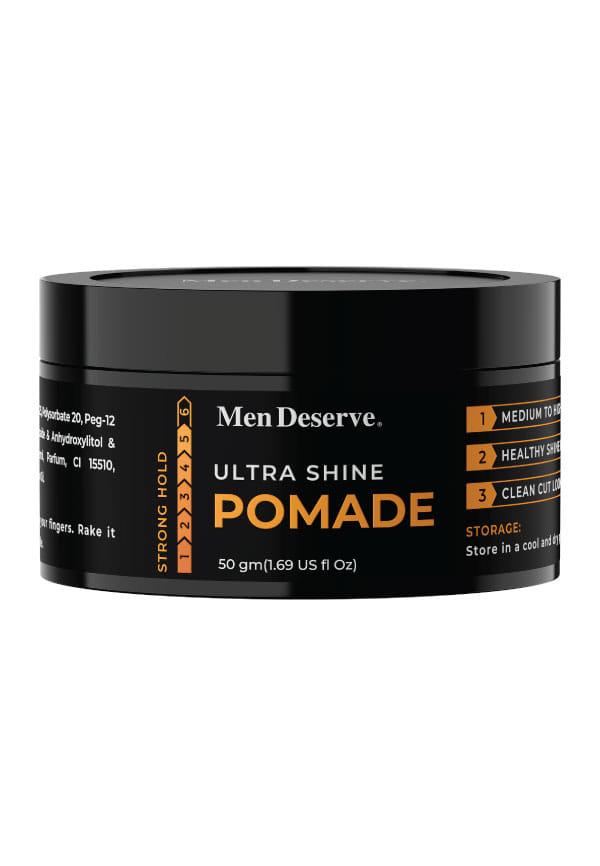
Hair Styling Ultra Shine Pomade for Strong Hold and Wet Look Hairstyle
You know that moment when you're standing in the haircare aisle, staring at two nearly identical bottles—one says "mousse" and the other says "foam"—and you're genuinely confused about which one to pick? Same formula, similar promises, but somehow they feel completely different when you actually use them. Let's be real, the beauty world loves throwing around terms that sound fancy but leave us scratching our heads. If you've ever wondered whether there's actually a difference between hair mousse and foam, or if it's just clever marketing, you're definitely not alone.
Here's where things get interesting—and slightly confusing. The truth is, many brands use "mousse" and "foam" interchangeably, which doesn't help anyone trying to make an informed choice. But there are some genuine differences worth knowing about.
Hair mousse typically has a denser, creamier texture when it comes out of the bottle. Think of it like the difference between whipped cream and soap bubbles. Mousse tends to have a higher concentration of styling polymers and often contains more conditioning agents. This makes it feel slightly heavier and more substantial in your hands.
Hair foam, on the other hand, is usually lighter and more airy. It's formulated to be less dense, with a higher water content and fewer heavy ingredients. When you dispense foam, it often feels almost weightless and disappears into your hair more quickly.
The chemical composition is where the real differences lie. Mousse formulations often include stronger hold polymers like polyquaternium compounds, which create that firmer grip on your hair strands. Foam products lean towards lighter polymers that provide hold without the weight. This is why foam tends to work better for fine hair that gets easily weighed down.
But here's the thing—some brands create products that blur these lines completely. You might find a "foam" that's actually quite dense, or a "mousse" that's surprisingly light. The key is reading the ingredient list and understanding what your hair actually needs, rather than getting hung up on the name.
Your hair type is probably the biggest factor in determining which product will actually work for you. Let's break this down by texture and thickness, because what works for your friend's hair might be a complete disaster for yours.
If you have fine hair, foam is usually your best friend. The lighter formulation means you get volume and hold without that heavy, crunchy feeling that can make fine hair look flat and lifeless. Foam absorbs quickly and doesn't leave residue that weighs down delicate strands.
Thick, coarse hair often needs the extra oomph that mousse provides. The denser formulation can actually penetrate through all those layers of hair and provide the control you need. If you've ever tried foam on thick hair and felt like it just disappeared without doing anything, mousse might be worth a try.
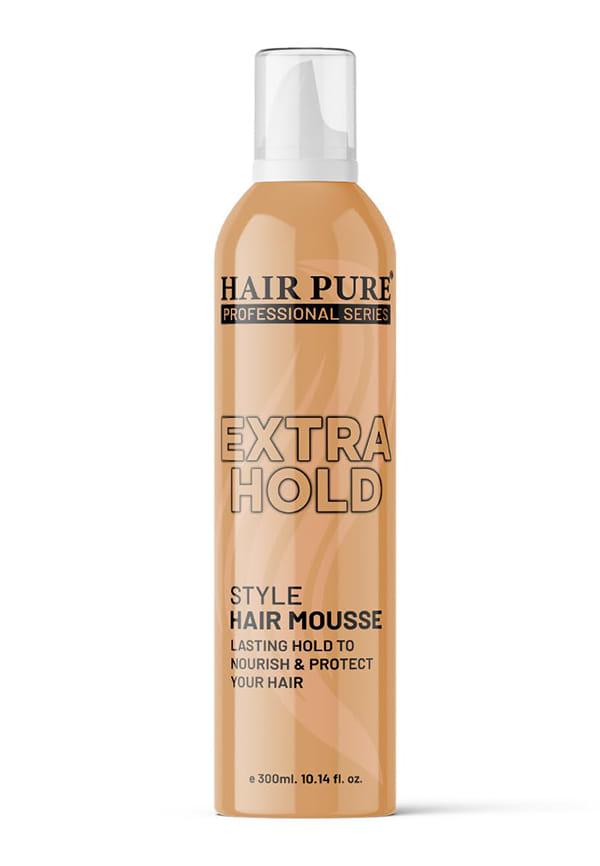
Extra Hold Hair Mousse Long Lasting Hold with Shine Hair Styling Mousse
Curly hair is where things get really personal. Some curly-haired people swear by foam because it doesn't disrupt their natural curl pattern, while others need the extra moisture and hold that mousse provides. Generally, if your curls are fine and prone to frizz, foam works well. If they're thick and need serious definition, mousse might be your pick.
Straight hair often benefits from foam when you're looking for volume at the roots. The lightweight formula lifts hair without creating that stiff, unnatural look. Mousse can work too, but you'll need to use less product to avoid weighing down straight strands.
Mousse has some serious advantages that make it worth considering, especially if you're dealing with specific styling challenges. The main benefit is its superior hold strength—mousse typically keeps your style in place longer than foam.
If you're someone who styles their hair in the morning and needs it to look good until evening, mousse is often the better choice. The higher concentration of styling polymers creates a more durable hold that can withstand humidity, wind, and general daily chaos.
Mousse also excels at creating volume, particularly at the roots. The denser formulation can lift hair from the scalp and maintain that lift throughout the day. This makes it brilliant for anyone with flat, lifeless hair who wants to create the illusion of thicker, fuller locks.
For heat styling, mousse often provides better thermal protection. Many formulations include ingredients that help shield your hair from damage when you're using blow dryers, curling irons, or straighteners. This dual function—styling and protection—makes mousse a practical choice for frequent heat users.
Curl enhancement is another area where mousse shines. If you have naturally wavy or curly hair, mousse can help define those curls while reducing frizz. The conditioning agents in many mousse formulations help smooth the hair cuticle, which is essential for well-defined, bouncy curls.
Foam has its own set of compelling benefits that make it the go-to choice for many people. The biggest advantage is its lightweight nature—foam gives you styling benefits without the heaviness that can make hair look flat or greasy.
The application process with foam is often easier and more forgiving. Because it's lighter, you're less likely to use too much product and end up with that crunchy, over-styled look. Foam distributes more evenly through hair, which means fewer patchy areas or spots where product has built up.
Natural movement is where foam really excels. If you want your hair to look styled but still move naturally, foam provides hold without stiffness. This makes it perfect for everyday looks where you want volume and texture but don't want your hair to feel like a helmet.
The buildable coverage aspect of foam is brilliant for customising your look. You can apply a small amount for subtle texture, or layer it for more dramatic volume and hold. This flexibility makes foam a versatile option that can adapt to different occasions and styling needs.
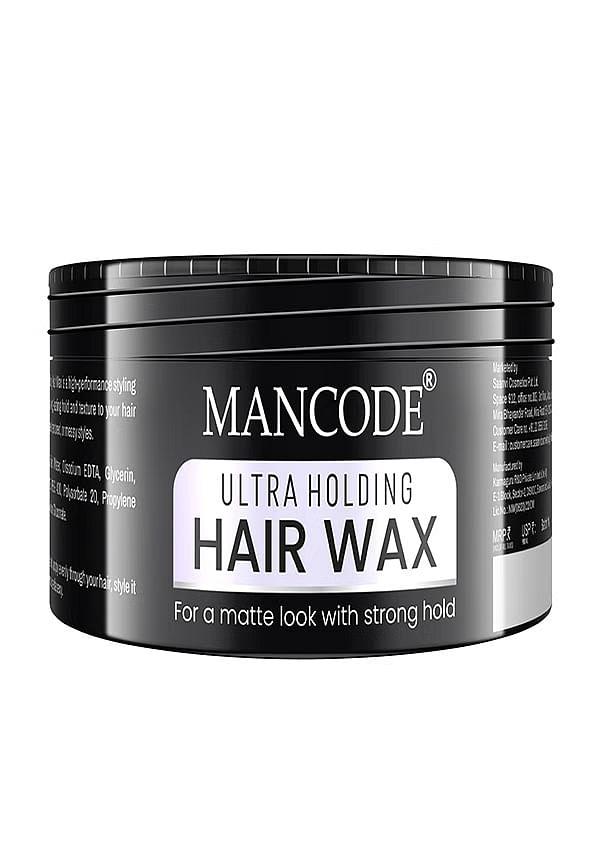
Ultra Holding Hair Wax For a Matte Look with Strong Hold
Quick-drying properties make foam ideal for busy mornings. Because it's lighter and has higher water content, foam typically dries faster than mousse, which means you can style your hair and get out the door more quickly.
When it comes to creating and maintaining volume, both products have their strengths, but they work in different ways. Understanding these differences can help you choose the right product for your specific volume needs.
Volume longevity is where mousse typically wins. The stronger hold polymers in mousse formulations help maintain lift at the roots for longer periods. If you need your volume to last from morning until night, mousse is usually the more reliable choice.
However, foam often creates more natural-looking volume. While it might not last quite as long, the volume it creates looks and feels more like your hair's natural texture, just amplified. This makes foam perfect for everyday looks where you want subtle enhancement rather than dramatic transformation.
Root lift effectiveness varies between the two products. Mousse tends to provide more dramatic root lift because of its denser formulation, but foam can be better for fine hair that gets easily overwhelmed by heavier products.
Humidity resistance is generally better with mousse, thanks to those stronger styling polymers. If you live in a humid climate or your hair tends to fall flat in moisture, mousse might be worth the slightly heavier feel.
Making the right choice between mousse and foam comes down to understanding your hair's specific needs and your lifestyle requirements. Start by honestly assessing your hair type, texture, and thickness.
Consider your daily routine and styling goals. If you need maximum hold and don't mind a slightly heavier feel, mousse might be your answer. If you prefer natural movement and easy application, foam could be the better choice.
Think about your styling tools and techniques. If you frequently use heat styling tools, mousse's thermal protection properties might make it worth choosing. If you prefer air-drying or minimal heat, foam's quick-drying properties could be more beneficial.
Budget considerations matter too. Generally, you'll use less mousse per application because it's more concentrated, which might make it more cost-effective in the long run. Foam might require more product per use, but it's often easier to control the amount you're using.
Don't forget about ingredient preferences. If you're avoiding alcohol, sulfates, or other specific ingredients, check the formulations carefully. Both mousse and foam products come in various formulations, including more natural options.
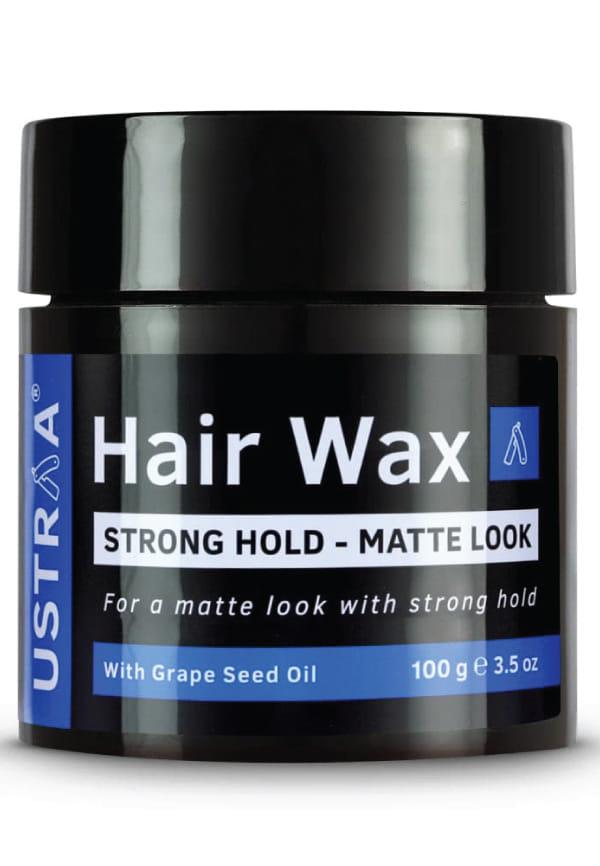
Strong Hold Hair Wax - Matte Look
Neither is universally better—it depends entirely on your hair type and styling goals. Foam works better for fine hair that needs lightweight volume, while mousse is often better for thick hair that needs stronger hold and control. The best choice is the one that works with your hair's natural texture rather than against it.
Foam is typically better for fine hair because it provides volume and hold without weighing down delicate strands. The lighter formulation means you get styling benefits without that heavy, flat look that can happen when fine hair is overloaded with product. However, some people with fine hair do well with small amounts of lightweight mousse.
The main disadvantages of mousse include potential heaviness that can weigh down fine hair, the possibility of creating a stiff or crunchy texture if you use too much, and sometimes leaving residue that builds up over time. Some formulations can also be drying if they contain high levels of alcohol.
Yes, you can layer mousse and foam, but it requires careful application. Generally, you'd apply foam first for lightweight volume, then add small amounts of mousse to specific areas where you need extra hold. This technique works well for people who want the benefits of both products without overloading their hair.
For foam, start with a golf ball-sized amount for medium-length hair and adjust from there. For mousse, begin with about half that amount since it's more concentrated. Always start with less—you can always add more, but it's harder to remove excess product once it's in your hair.
Quality mousses and foams shouldn't cause damage when used properly. However, products with high alcohol content can be drying over time, and using too much product can lead to buildup that makes hair look dull. Choose alcohol-free formulations when possible and clarify your hair regularly to prevent buildup.
The mousse vs foam debate really comes down to understanding what your hair needs and being honest about your styling preferences. Both products have their place in the haircare world, and the right choice depends on your individual hair type, lifestyle, and styling goals.
Remember that hair needs can change with seasons, hormones, chemical treatments, and even stress levels. What works perfectly for your hair today might need adjusting in a few months. Don't be afraid to experiment and switch between products as your hair's needs evolve.
The key is finding products that work with your hair's natural texture rather than fighting against it. Whether that's a lightweight foam that enhances your hair's natural movement or a volumising mousse that gives you the hold you need, the right product should make styling easier, not harder.
If you're still unsure which direction to go, Smytten's curated selection includes various hair styling products from trusted brands, giving you access to both mousse and foam options from different manufacturers. Not sure which format works for your hair? Smytten also offers trial-size versions of many of these products—a good way to check before committing to a full bottle.
