Hair Loss in Forehead for Men FAQ: Causes & Solutions


Hair Elixir Men
Hair loss in forehead for men is one of those things that can sneak up on you. One day you're styling your hair like usual, and the next you're noticing your hairline has shifted back a bit. If you've been googling "why is my forehead getting bigger" at 2 AM, you're definitely not alone. Male pattern baldness affects around 85% of men by age 50, but it can start much earlier than you'd expect. The thing is, understanding what's happening and why can actually help you figure out your next move. Whether you're dealing with early temple hair loss or a more noticeable receding hairline, there are legit solutions worth exploring. At Smytten, we've seen loads of guys discover haircare products that actually work for their specific concerns—because when it comes to hair loss, one size definitely doesn't fit all.
Hair loss in forehead for men is primarily caused by androgenetic alopecia (male pattern baldness), affecting 85% of men by age 50
Early signs include temple hair loss and gradual receding hairline, often starting in the 20s or 30s
Proven treatment options include FDA-approved medications like minoxidil and finasteride, plus advanced procedures like hair transplants
Prevention strategies focus on proper scalp care, stress management, and early intervention when signs first appear
Natural solutions and styling techniques can help manage appearance while exploring treatment options
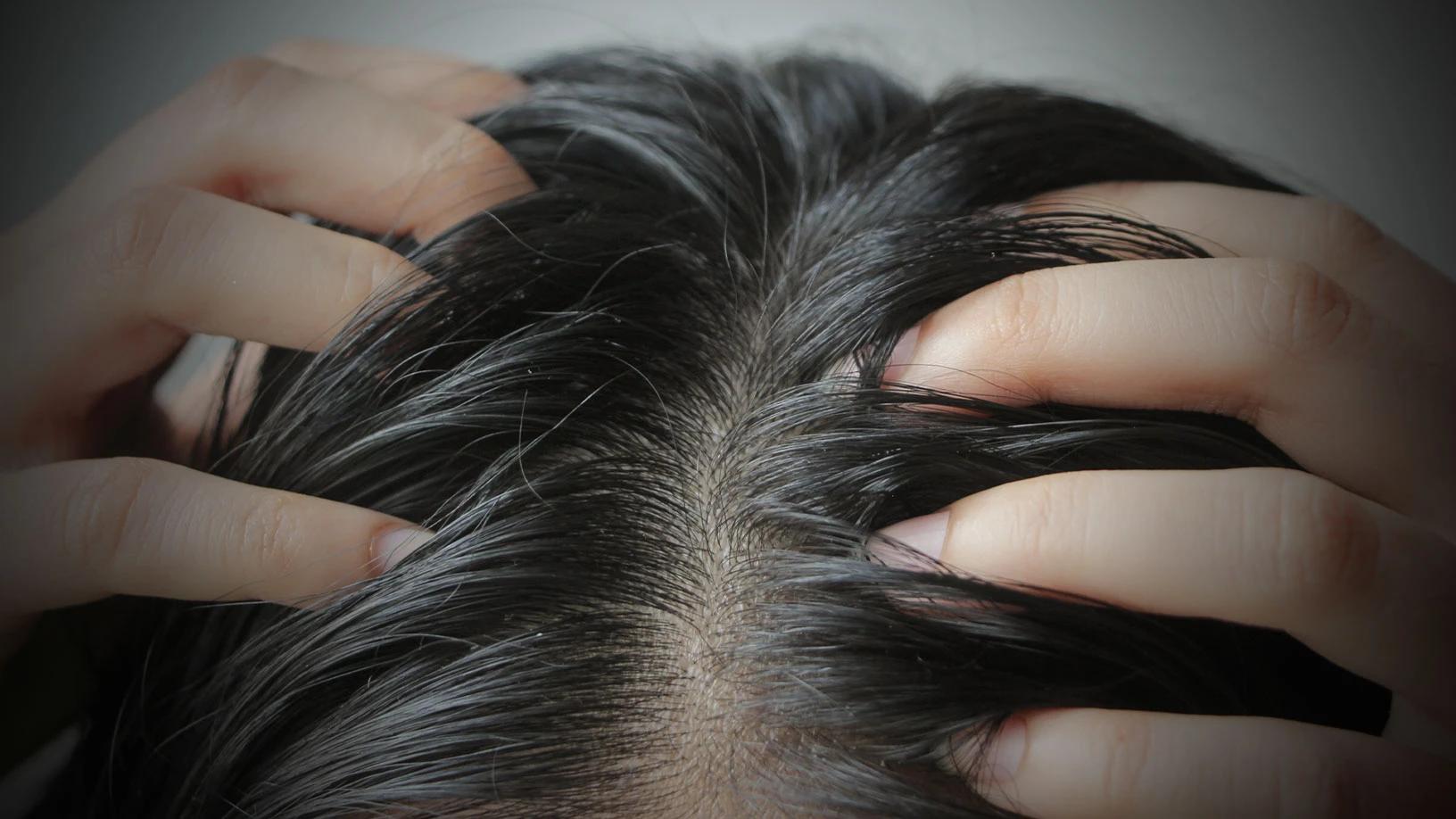
Let's be real—hair loss in the forehead area isn't just about vanity. It's about feeling confident in your own skin. When we talk about forehead hair loss, we're usually referring to the gradual recession of your hairline, which is different from overall thinning. A receding hairline typically starts at the temples and moves inward, creating that classic "M" shape that many guys recognise.
Here's what's actually happening: your hair follicles are becoming increasingly sensitive to dihydrotestosterone (DHT), a hormone that's perfectly normal but can wreak havoc on genetically predisposed hair follicles. The stats are pretty eye-opening—about 25% of men start experiencing some degree of hair loss before they turn 25, and by 35, roughly two-thirds of men will have noticeable hair loss.
Understanding why your hairline is changing is the first step toward doing something about it. The causes range from genetics you can't control to lifestyle factors you absolutely can.
This is the big one—androgenetic alopecia accounts for about 95% of hair loss in men. It's basically your genetics and hormones having a not-so-friendly chat. Your hair follicles have inherited a sensitivity to DHT, which gradually shrinks them until they can't produce healthy hair anymore. The process usually starts at the temples and crown, which is why you might notice temple hair loss before anywhere else.
Your daily habits play a bigger role than you might think. Chronic stress can trigger sudden hair loss, poor nutrition can slow hair regrowth, and even your styling routine can accelerate a receding hairline. Things like tight hairstyles, excessive heat styling, or harsh chemical treatments can damage follicles and speed up the process.

Spider Hair Web Wax For Men
Sometimes hair loss is a symptom of something else going on. Thyroid disorders, autoimmune conditions like alopecia areata, and certain medications can all contribute to hair thinning. If your hair loss seems sudden or patchy rather than gradual, it's worth chatting with a healthcare provider.
The Norwood Scale is basically the roadmap for male pattern baldness, and knowing where you are can help you plan your next steps. Think of it as your hair loss GPS.
Stages 1-2: Minimal recession at the temples, often so subtle you might not even notice. This is prime time for prevention strategies.
Stages 3-4: Noticeable temple hair loss and possible hair thinning at the crown. Your hairline starts forming that distinctive "M" shape, and you might catch yourself checking mirrors more often.
Stages 5-7: Advanced male pattern baldness with significant recession and crown thinning. At this point, treatment options shift toward more intensive solutions like hair transplants.
Right, let's talk solutions. The good news is there are actually effective ways to stop hair loss and even encourage hair regrowth in the forehead area. The key is matching the right treatment to your specific situation.
Minoxidil and finasteride are the heavy hitters here. Minoxidil (you might know it as Rogaine) works by increasing blood flow to hair follicles and can be particularly effective for hair regrowth in the forehead area. About 60-70% of men see some improvement after 4-6 months of consistent use.
Finasteride blocks the production of DHT, which is brilliant for preventing further loss. Studies show it's effective for about 80% of men, though results vary. The catch? You need to keep using these treatments to maintain results.
For more advanced cases, hair transplant procedures have come a long way. Modern techniques like FUE (Follicular Unit Extraction) can create natural-looking hairlines with minimal scarring. PRP (Platelet-Rich Plasma) therapy is another option that uses your own blood to stimulate hair growth—sounds a bit sci-fi, but the results can be impressive.
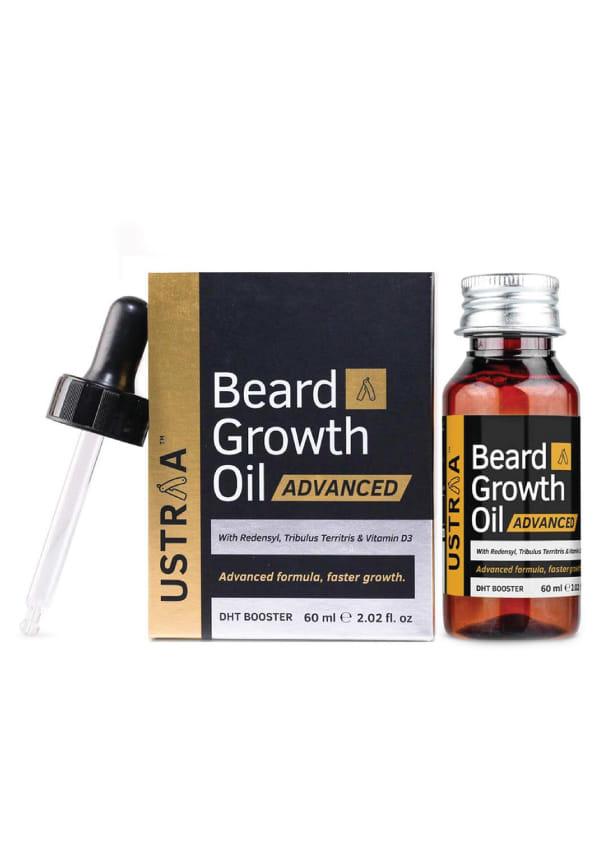
Beard Growth Oil Advanced
Excellent Product
 5
5“Nice company nice product 10 rating product”
While not miracle cures, some natural approaches show promise. Scalp massage can improve circulation, and certain essential oils like rosemary oil have shown results comparable to minoxidil in some studies. Supplements like biotin, saw palmetto, and iron (if you're deficient) might support overall hair health.
Prevention is honestly your best bet, especially if you're in the early stages. The sooner you start, the more hair you can potentially save.
Start with a gentle haircare routine—avoid harsh shampoos, limit heat styling, and be kind to your scalp. Stress management is huge too. Whether it's meditation, exercise, or just getting enough sleep, keeping stress levels in check can slow hair loss progression.
Nutrition matters more than you'd think. A diet rich in protein, iron, vitamins D and B12, and omega-3 fatty acids gives your hair the building blocks it needs. If you're not getting enough through food, targeted supplements might help.
While you're exploring treatment options, there are immediate ways to make thinning hair less noticeable. The right haircut can work wonders—shorter styles often look fuller, and a skilled barber can create the illusion of density.
Hair products designed for thinning hair can add volume and texture. Look for lightweight mousses, volumising shampoos, and styling products that don't weigh hair down. Some guys swear by hair fibres or concealer sprays for special occasions—they're temporary but can boost confidence when you need it most.
The most effective approach combines early intervention with proven treatments. Start with minoxidil for hair regrowth and consider finasteride if you're comfortable with the potential side effects. For advanced cases, hair transplant procedures offer permanent solutions. The key is starting treatment as soon as you notice changes—the earlier you begin, the better your results are likely to be.
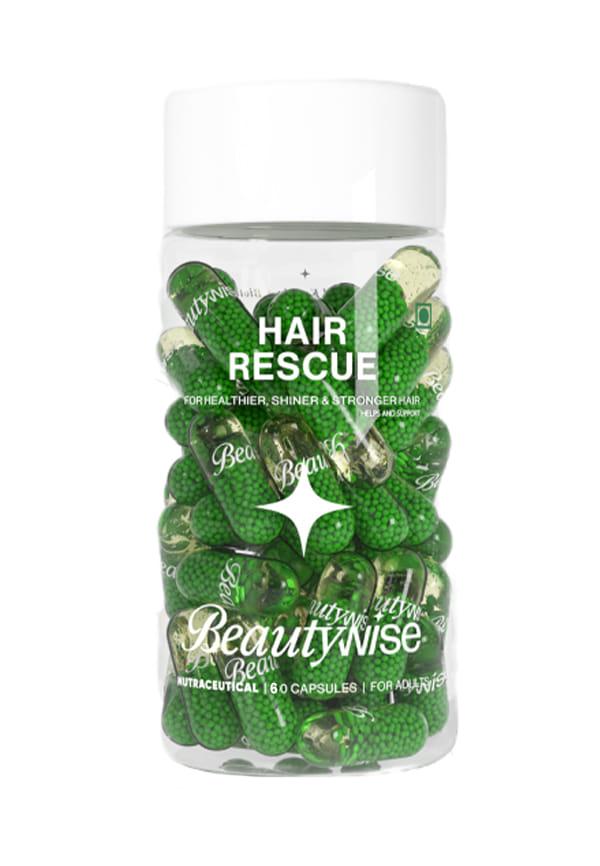
Hair Rescue, Hair Aminos, Vitamins, DHT Blocker for Hairfall Control & Growth
Good product, slow hair growth
4“good product but slow process of growth of hair”
Hair Improvement
5“my hair are improving day by day.”
Stopping frontal hair loss requires a multi-pronged approach. FDA-approved treatments like minoxidil and finasteride are your best bet for halting progression. Combine these with lifestyle changes like stress reduction, proper nutrition, and gentle hair care. Some men find success with combination therapy—using multiple treatments together often yields better results than single approaches.
The primary cause is androgenetic alopecia, where genetics and hormones (specifically DHT sensitivity) gradually shrink hair follicles. Other factors include stress, poor nutrition, certain medications, autoimmune conditions, and aggressive styling practices. Age plays a role too—while some men start losing hair in their 20s, the process typically accelerates with age.
Hair regrowth on the forehead is possible but requires patience and realistic expectations. Minoxidil is particularly effective for this area, with many men seeing new growth after 4-6 months of consistent use. Hair transplant procedures can restore hairlines permanently, while PRP therapy might stimulate dormant follicles. Natural approaches like scalp massage and rosemary oil can support regrowth efforts.
Early hair loss is more common than you'd think—about 25% of men start experiencing male pattern baldness before 25. It's primarily genetic, meaning you've inherited hair follicles that are sensitive to DHT. Stress, poor diet, and lifestyle factors can accelerate the process. The good news is that early intervention with proven treatments can significantly slow progression and even restore some lost hair.
Male hair loss has multiple causes, but androgenetic alopecia accounts for 95% of cases. This genetic condition makes hair follicles sensitive to DHT, causing them to shrink over time. Other causes include stress (which can trigger telogen effluvium), nutritional deficiencies, medical conditions like thyroid disorders, certain medications, and physical trauma to hair from styling. Exploring products on Smytten can help you find the right haircare solutions for your specific type of hair loss.
Hair loss in forehead for men is incredibly common, but it's not something you have to just accept. Understanding the causes—primarily male pattern baldness driven by genetics and DHT sensitivity—helps you make informed decisions about treatment. The earlier you start addressing hair loss, the better your chances of maintaining and even regrowing hair.
Proven treatments like minoxidil and finasteride work for most men, while advanced procedures offer solutions for more severe cases. Don't overlook the power of prevention either—proper hair care, stress management, and good nutrition can slow the process significantly. Remember, there's no one-size-fits-all solution, so finding what works for your specific situation might take some experimentation.
Dealing with hair loss can feel overwhelming, but you've got more options than ever before. Whether you're exploring FDA-approved treatments, considering natural approaches, or looking for the right haircare products to support your journey, the key is starting somewhere. Smytten is India's largest product discovery and trial platform, connecting consumers with top lifestyle, beauty, wellness, and grooming brands. With curated trial packs from over 2,400 trusted brands, you can explore haircare solutions before committing to full-size purchases. Each mini is linked with Trial Points, and you can get up to 10 Trial Points for just ₹279. Plus, Smytten offers 100% cashback on the purchase of these minis, making it easier to find products that actually work for your hair concerns. With over 28 million users and 100% authentic, brand-verified minis delivered across 90% pincode coverage, you can try before you buy and make smarter, more confident choices. After all, why settle for 'maybe' when you can #TryItAll!
