Hair Loss During Monsoon FAQ: Your Hair Fall Questions Answered
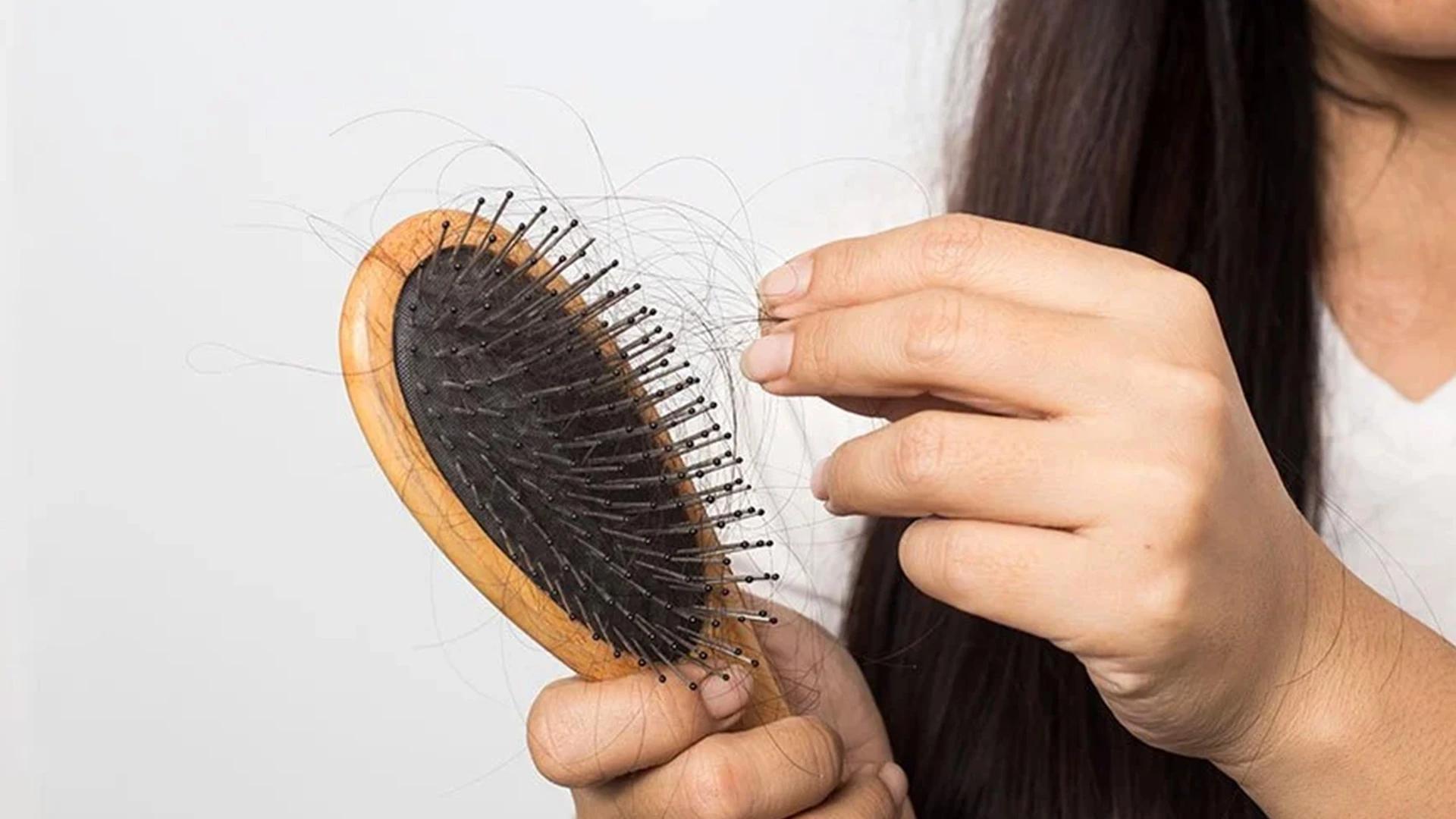

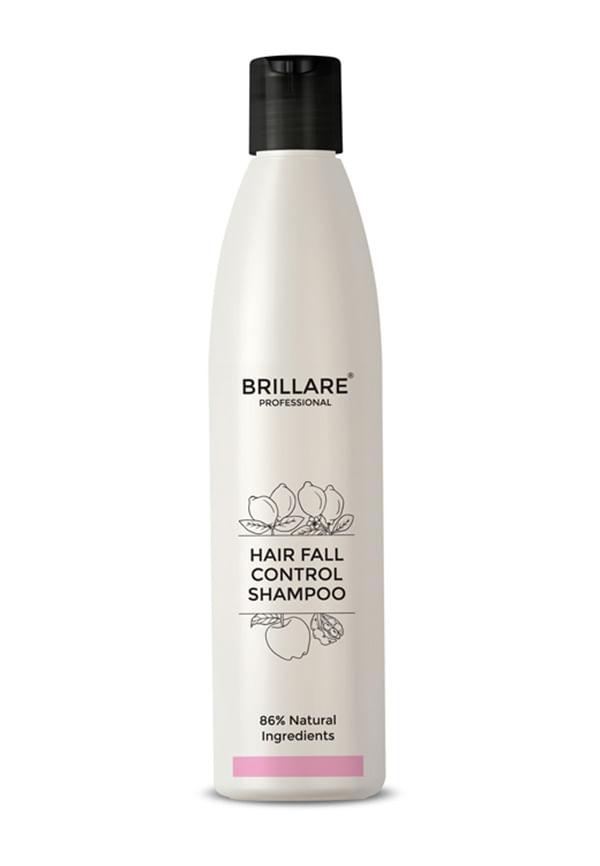
Shampoo To Reduce Seasonal Hair Fall
That moment when you run your fingers through your hair and find way more strands than usual clinging to your palm? Yeah, we've all been there. Monsoon season brings relief from the heat, but it also seems to bring an unwelcome guest—hair fall that feels like it's happening at warp speed. If you've been wondering why your hair seems to have its own breakup with your scalp every rainy season, you're not alone. Let's dive into everything you need to know about hair loss during monsoon and how to keep your strands happy when the humidity hits.
Real talk—monsoon hair fall isn't just in your head. The combination of high humidity, constant moisture, and temperature fluctuations creates the perfect storm for hair problems. When humidity levels spike, your hair absorbs moisture from the air, causing the hair shaft to swell and weaken. This makes your strands more prone to breakage and fall.
The increased moisture also creates a breeding ground for fungi and bacteria on your scalp. These microorganisms thrive in warm, damp conditions, leading to scalp infections, dandruff, and irritation that can further contribute to hair loss. Your hair follicles become weakened when they're constantly dealing with these issues, making it easier for hair to fall out.
Peak monsoon months in India—typically July through September—see the highest rates of seasonal hair fall. During this time, your scalp's natural oil production can go haywire, either becoming too oily or paradoxically too dry as it tries to compensate for the environmental changes. This disrupts the natural hair growth cycle, pushing more follicles into the shedding phase.
The good news? You don't have to accept monsoon hair fall as your fate. There are plenty of ways to keep your hair healthy and reduce excessive shedding during the rainy season.
This might sound obvious, but it's your first line of defence. Wash your hair every alternate day during monsoon to prevent buildup of dirt, oil, and moisture that can clog follicles. Use a gentle, sulphate-free shampoo that won't strip your scalp of its natural oils while still providing a thorough cleanse.
Avoid aggressive towel drying—your wet hair is at its most vulnerable. Instead, gently squeeze out excess water and pat your hair dry. If you must use a blow dryer, keep it on the cool setting and maintain some distance from your scalp.
Heavy oils can weigh down your hair and attract more moisture during monsoon. Opt for lighter options like jojoba oil or argan oil that absorb quickly and don't leave your hair feeling greasy. Apply these oils to your scalp and lengths, but avoid overdoing it.
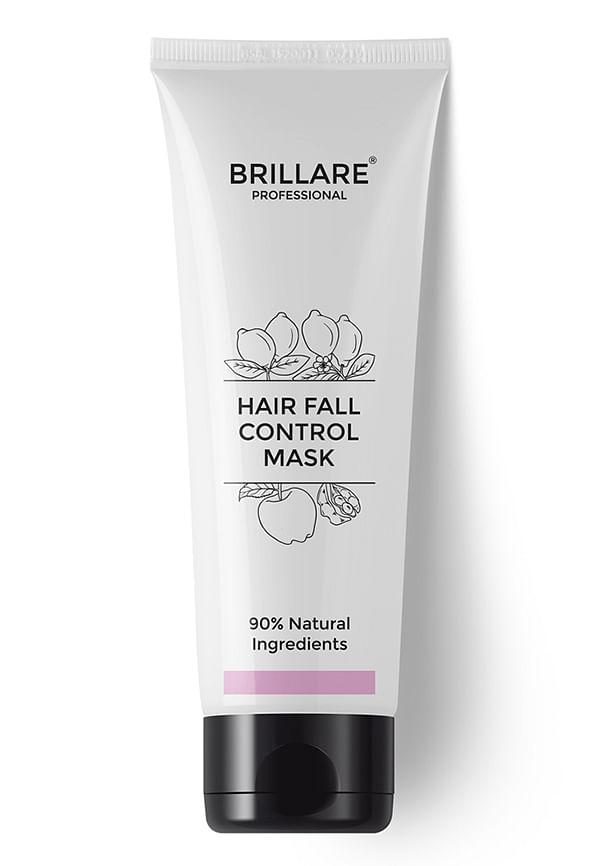
Conditioner To Reduce Seasonal Hair Fall
Carry an umbrella or wear a scarf to shield your hair from direct rainwater, which can be acidic and damaging. If your hair does get wet, don't leave it damp for hours—this creates the perfect environment for fungal growth.
Building a solid routine is your best bet for maintaining healthy hair throughout the rainy season. Here's what your daily and weekly haircare should look like during monsoon.
Start your morning by checking the weather forecast. On particularly humid days, consider protective hairstyles like loose braids or buns that keep your hair away from your face and neck. This reduces the amount of moisture your hair absorbs throughout the day.
Your evening routine should focus on cleansing and nourishing. If you've been caught in the rain, wash your hair immediately with a clarifying shampoo to remove any pollutants or acidic residue. Follow up with a lightweight conditioner, focusing on the mid-lengths and ends rather than the scalp.
Weekly deep conditioning treatments become crucial during monsoon. Look for protein-rich masks that can help strengthen your hair shaft and reduce breakage. Apply these treatments once a week, leaving them on for 15-20 minutes before rinsing thoroughly.
Let's address the elephant in the room—or should we say, the fungi on your scalp? Monsoon brings a host of specific hair problems that need targeted solutions.
That itchy, flaky scalp isn't just annoying—it's often a sign of fungal overgrowth. Use antifungal shampoos containing ingredients like ketoconazole or zinc pyrithione twice a week. Tea tree oil can also be your friend here, but dilute it properly before applying.
An irritated scalp during monsoon usually means your skin barrier is compromised. Look for soothing ingredients like aloe vera, chamomile, or niacinamide in your haircare products. Avoid scratching, as this can lead to further irritation and potential hair loss.
Strengthen your strands from within by incorporating biotin, iron, and protein into your diet. Externally, use leave-in treatments with peptides or keratin that can help rebuild the hair structure. Be gentle with wet hair—it's 50% weaker when saturated with water.
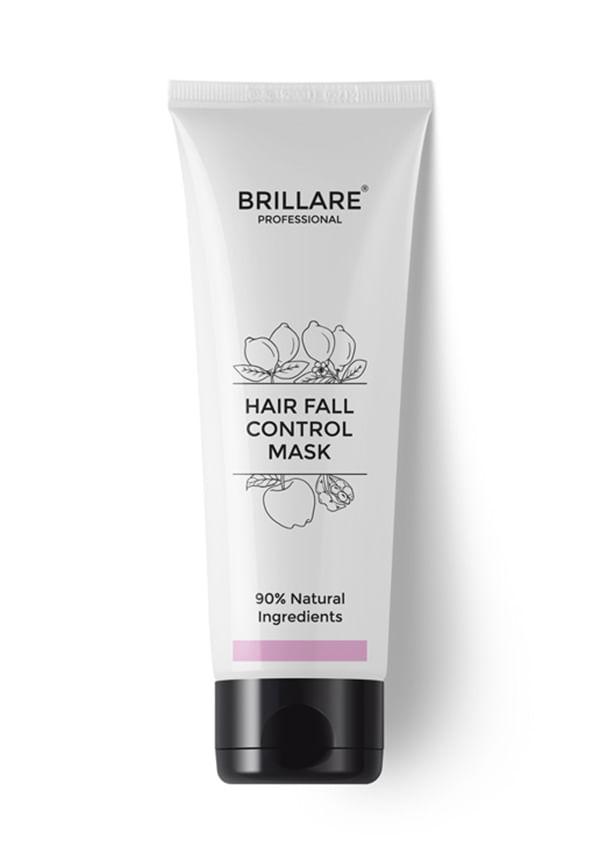
Hair Fall Control Mask To Reduce Seasonal Hair Fall
The internet is full of miracle cures for hair loss, but let's focus on what actually works. Evidence-based treatments for monsoon hair fall include topical minoxidil for those experiencing significant thinning, though this should be used under medical supervision.
Natural remedies that show promise include scalp massage with essential oils like rosemary or peppermint, which can improve blood circulation to hair follicles. Onion juice, while smelly, contains sulphur compounds that may help with hair regrowth when applied regularly.
However, be wary of treatments that promise overnight results. Hair growth is a slow process, and most effective treatments take at least 3-6 months to show visible results. Consistency is key—sporadic use of even the best products won't give you the results you're looking for.
Focus on keeping your scalp clean and dry, use lightweight oils like coconut or jojoba oil for nourishment, eat a protein-rich diet, and practice gentle hair handling. Regular scalp massage and avoiding heat styling can also help reduce hair fall naturally during the rainy season.
Yes, seasonal hair fall during monsoon typically regrows once the weather stabilises and you maintain a proper haircare routine. However, if you're losing more than 100-150 strands daily or notice bald patches, it's worth consulting a dermatologist to rule out underlying conditions.
Monsoon season (July-September) typically sees the highest hair fall rates in India due to increased humidity, fungal infections, and scalp irritation. However, the transition periods between seasons can also trigger temporary hair shedding as your scalp adjusts to changing environmental conditions.
Seasonal hair fall during monsoon usually lasts 2-3 months, coinciding with the peak rainy season. With proper care, you should notice improvement within 4-6 weeks of starting a consistent haircare routine. If hair fall continues beyond the monsoon season, consider seeking professional advice.
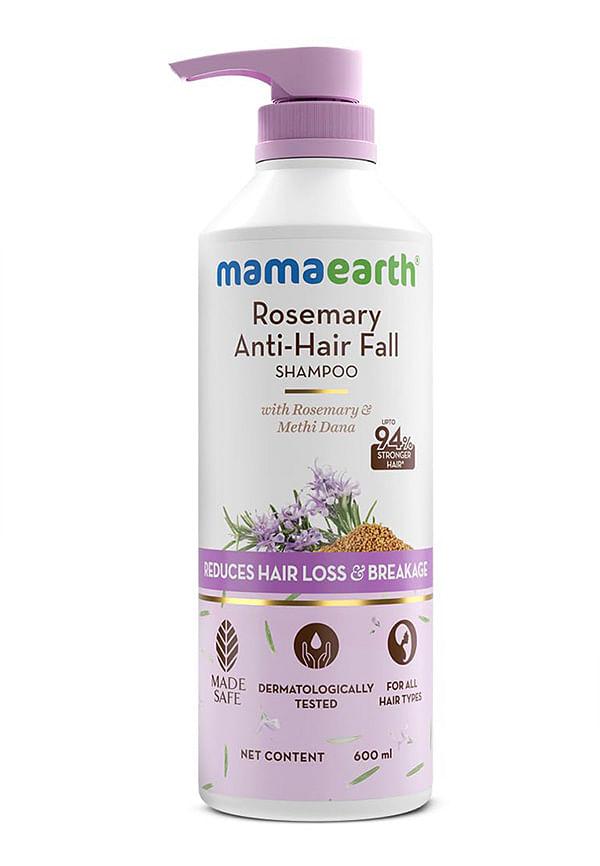
Rosemary Anti-Hair Fall Shampoo with Rosemary & Methi Dana for Reducing Hair Loss & Breakage
Dandruff itself doesn't cause permanent hair loss, but severe, untreated fungal infections can damage hair follicles and lead to temporary hair thinning. The constant scratching associated with dandruff can also cause breakage and mechanical hair loss, which is usually reversible with proper treatment.
Include protein-rich foods like eggs, fish, and legumes in your diet, along with iron sources like spinach and lean meats. Biotin-rich foods such as nuts and seeds, plus vitamin C from citrus fruits, can support healthy hair growth. Staying hydrated is equally important for maintaining scalp health.
Actually, you should use less oil during monsoon, not more. Heavy oiling can attract moisture and create a breeding ground for fungi. Stick to lightweight oils applied in small quantities, and always ensure your hair is completely dry before applying any oil treatments.
Yes, you might notice more hair fall during washing in monsoon because the hair that was already in the shedding phase comes out more easily when wet. However, if you're losing significantly more hair than usual (more than 100-150 strands daily), it might indicate a problem that needs attention.
While seasonal hair fall is normal, there are warning signs that indicate you might need professional intervention. If you're losing more than 150 strands daily, notice sudden bald patches, or experience severe scalp irritation that doesn't improve with over-the-counter treatments, it's time to consult a dermatologist.
Persistent itching, burning sensations, or unusual scalp odours can indicate infections that require prescription treatments. Don't wait for these symptoms to worsen—early intervention often leads to better outcomes.
A professional can also help distinguish between temporary seasonal hair fall and conditions like androgenetic alopecia or telogen effluvium, which require different treatment approaches. They might recommend blood tests to check for nutritional deficiencies or hormonal imbalances that could be contributing to your hair loss.
Monsoon hair fall is a real phenomenon, but it doesn't have to ruin your hair goals. The key is understanding that increased humidity, fungal growth, and environmental changes all contribute to seasonal hair loss. With the right approach—gentle cleansing, lightweight moisturising, protective styling, and consistent care—you can minimise hair fall and keep your strands healthy throughout the rainy season.
Remember, patience is crucial when dealing with hair concerns. Most effective treatments take time to show results, so stick with your routine and give it at least 6-8 weeks before expecting significant changes. Your hair will thank you for the consistent care, and you'll likely find that your strands are stronger and healthier by the time the monsoon season ends.
If you're looking to try different haircare products to find what works best for your monsoon routine, Smytten offers trial-size versions of many hair treatments and shampoos from trusted brands—a smart way to test products without committing to full bottles during this experimental phase of finding your perfect monsoon haircare routine.
