Hair Growth Oil for Men FAQ: Your Questions Answered

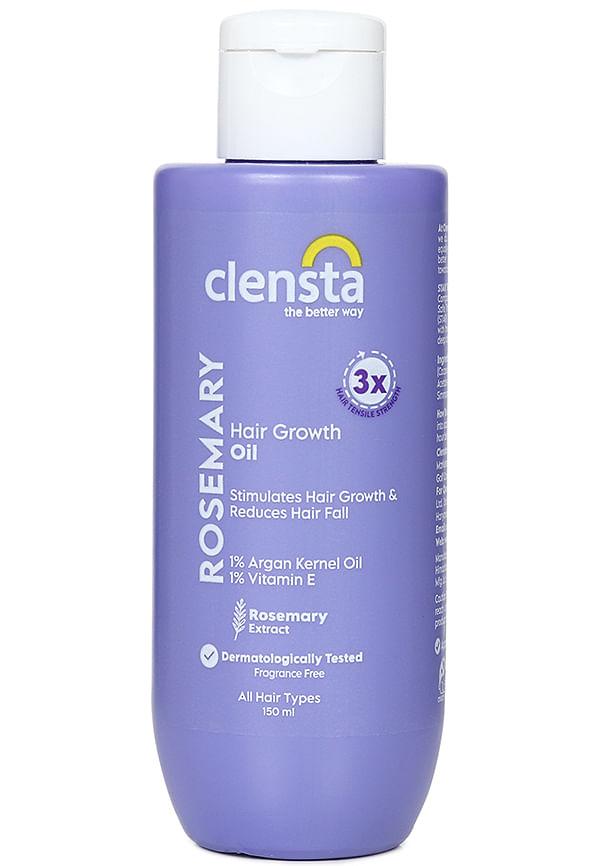
Rosemary Hair Growth Oil With Argan Oil & Vitamin E For Reducing Hair Fall, Strengthens Hair & Breakage
Let's be real — watching your hairline slowly retreat or noticing more strands in the shower drain isn't exactly the confidence boost you're looking for. You've probably scrolled through endless posts about hair growth oils, wondering if they're actually worth the hype or just another grooming trend. The truth is, while hair oils won't magically reverse genetic hair loss, they can genuinely support your scalp health and strengthen what you've got. Think of them as your hair's personal trainer — they won't change your genetics, but they'll help you work with what nature gave you.
Here's the science bit without the textbook jargon. Hair oils work by penetrating your scalp and hair shaft, delivering nutrients directly where they're needed. When you massage oil into your scalp, you're boosting blood circulation to hair follicles — kind of like giving them a wake-up call. This increased blood flow brings oxygen and nutrients that can help existing hair grow stronger and healthier.
But let's set realistic expectations here. Hair oil for men isn't going to turn back time or fight your genetics. If you're dealing with male pattern baldness (which affects about 80% of men by age 80), oils won't regrow hair in areas where follicles have already shut down. What they can do is support the health of existing follicles, reduce breakage, and create optimal scalp conditions for whatever growth potential you still have.
The timeline for seeing results varies depending on what you're hoping to achieve. Improved hair texture and reduced dryness? You might notice changes within 2-4 weeks. Stronger, less breakage-prone hair typically takes 4-8 weeks of consistent use. As for actual growth stimulation, that's a longer game — think 8-12 weeks minimum, and even then, results will be subtle.
Real talk — if you're experiencing genetic hair loss, oils alone won't solve the problem. Male pattern baldness is driven by hormones (specifically DHT) and genetics, not poor scalp health. However, hair strengthening oil can play a supportive role in your overall hair care routine, helping maintain the quality and appearance of the hair you do have.
The benefits of using hair growth oil for men go beyond just hoping for new growth. Think of these oils as multitaskers for your scalp and hair health. First up, they boost scalp circulation through massage, which helps deliver nutrients to hair follicles more efficiently. It's like upgrading your scalp's delivery system.
Hair strengthening is another major win. Many men deal with breakage from styling, environmental damage, or just daily wear and tear. Regular oil treatments can significantly reduce this breakage by improving hair elasticity and moisture retention. Your hair becomes more resilient to the daily stresses it faces.
Scalp health benefits are often overlooked but crucial. A healthy scalp is the foundation for healthy hair growth. Oils help balance your scalp's pH, reduce inflammation, and can even support a healthier scalp microbiome. This means less dandruff, reduced irritation, and an overall more comfortable scalp environment.
Then there's the moisture factor. Many men have drier scalps than they realise, especially if they use harsh shampoos or live in dry climates. Hair oils provide deep moisturisation that regular conditioners might miss, preventing flakiness and that tight, uncomfortable feeling.
Protection against environmental damage is another underrated benefit. UV rays, pollution, and styling heat can all damage your hair over time. A good hair oil creates a protective barrier that helps shield your strands from these daily aggressors.
Finally, there's the immediate aesthetic improvement. Well-oiled hair often looks shinier, feels softer, and is more manageable. Even if you don't see dramatic growth, your existing hair will likely look and feel significantly better.
When it comes to choosing the best hair growth oil, different oils bring different benefits to the table. Rosemary oil has probably the strongest research backing for growth stimulation — one study found it performed as well as minoxidil for increasing hair count after six months of use. It works by improving circulation and has anti-inflammatory properties that support scalp health.
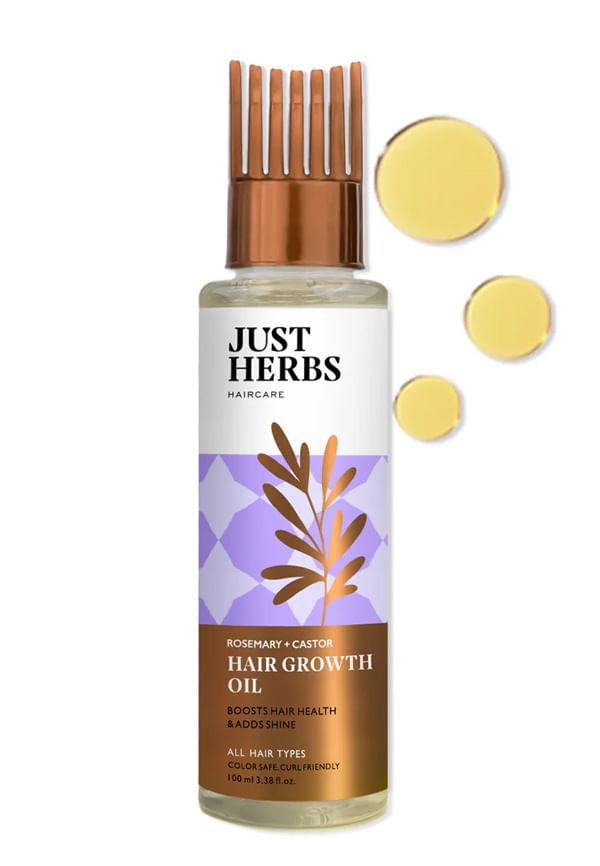
Hair Growth Oil with Rosemary and Castor
Peppermint oil is another circulation booster with a cooling sensation that many men find refreshing. The menthol creates a tingling feeling that indicates increased blood flow to the area. Just remember to dilute it properly — pure peppermint oil can be quite intense on the scalp.
Castor oil contains ricinoleic acid, which has anti-inflammatory properties and may help improve circulation. It's thicker than most oils, making it excellent for very dry or damaged hair, though it can feel heavy if you have fine hair.
Argan oil brings vitamin E and essential fatty acids to the party. It's lighter than castor oil but still deeply nourishing, making it a good middle-ground option for most hair types. Plus, it absorbs relatively quickly, so you won't look like you dunked your head in oil.
Jojoba oil is technically a wax, but it mimics your scalp's natural sebum incredibly well. This makes it excellent for men with oily scalps who still need moisture — it helps balance oil production rather than adding to the greasiness.
Coconut oil is probably the most accessible option and excels at protein retention. It can actually penetrate the hair shaft rather than just sitting on top, making it particularly good for preventing damage and breakage.
Many dermatologists recommend starting with single oils to identify what works for your scalp before moving to complex blends. Commercial formulations often combine multiple oils with added vitamins or plant extracts, which can be effective but make it harder to pinpoint what's actually helping if you see results.
Getting the most from your hair oil routine is all about technique and consistency. Start with a clean, slightly damp scalp — this helps the oil penetrate better than applying to completely dry hair. You don't need much; a few drops go a long way, and using too much will just leave you looking greasy.
Section your hair to ensure even coverage, especially if you have thicker hair. Apply the oil directly to your scalp using your fingertips, not your palms. Work in small sections, focusing on areas where you want to promote hair growth or where you've noticed thinning.
The massage component is crucial — this isn't just about getting oil on your scalp. Spend 5-10 minutes gently massaging in circular motions. This stimulates blood flow and helps the oil penetrate deeper. The pressure should be firm enough to move the scalp slightly but gentle enough that it feels relaxing, not painful.
Timing matters too. Many men find overnight treatments most effective since you have 6-8 hours for the oil to work without worrying about appearance. If overnight feels too intense, try applying oil 30-60 minutes before your regular shampoo routine.
For frequency, start with 2-3 times per week and adjust based on how your scalp responds. Some men can handle daily oiling, while others find it too heavy or notice their scalp becoming overly oily.
The biggest mistake is using too much oil. More isn't better — it just makes washing out harder and can clog pores. Another common error is focusing only on the hair lengths instead of the scalp where growth actually happens. Finally, skipping the massage defeats half the purpose of the treatment.
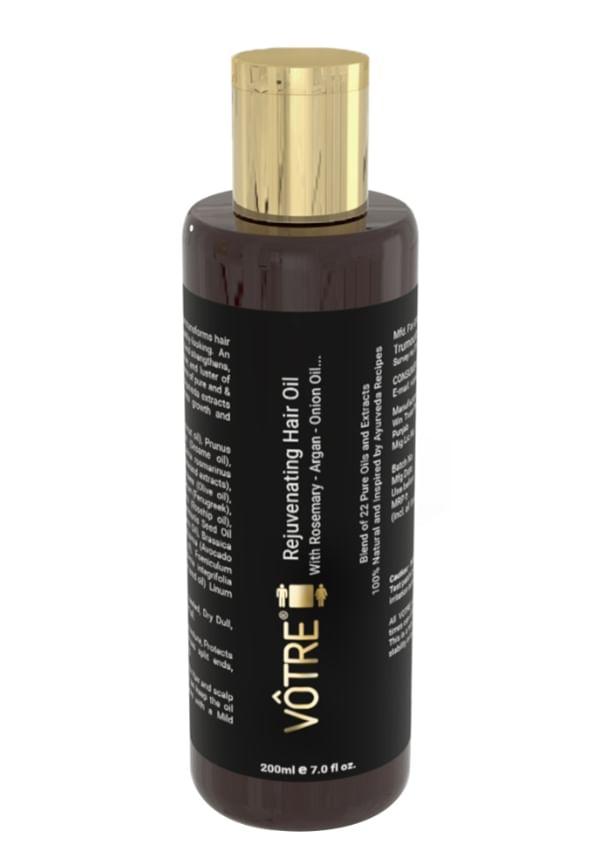
Rejuvenating Hair Oil "With Rosemary & Argan Oil"
When comparing hair thinning solutions for men, it's important to understand where oils fit in the bigger picture. Hair oils work differently from medical treatments like minoxidil or finasteride. While these medications target the hormonal and genetic factors behind hair loss, oils focus on optimising scalp health and supporting existing hair quality.
Many men successfully combine hair oils with medical treatments. The oils can help counteract some of the scalp dryness that minoxidil sometimes causes, and they don't interfere with how these medications work. However, always check with your doctor before adding new products to your routine if you're using prescription hair loss treatments.
For men considering hair transplants, oils can play a supportive role both before and after the procedure. Pre-surgery, they help ensure your scalp is in optimal health. Post-surgery, gentle oil treatments (once your surgeon gives the all-clear) can help keep the scalp moisturised and comfortable during healing.
From a cost perspective, natural hair growth remedies like oils are significantly more affordable than medical treatments or surgical procedures. A good quality hair oil might cost ₹500-2000 and last several months, while prescription treatments can run into thousands monthly.
The key is managing expectations. Hair loss prevention through oils works best as part of a comprehensive approach that might include proper nutrition, stress management, gentle hair care practices, and possibly medical intervention for more advanced hair loss.
Your hair type and scalp condition should guide your oil choice more than marketing claims. If you have fine or thinning hair, heavy oils like castor or coconut can weigh down your strands and make thinning more obvious. Lighter options like jojoba or argan oil work better for this hair type.
Men with thick, coarse hair can handle heavier oils and often benefit from them. Castor oil, coconut oil, or rich blends can provide the deep nourishment that thick hair craves without looking greasy.
If you have an oily scalp, you might think oils are off-limits, but that's not necessarily true. Jojoba oil can actually help regulate sebum production, while tea tree oil (properly diluted) has antimicrobial properties that can help with oily, acne-prone scalps.
For dry, flaky scalps, moisturising oils with anti-inflammatory properties work best. Argan oil, coconut oil, or blends containing ingredients like aloe vera can provide relief from dryness and irritation.
Men with sensitive scalps should start with single-ingredient oils rather than complex blends. Jojoba and argan oils are generally well-tolerated, while essential oils like peppermint or tea tree should be used cautiously and always diluted.
Hair growth oils can support scalp health and improve hair quality, but they won't reverse genetic male pattern baldness or create dramatic new growth. They work best for improving the health and appearance of existing hair, reducing breakage, and creating optimal scalp conditions. The effectiveness depends on your specific hair loss cause, scalp type, and realistic expectations about what oils can achieve.
Most natural hair oils can be used daily, but it's smart to start with 2-3 times per week to see how your scalp responds. Some men find daily use too heavy or notice their hair becoming greasy, while others benefit from daily application. Adjust frequency based on your hair type, the specific oil you're using, and how quickly your scalp absorbs it.
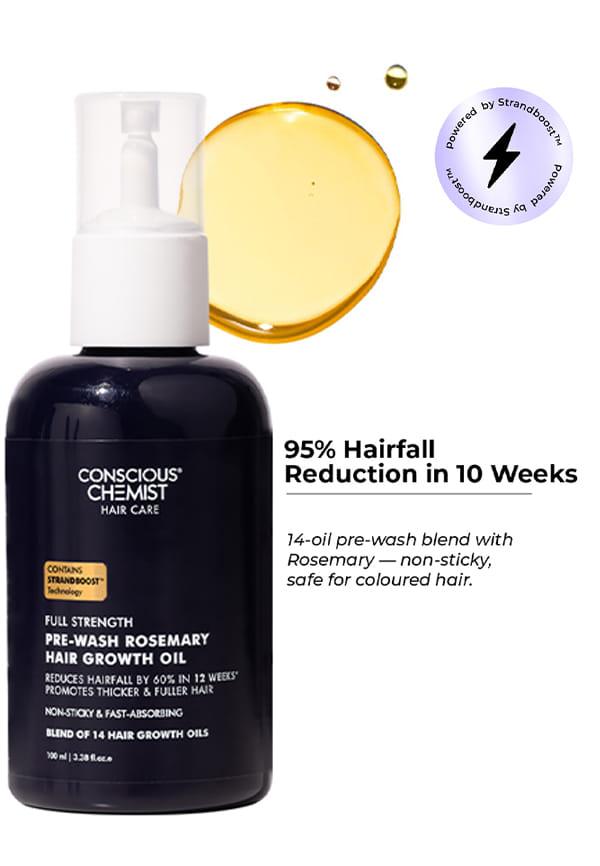
Full Strength Pre Wash Rosemary Hair Growth Oil
The seven key benefits include enhanced scalp circulation and follicle nourishment, reduced hair breakage and increased strand strength, improved scalp pH balance, deep moisturisation preventing dryness, protection against environmental damage, reduced dandruff and scalp irritation, and enhanced hair texture and manageability. These benefits focus on optimising hair health rather than dramatic growth.
There's no single "best" oil since effectiveness depends on individual needs. Rosemary oil has the strongest research support for growth stimulation, while peppermint oil excels at boosting circulation. Jojoba oil works well for most hair types, and castor oil is excellent for very dry or damaged hair. The best approach is choosing based on your specific scalp condition and hair type.
Timeline varies by what you're hoping to achieve. Improved hair texture and reduced dryness typically show within 2-4 weeks. Stronger, less breakage-prone hair usually takes 4-6 weeks of consistent use. Enhanced scalp health improvements appear around 4-8 weeks. For any potential growth stimulation effects, expect 8-12 weeks minimum, and remember that results will be subtle rather than dramatic.
Side effects are rare but possible. Some men experience allergic reactions, scalp irritation, or clogged pores from over-application. Essential oils can cause sensitivity if not properly diluted. Always patch test new oils on a small skin area first, start with small amounts, and discontinue use if you notice persistent irritation, redness, or unusual hair loss.
Both approaches work, depending on your goals. Pre-wash treatments (30-60 minutes before shampooing) allow deep penetration and easy removal. Overnight treatments provide maximum contact time but require thorough washing in the morning. Post-wash application on damp hair works for lighter oils but use sparingly to avoid greasiness. Experiment to find what works best for your routine.
Hair oils won't regrow hair in areas where follicles have already miniaturised due to genetic factors. However, they can help maintain the health of remaining hair around the hairline, reduce breakage that might make recession appear worse, and create optimal scalp conditions. For significant hairline recession, medical treatments or surgical options are more effective solutions.
Hair growth oils for men work best when you understand their actual capabilities rather than expecting miracle results. They excel at supporting scalp health, reducing breakage, and improving the quality of existing hair. While they won't reverse genetic hair loss, they can play a valuable role in maintaining what you have and creating the best possible environment for your hair to thrive.
The key to success lies in choosing the right oil for your specific hair type and scalp condition, applying it correctly with proper massage technique, and maintaining realistic expectations about results. Consistency matters more than the specific brand or price point — a simple, quality oil used regularly will outperform an expensive blend used sporadically.
Remember that hair health is influenced by multiple factors including genetics, hormones, nutrition, stress levels, and overall health. Hair oils are just one piece of the puzzle, albeit a potentially beneficial one when used as part of a comprehensive approach to hair care.
If you're curious about trying different hair growth products but hesitant to commit to full-size bottles, Smytten offers trial-size versions of many hair care products from trusted brands. It's a practical way to test what works for your specific needs before investing in larger quantities — because finding your perfect hair care routine shouldn't require guesswork.
