Hair Growth Ingredients FAQ: Your Questions Answered
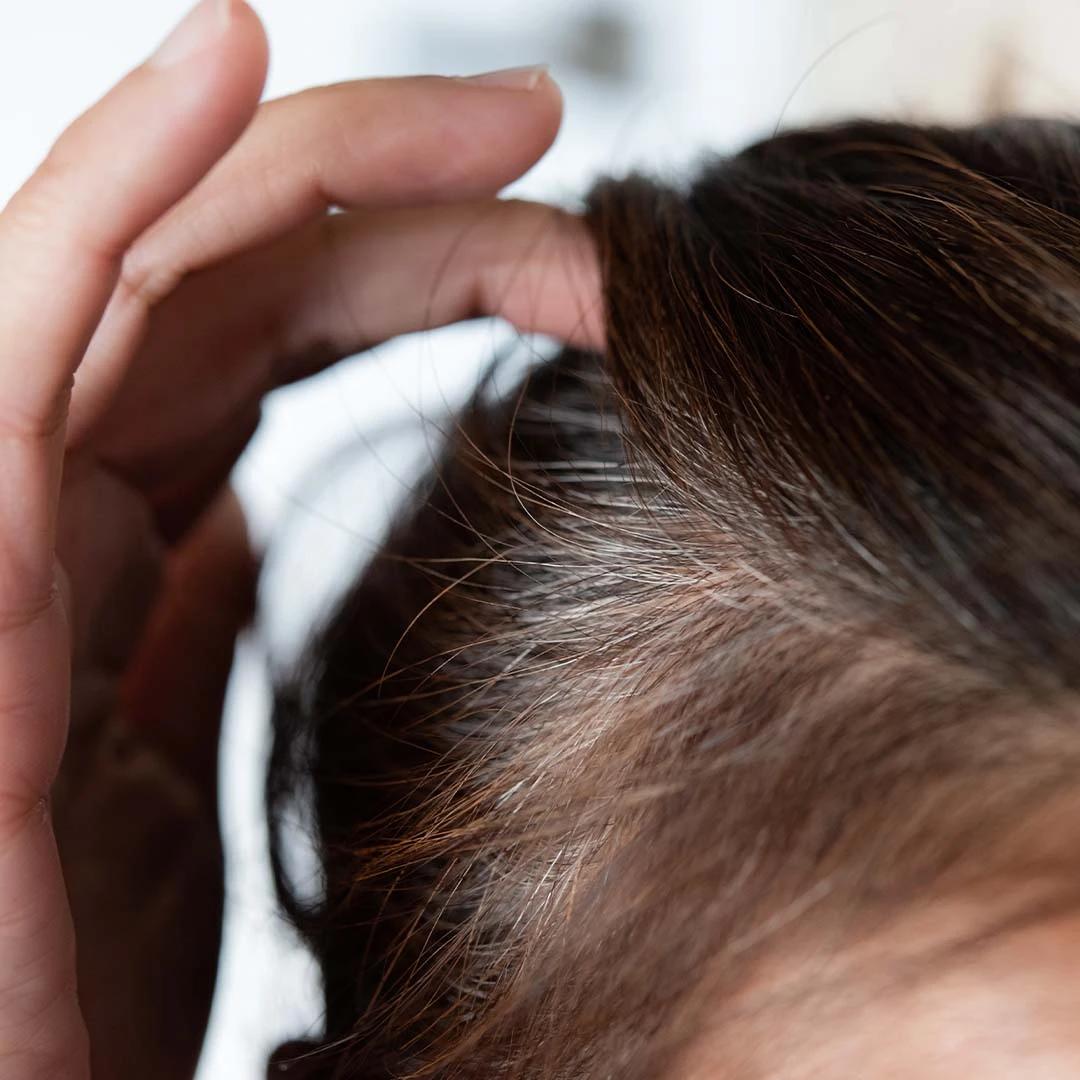

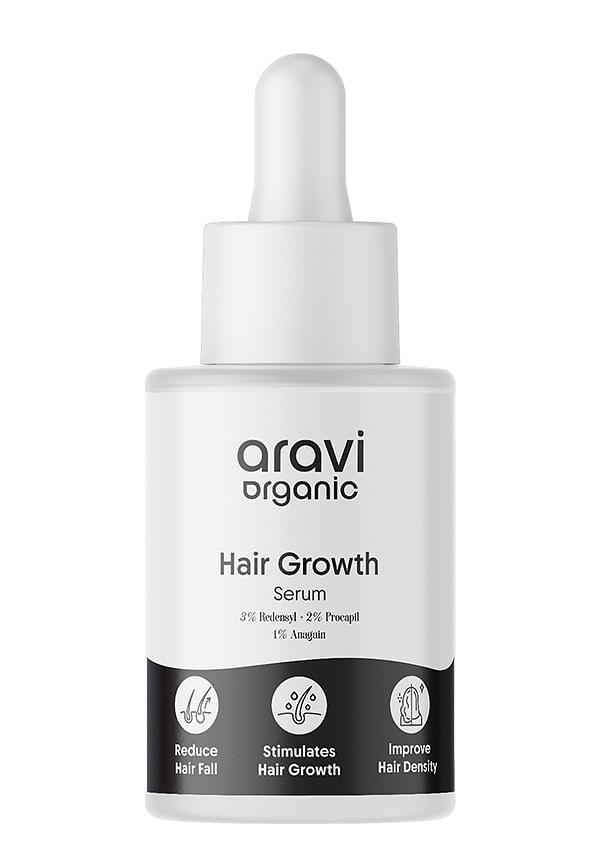
Hair Growth Serum-Redensyle, Anagain, Procapil, Biotin
You've probably been there — standing in the haircare aisle, completely overwhelmed by bottles promising miraculous hair growth. One claims to double your hair thickness in weeks, another swears by ancient botanical secrets, and yet another flashes scientific-sounding ingredient names you can't even pronounce. Real talk: the hair growth world is packed with bold claims, but which ingredients actually deliver? Let's cut through the noise and get to the facts about what really works for your hair.
Here's the thing about hair growth ingredients — there's no single magic bullet, but some have serious science backing them up. The most effective approach often combines proven actives with consistency and realistic expectations. Let's break down the heavy hitters that actually show results in clinical studies.
Minoxidil remains the gold standard for a reason. Originally developed as a blood pressure medication, researchers noticed an interesting side effect — hair growth. This ingredient works by widening blood vessels around hair follicles, improving nutrient delivery and extending the growth phase of your hair cycle. Clinical studies show that 5% minoxidil can increase hair count by up to 45% after 48 weeks of consistent use. The catch? You need to keep using it to maintain results, and some people experience initial shedding as weaker hairs make way for stronger ones.
Rosemary oil for hair has gained serious credibility after a 2015 study compared it directly to 2% minoxidil. After six months, both groups showed similar hair count increases — pretty impressive for a natural option. Rosemary oil works by improving circulation to the scalp and may help block DHT, the hormone linked to pattern hair loss. The key is using it consistently and at the right concentration — typically 3-5 drops mixed with a carrier oil.
Caffeine isn't just for your morning pick-me-up. When applied topically, caffeine can penetrate the hair shaft and stimulate hair follicles. Research suggests it may help counteract the effects of DHT and extend the growth phase of hair. German studies found that caffeine-containing shampoos could reduce hair loss in men with androgenetic alopecia.
Modern hair science has given us some pretty clever ingredient combinations. Redensyl, a blend of plant molecules and zinc, targets hair follicle stem cells to reactivate dormant follicles. Clinical trials showed a 17% increase in hair growth after three months. Procapil, another bioactive complex, combines vitamins and plant extracts to strengthen hair and improve scalp circulation. These ingredients represent the newer generation of hair growth stimulants that work at the cellular level.
Your hair is basically a reflection of your overall health, and certain nutrients play starring roles in hair growth. While topical treatments work from the outside, these internal factors create the foundation for healthy hair growth from within.
Biotin for hair growth gets a lot of attention, and for good reason. This B-vitamin is essential for keratin production — the protein that makes up your hair structure. However, biotin deficiency is actually quite rare, so supplementing only helps if you're genuinely deficient. The recommended daily amount is 30 micrograms, but many supplements contain much higher doses. More isn't always better, and excess biotin can actually interfere with lab tests.
Iron deficiency is one of the most common nutritional causes of hair loss, especially in women. Your hair follicles need adequate oxygen to function properly, and iron helps transport oxygen through your bloodstream. If you're experiencing unexplained hair thinning, it's worth checking your iron levels. Vitamin C helps with iron absorption, making it a valuable supporting player in your hair health routine.
Zinc plays a crucial role in hair tissue growth and repair. It also helps keep the oil glands around hair follicles working properly. Studies have shown that people with alopecia often have lower zinc levels, and supplementation can help improve hair growth in those who are deficient.
Since hair is primarily made of protein, getting enough in your diet is non-negotiable. Your body prioritises protein for essential functions first, so if you're not eating enough, your hair suffers. Aim for about 0.8 grams per kilogram of body weight daily from sources like eggs, fish, legumes, and nuts. Complete proteins that contain all essential amino acids are particularly beneficial for hair health.
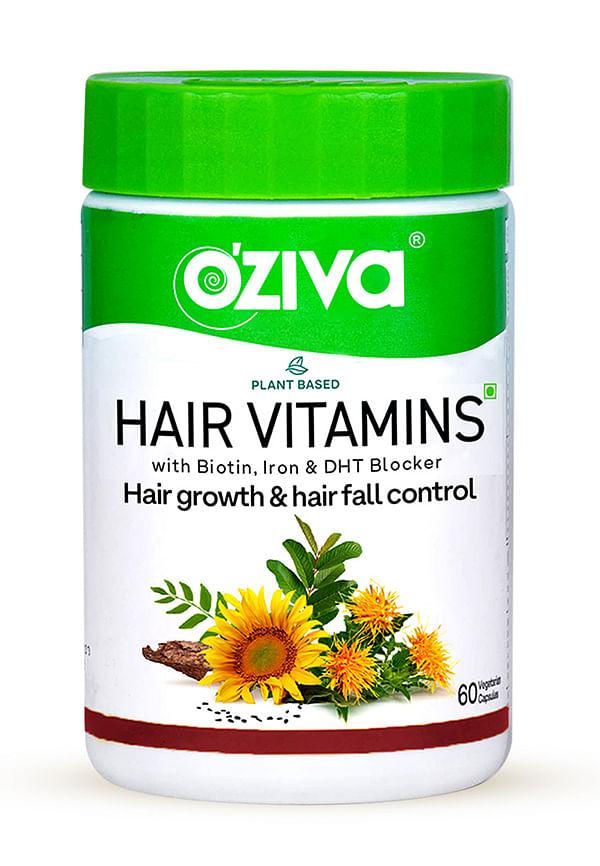
OZiva Plant Based Hair Vitamins | Hair Supplement For Growth & Hair Fall Control (60 Capsules)
Patience is key when it comes to nutritional approaches to hair growth. Since hair grows about 1.25 cm per month, you typically won't see significant changes for 8-12 weeks. The hair you see today actually started growing about three months ago, so any nutritional improvements take time to show up in your actual hair strands.
Traditional hair care wisdom isn't just folklore — many natural ingredients have stood the test of time and modern scientific scrutiny. These natural hair growth remedies offer gentler alternatives to synthetic ingredients while still delivering measurable results.
Amla, or Indian gooseberry, is packed with vitamin C and antioxidants that protect hair follicles from damage. Bhringraj, known as the "king of herbs" for hair, has been used for centuries to promote hair growth and prevent premature greying. Modern research suggests these ingredients work by improving scalp circulation and providing essential nutrients directly to hair follicles.
Fenugreek seeds contain proteins and nicotinic acid that strengthen hair shafts and stimulate growth. The high sulfur content in fenugreek helps rebuild hair structure, making it particularly useful for damaged or chemically treated hair. You can create a paste from soaked fenugreek seeds and apply it as a hair mask for best results.
Onion juice might make you cry, but it could also make your hair grow. The sulfur compounds in onions improve blood circulation to hair follicles and may help regenerate hair follicles. A small study found that people who applied onion juice to their scalp twice daily for six weeks experienced significantly more hair regrowth than those using plain water.
Rice water, the starchy liquid left after cooking rice, contains amino acids, vitamins, and minerals that can strengthen hair and add shine. While the evidence is mostly anecdotal, many people swear by rice water rinses for improving hair thickness and reducing breakage.
Peppermint oil creates a cooling sensation that increases blood flow to the scalp. A 2014 study on mice found that peppermint oil was more effective than minoxidil for promoting hair growth. Always dilute essential oils properly — about 2-3 drops per tablespoon of carrier oil like coconut or jojoba.
Pumpkin seed oil contains compounds that may block 5-alpha reductase, the enzyme that converts testosterone to DHT. A 24-week study found that men taking pumpkin seed oil supplements experienced a 40% increase in hair count compared to the placebo group.
Not all hair loss is created equal, and different types of thinning respond better to specific ingredients for thinning hair. Understanding your particular situation helps you choose the most effective approach.
Male pattern baldness is primarily driven by DHT sensitivity, so ingredients that block this hormone or counteract its effects work best. Saw palmetto, finasteride, and ketoconazole are among the most researched DHT-blocking options. Combination approaches often work better than single ingredients — many men find success combining minoxidil with DHT blockers for comprehensive coverage.
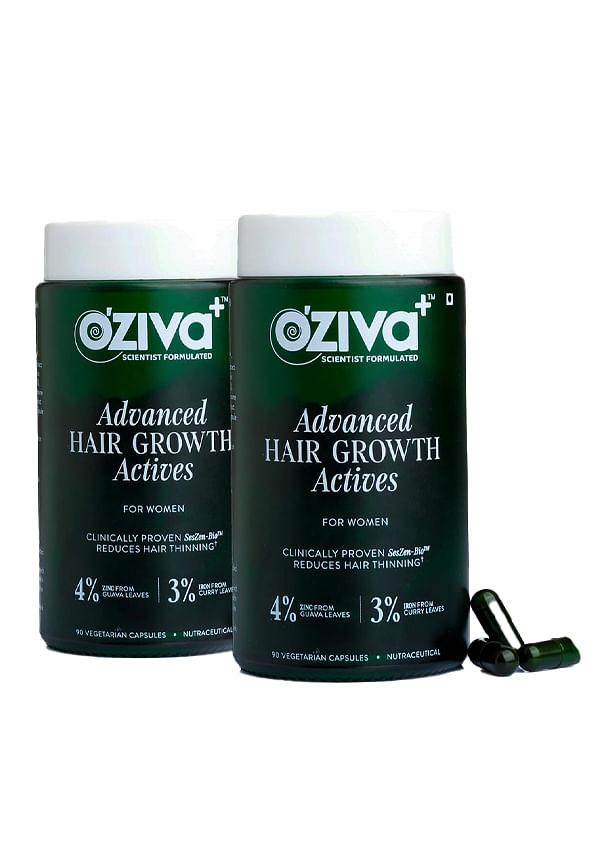
Advanced Hair Growth Actives | Anti-Thinning Hair Formula for Women
Female hair loss often involves hormonal fluctuations, particularly during menopause or postpartum periods. Gentler formulations work better for women, who may have more sensitive scalps. Ingredients like adenosine, peptides, and plant-based growth factors can stimulate hair follicles without harsh side effects. Iron supplementation is particularly important for women, as iron deficiency is a common cause of female hair loss.
Fine hair benefits from lightweight formulations that won't weigh strands down. Look for ingredients like niacinamide and peptides that strengthen without adding bulk. Thick, coarse hair can handle richer treatments with oils and butters. Oily scalps do better with water-based serums, while dry scalps benefit from nourishing oils that provide moisture along with growth benefits.
Having the right ingredients is only half the battle — application technique and consistency make the difference between seeing results and wasting your time. Here's how to maximise the effectiveness of your hair thickening ingredients.
Scalp massage isn't just relaxing — it actually improves ingredient absorption and stimulates blood flow. Spend 2-3 minutes gently massaging your scalp with fingertips when applying treatments. Apply products to clean, slightly damp hair for better penetration. Part your hair into sections to ensure even coverage, especially if you're targeting specific areas of thinning.
More isn't always better when it comes to hair growth ingredients. Some combinations can irritate your scalp or cancel each other out. Avoid using multiple strong actives at once — introduce one new ingredient at a time and give it at least 4-6 weeks to show results. Oil-based and water-based products don't mix well, so apply them at different times or choose one type for consistency.
Hair growth is a slow process, and visible results typically take 3-6 months of consistent use. The hair growth cycle includes a resting phase, so some initial shedding is normal when you start new treatments. Take progress photos and measurements rather than relying on daily mirror checks — gradual changes are easier to spot when you compare over longer periods.
While minoxidil is highly effective, some people prefer natural alternatives due to side effects or personal preference. These plant-based options offer gentler approaches to stimulating hair growth and supporting hair follicle health.
Saw palmetto extract works similarly to prescription DHT blockers but with fewer side effects. Studies suggest it can reduce DHT levels by up to 32% when taken orally. Topical applications may also help, though research is more limited. Green tea extract contains EGCG, a compound that may inhibit 5-alpha reductase and protect hair follicles from damage.
Ginseng has been shown to promote hair growth by extending the anagen (growth) phase and increasing hair follicle size. Korean red ginseng appears to be particularly effective, with studies showing increased hair density after 16 weeks of use. Ginkgo biloba improves blood circulation throughout the body, including the scalp, potentially delivering more nutrients to hair follicles.
Capsaicin, the compound that makes chili peppers hot, can stimulate blood flow when applied topically. Some studies suggest it may help activate dormant hair follicles, though it should be used carefully to avoid scalp irritation.
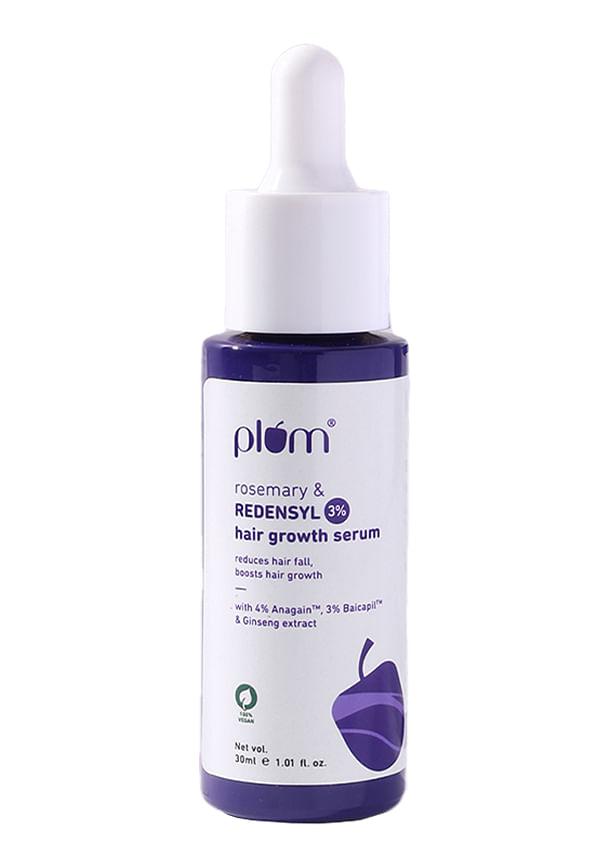
Hair Growth Serum | With Rosemary, 3% Redensyl, 4% Anagain, 3% Baicapil, & Ginseng Extract
Natural alternatives typically show more modest results than pharmaceutical options, but they often come with fewer side effects. Combination approaches using multiple natural ingredients may provide better results than single-ingredient treatments. The key is consistency — natural options often take longer to show results but may be more sustainable long-term.
Not necessarily. Natural doesn't automatically mean safe — many people have allergic reactions to plant-based ingredients. Essential oils, for example, can cause severe scalp irritation if used incorrectly. Always patch test new ingredients and start with lower concentrations. Some synthetic ingredients like minoxidil have extensive safety data from decades of use, while newer natural ingredients may have limited research on long-term effects.
Yes, but introduce them gradually. Start with one proven ingredient and give it 4-6 weeks to show results before adding another. Some combinations work synergistically — like vitamin C helping iron absorption — while others may cause irritation. Avoid mixing too many active ingredients at once, and pay attention to how your scalp responds. If you experience redness, itching, or increased hair loss, scale back your routine.
Most people start noticing changes around 8-12 weeks, with more significant results at 4-6 months. Hair grows in cycles, so initial shedding is normal as weaker hairs make way for stronger ones. The timeline depends on the ingredient, your individual response, and the severity of hair loss. Nutritional deficiencies may show improvement faster than genetic hair loss patterns.
Hair growth stimulants focus on encouraging new hair growth from dormant follicles or extending the growth phase of existing hairs. Examples include minoxidil, caffeine, and rosemary oil. Hair thickening ingredients work by strengthening existing hair strands to reduce breakage and create the appearance of fuller hair. These include proteins, ceramides, and volumising polymers. Many people benefit from using both types together.
If you're experiencing sudden or severe hair loss, it's worth seeing a professional first. Underlying conditions like thyroid disorders, autoimmune diseases, or nutritional deficiencies need proper medical treatment. A dermatologist can also help determine the cause of your hair loss and recommend the most appropriate treatment approach. For gradual thinning or maintenance, starting with gentler ingredients is usually fine.
Yes, but they work best for slowing progression rather than completely reversing genetic hair loss. Ingredients that block DHT or stimulate blood flow can help maintain existing hair and potentially slow further thinning. The earlier you start treatment, the better the results tend to be. Genetic hair loss is progressive, so consistent long-term use is typically necessary to maintain benefits.
The world of hair growth ingredients offers both proven solutions and promising natural alternatives. Minoxidil remains the gold standard for effectiveness, but options like rosemary oil for hair and biotin for hair growth provide gentler approaches with solid research backing. The key to success lies in choosing ingredients that match your specific needs, applying them consistently, and maintaining realistic expectations about timelines.
Remember that hair growth is a marathon, not a sprint. Most effective ingredients require 3-6 months of consistent use to show significant results. Whether you choose pharmaceutical options, natural hair growth remedies, or a combination approach, patience and consistency are your best allies in achieving healthier, fuller hair.
Not sure which hair growth ingredients might work for your specific concerns? Smytten offers trial-size versions of many hair growth products from trusted brands — a smart way to test different formulations before committing to full-size bottles. With options ranging from scalp serums to growth-boosting shampoos, you can explore what works best for your hair type and concerns without the guesswork.
