Hair Growth at Home: Your Complete Guide to Success

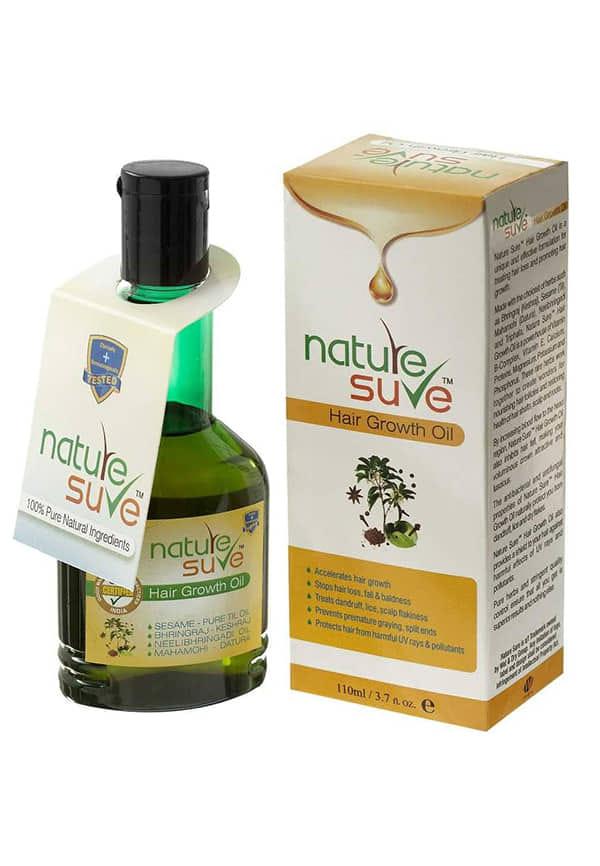
Hair Growth Oil for Darker and Stronger Hair in Men and Women
Let's be real—we've all been there. Staring at our reflection, wondering why our hair seems to grow at the speed of a lazy snail. Whether you're dealing with post-haircut regret or just dreaming of longer, thicker locks, the good news is that effective hair growth tips at home don't require expensive salon visits or mysterious potions. Your kitchen cupboard and a bit of consistency might just be your hair's new best friends. From understanding what actually makes hair grow to creating DIY treatments that work, we're diving into everything you need to know about natural hair growth that actually delivers results.
Before jumping into treatments and remedies, it's worth understanding how hair growth actually works. Your hair follows a fascinating three-phase cycle that determines everything from growth rate to thickness. The anagen phase is where the magic happens—this is when your hair actively grows. It lasts anywhere from two to seven years, and about 85% of your hair is in this phase at any given time. Then comes the catagen phase, a brief two-week transition where growth stops. Finally, the telogen phase is when hair rests for about three months before naturally shedding to make room for new growth. Here's what affects your hair growth rate: • Genetics: Your family tree largely determines your hair's growth potential • Age: Hair growth typically slows down as we get older • Hormones: Pregnancy, menopause, and thyroid issues can all impact growth • Nutrition: What you eat directly affects hair health • Stress levels: High stress can push hair into the resting phase prematurely Realistically, hair grows about half an inch per month or six inches per year. Those promising overnight transformations? They're usually not realistic. But with the right healthy hair tips, you can optimise your hair's natural growth potential and improve its overall health and appearance.
Your hair is essentially a reflection of your overall health, and natural hair growth starts from the inside out. Think of your follicles as tiny factories that need the right raw materials to produce strong, healthy strands.
Hair is made up of about 95% protein, specifically keratin. Without adequate protein intake, your hair becomes weak, brittle, and grows more slowly. Aim for protein at every meal—eggs are particularly brilliant because they contain biotin and other B vitamins essential for hair health. Fish like salmon provides protein plus omega-3 fatty acids that keep hair shiny. Plant-based options like beans, lentils, and nuts work just as well for building those keratin blocks.
Iron deficiency is one of the most common causes of hair loss, especially in women. Load up on spinach, lean meats, and lentils. Zinc helps with hair tissue growth and repair—pumpkin seeds and chickpeas are excellent sources. Vitamins A, C, and E act as antioxidants, protecting hair follicles from damage. Sweet potatoes, citrus fruits, and avocados should become your new favourites.
Dehydration doesn't just affect your skin—it impacts hair growth too. When you're not drinking enough water, your body prioritises essential organs over hair follicles. Aim for at least eight glasses daily, and you'll notice your hair feels softer and looks shinier within a few weeks.
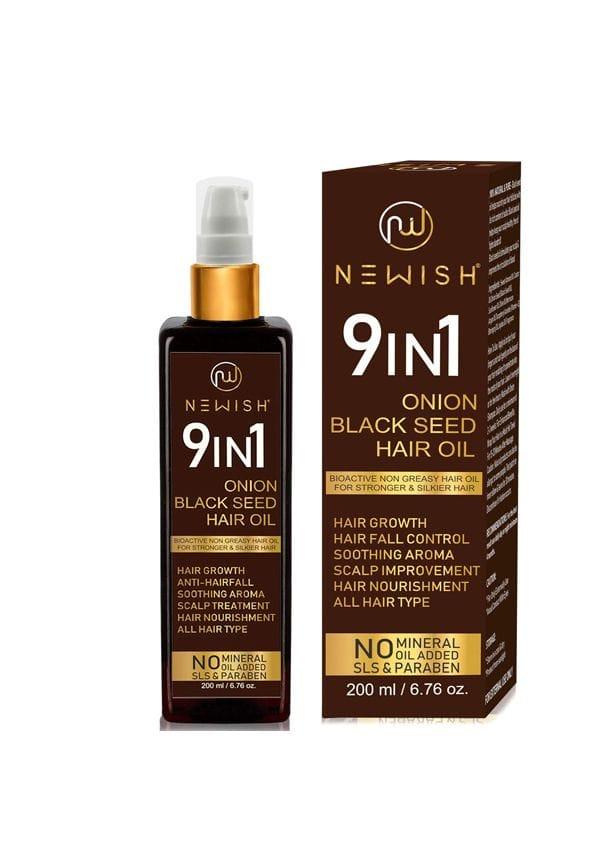
Onion Hair Oil For Hair Growth For Men & Women
Now for the fun part—hair growth remedies you can whip up at home. These treatments focus on improving scalp circulation and nourishing follicles with natural ingredients that have been used for centuries.
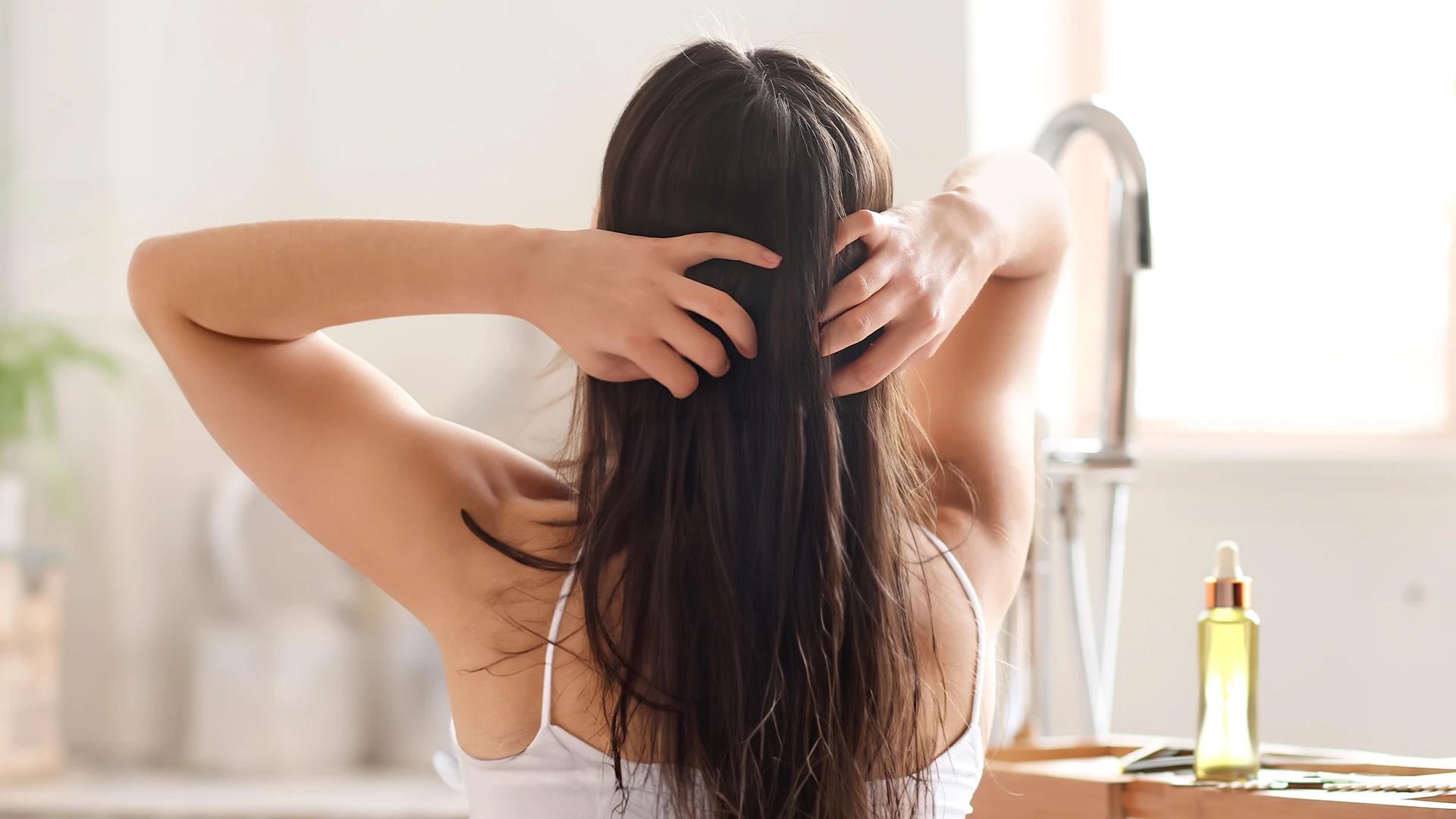
Scalp massage isn't just relaxing—it's one of the most effective ways to stimulate hair growth. Use your fingertips (not nails) to apply gentle pressure in circular motions, starting from your temples and working towards the crown. Spend at least five minutes daily on this ritual. For extra benefits, warm up coconut oil or castor oil slightly and massage it in. Castor oil is particularly brilliant because it's rich in ricinoleic acid, which improves circulation.
These DIY hair masks are game-changers for anyone serious about hair growth: Coconut Oil and Honey Mask: Mix two tablespoons of coconut oil with one tablespoon of honey. Apply from roots to tips, leave for 30 minutes, then shampoo out. This combination moisturises while providing antimicrobial benefits. Hibiscus Flower Paste: Blend fresh hibiscus flowers with a little water to create a paste. This traditional remedy is packed with amino acids that strengthen hair follicles. Apply weekly for best results. Aloe Vera and Rosemary Treatment: Mix fresh aloe vera gel with a few drops of rosemary essential oil. Aloe vera soothes the scalp while rosemary oil has been shown in studies to be as effective as some commercial hair growth treatments.
Essential oils are concentrated powerhouses for hair growth. Peppermint oil increases circulation dramatically—studies show it can be more effective than some commercial treatments. Always dilute essential oils with a carrier oil like jojoba or sweet almond oil. A good ratio is 3-5 drops of essential oil per tablespoon of carrier oil. Ginger juice applied directly to the scalp can also stimulate growth, but test a small area first as it can be quite potent.
Knowing how to grow hair faster isn't just about treatments—it's about protecting what you've got and creating the best environment for growth. Small daily habits make a massive difference over time.
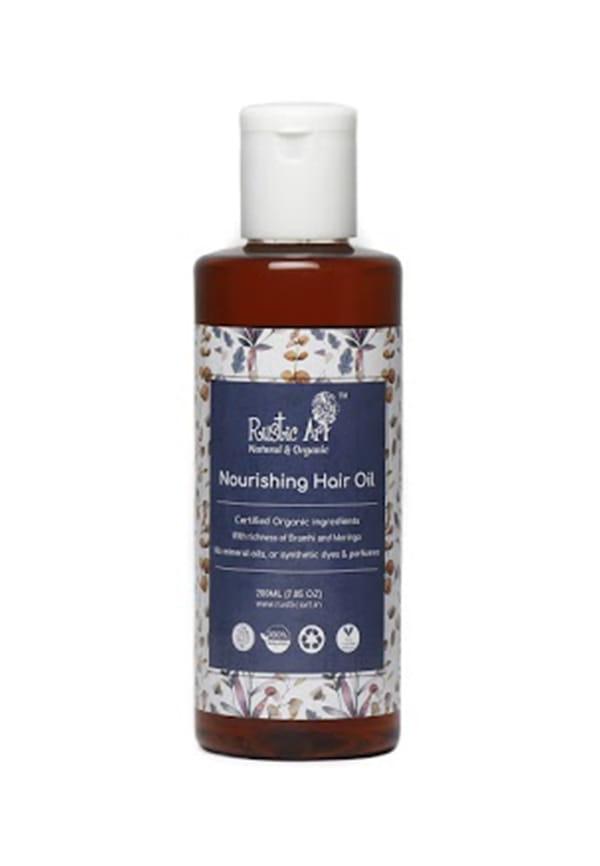
Organic Nourishing Hair Oil
Your hair is most vulnerable when wet, so treat it like delicate silk. Use a wide-tooth comb and start detangling from the ends, working your way up. Never brush wet hair aggressively. Swap your regular towel for a microfiber one or even a cotton t-shirt—these materials cause less friction and reduce breakage. When sleeping, try a silk or satin pillowcase to prevent hair from catching and breaking.
Heat styling tools can seriously damage hair cuticles, leading to breakage that makes hair appear to grow more slowly. If you must use heat, apply a heat protectant and keep temperatures below 180°C. Air-drying might take longer, but your hair will thank you. Chemical treatments like bleaching or perming can also weaken hair structure, so space these out as much as possible.
Just like your face, your scalp benefits from regular exfoliation. Product buildup, dead skin cells, and excess oil can clog follicles and slow growth. Once weekly, mix brown sugar with olive oil to create a gentle scrub. Massage it into your scalp for a few minutes before shampooing. This simple step can make a noticeable difference in how healthy your scalp feels.
Sometimes the key to longer hair isn't growing it faster—it's learning how to stop hair fall and breakage. Hair that breaks off at the same rate it grows will never get longer, no matter how many growth treatments you try. Stress is a major culprit behind hair loss. When you're stressed, your body produces cortisol, which can push hair follicles into the resting phase prematurely. Regular exercise, meditation, or even just taking time for hobbies you enjoy can help manage stress levels and protect your hair. Tight hairstyles like high ponytails, braids, or buns can cause traction alopecia—hair loss from constant pulling. Give your hair breaks between tight styles, and vary where you place hair ties to avoid always stressing the same areas. Environmental factors also play a role. UV rays can damage hair just like they damage skin, so wear a hat in strong sun. Chlorine from swimming pools is particularly harsh, so wet your hair with clean water before swimming and use a leave-in conditioner for protection. Pay attention to your hair loss patterns too. Losing 50-100 hairs daily is normal, but if you notice sudden increases, bald patches, or thinning in specific areas, it might be time to consult a dermatologist.
With all these hair growth tips at home, it's easy to feel overwhelmed. The secret is creating a sustainable routine that fits your lifestyle. Start with just one or two changes and build from there. Week 1-2: Focus on nutrition and hydration. Add more protein to your meals and increase your water intake. Week 3-4: Introduce scalp massage into your routine. Just five minutes daily while watching TV or before bed. Week 5-6: Try your first DIY hair mask. Choose one that appeals to you and use it weekly. Week 7-8: Evaluate your hair handling habits. Switch to a microfiber towel and be gentler when detangling. Track your progress with photos taken in the same lighting and from the same angles. Hair growth is slow, so monthly photos will help you see changes that daily mirror checks might miss. When exploring new haircare products to support your growth journey, platforms like Smytten make it easier to discover what works for your hair type. With trial-sized products from trusted brands, you can test different treatments without committing to full-size purchases. This approach lets you experiment with various hair growth treatments and find your perfect routine without the usual trial-and-error costs.

Jonk Tail Hair Oil for Men and Women
Combine scalp massage, proper nutrition, and gentle hair care. Focus on protein-rich foods, stay hydrated, and use natural oils like castor or coconut oil for regular scalp massages. Consistency is key—results typically show after 6-8 weeks.
This isn't realistic, as hair naturally grows about half an inch per month. However, you can optimise growth by improving scalp circulation, eating protein-rich foods, and using growth-stimulating treatments like rosemary oil massages.
Focus on scalp health with regular exfoliation, use thickening masks with ingredients like hibiscus or aloe vera, and ensure adequate protein intake. Avoid heat styling and tight hairstyles that can cause breakage and thinning.
While significant regrowth in 3 weeks isn't possible, you can start seeing improved hair health. Begin with daily scalp massages, increase protein intake, and use natural treatments like onion juice or rosemary oil to stimulate follicles.
See a dermatologist if you notice sudden hair loss, bald patches, scalp irritation, or if you're losing more than 100 hairs daily consistently. These could indicate underlying health issues that need professional treatment.
Most natural remedies are safe, but some people may experience allergic reactions. Always patch test new ingredients, especially essential oils. If you have sensitive skin or scalp conditions, consult a dermatologist before trying new treatments.
Achieving healthy hair growth at home isn't about finding one miracle cure—it's about creating a holistic approach that nourishes your hair from inside and out. The most effective hair growth tips at home combine proper nutrition, gentle care, and consistent natural treatments. Remember that hair growth is a marathon, not a sprint. While you might not see dramatic changes overnight, the combination of scalp massages, nutritious foods, and protective styling will gradually improve your hair's health, strength, and growth rate. The key is patience and consistency with whichever methods work best for your lifestyle. Smytten's approach to product discovery perfectly complements this journey—when you're ready to explore professional haircare products alongside your natural routine, being able to try before you buy ensures you find treatments that truly work for your unique hair needs. After all, why settle for 'maybe' when you can try it all and find what genuinely transforms your hair growth journey?
