Hair Frizz Control Tips FAQ: Your Questions Answered

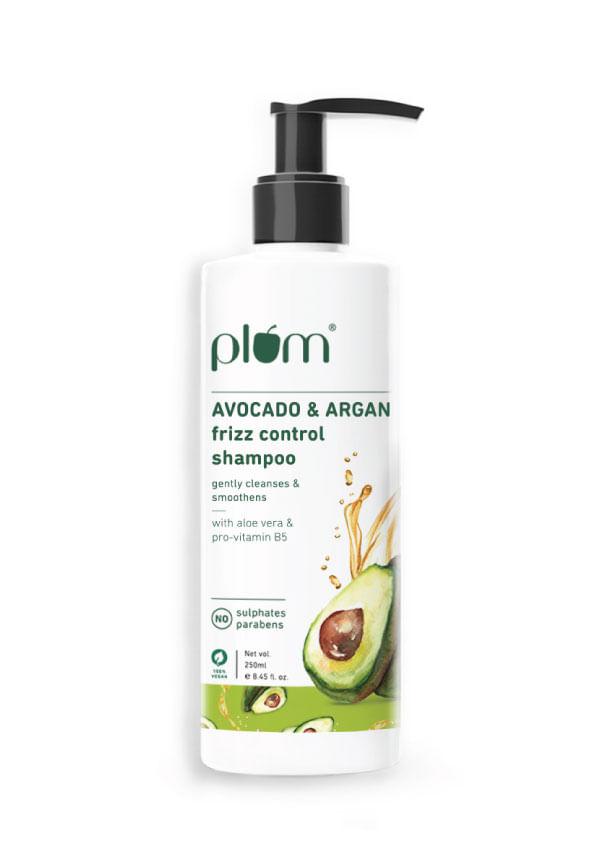
Avocado & Argan Frizz Control Shampoo For Curly, Wavy, Frizzy Hair
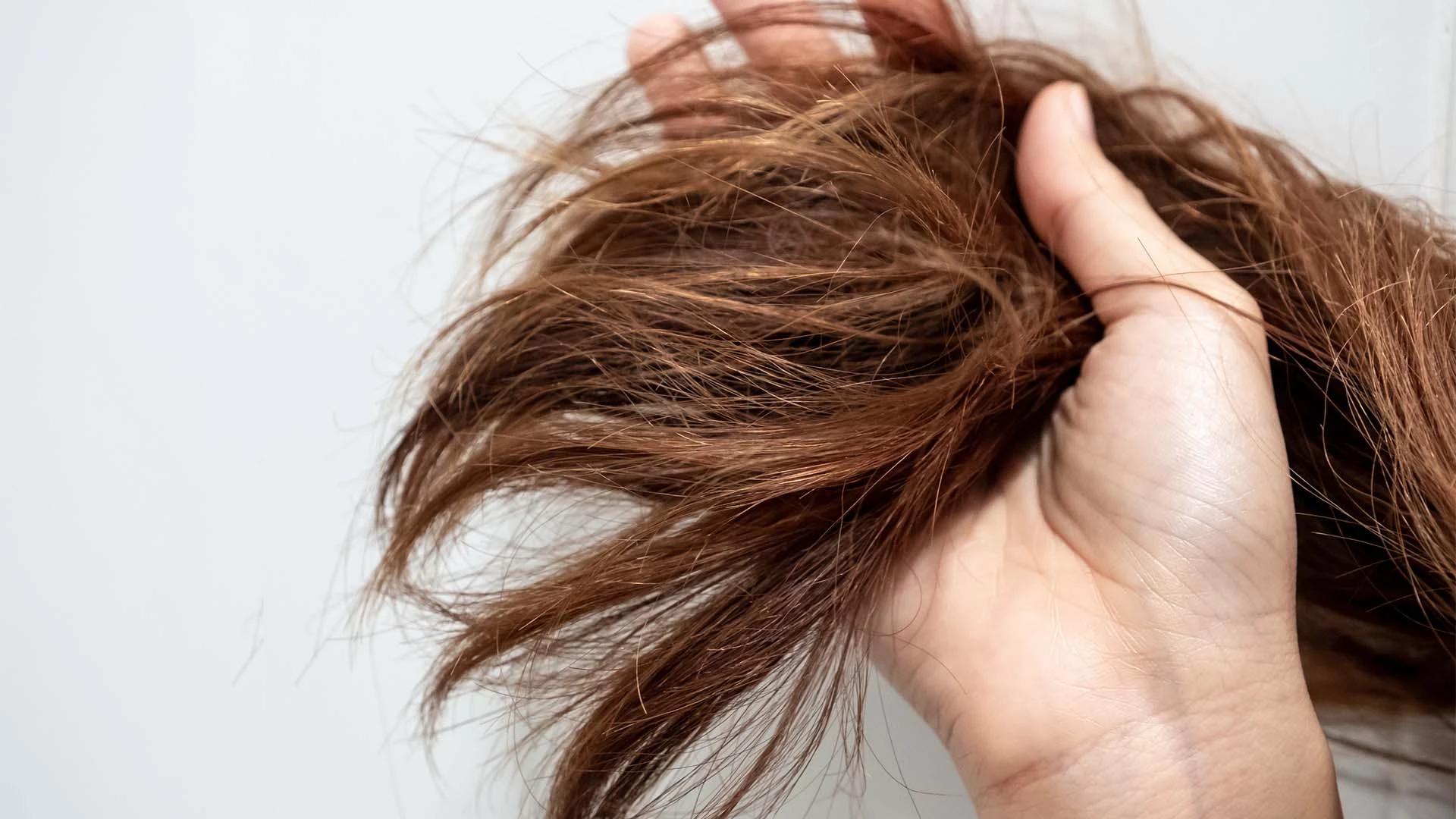
You know that moment when you step outside and your hair instantly transforms into something that looks like you've been struck by lightning? Yeah, we've all been there. One minute you're feeling confident with your smooth locks, the next you're frantically trying to tame what looks like a lion's mane in the nearest mirror. Frizz has this annoying habit of showing up at the worst possible times, and let's be real — it can make even the best hair day turn into a complete disaster. But here's the thing: frizz isn't some mysterious hair curse you're stuck with forever. With the right hair frizz control tips and a bit of know-how, you can actually get your hair to behave.
Before we dive into solutions, let's talk about what's actually happening when your hair decides to go rogue. Frizz isn't just your hair being difficult — it's actually your strands crying out for moisture. When your hair cuticles (the outer layer of your hair shaft) are damaged or lifted, they can't lock in moisture properly. This creates an uneven surface that catches light differently, making your hair look rough and unruly.
The main culprits behind frizzy hair are pretty straightforward: moisture loss, cuticle damage, and sometimes just plain old genetics. If your parents dealt with frizz, chances are you might too. But don't worry — genetics isn't a life sentence when it comes to managing frizzy hair.
Moisture loss is the biggest villain here. When your hair lacks hydration, the cuticles lift up to grab moisture from the air around you. This is why your hair might look fine indoors but turn into a frizz fest the moment you step outside on a humid day.
Humidity is basically frizz's best friend. When there's moisture in the air, damaged hair cuticles act like tiny sponges, soaking up that humidity and swelling up. This creates that puffy, uncontrollable texture we all know and definitely don't love.
Heat styling without protection, rough towel drying, and using products with harsh sulfates are some sneaky frizz triggers. Even something as simple as brushing wet hair can cause cuticle damage that leads to frizz later on.
Fine hair tends to get frizzy around the crown and can look limp with too much product. Thick hair often gets frizzy all over and needs heavier treatments. Curly hair has its own frizz patterns that usually need specific curl-enhancing products to tame frizzy hair effectively.
Sometimes you need frizzy hair solutions that work right now, not after a week of perfect hair routines. Whether you're running late for work or dealing with unexpected weather, these quick fixes can save the day. The key is having the right techniques and products on hand for those hair emergencies we all face.
Wet your hands slightly and smooth them over your hair to add instant moisture. A tiny drop of hair oil or serum worked through your palms can also help seal the cuticles quickly.
Keep a small spray bottle with water and a few drops of leave-in conditioner by your mirror. A quick spritz and gentle scrunching can revive yesterday's style and reduce morning frizz in seconds.
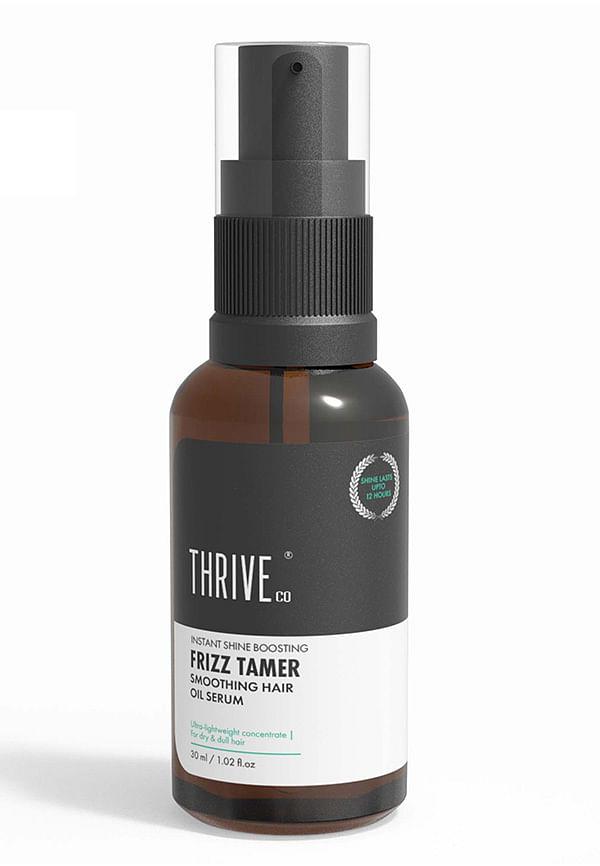
Frizz Tamer Smoothening Hair Oil
This might sound brutal, but a final cold water rinse after washing helps seal your hair cuticles. The cold temperature forces the cuticles to lie flat, creating a smoother surface that's less prone to frizz.
Argan oil and coconut oil are top picks for quick frizz control. Warm a tiny amount between your palms and press it into the mid-lengths and ends of your hair, avoiding the roots to prevent greasiness.
Creating a consistent routine is where the real magic happens for long-term frizz control. It's not about using a million products — it's about using the right ones in the right way. Your daily routine should focus on maintaining moisture, protecting your hair from damage, and keeping those cuticles as smooth as possible. Think of it as building a protective shield around each strand.
Washing your hair 2-3 times a week is usually the sweet spot for most hair types. Over-washing strips natural oils that help keep frizz at bay, while under-washing can lead to product buildup that weighs hair down.
Sulfates are harsh detergents that can strip your hair of its natural oils, leading to dryness and frizz. Switching to sulfate-free shampoos helps maintain your hair's natural moisture barrier.
Ditch the regular towel and use a microfiber towel or even a cotton t-shirt to gently squeeze water from your hair. The smoother surface creates less friction and reduces cuticle damage.
Always use a heat protectant before styling, and keep tools on medium heat rather than the highest setting. If you have curly hair, a diffuser attachment can help dry your hair without disrupting your natural curl pattern.
Sometimes the best solutions are sitting right in your kitchen. Natural hair frizz remedies have been around for ages because they actually work. These treatments focus on deeply nourishing your hair and restoring moisture from the inside out. Plus, they're usually gentler than commercial treatments and won't break the bank. The key is consistency — natural treatments work best when used regularly over time.
Mix mashed avocado with honey and olive oil for a deeply moisturising mask. Leave it on for 20-30 minutes before washing out with cool water. The natural fats and proteins help repair damaged cuticles.
Coconut oil penetrates the hair shaft better than most oils, making it excellent for dry frizzy hair. Argan oil is lighter and works well for fine hair, while jojoba oil closely mimics your scalp's natural sebum.
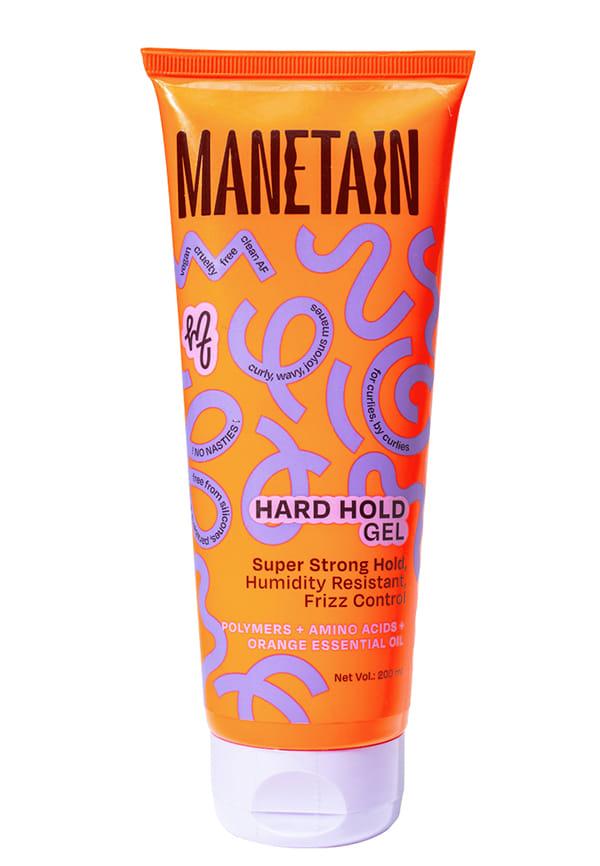
Frizz Control Hard Hold Gel
Mix one part apple cider vinegar with three parts water for a final rinse after shampooing. The acidic pH helps smooth the cuticles and removes product buildup that can contribute to frizz.
Set aside time once a week for a proper deep conditioning treatment. Apply the treatment to damp hair, cover with a shower cap, and let it work for at least 15 minutes before rinsing thoroughly.
The world of anti frizz products can feel overwhelming, but you don't need to spend a fortune to get results. The key is understanding what ingredients actually work and how to layer products properly. Some drugstore gems perform just as well as their expensive counterparts, while certain professional products are worth the investment for specific hair types. Focus on finding products that work for your particular frizz pattern and hair texture.
Look for leave-in conditioners with ingredients like glycerin, panthenol, and natural oils. These help maintain moisture throughout the day and create a protective barrier against humidity hair control issues.
Silicone-based serums provide immediate smoothing but use them sparingly. Oil-based serums offer longer-term nourishment and are better for very dry hair types.
In high humidity, look for products with film-forming polymers that create a barrier against moisture. In dry climates, focus on hydrating products that prevent moisture loss from your hair.
Apply products from thinnest to thickest consistency: leave-in conditioner first, then serum or oil, and finish with any styling products. This ensures each product can penetrate properly without being blocked by heavier formulas.
Real frizz control goes beyond just the products you use — it's about creating an environment where your hair can thrive. Small lifestyle changes can make a huge difference in achieving frizz free hair over time. These adjustments might seem minor, but they add up to create significant improvements in your hair's overall health and manageability. Think of them as investments in your hair's future.
Cotton pillowcases create friction that can rough up your cuticles while you sleep. Silk or satin pillowcases allow your hair to glide smoothly, reducing overnight frizz and tangles.
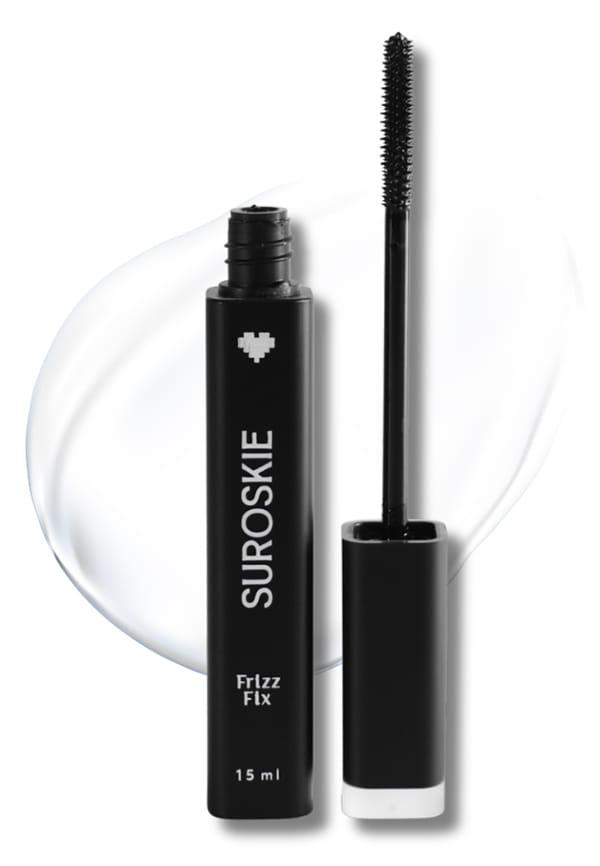
Anti Frizz Hair Stick
Never brush wet hair unless you're using a wide-tooth comb or detangling brush. Start from the ends and work your way up to avoid pulling and breaking the hair shaft.
Your hair reflects your overall health. Drinking plenty of water and eating foods rich in omega-3 fatty acids, vitamins, and proteins can improve your hair's moisture retention from the inside out.
UV rays, pollution, and harsh weather can all contribute to cuticle damage. Wearing a hat or using products with UV protection helps maintain your hair's health and reduces frizz-causing damage.
Start with a good moisturising shampoo and conditioner, avoid over-washing, and always use a heat protectant when styling. Regular deep conditioning treatments and sleeping on silk or satin pillowcases can also make a significant difference. The key is consistency with your routine and using products suited to your specific hair type.
Your conditioner might not be moisturising enough for your hair type, or you might be rinsing it out too thoroughly. Try leaving a small amount of conditioner in your hair or switching to a heavier, more nourishing formula. Also, check if you're using products with sulfates or alcohol, which can counteract conditioning benefits.
Yes, coconut oil can be very effective for reducing frizz, especially on dry or damaged hair. It penetrates the hair shaft to provide deep moisture and creates a protective barrier against humidity. However, use it sparingly — a little goes a long way, and too much can make your hair look greasy.
Absolutely. Hard water contains minerals that can build up on your hair, making it feel rough and look dull. This buildup can prevent moisture from penetrating your hair properly, leading to dryness and frizz. Consider using a clarifying shampoo weekly or installing a water softener if hard water is a persistent problem.
Getting a trim every 6-8 weeks helps remove split ends that can travel up the hair shaft and cause more frizz. Regular trims keep your hair healthy and make it easier to manage. If you have very damaged hair, you might need more frequent trims initially.
Frizz is often a symptom of damaged hair, but not all frizz indicates damage. Some people naturally have frizz-prone hair due to their hair's structure. Damaged hair typically shows other signs like split ends, breakage, and extreme dryness, while natural frizz might just be about moisture balance and humidity control.
Managing frizzy hair doesn't have to be a daily battle. With the right combination of products, techniques, and lifestyle adjustments, you can achieve smoother, more manageable hair that looks great in any weather. Remember, everyone's hair is different, so what works for your friend might not work for you — and that's completely normal.
The key is to be patient with the process and consistent with your routine. Start with the basics: gentle cleansing, proper conditioning, and protecting your hair from damage. From there, you can experiment with different products and techniques to find what works best for your specific hair type and lifestyle.
If you're looking to try different anti-frizz products without committing to full-size bottles, Smytten offers trial-size versions of many popular hair care products from trusted brands. It's a smart way to test what works for your hair before investing in larger quantities, plus you get cashback that you can use for future purchases when you find your perfect frizz-fighting routine.
