Hair Frizz Control Methods FAQ: Your Questions Answered
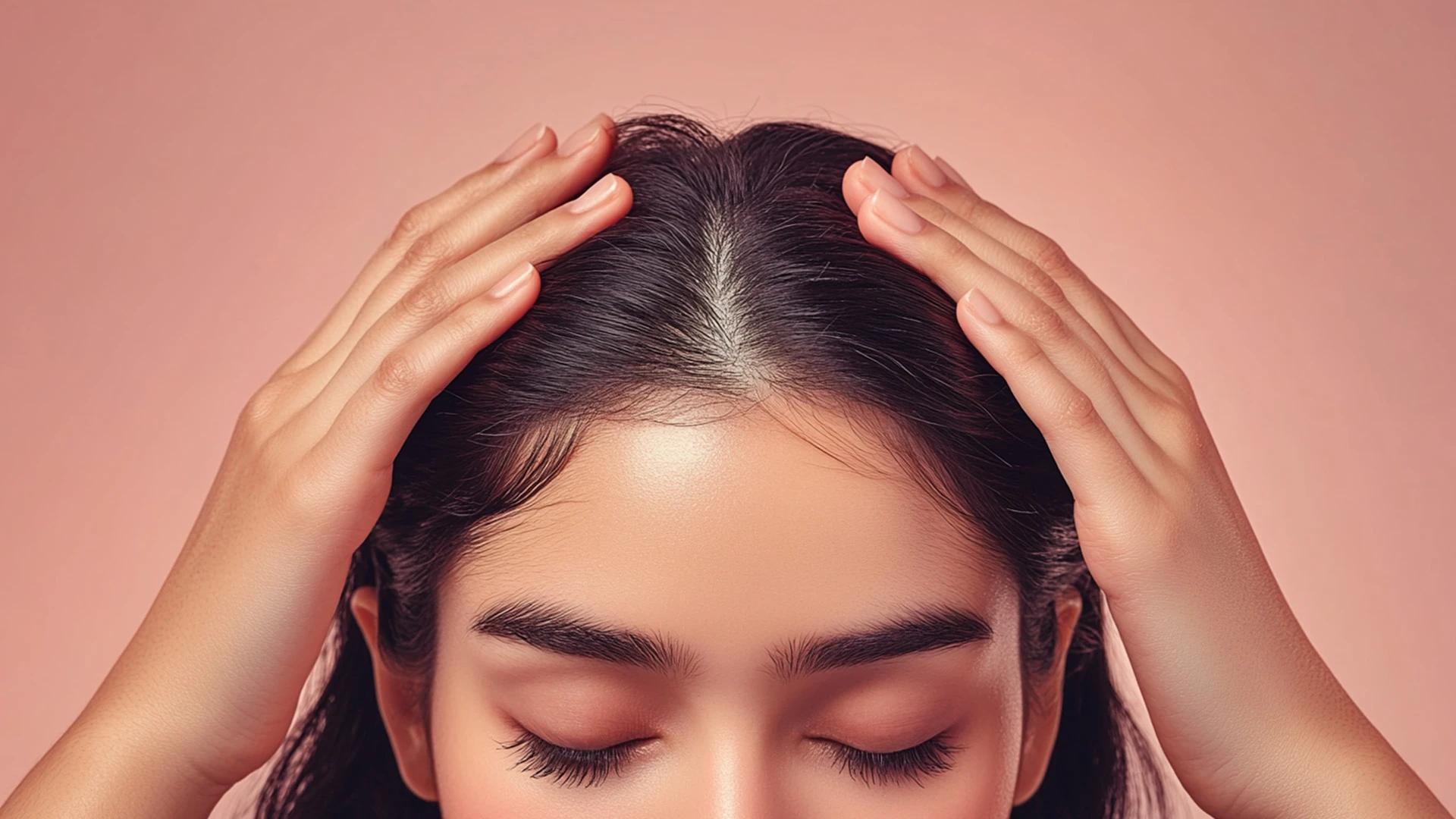

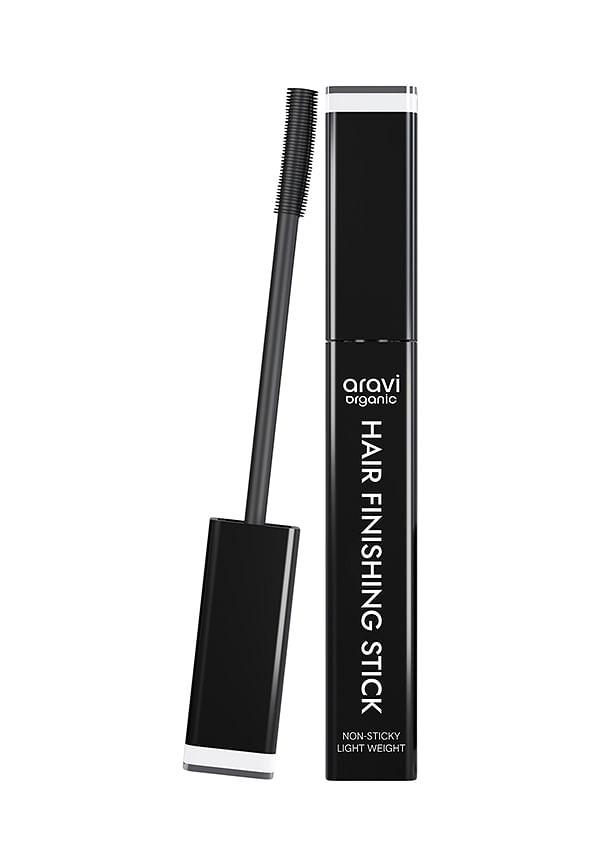
Hair Finishing Stick - Flyaway Natural Styling Frizz Control
Positive Product Review
 5
5“good product I like it so much”
Picture this: you've just stepped out of the house with perfectly styled hair, only to catch your reflection in a shop window an hour later and wonder if you've been struck by lightning. That frizzy halo effect is real, and honestly, it's one of those hair struggles that can make even the most confident person want to hide under a hat. Whether it's the humidity doing its thing or your hair just having a mind of its own, frizz can feel like an uphill battle. But here's the thing—understanding why it happens and having the right game plan can totally change how you manage those rebellious strands.
Let's get real about what's happening up there. Frizz isn't just your hair being dramatic—there's actual science behind it. Your hair cuticles are like tiny shingles on a roof, and when they're damaged or lifted, moisture from the air sneaks in and causes each strand to swell unevenly. Think of it like a sponge that's been left out in the rain.
Humidity is probably the biggest culprit, but it's not working alone. Heat damage from styling tools, overwashing that strips natural oils, chemical treatments, and even genetics all play a part in creating that frizzy texture. Some people are just born with hair that's more porous, meaning it absorbs moisture faster and reacts more dramatically to environmental changes.
Hair porosity is basically how easily your hair absorbs and releases moisture. High porosity hair (often from damage) drinks up humidity like it's been wandering in a desert, whilst low porosity hair can be stubborn about letting moisture in at all. Understanding your hair's porosity level is key to choosing the right frizzy hair solutions that actually work for your specific situation.
Sometimes you need frizz control that works right now, not after a week of deep conditioning treatments. These emergency techniques can save your hair day when you're already running late and your hair decides to stage a rebellion.
The fastest fix? Mix a tiny amount of leave-in conditioner with water in a spray bottle and mist it over your hair, then gently scrunch with your hands. This instantly adds moisture back to thirsty strands without weighing them down. If you don't have a spray bottle handy, dampen your hands slightly and smooth them over your hair—just enough to tame the flyaways without making everything look wet.
Another quick trick is the cold water rinse. After your regular wash routine, blast your hair with the coldest water you can handle for about 30 seconds. This seals the cuticles and creates an instant smoothing effect. Your hair serum for frizz also works better when applied to slightly damp hair rather than bone-dry strands, so timing is everything.
When you're dealing with sudden frizz attacks, a few drops of facial oil (yes, really) can work wonders. Jojoba or argan oil are your best bets—just warm them between your palms and gently press through the mid-lengths and ends. Avoid the roots unless you want that greasy look.
Sometimes the best solutions are sitting right in your kitchen. Natural frizz control doesn't have to mean complicated DIY recipes that take hours to prepare. Simple ingredients can deliver surprisingly effective results when you know how to use them properly.
Coconut oil is probably the most talked-about natural remedy, but here's the catch—it doesn't work for everyone. If your hair is fine or low porosity, coconut oil might just sit on top and make everything look greasy. For thicker, more porous hair though, a coconut oil mask once a week can be transformative. Apply it from mid-length to ends, leave for 30 minutes, then shampoo out thoroughly.
Apple cider vinegar rinses are brilliant for smoothing the hair cuticle. Mix one part ACV with three parts water, pour it through your hair after shampooing, wait two minutes, then rinse with cool water. The acidity helps flatten those lifted cuticles that cause frizz in the first place.
Aloe vera gel is another game-changer, especially for curly or wavy hair types. It provides moisture without the heaviness of oils and has natural film-forming properties that help lock out humidity. Mix pure aloe vera gel with a few drops of your favourite hair oil for a lightweight, frizz-fighting treatment.

Hair Finishing Stick - Flyaway Natural Styling Frizz Control
Long lasting product
5“Omg , this product suprised me. Its stays for hours ”
Good and easy to apply
5“....it's good and easy to apply..”
Positive platform experience
5“Good work thank you smytteen I loved it..”
If you've got curls, the LOC method (Liquid, Oil, Cream) can revolutionise your frizz control game. Start with a water-based leave-in conditioner, seal with a light oil, then finish with a curl cream. This layering technique locks in moisture whilst defining your natural texture.
Professional treatments promise months of frizz-free hair, but they come with a price tag and some considerations you should know about. Keratin treatments can last 3-4 months and genuinely transform unmanageable hair, but they often contain formaldehyde and require specific aftercare. You can't wash your hair for 72 hours post-treatment, and you'll need sulfate-free products to maintain the results.
Brazilian blowouts work similarly but tend to be less long-lasting. They're great for reducing frizz whilst maintaining some natural texture, but again, the chemical exposure and cost might not be worth it for everyone. These treatments typically range from ₹8,000 to ₹25,000 depending on your hair length and the salon.
At-home alternatives have come a long way. Many anti frizz products now contain similar smoothing ingredients without the salon price tag. Look for treatments with hydrolysed proteins, ceramides, and silicones that can temporarily smooth the hair cuticle. Whilst they won't last as long as professional treatments, they're much gentler and more budget-friendly.
Building a solid routine with the right products is honestly more effective than any quick fix. The key is consistency and choosing products that work with your hair type rather than against it. Your product arsenal should include a gentle cleanser, a proper conditioner, a leave-in treatment, and a styling product that provides humidity protection.
Sulfate-free shampoos are non-negotiable for frizzy hair. Sulfates strip away natural oils that your hair desperately needs to stay smooth and manageable. Look for cleansers with ingredients like coconut-derived surfactants or amino acid-based formulas that clean without being harsh.
Weekly clarifying is still important though—buildup from styling products can make frizz worse. Use a gentle clarifying shampoo once a week, followed by a deep conditioning treatment to restore moisture balance.
The debate between silicone-based and oil-based serums is real. Silicones create an immediate smoothing effect and provide excellent humidity protection, but they can build up over time. Oil-based serums penetrate the hair shaft better but might not provide the same level of frizz control in humid conditions.
Heat protectants with anti-humidity properties are worth investing in if you style your hair regularly. Look for products that mention humidity resistance or weather protection—these usually contain film-forming polymers that create a barrier around each strand.
Humidity affects different hair types in different ways, but understanding how to prep your hair for weather changes can make a massive difference. High porosity hair will always be more reactive to humidity, whilst low porosity hair might actually benefit from a bit of moisture in the air.
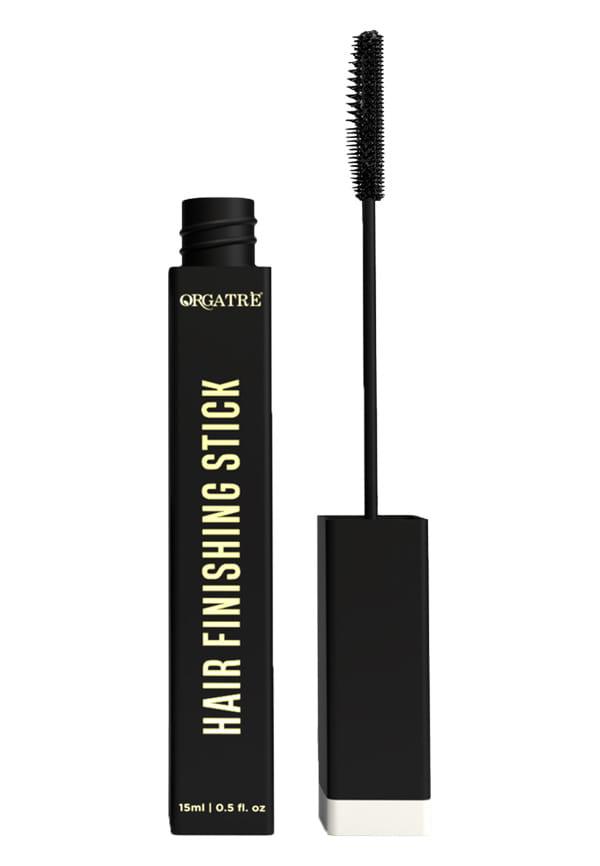
Hair Finishing Stick | Hair stick for frizzy hair | Anti flyaway for Smooth, Non-Greasy and Non-Sticky Look
Excellent Product
5“The product is of good quality and it delivers what it says.”
Product effectiveness
5“superb product...it's effect stays all long day”
Dirt Magnet
4“it does work but attractcs dirt easily”
Pre-styling prep is crucial on humid days. Start with a leave-in conditioner that contains humectants like glycerin (but only in moderate humidity—glycerin can backfire in very dry or very humid conditions). Follow with a smoothing cream or serum that creates a protective barrier.
Protective hairstyles aren't just for damage prevention—they're brilliant for managing frizzy hair in challenging weather. Loose braids, low buns, or twist-outs can keep your hair looking polished whilst minimising exposure to humidity. The key is avoiding styles that are too tight or require excessive manipulation.
When you're travelling, especially to different climates, pack a small arsenal of frizz-fighting essentials. A travel-size leave-in conditioner, a few hair ties for emergency updos, and a small bottle of diluted fabric softener (seriously, it works as an emergency anti-static spray) can save your hair in unexpected situations.
Consistency beats intensity when it comes to haircare for frizzy hair. Your daily routine doesn't need to be complicated, but it should be gentle and focused on maintaining moisture balance. Start with how you wash your hair—frequency matters more than you might think.
Most people with frizzy hair don't need to wash daily. Every 2-3 days is usually sufficient, and on non-wash days, you can refresh with a water-based spray or dry shampoo at the roots. When you do wash, use lukewarm water instead of hot, and always finish with a cool rinse to seal the cuticles.
Your drying technique can make or break your frizz control efforts. Microfiber towels or even a cotton t-shirt are much gentler than regular terry cloth towels. Instead of rubbing your hair dry, gently squeeze out excess water and then scrunch with your towel or t-shirt.
If you're using a blow dryer, always apply a heat protectant first and use a diffuser attachment if you have natural texture. The key is to dry your hair about 80% of the way, then let it air dry the rest. This prevents over-drying whilst still giving you some control over the final result.
What you do before bed can affect how your hair looks the next morning. Silk or satin pillowcases reduce friction, but if that's not in your budget, a silk scarf or bonnet works just as well. Loose braids or a very gentle top knot can prevent tangling without creating dents in your hair.
The most effective approach combines proper moisture management with gentle handling techniques. Use sulfate-free shampoos to avoid stripping natural oils, apply leave-in conditioners whilst your hair is still damp, and minimise heat styling. Consistency with a gentle routine typically yields better results than harsh treatments or frequent product switching.
Natural methods focus on moisture restoration and cuticle smoothing. Try coconut oil masks for thick hair, apple cider vinegar rinses to flatten cuticles, and aloe vera gel for lightweight moisture. The LOC method (liquid, oil, cream) works particularly well for curly hair types. Avoid overwashing and always use microfiber towels or cotton t-shirts for drying.
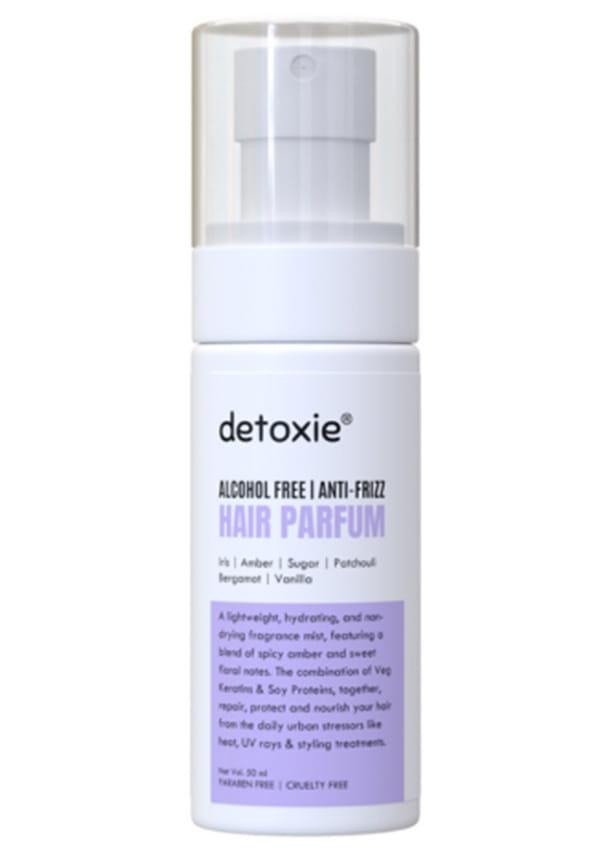
Alcohol Free Anti-Frizz Hair Parfum
Nice product with good fragrance
4“Its nice product with good fragrance”
Positive Product Review
5“good for use. smells nice. can order again.”
For immediate results, apply a smoothing serum to slightly damp hair, use a wide-tooth comb to distribute it evenly, and finish with cool air from your blow dryer. Emergency fixes include diluted leave-in conditioner in a spray bottle or dampening your hands with water and gently smoothing over frizzy areas.
Frizz occurs when hair cuticles are raised or damaged, allowing moisture from the air to penetrate unevenly. Common causes include humidity, heat damage from styling tools, overwashing with harsh shampoos, chemical treatments, and genetic factors that affect hair porosity. Understanding your hair's porosity level helps determine the most effective frizz reduction tips.
Most people with frizzy hair benefit from washing every 2-3 days rather than daily. Overwashing strips natural oils that help keep hair smooth and manageable. On non-wash days, refresh your style with water-based sprays or use dry shampoo at the roots if needed.
Price doesn't always indicate effectiveness. Many drugstore brands now offer excellent frizz-fighting formulations with similar ingredients to high-end products. The key is finding products with the right ingredients for your hair type—look for sulfate-free cleansers, moisturising conditioners, and serums with humidity-blocking properties.
While you can't change your hair's genetic structure, consistent care can dramatically improve manageability. Professional hair smoothing treatments like keratin can provide temporary results lasting 3-4 months. Long-term improvement comes from maintaining proper moisture balance, regular protein treatments, and protective styling practices.
Hair serums typically contain silicones that create an immediate smoothing effect and provide humidity protection, but they sit on the hair surface. Hair oils penetrate the hair shaft to provide deeper nourishment but may not offer the same level of frizz control in humid conditions. Many people find success using both—oil for treatment and serum for styling.
Managing frizzy hair isn't about fighting your natural texture—it's about working with it intelligently. The most effective hair frizz control methods combine understanding your hair's specific needs with consistent, gentle care. Whether you're dealing with humidity-induced frizz or genetic texture challenges, the right combination of products and techniques can make a real difference.
Remember that what works for your friend might not work for you, and that's completely normal. Hair porosity, thickness, and damage levels all affect how your hair responds to different treatments. Start with gentle, moisturising products and gradually build your routine based on how your hair responds.
The beauty industry offers countless solutions, from professional treatments to natural remedies, but the best approach is often the simplest one. Focus on maintaining moisture, protecting your hair from damage, and being patient with the process. Not sure which products might work best for your specific hair concerns? Smytten offers trial-size versions of many top haircare brands—a smart way to test different formulations before committing to full-size bottles.
