Hair Fall Treatment Options FAQ: Your Questions Answered

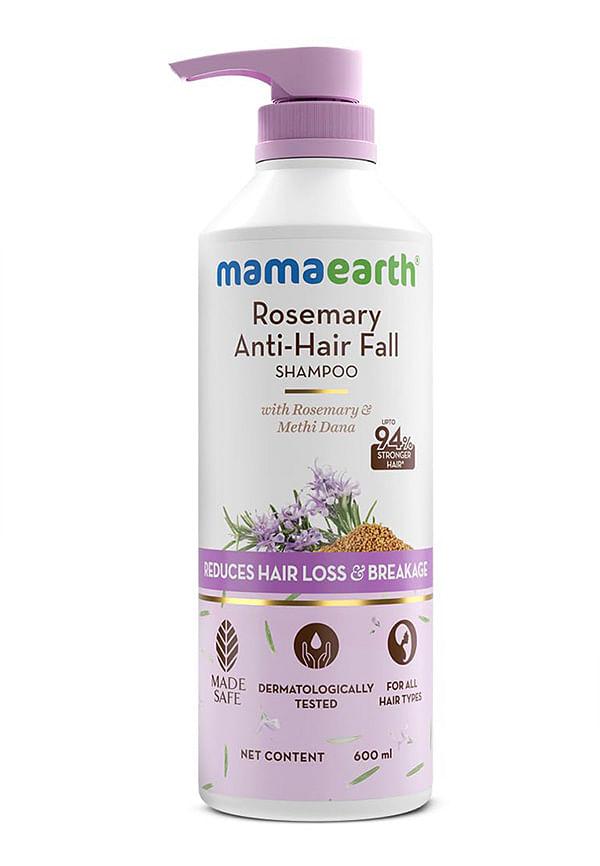
Rosemary Anti-Hair Fall Shampoo with Rosemary & Methi Dana for Reducing Hair Loss & Breakage
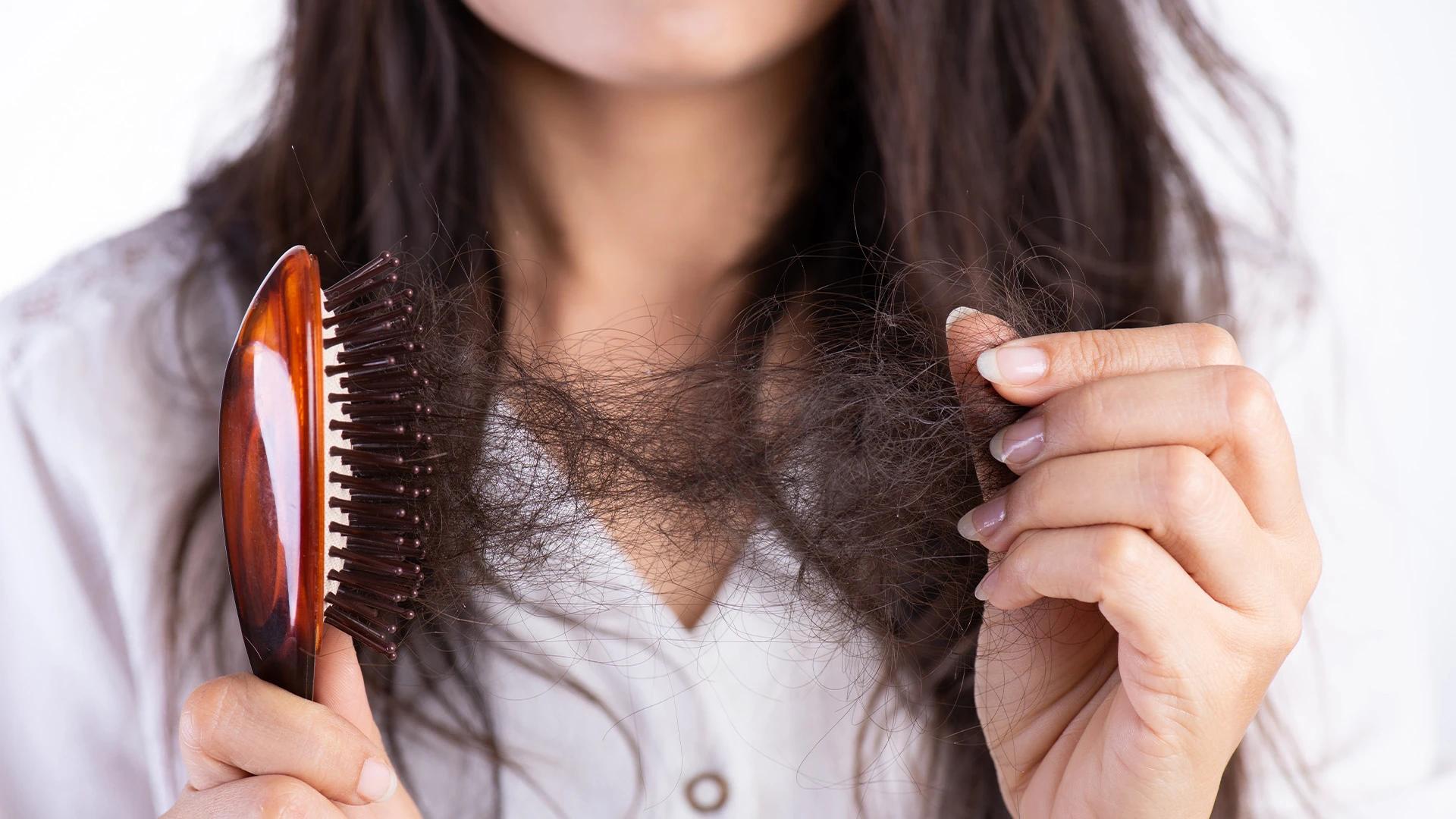
Watching clumps of hair fall out in the shower or finding strands all over your pillow can feel pretty overwhelming. You're definitely not alone in this—hair fall affects millions of people, and the good news is that there are more treatment options available today than ever before. From tried-and-tested medical solutions to natural remedies and cutting-edge therapies, the landscape of hair loss solutions has evolved dramatically. Whether you're dealing with gradual thinning or sudden shedding, understanding your options is the first step towards finding what works for your specific situation.
Before diving into hair fall treatment options, it's worth understanding what type of hair loss you're actually dealing with. Different types respond to different treatments, so getting this right can save you time, money, and frustration down the line.
Androgenetic alopecia is the most common culprit—this is your classic male or female pattern baldness that's largely genetic. Then there's telogen effluvium, which is usually triggered by stress, illness, or major life changes and causes diffuse thinning all over. Alopecia areata is an autoimmune condition that creates patchy bald spots, whilst traction alopecia comes from tight hairstyles or harsh styling practices that literally pull hair out over time.
Your genes play a huge role, but they're not the whole story. Hormonal imbalances, particularly involving DHT (dihydrotestosterone) and thyroid issues, can wreak havoc on your hair growth cycle. Nutritional deficiencies—especially iron, protein, and certain vitamins—are surprisingly common causes that often get overlooked. Medical conditions like PCOS, certain medications, and lifestyle factors like chronic stress or aggressive styling can all contribute to hair loss causes and treatments varying significantly from person to person.
When it comes to clinically proven hair fall treatment options, there are several FDA-approved medications that have solid research backing them up. These tend to be the gold standard for androgenetic alopecia treatment and other common forms of hair loss.
Minoxidil is probably the most well-known hair regrowth product out there. It works by improving blood flow to hair follicles and extending the growth phase of hair. You can find it in liquid, foam, or even shampoo form, and it's suitable for both men and women. The catch? You need to use it consistently for at least 6-12 months to see results, and stopping means losing any gains you've made.
Finasteride blocks DHT production and is particularly effective for male pattern baldness. For women, spironolactone can be a good alternative, especially if there's a hormonal component to the hair loss. Dutasteride is a newer, more potent DHT blocker that some dermatologists prescribe for more aggressive cases. All of these require a prescription and come with potential side effects that need discussing with your doctor.
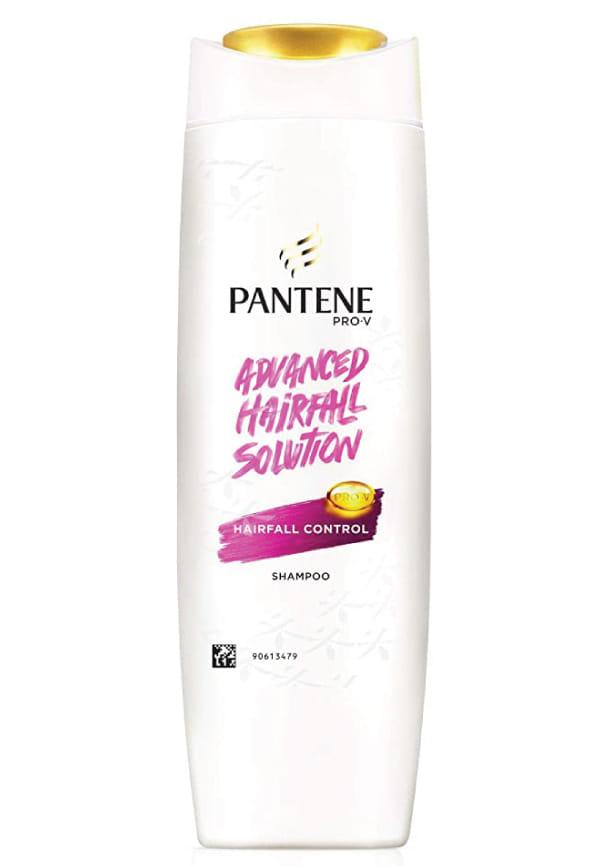
Advanced Hair Fall Solution Hair Fall Control Shampoo
Real talk—none of these work overnight. Most people start seeing initial results around the 3-4 month mark, with more significant improvements by 6-12 months. The key is consistency and patience. Many people find that combining treatments (like minoxidil with finasteride) gives better results than using just one approach.
If you're looking for more intensive scalp treatments for hair loss, there are several advanced options that go beyond topical applications and oral medications. These tend to be more expensive but can be quite effective for the right candidates.
PRP (Platelet-Rich Plasma) therapy involves drawing your blood, concentrating the platelets, and injecting them into your scalp to stimulate hair growth. It's gained popularity because it uses your body's own healing factors. GFC (Growth Factor Concentrate) is a newer, more refined version that some clinics offer as an alternative. Both typically require multiple sessions spaced a few weeks apart, with maintenance treatments every few months.
Hair transplants have come a long way from the obvious "plugs" of the past. FUE (Follicular Unit Extraction) is the modern gold standard—individual follicles are extracted and transplanted to thinning areas with minimal scarring. FUT (Follicular Unit Transplantation) involves removing a strip of scalp and is less common now but can be more cost-effective for larger areas. These are permanent solutions but require significant investment and recovery time.
For those wanting to avoid medications or procedures, there are several non-invasive hair thinning remedies that use light or physical stimulation to encourage hair growth.
Red light therapy devices claim to stimulate hair follicles at the cellular level. You can find everything from handheld devices to laser caps that you wear for 20-30 minutes several times a week. The research is mixed, but some people do see improvements, especially when combined with other treatments. It's generally safe but requires consistent use over many months.
Using a dermaroller on your scalp creates tiny micro-injuries that can stimulate blood flow and improve absorption of topical treatments. Some studies show that microneedling combined with minoxidil works better than minoxidil alone. You can do this at home with proper technique, though professional treatments might be more effective for preventing hair shedding.
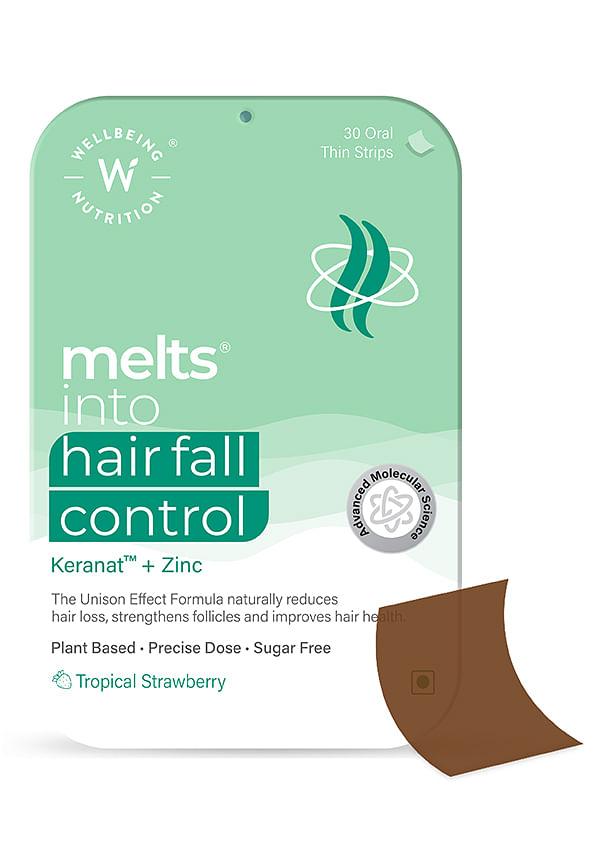
Melts Hair Fall Control Keranat & Zinc, Hair Loss Support to Improve Hair Anchoring (30 Oral Strips)
Whilst natural hair fall remedies might not be as potent as medical treatments, they can be valuable additions to your routine and are often the safest place to start, especially if your hair loss is mild or related to lifestyle factors.
Your hair needs proper nutrition to grow strong and healthy. Iron deficiency is incredibly common, especially in women, and can cause significant hair shedding. Biotin, vitamin D, and zinc are other nutrients that play crucial roles in hair health. A diet rich in protein, healthy fats, and antioxidants provides the building blocks your hair needs. Supplements can help fill gaps, but it's worth getting blood tests to identify specific deficiencies first.
Sometimes the best hair fall control comes from simply being gentler with your hair. Avoiding tight ponytails, reducing heat styling, and using sulphate-free shampoos can prevent unnecessary damage. Stress management through exercise, meditation, or therapy can also have a significant impact, especially for stress-related hair loss.
Men and women often experience different types of hair loss and may need different treatment strategies. Understanding these differences can help you choose the most appropriate hair loss solutions for your situation.
The "Big 3" protocol for men typically includes minoxidil, finasteride, and ketoconazole shampoo. This combination targets hair loss from multiple angles—improving blood flow, blocking DHT, and reducing scalp inflammation. Many men find this approach gives better results than any single treatment alone.
Women's hair loss is often more complex, involving hormonal fluctuations, nutritional needs, and different pattern baldness presentations. Minoxidil is usually the first-line treatment, but addressing underlying hormonal imbalances, thyroid issues, or nutritional deficiencies is equally important. Pregnancy and breastfeeding also limit medication options, making natural approaches more relevant for women in these life stages.
There's no one-size-fits-all answer because the best treatment depends on the underlying cause of your hair loss, its severity, and your individual circumstances. For androgenetic alopecia, minoxidil and finasteride (for men) are considered first-line treatments with the most research support. However, a dermatologist can help determine what's causing your specific hair loss and recommend the most appropriate approach. Sometimes combining treatments works better than relying on just one.
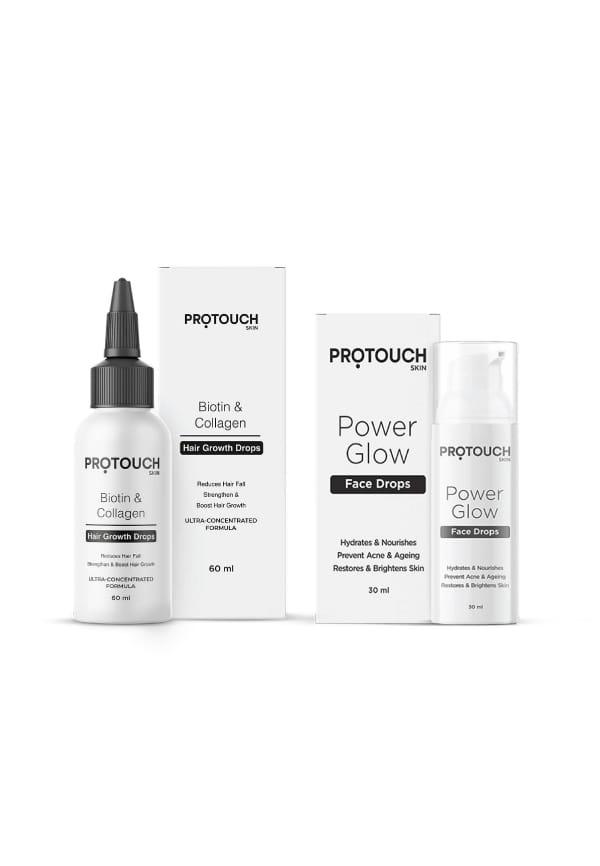
PRO Essentials Compo Hair Drops + Face Drops
Unfortunately, there's no treatment that stops hair fall immediately—hair growth cycles take months, not days. However, you can take steps to minimise further damage right away: switch to gentle hair care products, avoid tight hairstyles, reduce heat styling, manage stress levels, and ensure you're getting proper nutrition. If you're experiencing sudden, severe hair loss, it's worth seeing a doctor to rule out underlying medical conditions that might need immediate attention.
The "Big 3" refers to a popular combination treatment protocol that includes minoxidil (for blood flow and growth stimulation), finasteride (for DHT blocking), and ketoconazole shampoo (for scalp health and mild DHT reduction). This combination targets hair loss from multiple angles and many people find it more effective than using any single treatment alone. It's particularly popular for male pattern baldness, though women might use spironolactone instead of finasteride.
Natural remedies can be helpful, especially for mild hair loss or as supportive treatments alongside medical options. Proper nutrition, stress management, gentle hair care, and certain oils or supplements can definitely make a difference. However, for significant genetic hair loss, natural approaches alone are unlikely to provide dramatic results. They work best when combined with proven medical treatments or for preventing further hair loss rather than regrowing lost hair.
Most hair fall treatment options require patience—you're typically looking at 3-6 months before seeing initial results, with more significant improvements by 6-12 months. This is because hair grows in cycles, and treatments need time to influence these cycles. PRP or other clinical treatments might show results slightly faster, but even these require multiple sessions over several months. The key is consistency and realistic expectations about timelines.
Yes, stress-related hair loss (telogen effluvium) is often reversible once the underlying stressor is addressed. This type of hair loss typically occurs 2-3 months after a stressful event and can continue for several months. Once stress levels normalise and proper hair care is maintained, hair usually regrows naturally within 6-12 months. However, chronic stress can lead to ongoing hair loss, so stress management becomes crucial for long-term hair health.
The world of hair fall treatment options has expanded significantly, offering hope for people dealing with various types of hair loss. From FDA-approved medications like minoxidil and finasteride to advanced procedures like PRP therapy and hair transplants, there are solutions for different budgets, preferences, and severity levels. The key is understanding what's causing your hair loss and choosing treatments that target those specific factors.
Remember that consistency is crucial—most treatments require months of regular use before showing results, and stopping usually means losing any gains you've made. Combining approaches often works better than relying on a single treatment, and addressing lifestyle factors like nutrition and stress can significantly support your hair restoration methods.
If you're exploring different hair care products to support your hair health journey, Smytten offers trial-size versions of many quality hair care products from trusted brands. This can be a practical way to test different formulations and find what works for your hair type before committing to full-size purchases.
