Hair Fall Solution for Initial Stage: Your Questions Answered

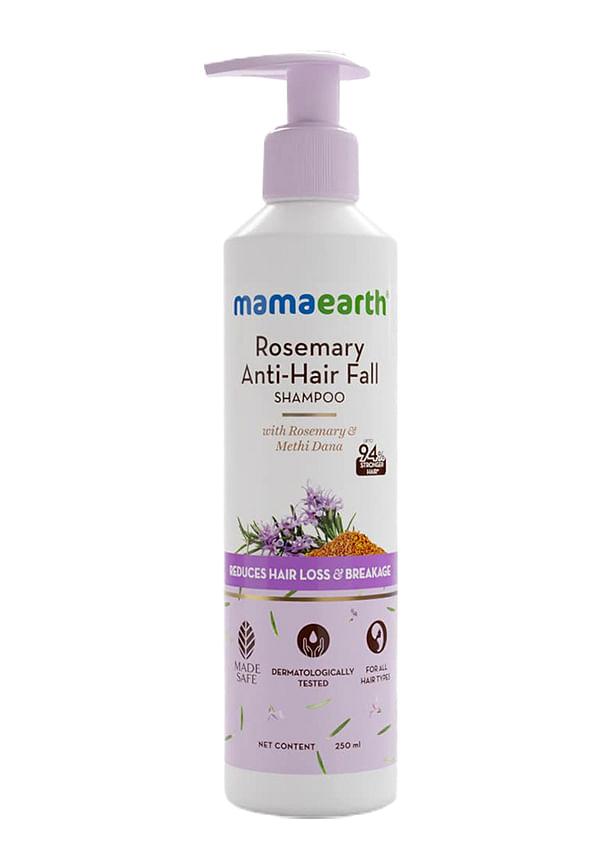
Rosemary Anti-Hair Fall Shampoo with Rosemary & Methi Dana for Reducing Hair Loss & Breakage
Awesome Product, Value for Money, On-Time Delivery
 5
5“awesome product... value for money.. on time delivery... 👍👍👍”
Smooth, Shining Hair
5“smooth shining hair nice shampoo”
Good Packing & Hair Growth
5“it is very good in packing and helps to promote hair growth”
You're in the shower, and suddenly there's more hair swirling down the drain than usual. Or maybe you've noticed your ponytail feels a bit thinner, or that your parting seems wider in photos. If you're catching early signs of hair fall, you're not alone—and more importantly, you're catching it at the right time. Initial stage hair fall is actually the sweet spot for treatment, where small changes can make a real difference. Let's dive into everything you need to know about tackling hair fall before it becomes a bigger concern.
Real talk: not all hair fall is cause for panic. We naturally lose 50-100 strands daily as part of our hair's growth cycle. But when should you actually worry? Early hair thinning often starts subtly—you might notice more hair on your pillow, in your brush, or around the shower drain. Your hairline might start looking slightly different in selfies, or that centre part might seem a bit more prominent than before.
Here's the thing about normal hair shedding—it happens in phases. Your hair goes through growth, rest, and shedding cycles constantly. Seasonal changes, stress, or even switching shampoos can temporarily increase shedding. But if you're consistently losing more than 100 strands daily for several weeks, or if you notice actual thinning areas, that's when it's worth paying attention.
The signs of early hair loss aren't always obvious. You might notice your hair feels less dense when you run your fingers through it, or styling takes longer because there's simply less hair to work with. Some people spot a gradually widening part, while others notice their hairline changing shape. Photos from different angles can be surprisingly revealing—sometimes we don't notice gradual changes until we compare them side by side.
Your hair doesn't grow continuously—it follows a cycle of growth, transition, and rest. When this cycle gets disrupted by stress, hormones, or other factors, more hairs enter the shedding phase simultaneously. Understanding this helps explain why hair fall solutions for initial stage treatment often take 3-6 months to show results—you're essentially resetting this cycle.
Before jumping into solutions, it's worth understanding what might be causing your hair fall. The causes of thinning hair are surprisingly varied, and identifying yours can help you choose the most effective approach. From hormonal shifts to lifestyle factors, early hair loss rarely has just one trigger.
Androgenetic alopecia—basically genetic hair loss—is the most common cause of hair thinning. It can start as early as your twenties, affecting both men and women differently. For women, it often shows up as overall thinning rather than a receding hairline. Hormonal changes from PCOS, thyroid issues, or even starting or stopping birth control can also trigger hair fall.
Your hair is basically a reflection of your overall health, and nutritional deficiencies show up here first. Iron deficiency is particularly common, especially among women. Low levels of vitamin D, B vitamins, and protein can all contribute to hair fall. The good news? Nutritional hair loss is often reversible once you address the underlying deficiency.
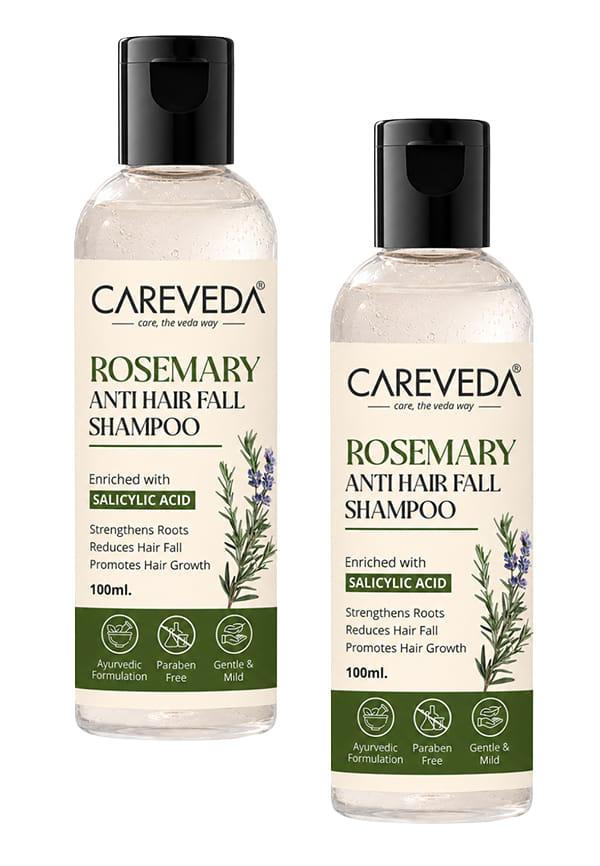
Rosemary Anti Hair Fall Shampoo
Chronic stress literally pushes hair follicles into the resting phase prematurely, leading to increased shedding about 2-3 months later. This type of hair loss, called telogen effluvium, is actually quite common and usually temporary. Poor sleep, excessive heat styling, tight hairstyles, and even crash dieting can all contribute to early hair thinning.
The beauty of catching hair fall early is that you have more treatment options, and they're generally more effective. Mild hair fall treatment doesn't always require prescription medications—sometimes simple changes in routine and products can make a significant difference. The key is consistency and patience, as hair regrowth for early stages typically takes several months to become visible.
Think of your scalp as the soil for your hair garden—if it's not healthy, nothing else will work optimally. Scalp health for hair loss prevention starts with gentle cleansing to remove buildup without over-stripping natural oils. Look for shampoos with ingredients like salicylic acid for gentle exfoliation, or niacinamide to improve circulation. A healthy scalp feels comfortable, looks clear, and doesn't have excessive oiliness or dryness.
Minoxidil remains the gold standard for early hair loss treatment, available over-the-counter in 2% and 5% concentrations. It works by extending the growth phase of hair follicles and improving blood flow to the scalp. For initial stage hair fall, the 2% concentration is often sufficient and causes fewer side effects. Results typically become visible after 3-4 months of consistent use.
While not as extensively studied as medical treatments, several natural approaches show promise for early hair thinning remedies. Rosemary oil has been shown to be as effective as 2% minoxidil in some studies. Scalp massage with oils like coconut, argan, or castor oil can improve circulation and provide nourishment. Pumpkin seed oil and saw palmetto are also being researched for their potential DHT-blocking properties.
Hair fall affects men and women differently, both in pattern and underlying causes. Understanding these differences helps in choosing the most appropriate treatment approach. Women often experience diffuse thinning across the entire scalp, while men typically see pattern baldness starting at the hairline or crown.
Female pattern hair loss often relates to hormonal fluctuations, making it important to consider factors like menstrual cycles, pregnancy, or menopause. Iron deficiency is particularly common among women and should be ruled out with blood tests. Gentle treatments are often preferred, as women's hair tends to be more processed and fragile from styling and colouring.
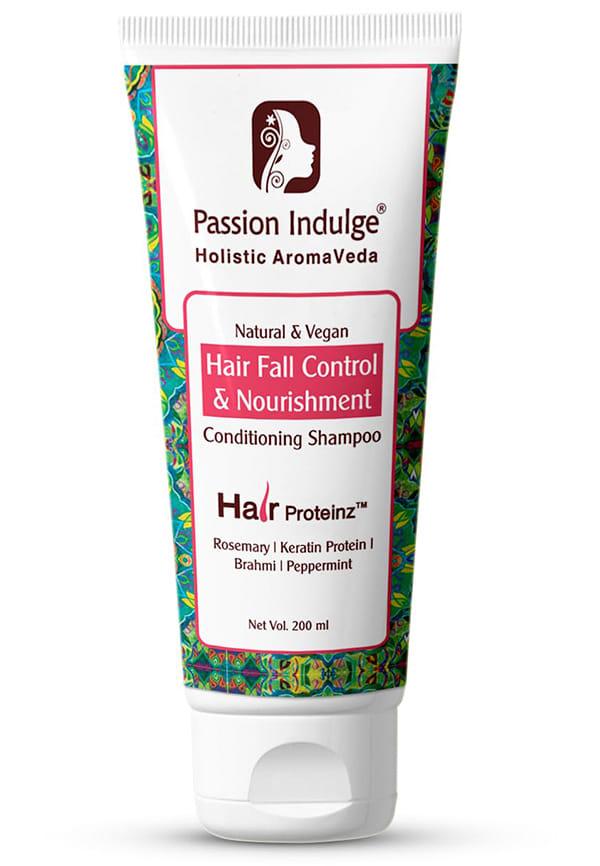
Rosemary Hair Fall Control & Nourishment Shampoo
Men typically see hair loss in predictable patterns—receding hairline solutions often focus on the temples and crown area. Early intervention is crucial because once follicles are completely dormant, they're much harder to reactivate. Finasteride, available by prescription, can be highly effective for men when started early, though it comes with potential side effects that should be discussed with a doctor.
While medical treatments get most of the attention, natural approaches to preventing hair loss early can be surprisingly effective, especially when combined with other treatments. These methods focus on creating optimal conditions for hair growth while addressing underlying factors that contribute to hair fall.
Regular scalp massage isn't just relaxing—it actually increases blood flow to hair follicles, potentially promoting growth. Studies suggest that just 4 minutes of daily scalp massage can increase hair thickness over time. Use your fingertips (not nails) to apply gentle pressure in circular motions, or invest in a scalp massage tool for more consistent pressure.
Several essential oils show promise for hair regrowth. Rosemary oil, peppermint oil, and cedarwood oil have all been studied for their potential benefits. Always dilute essential oils in a carrier oil like jojoba or coconut oil before applying to avoid irritation. Leave treatments on for at least 30 minutes, or overnight if your scalp tolerates it well.
Sometimes the most effective hair loss prevention tips are the simplest ones. Eating a balanced diet rich in protein, iron, and vitamins supports healthy hair growth. Managing stress through exercise, meditation, or other techniques can prevent stress-related hair loss. Getting adequate sleep allows your body to repair and regenerate, including hair follicles.
Prevention is always easier than treatment, and when you're dealing with initial stage hair fall, preventing progression is just as important as promoting regrowth. This involves both active treatments and protective measures to avoid further damage to existing hair.
Heat styling, chemical treatments, and tight hairstyles can all contribute to hair breakage and loss. If you're noticing early thinning, it's worth reassessing your hair care routine. Use heat protectants when styling, opt for loose hairstyles, and give your hair regular breaks from processing. Silk or satin pillowcases can also reduce friction and breakage while you sleep.
While many cases of early hair fall can be managed with over-the-counter treatments and lifestyle changes, some situations warrant professional attention. If you're experiencing sudden, severe hair loss, patchy bald spots, or if your hair loss is accompanied by other symptoms like fatigue or weight changes, it's worth consulting a dermatologist or trichologist.
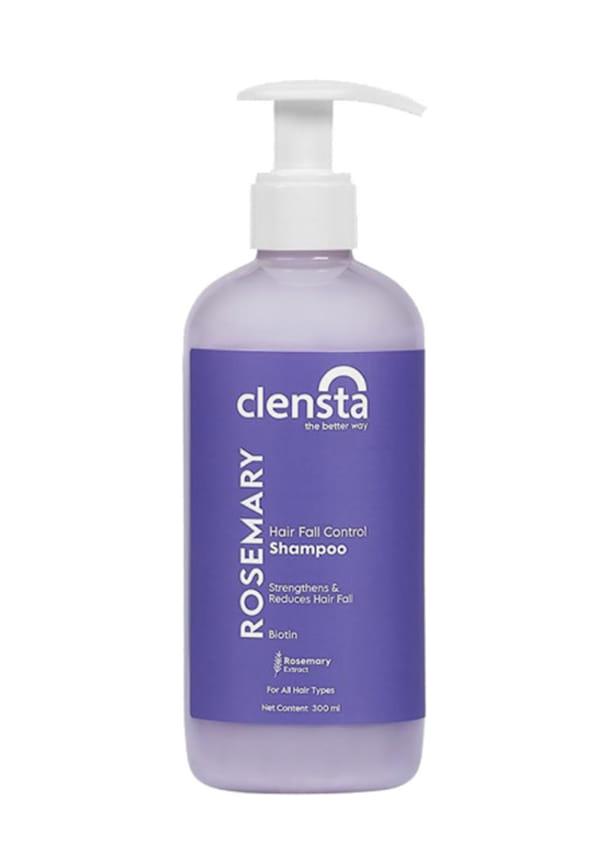
Rosemary Hair Fall Control Shampoo With Biotin For Reducing Hair Loss, Breakage & Daily Use
Great Face Cream with SPF
5“I really liked this face cream. The texture is smooth, absorbs quickly, and doesn’t feel greasy. It keeps my skin moisturized and the SPF 30 is a great added benefit for daily sun protection. Suitable for everyday use.”
Excellent Product!
5“Here's the revised 25-word review: "Life-changing product! Reduced inflammation, improved sleep, and increased energy. Easy to use and backed by science. Highly recommend for natural wellness seekers!"”
Product Recommendation
4“Recommended by friend very good”
While there's no instant fix for hair fall, you can start seeing improvements within a few weeks by addressing obvious triggers. Begin with gentle scalp care, reduce heat styling, manage stress levels, and ensure you're getting adequate nutrition. For faster results, consider over-the-counter minoxidil, but remember that most treatments take 3-6 months to show significant results.
The most effective beginning hair thinning solutions combine multiple approaches. Start with a gentle, sulfate-free shampoo and scalp-nourishing treatments. Add topical minoxidil if you're comfortable with medical treatments, or try natural alternatives like rosemary oil. Don't forget the basics—adequate protein intake, stress management, and protecting your hair from damage.
The reversibility of early hair loss depends on the underlying cause. Nutritional deficiencies, stress-related hair loss, and some hormonal imbalances can often be completely reversed with appropriate treatment. Genetic hair loss (androgenetic alopecia) is more challenging to reverse completely, but early intervention can significantly slow progression and often restore some density.
Most hair fall solutions for initial stage treatment require patience. You might notice reduced shedding within 4-6 weeks, but visible regrowth typically takes 3-6 months. This timeline reflects your hair's natural growth cycle—new hairs need time to grow long enough to be noticeable. Consistency is key during this period, even when you don't see immediate results.
Normal shedding involves losing 50-100 hairs daily without noticeable thinning. Early hair loss typically involves losing more than 100 hairs daily, often with visible changes in hair density or hairline. Normal shedding is temporary and cyclical, while early hair loss tends to be progressive without intervention. If you're unsure, track your hair loss for a few weeks or consult a professional.
Natural remedies can be surprisingly effective for early hair loss prevention, especially when the cause is nutritional, stress-related, or due to scalp health issues. Rosemary oil, scalp massage, and dietary improvements have scientific backing. However, for genetic hair loss, natural remedies work best as complementary treatments alongside proven medical options like minoxidil.
Catching hair fall in its initial stages gives you the best chance for successful treatment and prevention. The key is understanding that effective solutions often combine multiple approaches—from scalp health and nutrition to targeted treatments and lifestyle changes. Remember that hair regrowth is a gradual process, and consistency matters more than perfection.
Whether you're dealing with stress-related shedding, nutritional deficiencies, or early genetic hair loss, there are proven strategies that can help. Start with the basics—gentle hair care, stress management, and proper nutrition—then add targeted treatments as needed. Not sure which products might work for your specific hair concerns? Smytten offers trial-size versions of many hair care products, letting you test different formulations before committing to full-size bottles.
