Hair Fall Remedies India FAQ: Your Questions Answered


Briganantadi Hair Fall control and Healthy Scalp Hair Oil 10 Herbs
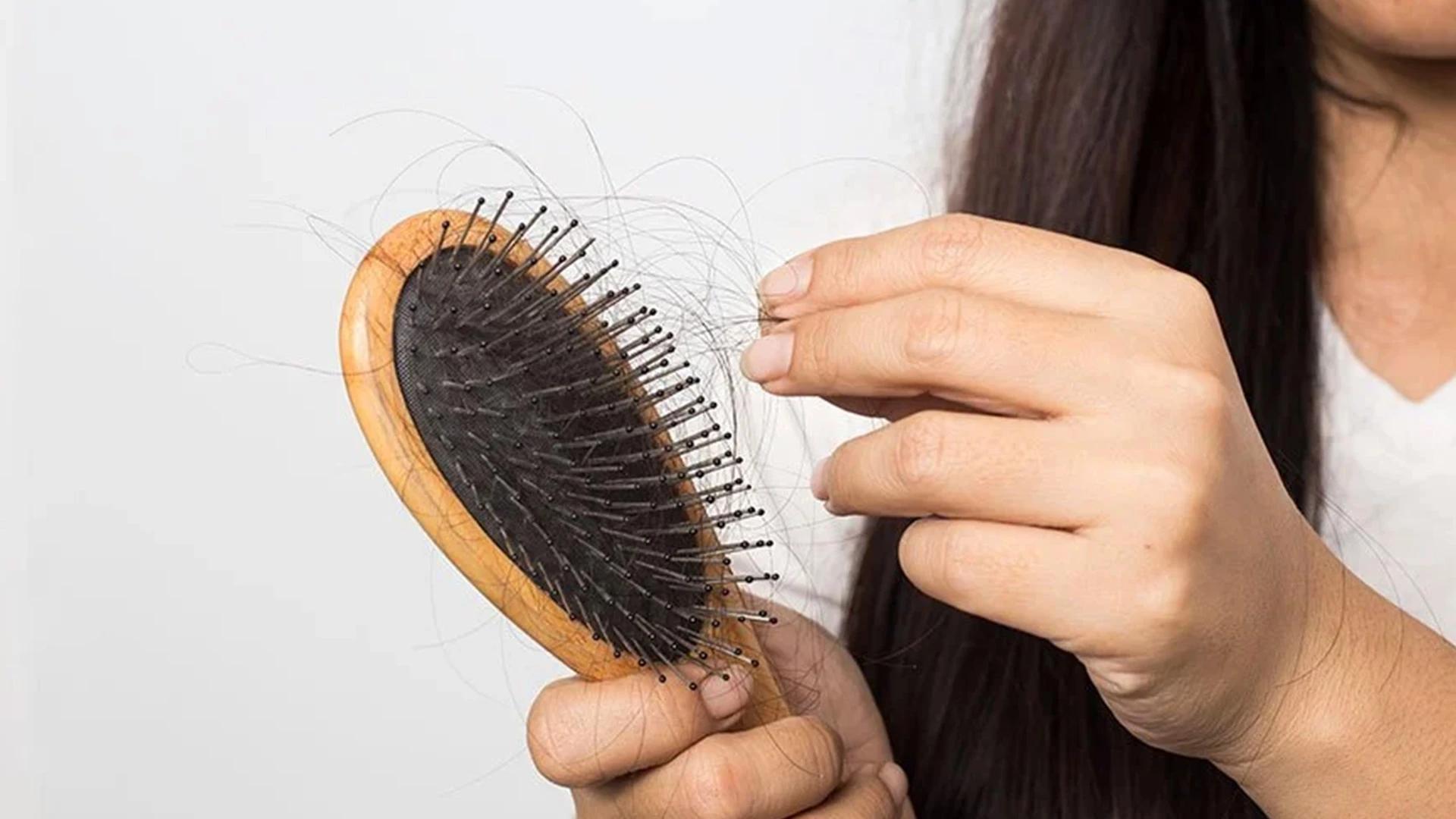
You know that sinking feeling when you run your fingers through your hair and find way more strands than usual? Or when your hairbrush looks like it's collected half your head? Hair fall is one of those universal struggles that hits different in India — between the humidity, pollution, and our unique genetic makeup, it feels like our hair is constantly under attack. The good news? There are loads of proven solutions that actually work, from time-tested Ayurvedic remedies to modern medical treatments. Let's dive into the most common questions about hair fall remedies India has to offer.
Hair fall in India isn't just about genetics — though that plays a huge part. Our climate, lifestyle, and even traditional hair care practices create a unique set of challenges. The combination of high humidity, air pollution (especially in metro cities), and seasonal changes can wreak havoc on hair health. Add to that our love for oiling, frequent washing due to sweat, and sometimes harsh water quality, and you've got a perfect storm for hair fall.
The most common hair fall reasons in Indian contexts include androgenetic alopecia (male and female pattern baldness), which affects about 60% of men and 40% of women by age 50. Then there's telogen effluvium — temporary hair loss triggered by stress, illness, or major life changes. This one's particularly common among working professionals in high-stress environments.
Indian weather patterns create unique challenges for hair health. The monsoon season brings humidity that can lead to fungal infections and dandruff, while summer heat strips hair of natural oils. Pollution in cities like Delhi and Mumbai deposits particulates on the scalp, clogging follicles and causing inflammation.
Here's something many people don't realise — dandruff and hair fall are often linked. The same fungus (Malassezia) that causes dandruff can also trigger inflammation around hair follicles, leading to hair fall. This is why treating scalp health is often the first step in any effective hair fall treatment.
Ayurvedic hair care isn't just about slathering oil on your head (though that's definitely part of it). It's a holistic approach that considers your dosha, lifestyle, and overall health. The beauty of Ayurvedic treatments is that they're gentle, natural, and often use ingredients you can find in your kitchen.
The principle behind Ayurvedic hair care is simple: healthy hair grows from a healthy scalp and body. This means addressing internal imbalances through diet, lifestyle changes, and external treatments that nourish both scalp and hair shaft.
Coconut oil remains the gold standard for good reason. It penetrates the hair shaft better than most oils, provides protein protection, and has antimicrobial properties. For best results, warm it slightly and massage into the scalp for 10-15 minutes before washing.
Castor oil is your go-to for promoting natural hair growth. It's rich in ricinoleic acid, which improves blood circulation to the scalp. Mix it with a lighter oil like coconut or sesame since it's quite thick on its own.
Amla oil combines vitamin C with traditional oil benefits. It strengthens hair from root to tip and can help prevent premature greying. Bhringraj oil, often called the "king of herbs" for hair, is particularly effective for those dealing with stress-related hair fall.
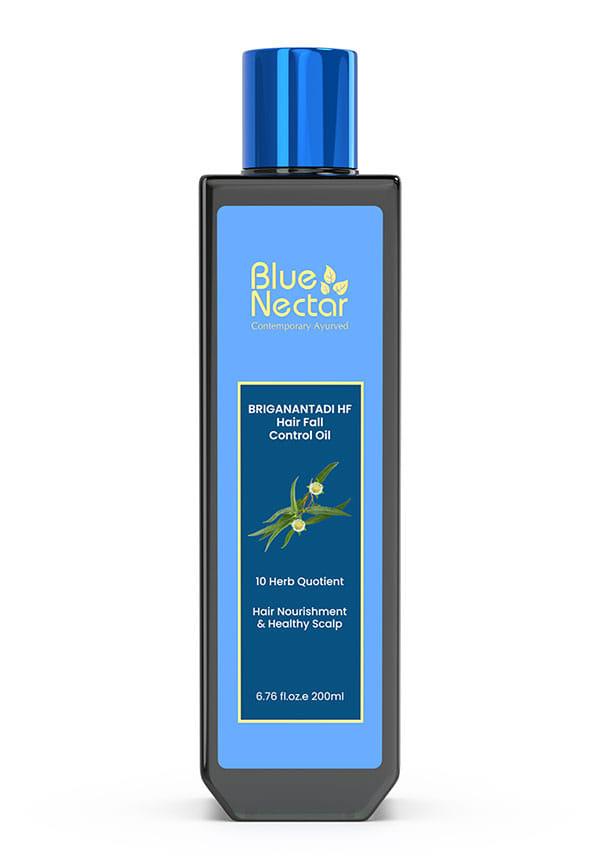
Briganantadi Hair Fall control and Healthy Scalp Hair Oil 10 Herbs
Sometimes the best hair fall control tips come from your grandmother's recipe book. Homemade hair masks for hair fall don't just save money — they're often more effective than expensive treatments because they're fresh and free from harsh chemicals.
Fenugreek seeds (methi) are absolute game-changers for hair fall. Soak two tablespoons overnight, grind into a paste, and apply to your scalp. Leave for 30 minutes before washing. The proteins and nicotinic acid in fenugreek strengthen hair follicles and improve circulation.
Onion juice might make you cry, but it's incredibly effective for hair regrowth. The sulfur content improves blood circulation and has antimicrobial properties. Extract fresh onion juice, apply to the scalp, leave for 20 minutes, then wash with a mild shampoo.
Green tea isn't just for sipping — it makes an excellent hair rinse. The antioxidants help reduce DHT (the hormone responsible for male pattern baldness) and promote healthy hair growth. Brew strong green tea, let it cool, and use as a final rinse after shampooing.
Rice water has gained popularity recently, but it's been used in Asian cultures for centuries. The amino acids, vitamins, and minerals in rice water strengthen hair and add shine. Rinse rice, soak the water for 30 minutes, strain, and use as a hair rinse.
While traditional remedies are fantastic, sometimes you need the big guns. Modern hair loss solutions have come a long way, and many are now accessible and affordable in India.
Minoxidil is probably the most well-known hair fall treatment worldwide. Available as a 2% or 5% topical solution, it costs between ₹500-₹2,000 per month and is available over the counter. It works by improving blood flow to hair follicles and extending the growth phase of hair.
PRP (Platelet-Rich Plasma) therapy has gained popularity in Indian clinics. Your blood is drawn, processed to concentrate platelets, and injected into the scalp. Sessions cost ₹4,000-₹15,000 each, and you typically need 3-6 sessions for visible results.
GFC (Growth Factor Concentrate) is a newer, more advanced version of PRP. It's more concentrated and often shows faster results. QR678 and exosome therapies are cutting-edge treatments available in major cities, though they're pricier at ₹9,000-₹30,000 per session.
Hair transplant remains the most permanent solution for advanced hair loss. Costs range from ₹30,000 to ₹25,00,000 depending on the technique (FUE vs FUT) and number of grafts needed.
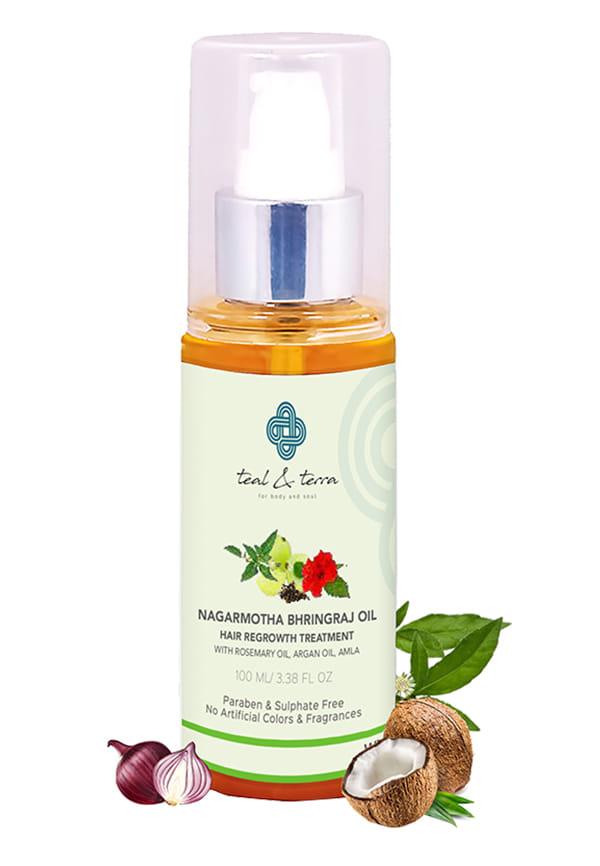
Nagarmotha Bhringraj Oil Hair Regrowth Treatment
A healthy hair diet is crucial, especially in India where vegetarian diets are common and protein deficiency can contribute to hair fall. Your hair is essentially made of protein (keratin), so adequate protein intake is non-negotiable.
For vegetarians, focus on lentils, chickpeas, quinoa, nuts, and dairy products. Iron deficiency is particularly common among Indian women and can cause significant hair fall. Include spinach, beetroot, pomegranate, and jaggery in your diet.
Biotin, zinc, and vitamin D are crucial for hair health. Many Indians are deficient in vitamin D due to limited sun exposure and indoor lifestyles. Consider getting your levels tested and supplementing if necessary.
Omega-3 fatty acids from walnuts, flaxseeds, and fish (for non-vegetarians) help maintain scalp health and add shine to hair. Don't forget about hydration — drinking enough water is essential, especially in India's hot climate.
When you're dealing with sudden hair fall, you want solutions that work fast. While long-term treatments take time, there are immediate steps you can take to minimise further damage.
Switch to a gentle, sulfate-free shampoo and avoid washing daily unless absolutely necessary. When you do wash, use lukewarm water instead of hot water, which can strip natural oils and weaken hair.
Avoid tight hairstyles that pull on the hairline. Loose braids, soft scrunchies, and silk pillowcases can prevent unnecessary breakage. When hair is wet, it's at its most vulnerable, so use a wide-tooth comb and start detangling from the ends.
Heat styling tools should be used sparingly and always with a heat protectant. Air drying is always better than blow drying when possible.
While there's no instant fix, you can minimise further damage by switching to gentle hair care products, protecting your hair from pollution with scarves or caps, using a humidifier during dry seasons, and starting a scalp massage routine with natural oils. Most people see initial improvements within 2-4 weeks of consistent care.

Jatamansi And Brahmi Hair Therapy
The best remedy depends on your specific cause of hair fall. For genetic hair loss, minoxidil combined with natural oils works well. For stress-related hair fall, Ayurvedic treatments like bhringraj oil and meditation are effective. For dandruff-related hair fall, antifungal treatments combined with tea tree oil show good results. A combination approach often works better than relying on a single remedy.
Evion 400 (vitamin E) can help improve hair health by reducing oxidative stress and improving blood circulation to the scalp. However, it's not a standalone solution for hair fall. It works best when combined with other treatments and a balanced diet. Results typically take 3-6 months to become visible.
Natural hair growth remedies typically take 3-6 months to show significant results because hair has a natural growth cycle. You might notice reduced hair fall within 4-6 weeks, but new growth and thickness improvements take longer. Consistency is key — sporadic use won't give you the results you want.
The most cost-effective treatments include homemade hair masks (₹50-100 per month), natural oils like coconut and castor oil (₹200-500 per month), and over-the-counter minoxidil (₹500-2,000 per month). Regular scalp massage and dietary improvements cost virtually nothing but can be highly effective.
Most Ayurvedic hair treatments are safe for long-term use since they're made from natural ingredients. However, some people may be allergic to specific herbs or oils. Always do a patch test first, and if you're using concentrated herbal preparations, consult an Ayurvedic practitioner. Pregnant and breastfeeding women should be particularly cautious.
Minoxidil can cause scalp irritation, dryness, or initial increased hair shedding in some people. Finasteride (for men) may cause sexual side effects in a small percentage of users. PRP therapy is generally safe but can cause temporary swelling or bruising. Always discuss potential side effects with your dermatologist before starting any treatment.
Pregnant women should avoid oral medications like finasteride and be cautious with essential oils and herbal treatments. Safe options include gentle scalp massage with coconut oil, maintaining a nutritious diet, and using mild, natural shampoos. Always consult your doctor before starting any new treatment during pregnancy.
Hair fall can feel overwhelming, but remember that most types are treatable with the right approach. The key is identifying your specific cause and choosing treatments that fit your lifestyle and budget. Whether you prefer traditional Ayurvedic methods or modern medical treatments, consistency is what makes the difference.
Start with gentle, natural approaches while addressing any underlying health issues. If you don't see improvement after 3-6 months, consider consulting a dermatologist for advanced treatments. Remember, healthy hair is a marathon, not a sprint.
Not sure which hair care products might work for your specific concerns? Smytten also offers trial-size versions of many haircare treatments — a smart way to test different formulations before committing to full-size bottles.
