Hair Fall Prevention FAQ: Common Questions Answered

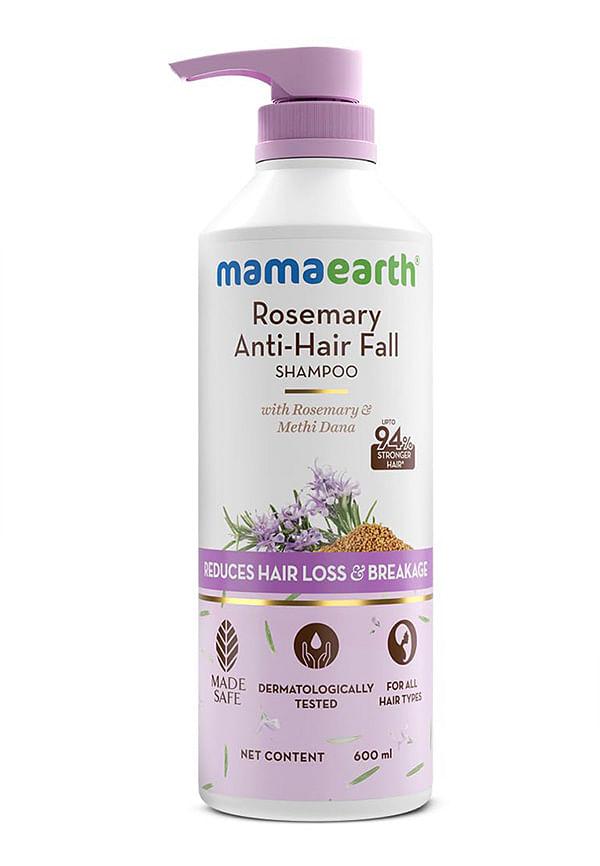
Rosemary Anti-Hair Fall Shampoo with Rosemary & Methi Dana for Reducing Hair Loss & Breakage
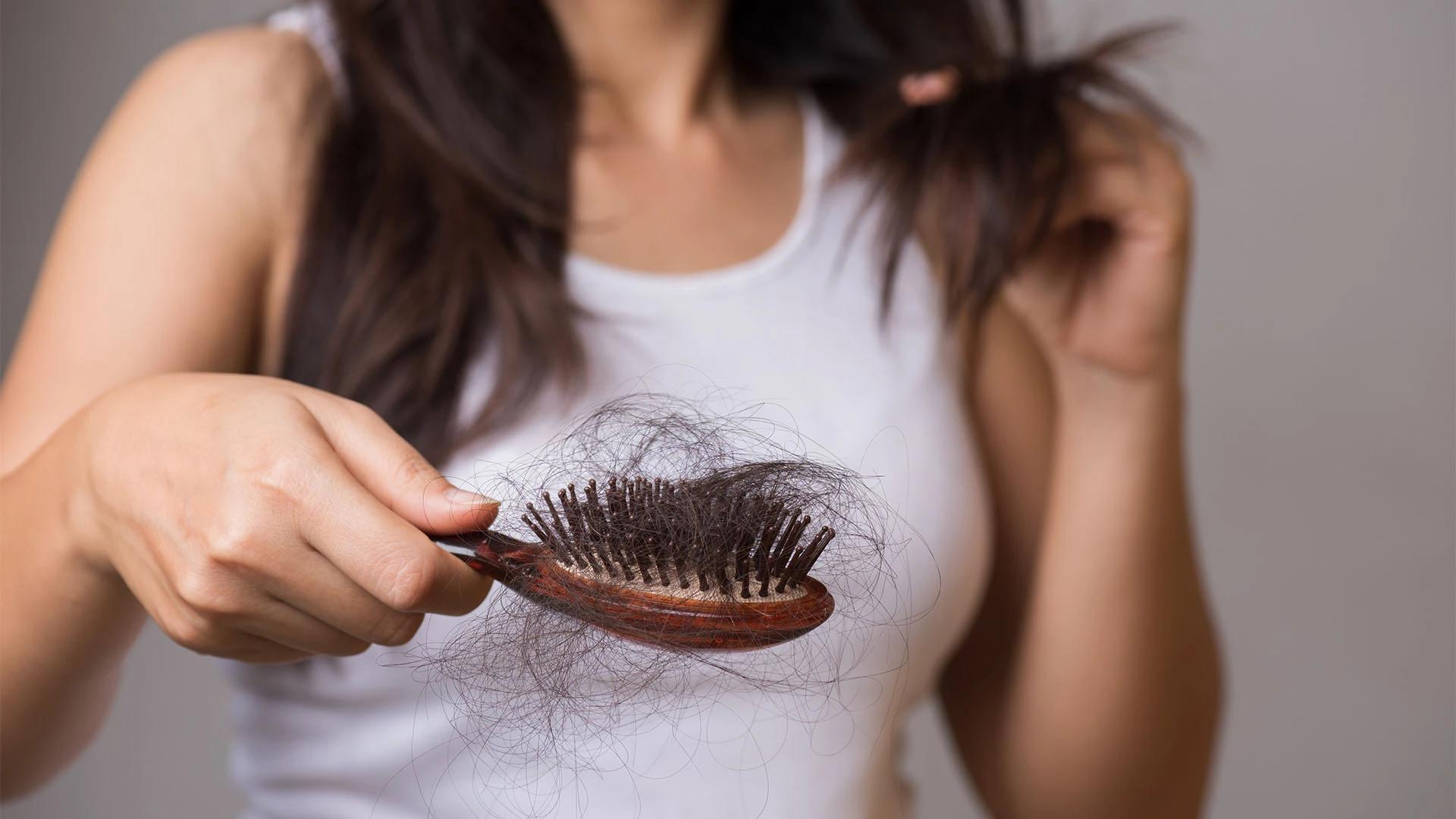
You know that sinking feeling when you run your fingers through your hair and way too many strands come away? Or when you notice your hairbrush looking like it's collected a small animal after just one use? Hair fall is one of those things that can sneak up on you, and suddenly you're googling "how to stop hair fall" at 2 AM. The good news? Most hair fall is totally manageable with the right approach, and you don't need to panic every time you see a few strands on your pillow.
Let's start with some real talk about what's happening up there. Your hair goes through a natural cycle, and losing 50 to 100 strands daily is completely normal. Think of it like your hair's way of making room for new growth. But if you're noticing clumps in the shower drain or your ponytail feels noticeably thinner, that's when it's time to pay attention.
Hair fall can happen for loads of reasons. Sometimes it's genetic (thanks, family genes), sometimes it's stress from that crazy work deadline, or maybe your diet's been more takeaway than home-cooked lately. Hormonal changes, especially for women during pregnancy, postpartum, or menopause, can also trigger increased hair fall. Even things like tight hairstyles, excessive heat styling, or harsh chemical treatments can weaken your strands over time.
Watch out for sudden changes in your hair fall pattern, bald patches, or if your scalp becomes visible through your hair. These could signal underlying issues that might need professional help.
The foundation of healthy hair starts with how you treat it every day. Think of your hair like a delicate fabric – the gentler you are, the longer it lasts. Start with how you brush your hair. Wet hair is super fragile, so always use a wide-tooth comb and work from the ends up to avoid unnecessary breakage.
When it comes to washing, less can definitely be more. Over-washing strips your scalp of natural oils, which can actually trigger more oil production and potentially weaken your hair. Most people do well with washing every other day or even just twice a week, depending on your hair type and lifestyle.
Choose a gentle, sulphate-free shampoo that won't harsh your scalp. Your conditioner should focus on the mid-lengths and ends of your hair, not the roots. And here's a game-changer: try to air-dry your hair whenever possible. Heat styling tools can weaken your hair shaft over time, making it more prone to breakage.
Your scalp is basically the soil where your hair grows, so keeping it healthy is crucial. Regular scalp massages aren't just relaxing – they boost blood circulation, which can help with hair growth. Spend a few minutes massaging your scalp with your fingertips (not nails) while shampooing or apply some oil beforehand.
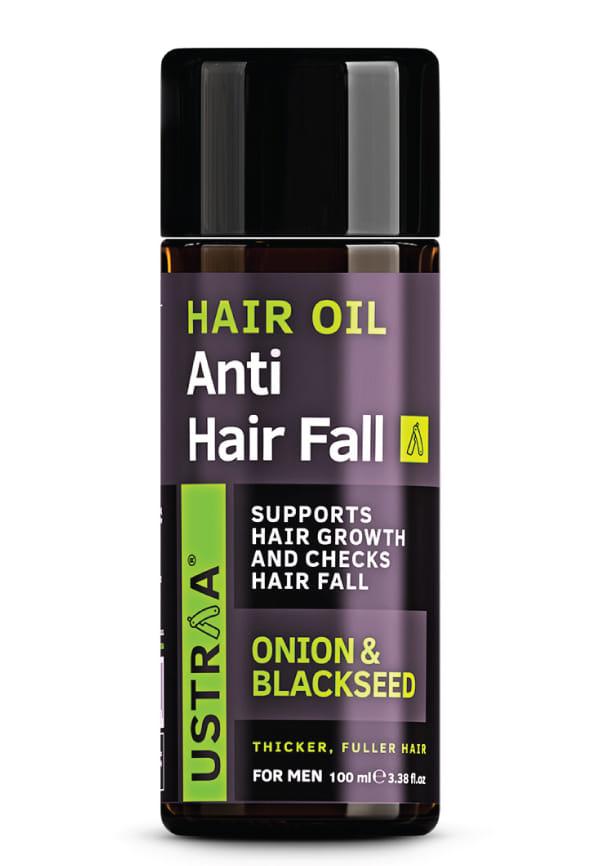
Anti Hair Fall Hair Oil
Sometimes the best hair fall remedies are sitting right in your kitchen. Oil treatments have been used for generations, and there's good reason why. Coconut oil penetrates the hair shaft and can help prevent protein loss, while castor oil is rich in ricinoleic acid, which may help improve circulation to your scalp.
Rosemary oil has gained popularity recently, and some studies suggest it might be as effective as certain medical treatments for hair growth. Mix a few drops with a carrier oil like coconut or jojoba, massage into your scalp, and leave it on for at least 30 minutes before washing.
Aloe vera isn't just for sunburns – it can soothe an irritated scalp and has enzymes that might help with hair growth. You can apply fresh aloe vera gel directly to your scalp or look for hair products that contain it as a key ingredient.
While onion juice is often recommended for hair growth (and does have some research backing it), let's be honest – the smell isn't exactly pleasant. If you're up for it, blend an onion, strain the juice, and apply it to your scalp for 15 minutes before washing. But if that's not your vibe, egg masks can provide protein to strengthen your hair without the lingering odour.
Your hair is basically a reflection of what's happening inside your body. If you're not getting enough nutrients, your hair will be one of the first things to show it. Protein is crucial since your hair is made mostly of keratin, a type of protein. Include eggs, fish, lentils, and nuts in your diet regularly.
Iron deficiency is one of the most common causes of hair fall, especially in women. Dark leafy greens, red meat, and legumes can help boost your iron levels. Zinc is another important mineral – you'll find it in pumpkin seeds, chickpeas, and shellfish.
Don't forget about vitamins either. Vitamin D deficiency has been linked to hair loss, and many of us don't get enough sun exposure. Vitamin C helps with iron absorption and collagen production, while B vitamins, especially biotin, support hair health. A balanced diet with plenty of fruits, vegetables, and whole grains usually covers most of these bases.
Something as simple as drinking enough water can impact your hair. Dehydration can make your hair dry and brittle, more prone to breakage. Aim for at least 8 glasses of water daily, and you might notice your hair looking shinier and feeling stronger.
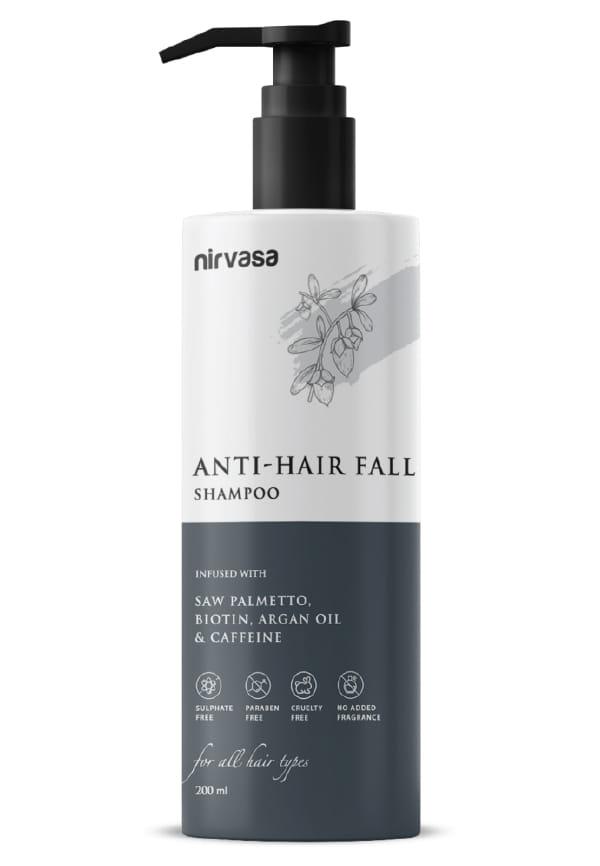
Anti-Hair Fall Shampoo for Men and Women
Stress is a major culprit in hair fall, and unfortunately, stressing about hair fall can create a vicious cycle. When you're stressed, your body produces cortisol, which can push hair follicles into a resting phase, leading to increased shedding. Finding healthy ways to manage stress – whether that's exercise, meditation, or just taking time for hobbies you enjoy – can genuinely help with hair health.
Sleep is when your body does most of its repair work, including hair growth. Poor sleep quality or not getting enough sleep can disrupt the hair growth cycle. Try to get 7-9 hours of quality sleep and consider using a silk or satin pillowcase, which creates less friction against your hair.
Regular exercise improves circulation throughout your body, including to your scalp. You don't need to become a gym enthusiast – even a daily walk or some yoga can make a difference. Just remember to wash your hair after sweaty workouts to prevent buildup that could clog follicles.
Sometimes, despite your best efforts with home remedies and lifestyle changes, hair fall persists or worsens. If you're losing hair in patches, experiencing sudden dramatic hair loss, or if your scalp is itchy, red, or painful, it's time to see a dermatologist or trichologist.
Certain medical conditions like thyroid disorders, PCOS, or autoimmune conditions can cause hair loss. Medications, including some for blood pressure, depression, or birth control, can also trigger hair fall. A healthcare professional can help identify any underlying causes and suggest appropriate treatments.
For genetic hair loss (androgenetic alopecia), there are proven medical treatments available. Minoxidil is available over-the-counter and can help slow hair loss and promote regrowth. For men, finasteride is another option, though it requires a prescription and has potential side effects to discuss with a doctor.
While you can't stop all hair fall (remember, losing 50-100 strands daily is normal), you can definitely reduce excessive hair fall and promote healthier hair growth. The key is identifying the cause and addressing it with the right combination of hair care, nutrition, and lifestyle changes. Most people see improvement within 3-6 months of consistent effort.
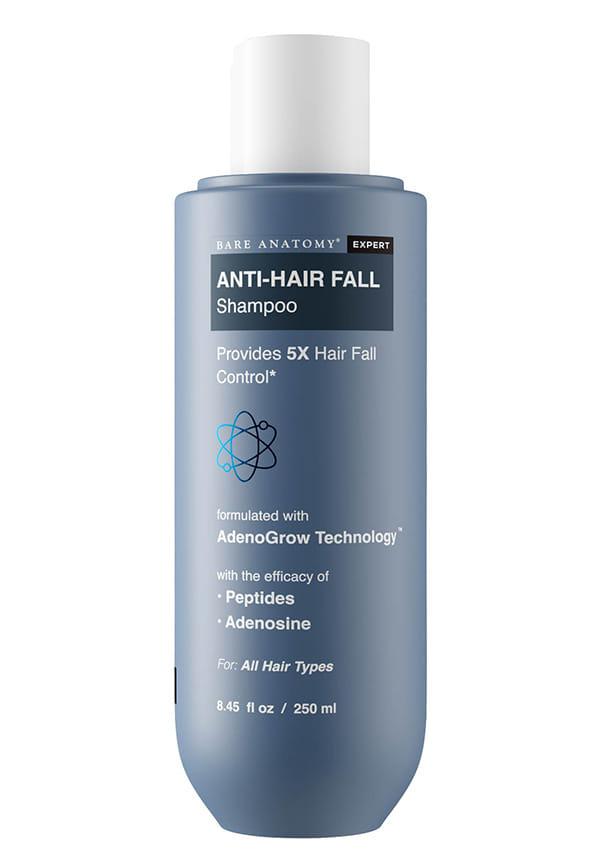
Anti-Hair Fall Shampoo | Provides 5X Hair Fall Control
There's no overnight fix, but you can start seeing results within a few weeks by being gentler with your hair, improving your diet, and managing stress. Start with scalp massages, use a wide-tooth comb, avoid heat styling, and make sure you're getting enough protein and iron in your diet. Consistency is more important than speed when it comes to natural hair fall remedies.
Not necessarily. While some premium ingredients can be beneficial, many effective hair fall prevention methods are quite affordable. A gentle shampoo, regular oil treatments, and a good diet often work better than expensive products with fancy marketing. Focus on ingredients that are proven to work rather than price tags.
Hair growth is slow, so patience is key. You might notice less hair fall within 4-6 weeks of starting a new routine, but visible regrowth typically takes 3-6 months. This is because hair follicles need time to shift from a resting phase back to an active growth phase. Stick with your routine even if you don't see immediate results.
Absolutely. Stress can push hair follicles into a resting phase, leading to increased shedding about 2-3 months later. This type of hair loss, called telogen effluvium, is usually temporary and improves once stress levels decrease. Managing stress through exercise, meditation, or other healthy coping mechanisms can help prevent stress-related hair fall.
Yes, many people notice increased hair fall during autumn and early winter. This seasonal shedding is thought to be an evolutionary leftover from when humans grew thicker hair for winter protection. It's usually temporary and nothing to worry about unless the hair loss is excessive or continues for months.
Repeatedly wearing very tight hairstyles can lead to traction alopecia, where constant pulling damages hair follicles. If caught early and the tight styling is stopped, the hair usually grows back. However, if the follicles are severely damaged, the hair loss can become permanent. Give your hair regular breaks from tight styles and vary your hairstyles.
Hair fall prevention isn't about finding one magic solution – it's about creating a holistic approach that addresses your hair's needs from multiple angles. Start with the basics: be gentle with your hair, eat a balanced diet rich in protein and essential nutrients, manage your stress levels, and get enough sleep. Natural remedies like scalp massages and oil treatments can definitely help, but remember that consistency matters more than perfection.
Most importantly, don't panic if you're experiencing some hair fall. In many cases, it's temporary and responds well to gentle care and lifestyle adjustments. If you're concerned about excessive hair loss or notice sudden changes, don't hesitate to consult a healthcare professional. Your hair journey is unique to you, and what works for someone else might need tweaking to suit your specific needs. Not sure which hair care products might work best for your specific concerns? Smytten also offers trial-size versions of many hair strengthening and growth products – a good way to test different formulations before committing to full-size bottles.
