Hair Fall Naturally: Your Complete Guide to Solutions



Anti - Hair Fall Hair Oil
Let's be real—finding clumps of hair in your brush or scattered across your pillow can be pretty alarming. While losing 50-100 strands daily is totally normal (your hair's just doing its natural thing), anything beyond 200 strands might signal it's time to take action. The good news? You don't need expensive treatments or harsh chemicals to tackle hair fall. Natural solutions can work wonders when you know what you're doing. From nourishing your scalp with the right oils to tweaking your diet for stronger strands, there are loads of ways to reduce hair fall naturally. Ready to discover what actually works? Let's dive into the complete guide that'll help you understand your hair better and give it the TLC it deserves.
Before jumping into solutions, it's worth understanding what's actually happening up there. Your hair goes through a natural cycle—growing, resting, and eventually falling out to make room for new growth. But when this cycle gets disrupted, that's when hair thinning solutions become essential.
Here's the thing—not all hair fall is created equal. Losing 50-100 strands daily is your hair's way of renewing itself. But if you're consistently losing 200+ strands, or noticing your ponytail feels thinner, it's time to pay attention. The telltale signs include more hair in your brush than usual, visible scalp patches, or that dreaded clogged shower drain.
The hair fall causes are more varied than you might think. Nutritional gaps—especially protein, iron, and vitamin deficiencies—can leave your hair weak and brittle. Hormonal changes, whether from thyroid issues, PCOS, or even stress, can throw your hair cycle completely off track.
Then there's the lifestyle stuff we often overlook. Chronic stress, lack of sleep, and even tight hairstyles can contribute to hair loss. Heat styling tools and chemical treatments? They're basically giving your hair a daily beating. Genetics play a role too, but that doesn't mean you're powerless against it.
Your hair is basically a reflection of what you eat. Think of it as your body's way of showing off how well you're nourishing yourself from the inside. When it comes to natural hair growth, certain nutrients are absolute game-changers.
Since your hair is made up of keratin (a type of protein), skimping on protein is like trying to build a house without bricks. Eggs are brilliant because they contain biotin and protein in one neat package. Fish like salmon and mackerel bring omega-3s to the party, while lentils and chickpeas are perfect for vegetarians looking to boost their protein intake.
Iron deficiency is one of the sneakiest culprits behind hair loss, especially in women. Your hair follicles need oxygen to thrive, and iron helps transport it. Load up on spinach, lean red meat, and lentils to keep your levels topped up.
Vitamin C isn't just for fighting colds—it helps your body absorb iron and produces collagen, which strengthens hair. Citrus fruits, berries, and bell peppers are your friends here. Vitamin D, often called the sunshine vitamin, plays a crucial role in hair follicle health. Fatty fish, egg yolks, and a bit of sun exposure can help maintain adequate levels.
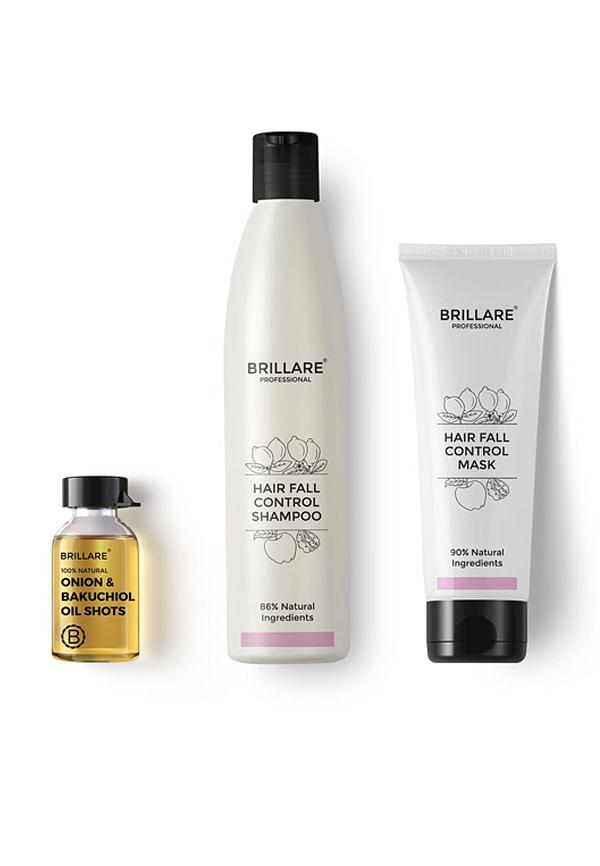
Anti Hair Fall Treatment Combo
Excellent Product Combo
 5
5“best combo I have purchased .”
Loved the product
5“loved it! love the product 👍👍👍”
Positive Product Review
5“a good product...good packaging...does the job...”
Now for the fun part—hair fall remedies you can whip up in your kitchen. These aren't just old wives' tales; many have solid science backing them up. The key is consistency and patience, because natural hair loss treatment takes time to show results.
Coconut oil is like a superfood for your scalp. Its molecular structure allows it to penetrate the hair shaft, providing deep nourishment and reducing protein loss. Warm it slightly and massage it into your scalp using circular motions for 10-15 minutes before washing.
Rosemary oil has been shown to be as effective as minoxidil in some studies. Mix a few drops with a carrier oil like coconut or jojoba, and massage it into your scalp. The improved circulation can stimulate hair follicles and promote growth. Almond oil brings vitamin E to the table, which acts as a natural antioxidant and helps maintain scalp health.
Aloe vera gel is brilliant for soothing an irritated scalp and reducing inflammation that might be hindering hair growth. Apply fresh gel directly to your scalp, leave it for 30 minutes, then rinse with lukewarm water.
Onion juice might smell a bit funky, but it's packed with sulphur, which helps boost collagen production and strengthen hair follicles. Blend an onion, strain the juice, and apply it to your scalp for 15-20 minutes before washing. The smell disappears once you shampoo, promise.
Fenugreek seeds soaked overnight and ground into a paste make an excellent protein-rich hair mask. The seeds contain nicotinic acid, which can help stimulate hair growth. Green tea isn't just for sipping—cooled green tea makes a fantastic final rinse that provides antioxidants to strengthen hair follicles.
Sometimes the issue isn't just hair fall—it's breakage that makes your hair look thinner. These haircare tips focus on being gentler with your strands to prevent hair breakage and maintain what you've got.
Wet hair is at its most vulnerable, so treat it like delicate silk. Use a wide-tooth comb and start detangling from the ends, working your way up. Never brush wet hair aggressively—it's a recipe for breakage.
Here's a game-changer: swap your cotton pillowcase for silk or satin. The smooth surface reduces friction while you sleep, preventing those annoying tangles and breakage. When towel-drying, gently squeeze out excess water instead of rubbing vigorously.
Heat tools are convenient, but they're also one of the fastest ways to damage your hair. If you must use them, always apply a heat protectant first and keep the temperature below 180°C. Better yet, embrace air-drying and heat-free styling methods when possible.
Sulphate-free shampoos are gentler on your hair and scalp, helping maintain natural oils that keep your hair healthy. Avoid tight hairstyles like high ponytails or tight braids that put constant tension on your hairline—this can lead to traction alopecia over time.
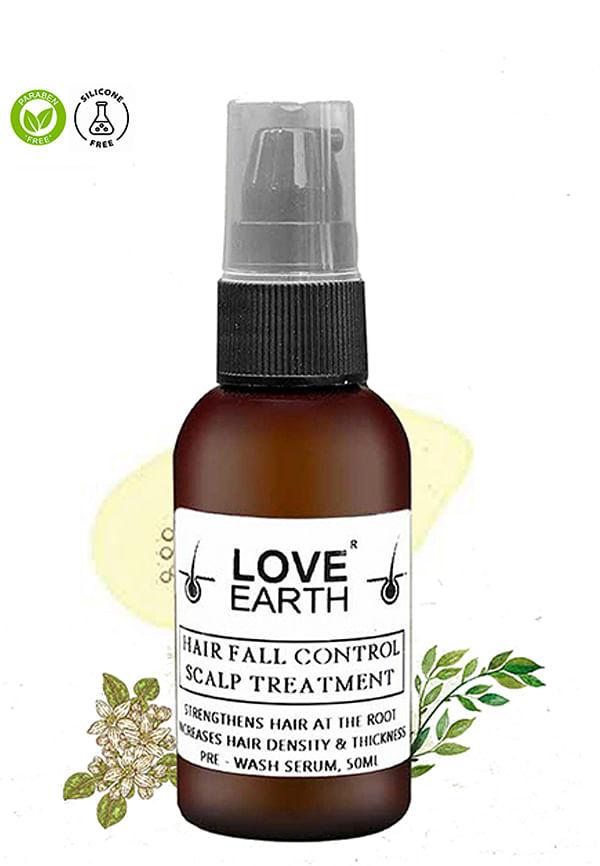
Hair Fall Control Scalp Treatment
Your hair health is deeply connected to your overall wellbeing. These lifestyle tweaks can significantly impact your hair's strength and growth rate, making them essential parts of any comprehensive hair loss treatment plan.
Chronic stress can push hair follicles into a resting phase, leading to increased hair fall. Yoga and meditation aren't just trendy—they genuinely help reduce cortisol levels that can interfere with hair growth. Even 10 minutes of deep breathing exercises daily can make a difference.
Sleep is when your body repairs and regenerates, including your hair follicles. Aim for 7-8 hours of quality sleep nightly. Regular exercise improves circulation, ensuring your scalp gets the blood flow it needs for healthy hair growth.
Dehydration affects every part of your body, including your hair. Aim for at least 8 glasses of water daily to keep your hair and scalp properly hydrated. Environmental factors like pollution and UV rays can damage hair, so consider wearing a hat or scarf when spending extended time outdoors.
Seasonal changes can affect your hair too. Winter heating can dry out your scalp, while summer sun can fade and weaken hair. Adjust your haircare routine accordingly—perhaps using a humidifier in winter or UV-protective products in summer.
While there's no magic wand for instant results, there are ways to minimise further damage and create the best conditions for your hair to recover. These strategies focus on immediate damage control while you work on longer-term solutions.
If you're experiencing sudden, excessive hair fall, start with gentle scalp massages using your fingertips. This improves circulation without causing additional stress to fragile hair. An overnight oil treatment with coconut or argan oil can provide intensive nourishment.
Be extra gentle with styling—avoid tight hairstyles, harsh brushing, and heat tools until your hair stabilises. Remember, visible improvements typically take 3-6 weeks because that's how long it takes for new, healthier hair to grow and become noticeable.
Sometimes natural remedies aren't enough, and that's perfectly okay. If you're losing more than 200 strands daily for several weeks, experiencing sudden bald patches, or noticing other symptoms like fatigue or weight changes, it's time to see a dermatologist or trichologist.
Blood tests can reveal underlying conditions like thyroid disorders, iron deficiency, or hormonal imbalances that might be causing your hair loss. Early intervention often leads to better outcomes, so don't hesitate to seek professional help when needed.
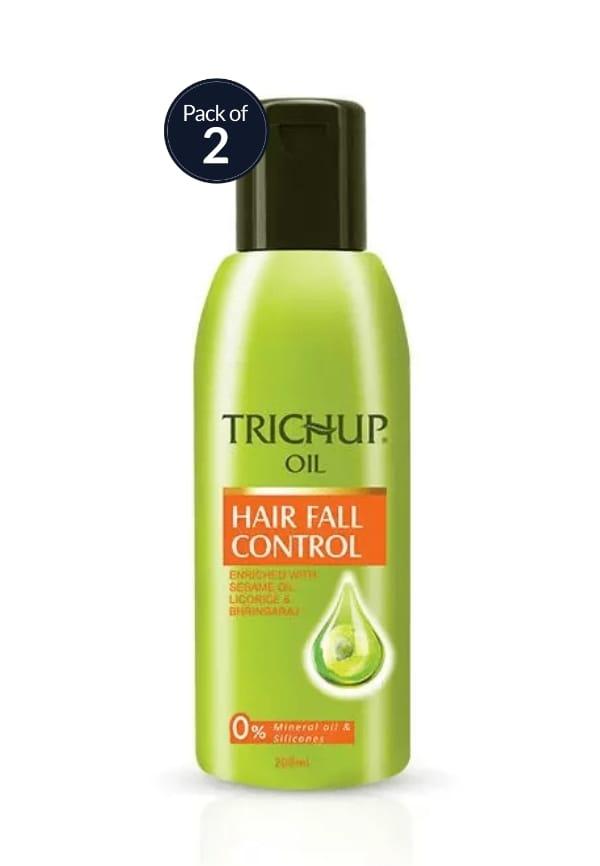
Hair Fall Control Hair Oil
Great Product
5“very nice good good product 👍👍”
Positive Product Experience
5“nice good to use very good experience”
When exploring haircare solutions, platforms like Smytten make it easier to discover what works for your specific hair type. With curated trial packs from trusted brands, you can test different products without committing to full sizes—perfect for finding your ideal haircare routine without the guesswork.
Start with regular oil massages using coconut or rosemary oil, maintain a protein-rich diet, and use gentle haircare techniques. Consistency is key—most natural remedies take 4-6 weeks to show visible results.
While no food provides instant results, protein-rich foods like eggs, fish, and lentils, along with iron-rich options like spinach and lean meat, support hair health. Green tea and foods high in vitamin C also promote stronger hair growth.
No, losing 200+ hairs daily is considered excessive and may indicate an underlying issue. Normal hair loss ranges from 50-100 strands per day. If you're consistently losing more, consider consulting a healthcare professional.
Natural remedies typically take 6-12 weeks to show noticeable results, as this aligns with your hair's natural growth cycle. Some people may see improvements in hair texture and reduced breakage within 3-4 weeks.
Absolutely. Chronic stress can push hair follicles into a resting phase, leading to increased hair fall 2-3 months later. Managing stress through exercise, meditation, and adequate sleep can significantly improve hair health.
Natural treatments are generally safe, but some people may experience allergic reactions to certain ingredients like onion juice or essential oils. Always do a patch test before applying any new treatment to your scalp.
Reducing hair fall naturally is absolutely achievable with the right approach and patience. Focus on nourishing your hair from the inside out with a balanced diet rich in protein, iron, and essential vitamins. Combine this with gentle external treatments like oil massages and natural hair masks for the best results.
Remember, consistency beats intensity when it comes to natural hair care. Small, daily habits like gentle brushing, stress management, and proper hydration can make a bigger difference than sporadic intensive treatments. Most importantly, be patient with the process—your hair didn't start falling overnight, and it won't recover overnight either.
If you're looking to experiment with different haircare products to support your natural hair fall remedies, consider trying mini versions first. This way, you can discover what works for your unique hair type without the commitment of full-size products. After all, why settle for guessing when you can try it all and find what truly works for your hair?
